Investors are closely watching CHA Vaccine Research Institute as it prepares for a pivotal Investor Relations (IR) event on November 4, 2025. This event is far more than a routine update; it represents a critical juncture for the company, which is navigating significant financial pressures while advancing a promising pipeline of vaccines. The spotlight will be firmly on its lead candidate, the chronic Hepatitis B treatment vaccine CVI-HBV-002, and management’s strategy to secure a sustainable future.
This comprehensive analysis will delve into the key factors shaping the company’s trajectory, dissecting the potential of its core assets, the gravity of its financial situation, and the potential market reactions following the IR. For those considering a biotech investment, understanding these dynamics is paramount.
The Crucial Context: Why This IR Matters
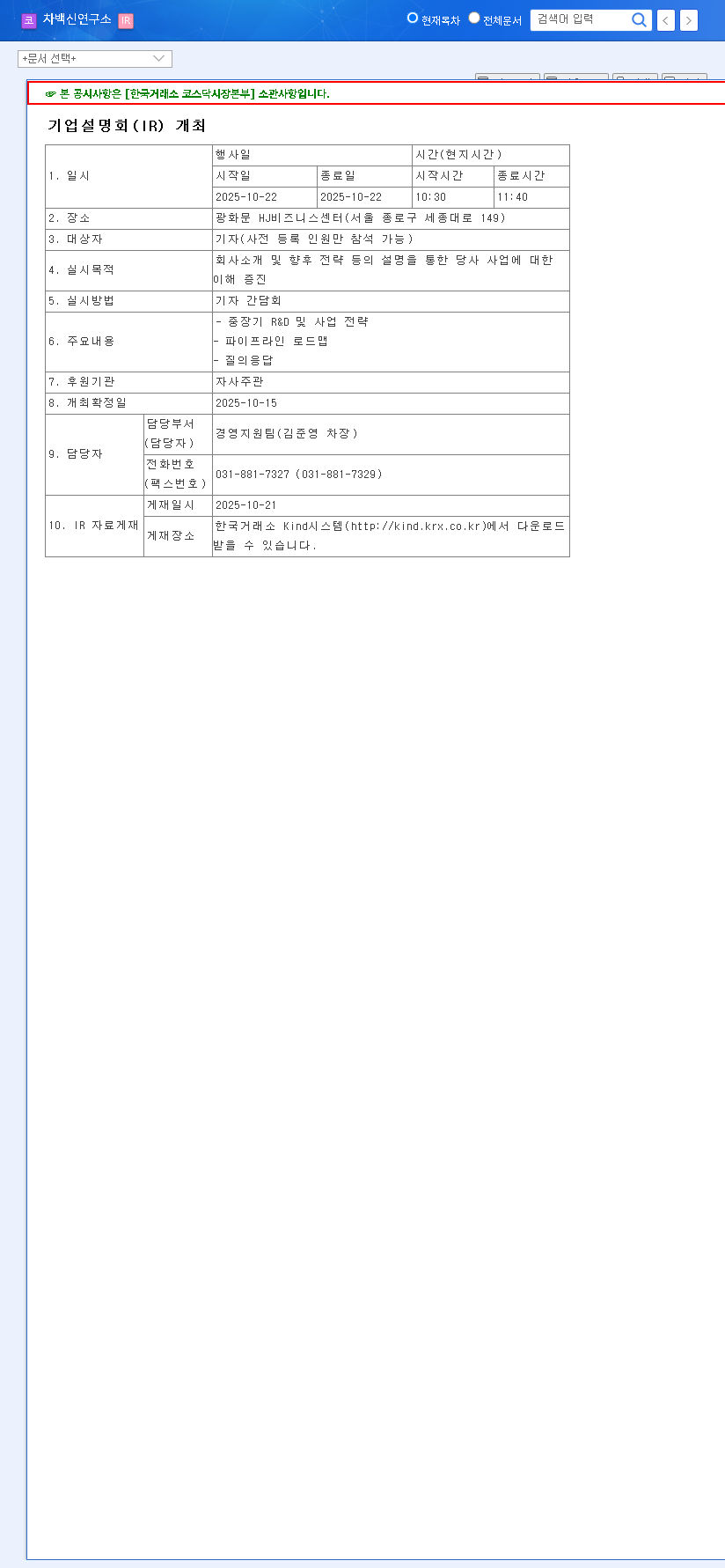
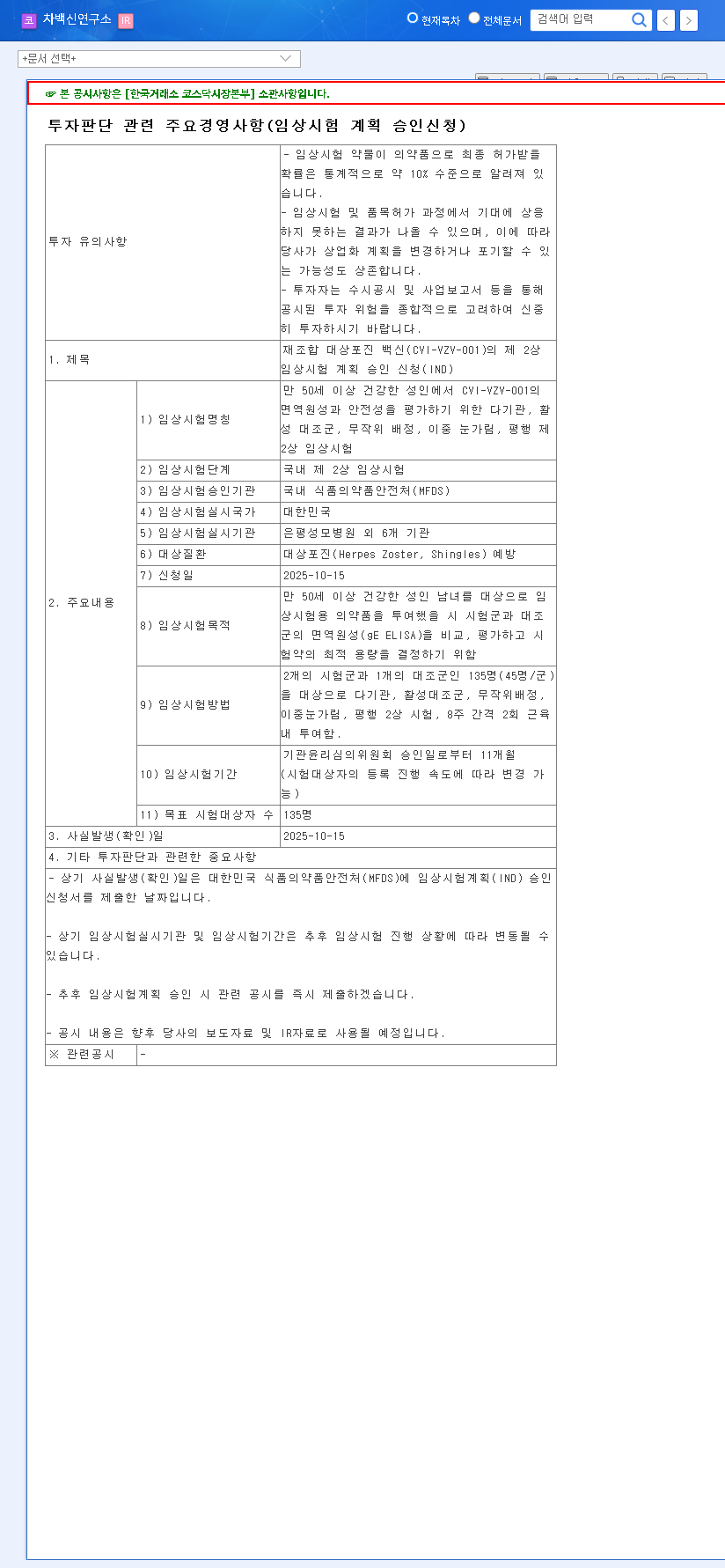
CHA Vaccine Research Institute has officially scheduled its IR event for 2:00 PM on November 4, 2025. The purpose is to provide a transparent update on management status, R&D progress, and overall business operations, followed by a Q&A session. The official announcement can be viewed in their public filing (Official Disclosure: DART). This event is significant due to the stark contrast between the company’s promising science and its challenging financial health.
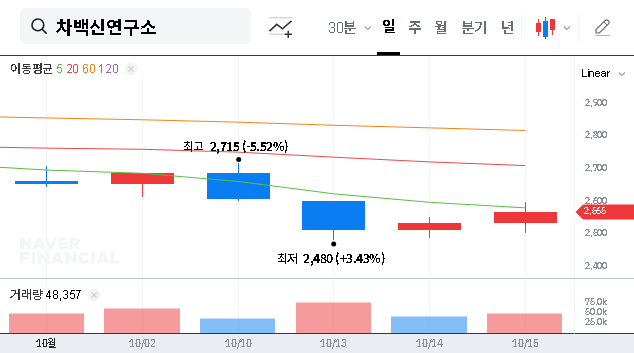
The core challenge for management is to balance the high-cost, long-term promise of its R&D pipeline with the immediate need for financial stability. This IR will be their primary platform to articulate that balance and restore investor confidence.
Deep Dive: The Pipeline Potential
The future valuation of CHA Vaccine Research Institute is intrinsically linked to the success of its clinical pipeline. Here’s a closer look at the key assets.
Chronic Hepatitis B Vaccine (CVI-HBV-002): The Game Changer
The crown jewel is CVI-HBV-002, a therapeutic Hepatitis B vaccine. Chronic Hepatitis B is a massive global health issue, with the World Health Organization (WHO) estimating hundreds of millions of people are living with the infection. With Phase 2b clinical trials now complete, the company is planning for Phase 2 combination trials in 2026. A successful outcome could tap into a multi-billion dollar market, making this the single most important value driver for the company.
Other Key Pipeline Assets
- •Hepatitis B Prevention Vaccines (CVI-HBV-001, CVI-HBV-002): With early-phase trials completed, these candidates aim to offer improved efficacy and convenience over existing preventative options.
- •Recombinant Zoster Vaccine (CVI-VZV-001): Currently in Phase 1 trials, this vaccine for shingles has shown promising pre-clinical results and targets a large and growing market.
- •Business Expansion: The company is strategically diversifying into cancer vaccines and immune-oncology treatments, which could create valuable synergies and new revenue streams in the long term.
Analyzing the Financial Risks
Despite the scientific promise, the financial statements reveal significant headwinds that investors must consider. The company’s high cash burn rate is a central concern.
- •Operating Losses: Deficits have widened year-over-year, driven by escalating R&D costs—a necessary evil in biotech but one that pressures the balance sheet.
- •Declining Cash Reserves: A significant drop in cash and equivalents raises questions about the company’s operational runway and the potential need for dilutive financing in the near future.
- •Rising Debt Ratio: The recent issuance of convertible bonds has increased the debt-to-equity ratio, adding another layer of financial risk that requires careful management.
Potential Scenarios Post-IR Event
The market’s reaction will hinge entirely on the substance and clarity of the information presented. Here are three potential scenarios:
1. Positive Scenario: Renewed Confidence
If management presents compelling new data for CVI-HBV-002 and unveils a concrete, credible plan to shore up its finances (e.g., a strategic partnership, non-dilutive funding), investor confidence could be restored, driving the stock price higher.
2. Neutral Scenario: More Questions than Answers
If the IR simply rehashes old information without providing clear solutions to the financial overhang, the market may remain skeptical. This would likely lead to minor price volatility as investors digest the lack of new catalysts.
3. Negative Scenario: Heightened Concerns
Any hint of delays in the clinical timeline, underwhelming data, or a failure to address the funding gap could trigger a sell-off. In this scenario, concerns about cash depletion would intensify, putting significant downward pressure on the stock.
Investor Takeaway: What to Watch For
For investors, this IR is a crucial due diligence opportunity. Focus on the specifics: demand a clear roadmap for the Hepatitis B vaccine, a transparent plan for financial stabilization, and honest answers during the Q&A. The future of CHA Vaccine Research Institute depends on its ability to align its promising vision with its current reality. Making informed decisions is key, and for more background, you can review our guide to evaluating clinical-stage biotech stocks. The final decision to invest rests solely with the individual, based on their own risk tolerance and thorough research.