Tag: Cement

  • (002030) ASIA HOLDINGS CO.,LTD Stock Cancellation (2025): An Investor’s Deep Dive

    (002030) ASIA HOLDINGS CO.,LTD Stock Cancellation (2025): An Investor’s Deep Dive

    In a significant move for investors, ASIA HOLDINGS CO.,LTD (μ•„μ„Έμ•„) has announced a 4 billion KRW stock cancellation. This decision to retire treasury shares comes amidst challenging market conditions and raises critical questions for current and potential shareholders. What does this maneuver truly signal about the company’s confidence and future? This comprehensive analysis explores the implications of the ASIA HOLDINGS CO.,LTD stock cancellation, from potential short-term share price benefits to the underlying fundamental health of the company, providing strategic insights for your investment portfolio.

    The 4 Billion Won Treasury Share Cancellation Explained

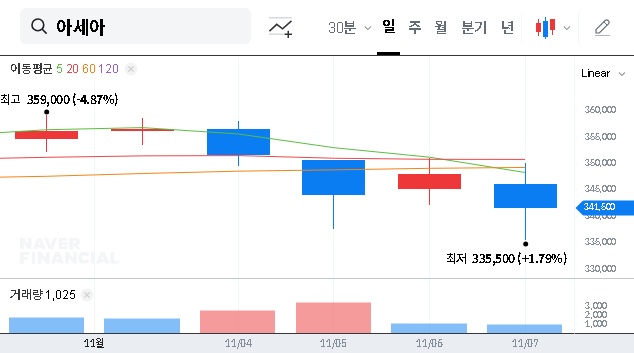
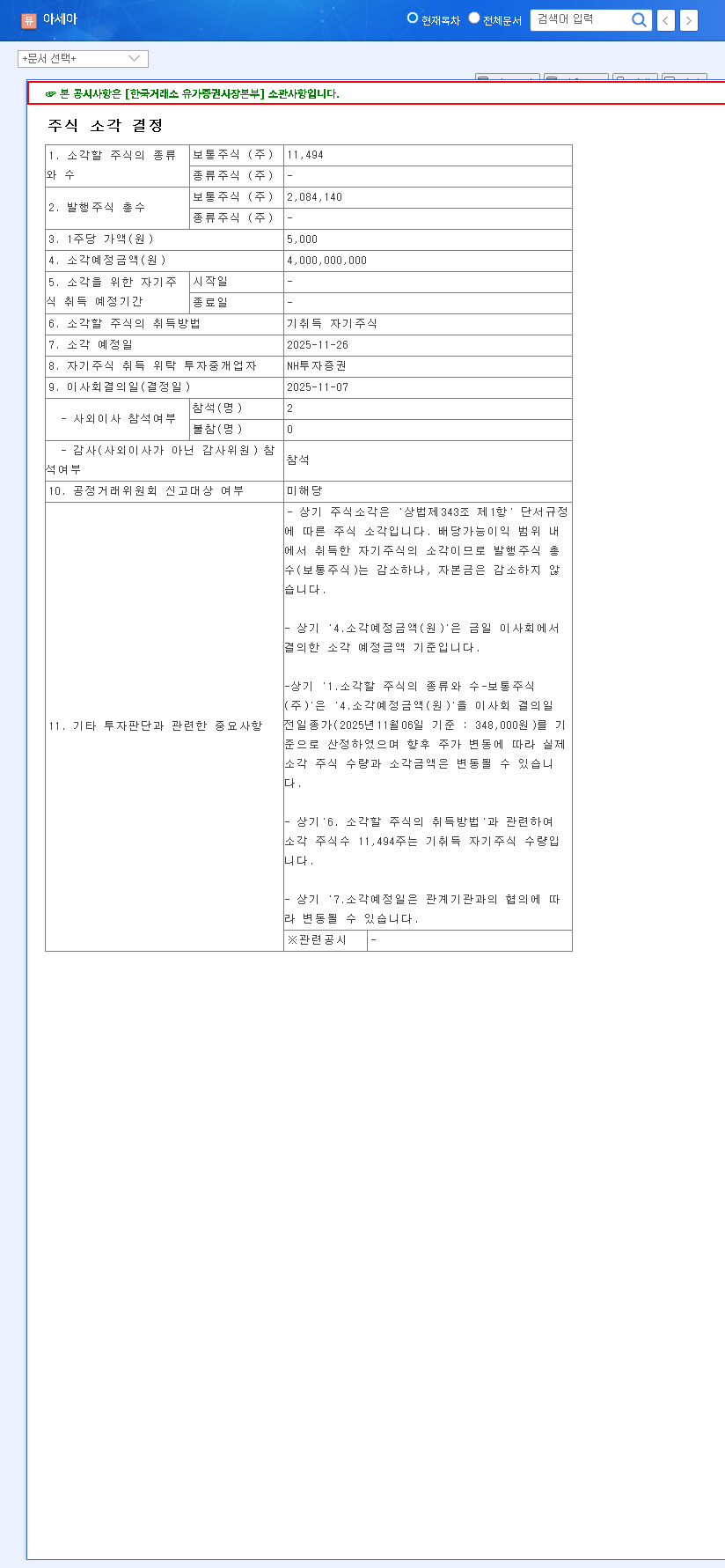
    On November 7, 2025, ASIA HOLDINGS CO.,LTD formally announced its resolution to cancel 11,494 of its common treasury shares. This transaction, valued at approximately 4 billion KRW, is slated for completion on November 26, 2025. While this represents a modest 0.55% of the company’s 712.8 billion KRW market capitalization, the strategic timing and intent behind the move warrant a closer look. A treasury share cancellation is essentially a company buying back its own stock from the open market and then permanently retiring it, reducing the total number of shares outstanding. The official disclosure for this event can be found on DART, Korea’s electronic disclosure system (Source).

    Context: Unpacking the Company’s Current Landscape

    To fully grasp the significance of the stock cancellation, we must analyze the fundamental and market pressures ASIA HOLDINGS CO.,LTD is currently facing. The decision is not just about shareholder value; it’s a strategic response to a complex business environment.

    Underperforming Business Segments

    The first half of 2025 painted a challenging picture. The company reported sales of 935.4 billion KRW (an 8.1% decrease YoY) and an operating profit of 76.7 billion KRW (a sharp 33.8% decrease YoY). This downturn is not isolated to one area but stems from headwinds across its core operations:

    • Construction Market Downturn: The cement business has been significantly impacted, with low production utilization rates at ASIA Cement (58.8%) and Halla Cement (48.3%) directly hitting sales and profitability.
    • Paper Industry Stagnation: Weakening demand, rising raw material costs, and an industry-wide slowdown have squeezed margins in the paper division.
    • Cost and Currency Volatility: Fluctuations in raw material prices and foreign exchange rates have created significant cost-side pressure on the company’s core businesses.
    • Diversified Business Headwinds: Other ventures, including Wooshin Venture Investment and the Gyeongju World theme park, have also faced performance impacts due to changing investment climates and external factors.

    Potential Impact of the Stock Cancellation

    This treasury stock cancellation can create several ripples, affecting both stock valuation metrics and investor perception. Understanding these potential outcomes is key for any ASIA HOLDINGS CO.,LTD investment strategy.

    The Bull Case: Enhancing Shareholder Value

    • Boost to Per-Share Metrics: By reducing the number of outstanding shares, the company mechanically increases its Earnings Per Share (EPS) and Book Value Per Share (BPS), making the stock appear more valuable on paper.
    • Increased Scarcity and Stability: A smaller float (the number of shares available for public trading) can increase the scarcity of the stock, potentially supporting the price and reducing volatility during market swings.
    • Signal of Confidence: This action is a classic shareholder-friendly policy. It signals to the market that management believes the stock is undervalued and is committed to returning value to its investors.

    The Bear Case: Limitations and Realities

    Despite the positives, investors should remain grounded. The cancellation’s scale (0.55% of market cap) is not substantial enough to single-handedly drive a massive price surge. Its direct impact may be limited and quickly priced in by the market. Furthermore, it represents a 4 billion KRW cash outflow, which, while manageable for the company, is still capital that could have been used for other growth initiatives. A deeper look into analyzing corporate financial health can provide more context.

    While a positive signal, this stock cancellation is a tool, not a magic bullet. True long-term value will be driven by a fundamental recovery in ASIA HOLDINGS CO.,LTD’s core business operations.

    Strategic Investment Approaches for ASIA HOLDINGS CO.,LTD

    Given this complex backdrop, a one-size-fits-all investment strategy is ill-advised. Investors should tailor their approach based on their time horizon and risk tolerance.

    For the Short-Term Trader

    The announcement may create positive short-term momentum. Traders could capitalize on this sentiment, but it’s crucial to monitor trading volumes and price action closely. A strategy based solely on this news is risky without watching for signs of genuine improvement in the company’s quarterly reports.

    For the Long-Term Investor

    Long-term investors should view the stock cancellation as a minor positive in a much larger story. The key drivers for sustainable price appreciation lie in the recovery of the construction and paper markets. A patient, value-oriented approach is necessary. Watch for signs of stabilizing raw material prices and improving profit margins before committing significant capital.

    Conclusion: A Cautious but Optimistic Outlook

    The ASIA HOLDINGS CO.,LTD stock cancellation is a commendable step towards enhancing shareholder value and demonstrates management’s proactive stance. It provides a welcome, albeit small, tailwind for the stock. However, investors must weigh this against the significant macroeconomic and industry-specific headwinds the company faces. The path to sustained growth will be paved by fundamental business improvements, not just financial engineering. Therefore, a prudent, well-researched, and cautious investment approach is the most sensible path forward.

    Frequently Asked Questions (FAQ)

    Q1: What is a treasury stock cancellation?

    A1: It’s when a company uses its cash to repurchase its own shares and then officially cancels them. This reduces the total number of shares in existence, which can increase metrics like Earnings Per Share (EPS) and signal management’s confidence in the company’s value.

    Q2: Why is ASIA HOLDINGS CO.,LTD doing this now?

    A2: The move is likely a strategic effort to boost investor confidence and support the stock price during a period of underperformance in its core cement and paper businesses, which are facing market downturns and cost pressures.

    Q3: Will this stock cancellation guarantee the stock price goes up?

    A3: No, it does not guarantee a price increase. While it is a positive factor that can create short-term momentum, the long-term stock performance will depend more heavily on the company’s ability to improve its financial results and navigate the challenging economic environment.
    (002030) ASIA HOLDINGS CO.,LTD Stock Cancellation (2025): An Investor's Deep Dive κ΄€λ ¨ 이미지
  • (004980) SUNGSHIN CEMENT Shareholding Change: Management Control at Risk as Stake Drops to 0%

    (004980) SUNGSHIN CEMENT Shareholding Change: Management Control at Risk as Stake Drops to 0%

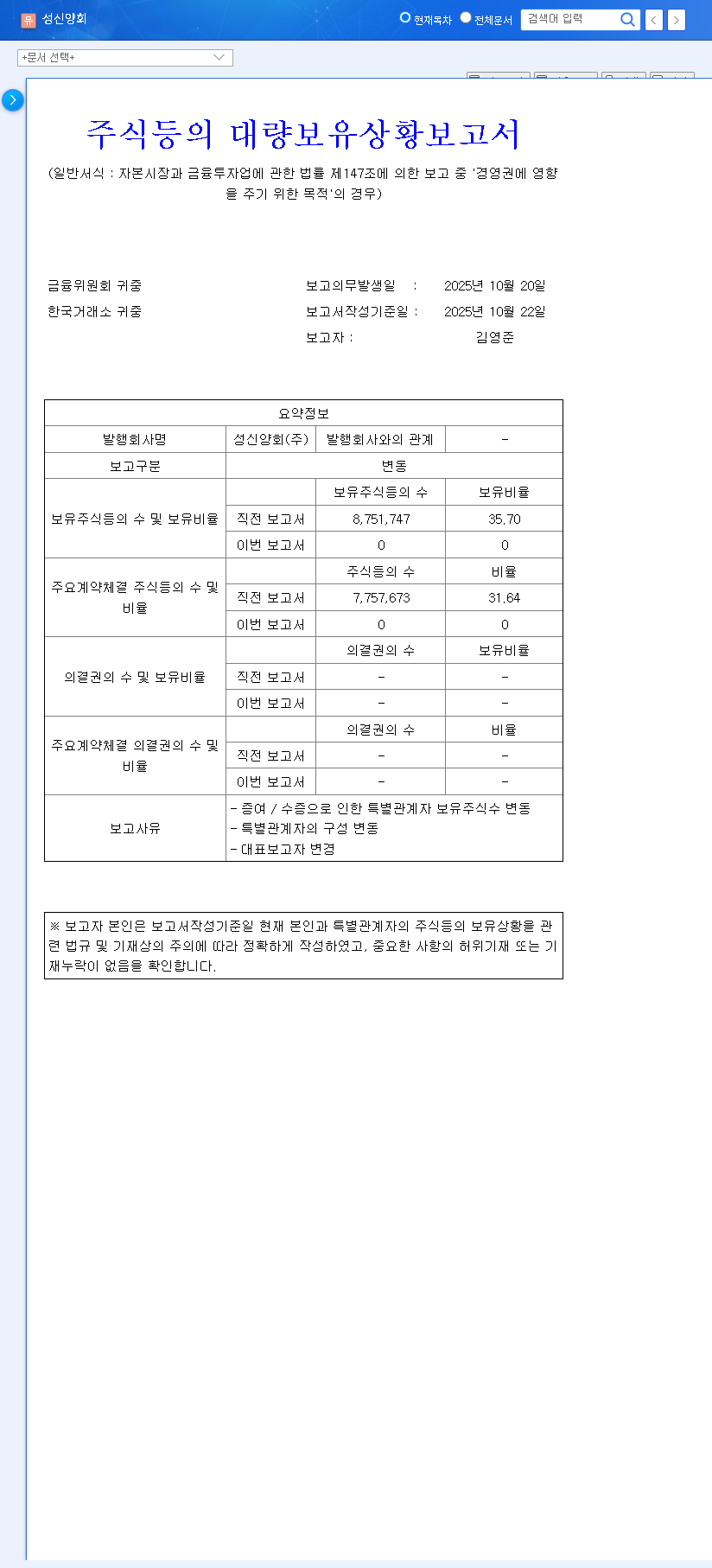
    The recent SUNGSHIN CEMENT shareholding change has sent a significant tremor through the financial markets, raising critical questions about the company’s future leadership and strategic direction. A bombshell disclosure on October 22, 2025, revealed that the ownership stake of Kim Young-jun and other special related parties has plummeted from a controlling 35.70% to an unprecedented 0%. This isn’t just a minor adjustment; it’s a fundamental reset of the company’s power structure.

    For investors and market analysts, this development is a pivotal moment. What triggered this complete divestment? Who is the new influential player, ESPower Co., Ltd.? And most importantly, how will this vacuum in SUNGSHIN CEMENT management control impact its stock value and long-term strategy? This comprehensive analysis will break down the event, explore the immediate and future implications, and provide a clear action plan for navigating this period of high uncertainty.

    Anatomy of the Shareholding Collapse

    The core of this event is the abrupt and total disappearance of the established controlling bloc. According to the public filing, the total shareholding of Kim Young-jun and affiliated special parties was completely eliminated. This dramatic shift was officially reported, and the details can be reviewed in the Official Disclosure from DART (Data Analysis, Retrieval and Transfer System).

    The Catalyst: A Massive Stock Donation

    The primary driver behind this radical SUNGSHIN CEMENT shareholding change was a large-scale stock donation. The reporting party, Kim Young-jun, gifted a substantial block of 2,791,332 shares to an entity named ESPower Co., Ltd. This action, combined with other changes in the composition of special related parties, effectively dissolved the previous ownership structure.

    • Primary Cause: Donation of nearly 2.8 million shares by Kim Young-jun.
    • Recipient: ESPower Co., Ltd., which now emerges as a key stakeholder.
    • Stated Purpose: ESPower Co., Ltd. has reported its shareholding purpose as seeking “management influence,” signaling an active role ahead.

    When a company’s controlling shareholder stake drops to zero overnight, it opens the door to significant volatility and potential takeover scenarios. Understanding the new players is paramount.

    Market Impact and Future Outlook for SUNGSHIN CEMENT

    A 0% stake for the former controlling parties is a critical event that fundamentally alters the market’s perception of SUNGSHIN CEMENT CO., LTD. The implications must be analyzed across short-term and long-term horizons.

    Short-Term: Volatility and Intense Scrutiny

    In the immediate term, the market will grapple with heightened uncertainty. The lack of a clear controlling entity can lead to investor confusion and potential stock price volatility. All eyes will be on ESPower Co., Ltd., as its next movesβ€”whether to acquire more shares, install new management, or propose a strategic shiftβ€”will dictate market sentiment. This situation is a classic example of what experts in corporate governance call a “power vacuum,” which can attract opportunistic investors and lead to market overhang.

    Long-Term: A New Era for Management and Strategy

    The long-term consequences are even more profound. The absence of the previous controlling interest creates an opening for a complete overhaul of SUNGSHIN CEMENT management control.

    • Potential for Takeover Contest: The company is now vulnerable to takeover bids from external parties or a hostile contest for control.
    • Strategic Pivot: New leadership will likely bring significant changes to business strategy, investment priorities, financial structure, and operational methods.
    • Corporate Value Reassessment: The market will re-evaluate SUNGSHIN CEMENT’s intrinsic value based on the perceived competence and vision of its new influential shareholders.

    Investor Action Plan: Navigating the Uncertainty

    For current and prospective investors, this is a time for caution, diligence, and strategic monitoring. Hasty decisions based on speculation could be costly. For further reading, consider our guide on How to Analyze a Company’s Shareholder Structure.

    Key Steps to Take Now:

    • Adopt a Watch-and-See Approach: Avoid knee-jerk reactions. The initial volatility requires patience. Observe how the situation unfolds over the coming weeks.
    • Profile ESPower Co., Ltd.: Conduct in-depth research on this new key player. What is their primary business? Who are their principals? What is their track record with other investments?
    • Monitor All Corporate Filings: Pay close attention to any follow-up disclosures from SUNGSHIN CEMENT or filings from ESPower Co., Ltd. that could clarify their intentions.
    • Assess Fundamental Value: Look beyond the ownership drama and re-evaluate SUNGSHIN CEMENT’s underlying business fundamentals. Is the core business strong enough to weather a management transition?

    SUNGSHIN CEMENT CO., LTD. has entered a transformative period. While the recent shareholding change introduces significant risk, it could also pave the way for a revitalized corporate strategy and renewed growth. Diligent monitoring and a clear understanding of the evolving power dynamics will be essential for making informed investment decisions.

    (004980) SUNGSHIN CEMENT Shareholding Change: Management Control at Risk as Stake Drops to 0% κ΄€λ ¨ 이미지
  • SamPyo Cement Stock Forecast: K-Merstone’s Stake Sale, What Should Investors Do?

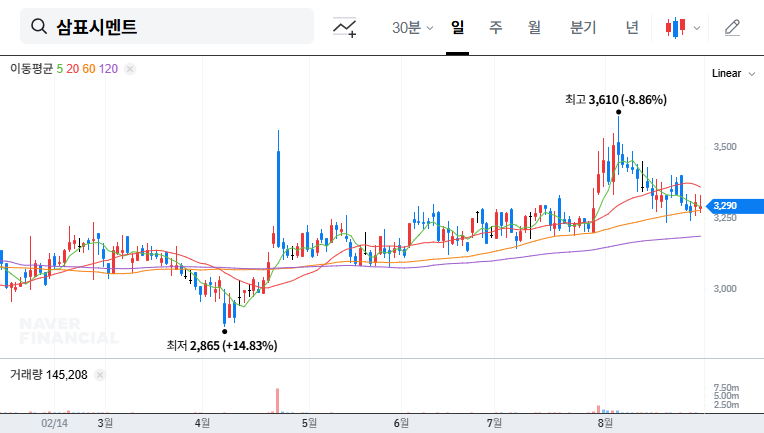
    SamPyo Cement Stock Forecast: K-Merstone's Stake Sale, What Should Investors Do? λŒ€ν‘œ 차트 이미지

    1. K-Merstone Sells 0.69%p Stake in SamPyo Cement

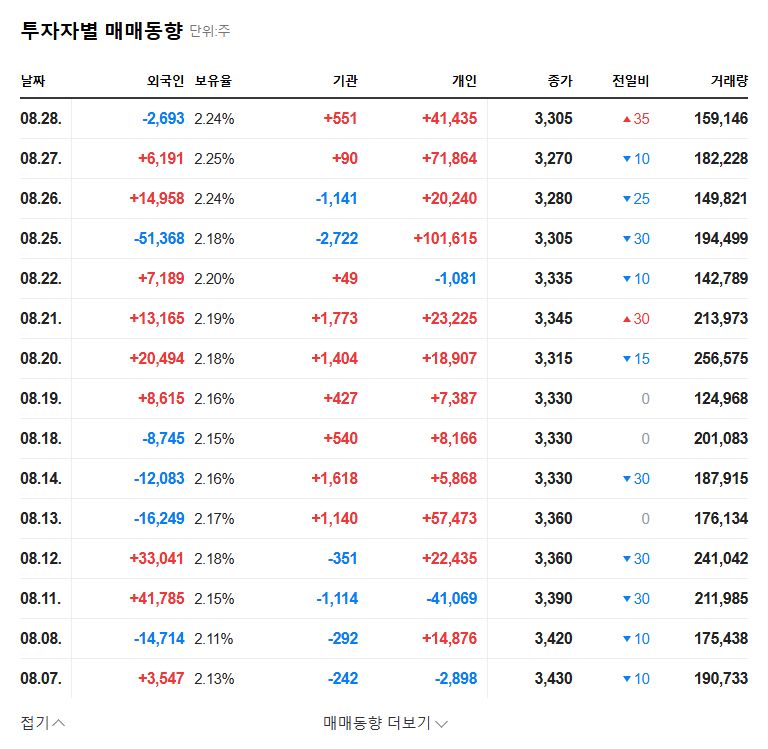
    On August 29, 2025, K-Merstone sold 0.69%p (236,579 shares) of its stake in SamPyo Cement on the open market. This reduced K-Merstone’s stake in SamPyo Cement from 9.40% to 8.71%. The reason for the sale was reportedly the termination of a stock-backed loan agreement.

    2. Background of the Sale and Impact Analysis

    K-Merstone held a stake in SamPyo Cement for the purpose of ‘management influence’. While the possibility of a short-term change in management control is low due to this sale, the possibility of further stake changes cannot be ruled out. The market may interpret this sale as a negative signal, which could impact investor sentiment.

    3. SamPyo Cement Fundamentals and Future Outlook

    As of the first half of 2025, SamPyo Cement maintained solid operating profit despite a decline in sales in the cement sector. However, deterioration in profitability of the ready-mixed concrete division, volatility in coal prices and exchange rates could negatively impact future earnings. Positive factors include the government’s expansion of SOC investment and expansion of eco-friendly businesses.

    4. Investor Action Plan

    • Investors should continuously monitor K-Merstone for any further stake changes.
    • It is important to understand management’s position on this stake sale and their efforts to secure future management stability.
    • Investment decisions should be made by comprehensively considering the impact of this event along with fundamental analysis results.

    Frequently Asked Questions

    Will K-Merstone’s stake sale significantly impact SamPyo Cement’s stock price?

    The possibility of an immediate stock price crash is low due to the small volume of the sale, but it could lead to a deterioration in investor sentiment. Future trends need to be monitored.

    Is it okay to invest in SamPyo Cement?

    SamPyo Cement maintains a solid fundamental, but there are also risks associated with external variables. Careful analysis is required before making investment decisions.

    What is the future outlook for SamPyo Cement’s stock price?

    Stock prices can fluctuate depending on various factors such as construction market conditions, raw material prices, and interest rate and exchange rate volatility. Continuous monitoring of expert analysis and market conditions is necessary.

    SamPyo Cement Stock Forecast: K-Merstone's Stake Sale, What Should Investors Do? κ΄€λ ¨ 이미지
    SamPyo Cement Stock Forecast: K-Merstone's Stake Sale, What Should Investors Do? κ΄€λ ¨ 이미지
  • Union Corporation (000910) Q2 2025 Earnings Analysis: Back to Black, but Sustainable Growth?

    1. What Happened? Union’s Q2 2025 Performance

    Union reported an operating profit of KRW 2.68 billion and a net profit of KRW 4.82 billion in Q2 2025, achieving a turnaround. Growth in ferrite and ceramics segments was notable, while the cement business maintained stable revenue. Financial health also improved, but increased short-term borrowings warrant attention.

    2. Why Did This Happen? Drivers of the Turnaround

    The ferrite business benefited from rising demand for electric vehicles and home appliances, while the ceramics segment saw strong performance due to increased demand from downstream industries. The return to operating profitability can be attributed to efficient management and cost reduction efforts.

    3. What’s Next? Future Outlook and Growth Potential

    The expanding electric vehicle market and eco-friendly policies are expected to positively impact Union’s ferrite and ceramics businesses. The cement segment should provide a stable revenue base. However, raw material price and exchange rate volatility, and potential slowdown in the construction sector, pose risks.

    4. What Should Investors Do? Investment Strategies

    • Positive Factors: Return to profitability, ferrite/ceramics growth, improved financial health
    • Negative Factors: Declining revenue, increased short-term borrowings, sensitivity to external factors

    Before investing, carefully consider factors such as exchange rate and raw material price fluctuations, short-term debt management, and expansion strategies for ferrite and ceramics businesses. Ongoing attention to downstream industry trends and government policy changes is also crucial.

    Frequently Asked Questions

    What are Union Corporation’s main businesses?

    Union Corporation operates in cement, ferrite, and ceramics manufacturing, as well as environmental machinery.

    What are the key takeaways from the Q2 2025 earnings?

    The company returned to profitability with both operating and net income turning positive. Growth in ferrite and ceramics segments was a highlight.

    What should investors be aware of when considering Union Corporation?

    Investors should consider the declining revenue trend, increased short-term borrowings, and the company’s sensitivity to raw material prices and exchange rate fluctuations.

  • Asia Cement’s H1 2025 Earnings: Beat Expectations, But Is There a Catch?

    1. Asia Cement’s H1 2025 Performance: What Happened?

    Asia Cement recorded sales of KRW 284.3 billion, operating profit of KRW 40.5 billion, and net income of KRW 23.5 billion in the first half of 2025. While sales and operating profit surpassed market expectations, net income fell slightly short.

    2. Analyzing Positive and Negative Factors: Why These Results?

    • Positive Factors:
      • Sales and operating profit exceeding market expectations
      • Improved debt-to-equity ratio (95.7%)
      • Stable business structure and diversified portfolio
    • Negative Factors:
      • Continued construction market downturn and PF risks
      • Volatility in raw material prices and exchange rates
      • Weak performance of subsidiaries and increased inventory
      • Deterioration of operating cash flow and financial cost burden

    3. Investment Strategy: What Should Investors Do?

    While the short-term outlook remains uncertain due to the construction market downturn, the company’s efforts to improve earnings and its improved financial structure are positive. It’s crucial to monitor the construction market, raw material prices, and the performance of subsidiaries when making investment decisions. Further research, including analysis of cost management strategies, eco-friendly product development, and competitor analysis, is essential for informed investment decisions.

    4. Investor Action Plan

    If you are considering investing in Asia Cement, you should continuously monitor the following:

    • Construction market indicators and government policy changes
    • Fluctuations in raw material prices and exchange rates
    • Competitors’ performance and market share changes
    • Progress and results of Asia Cement’s new business initiatives

    Frequently Asked Questions

    What is Asia Cement’s main business?

    Their primary business is the manufacturing and sale of cement and ready-mixed concrete. They also operate related construction material businesses.

    What are the key takeaways from their H1 2025 earnings?

    Sales and operating profit exceeded market expectations, but net income fell slightly short. This is considered a solid performance given the downturn in the construction sector.

    What are the key risks to consider when investing in Asia Cement?

    Investors should consider the risks of a prolonged downturn in the construction market, volatility in raw material prices, and the weak performance of subsidiaries.

  • Asia Cement (002030) Q2 2025 Earnings: A Turnaround Story?

    1. Asia Cement Q2 2025 Earnings: Key Highlights

    Asia Cement reported revenue of KRW 502.2 billion, operating profit of KRW 51 billion, and net income of KRW 33.9 billion in Q2 2025, achieving a successful return to profitability. This performance surpasses the company’s total revenue for the previous year.

    2. Drivers of the Turnaround: Segment Analysis

    The positive shift is attributed to improved cost management and efficiency in the cement segment, along with consistent performance in the paper business. Notably, the cement division leveraged its technological competitiveness and landmark project wins to achieve profitability.

    • Cement Business: Improved cost management and successful landmark projects
    • Paper Business: Steady demand driven by growth in online shopping
    • Other Businesses: Growth drivers including Wooshin Venture Investment and Gyeongju World

    3. Key Investment Strategies for Investors

    Short-term, positive momentum is expected following the earnings announcement. However, investors should be mindful of risks such as fluctuations in international oil prices and exchange rates, as well as potential slowdown in the construction sector. Long-term, focus on the company’s diversification strategy and its ability to maintain technological competitiveness.

    • Short-Term Strategy: Potential for stock price appreciation following positive earnings.
    • Long-Term Strategy: Focus on diversification and technological competitiveness.
    • Risk Management: Monitor fluctuations in raw material prices, exchange rates, and construction sector performance.

    Frequently Asked Questions

    What are Asia Cement’s main business segments?

    Asia Cement primarily operates in the cement, ready-mixed concrete, paper, and corrugated cardboard sectors. They also have diversified holdings including Wooshin Venture Investment and Gyeongju World.

    What were the key highlights of the recent earnings release?

    Asia Cement returned to profitability, reporting revenue of KRW 502.2 billion, operating profit of KRW 51 billion, and net income of KRW 33.9 billion in Q2 2025.

    What are the key risks to consider when investing in Asia Cement?

    Investors should be aware of external factors like fluctuations in international oil prices and exchange rates, and the potential for a slowdown in the construction industry. Careful analysis is recommended before investing.

  • Kangdong C&L’s H1 2025 Earnings: Navigating Challenges and Opportunities

    1. Kangdong C&L’s H1 2025 Performance: What Happened?

    Kangdong C&L reported sales of KRW 30.8 billion (down 34.9% YoY), operating profit of KRW 2 billion (turned to profit), and a net loss of KRW 0.3 billion (turned to loss) in H1 2025. The decline in sales was primarily due to reduced cement sales volume caused by the construction slowdown and sluggish leisure business performance. Cost reduction efforts led to operating profit, but increased financial expenses and investment losses resulted in a net loss.

    2. Reasons for the Decline: Why These Results?

    • Cement Industry Downturn: The construction slowdown and difficulties in material supply negatively impacted the overall cement industry.
    • Intensified Competition: Declining market share (estimated at 0.5% in 2025) indicates weakening competitiveness for Kangdong C&L.
    • High Debt Ratio: The high debt ratio of 225.55% (as of H1 2025) poses a financial risk.

    3. Positive Factors and Investment Points: What’s Next?

    • Regional Specialization Strategy: As the only Portland cement producer in the South Chungcheong and southern regions, Kangdong C&L maintains a competitive edge in the local market.
    • Improved Production Efficiency: The sale of the Gwangyang plant and the operation of the Mokpo plant enhance production efficiency.
    • Leisure Business: Efforts to improve profitability and secure new growth engines aim for a turnaround.

    4. Action Plan for Investors: Investment Strategy?

    Despite the current challenges, Kangdong C&L shows positive factors like regional specialization and improved production efficiency. Investors should closely monitor the following:

    • Timing of construction recovery and cement demand changes
    • Profitability improvement in the leisure business
    • Efforts to improve financial structure, including debt reduction
    • New management’s business strategies and execution capabilities

    From a mid- to long-term perspective, it’s advisable to consider investment opportunities while observing the potential recovery of the cement industry and the company’s restructuring efforts.

    Q: How did Kangdong C&L perform in the first half of 2025?

    A: Kangdong C&L reported sales of KRW 30.8 billion (down 34.9% YoY), operating profit of KRW 2 billion (turned to profit), and a net loss of KRW 0.3 billion (turned to loss) in H1 2025.

    Q: What is Kangdong C&L’s main business?

    A: Kangdong C&L’s primary business is the manufacturing and sale of cement. They also operate a leisure business segment.

    Q: What are the key points to consider when investing in Kangdong C&L?

    A: Careful investment decisions are necessary, considering factors such as high debt ratio, downturn in the cement industry, and intensified competition.

  • Hanil Cement Q2 2025 Earnings Analysis: Revenue Beats Expectations, But Profits Fall Short

    1. What Happened? Hanil Cement’s Q2 2025 Earnings Release

    Hanil Cement announced its Q2 2025 earnings on August 13, 2025. Revenue reached β‚©407.6 billion, exceeding expectations by 9%. However, operating profit and net profit were β‚©47.4 billion and β‚©24 billion, respectively, falling short of projections by 26% and 47%.

    2. Why Did This Happen? Analyzing the Earnings Miss

    The disappointing profit figures are attributed to a prolonged downturn in the construction market, volatile raw material prices, and decreased capacity utilization in the cement segment, leading to lower production efficiency.

    3. What’s Next? Outlook and Investment Strategies

    On the positive side, the growth of the ready-mix mortar (Remital) business and the anticipated synergy from the merger with Hanil Hyundai Cement offer potential upside. However, the possibility of continued profit decline, macroeconomic uncertainties, and the uncertain timing and magnitude of merger synergies remain key risk factors.

    • Strengths: Stable business portfolio, Remital business growth, potential merger synergies
    • Weaknesses: Declining profitability, macroeconomic uncertainties, uncertain merger synergies

    4. What Should Investors Do? Action Plan

    Investors should be cautious of short-term stock price volatility and closely monitor the realization of post-merger synergies, construction market recovery, and cost management efficiency. In the long term, Hanil Cement’s ESG initiatives and R&D investments also warrant careful observation.

    Frequently Asked Questions

    What was Hanil Cement’s revenue for Q2 2025?

    Revenue reached β‚©407.6 billion, surpassing market expectations by 9%.

    Why did operating profit miss expectations?

    The miss was primarily due to a prolonged downturn in the construction market, fluctuating raw material prices, and reduced capacity utilization in the cement segment.

    What is the outlook for Hanil Cement?

    The outlook is mixed. While growth in the Remital business and potential merger synergies are positive, persistent profit declines and macroeconomic uncertainties pose risks.

  • Hanil Hyundai Cement H1 2025 Earnings Analysis: Merger Synergy vs. Construction Downturn

    1. What Happened? : Reasons for the Earnings Decline

    Hanil Hyundai Cement’s H1 2025 earnings showed a decline in both revenue and operating profit. The main cause was the sluggish demand for cement due to the construction downturn. Rising raw material prices, transportation costs, and stricter environmental regulations also contributed to the decline in profitability.

    2. Why Did This Happen? : Construction Downturn and the Cement Industry

    The cement industry is highly sensitive to fluctuations in the construction market. The construction downturn that began in 2024 directly impacted Hanil Hyundai Cement’s performance. Uncertainties in the macroeconomic environment, including interest rate hikes and volatile raw material prices, also put pressure on the cement industry.

    3. What’s Next? : Merger Synergy and Future Outlook

    The merger with Hanil Cement is a crucial factor for Hanil Hyundai Cement’s future. If synergy effects are realized in production, distribution, and R&D, it is expected to strengthen competitiveness and secure growth momentum. Economies of scale and improved operational efficiency are also anticipated. However, external uncertainties remain, including the timing of the construction market recovery and the stabilization of raw material prices.

    4. What Should Investors Do? : Investment Strategy

    The current investment recommendation is ‘Neutral’. Short-term stock price volatility is expected, but the merger synergy effect can be anticipated from a mid-to-long-term perspective. Investors should closely monitor the timing of the construction market recovery, the progress of the merger, and fluctuations in raw material prices.

    Frequently Asked Questions

    What are the main reasons for Hanil Hyundai Cement’s poor performance in the first half of 2025?

    A combination of factors, including decreased cement demand due to the construction downturn, rising raw material prices, increased transportation costs, and stricter environmental regulations, contributed to the decline.

    What is the significance of the merger with Hanil Cement?

    The merger is expected to strengthen competitiveness and secure growth momentum through synergy effects in production, distribution, and R&D. Economies of scale and improved operational efficiency are also anticipated.

    What is the outlook for Hanil Hyundai Cement?

    While synergy effects from the merger could lead to improved performance, the recovery of the construction market is a key variable. Investors should continuously monitor relevant factors.

  • Kangdong C&L Treasury Stock Disposal: Impact on Stock Price (August 2025 Analysis)

    1. What Happened? : Treasury Stock Disposal Decision

    Kangdong C&L decided to dispose of 23,000 common shares (0.04% of total shares) on August 11, 2025, to pay employee bonuses.

    2. Why This Decision? : Background and Purpose of the Disposal

    The purpose of this treasury stock disposal is to pay employee bonuses. As the number of disposed shares is only 0.04% of the total shares, it is expected to have little impact on the company’s financial structure.

    3. So What? : Impact of Treasury Stock Disposal

    Given the small volume of disposal and the clear purpose, the short-term impact of this treasury stock disposal on the stock price is expected to be limited. However, fundamental issues such as weak Q1 2025 earnings, declining profitability of the cement business, investment burden of the leisure business, and high debt ratio are still important factors in investment decisions.

    4. What Should Investors Do? : Action Plan

    The current investment opinion is ‘Neutral’. While short-term stock price volatility is not expected to be significant, investors should closely monitor the turnaround of the cement business, growth of the leisure business, and improvement in financial soundness over the medium to long term. It is important to continuously monitor future earnings announcements, financial structure improvement plans, and changes in macroeconomic indicators.

    Frequently Asked Questions

    Does treasury stock disposal have a negative impact on the stock price?

    The impact of this disposal is limited due to its small scale. However, the company’s fundamentals should also be considered.

    What is the outlook for Kangdong C&L?

    The key factors are the growth of the leisure business, turnaround of the cement business, and improvement in financial structure.

    What should investors pay attention to when investing?

    Investors should monitor earnings announcements, financial structure improvement plans, and changes in macroeconomic indicators.