Tag: CBs

  • (032790) Mzen Solution Convertible Bond Sell-Off: A Deep Dive Financial Analysis (032790)

    (032790) Mzen Solution Convertible Bond Sell-Off: A Deep Dive Financial Analysis (032790)

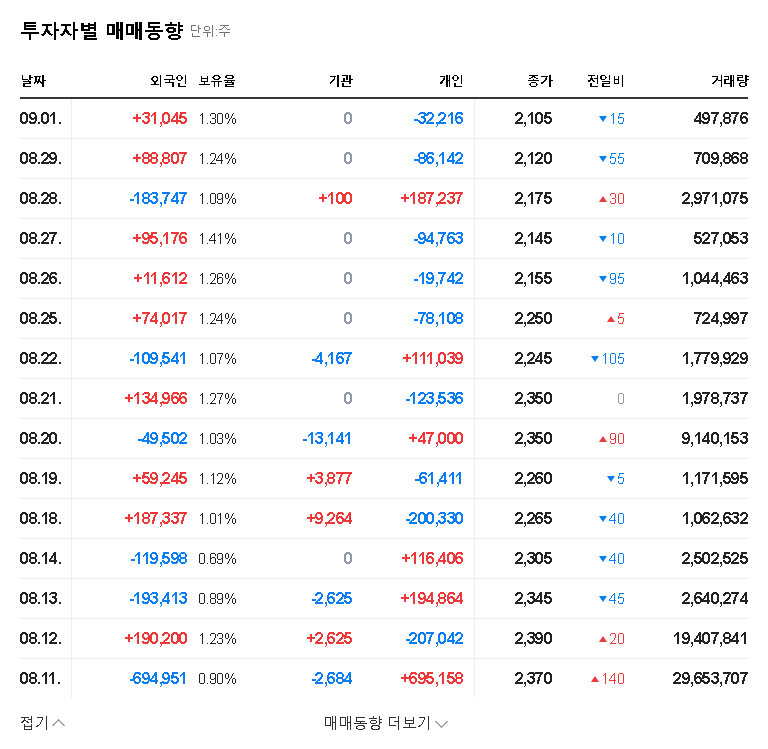
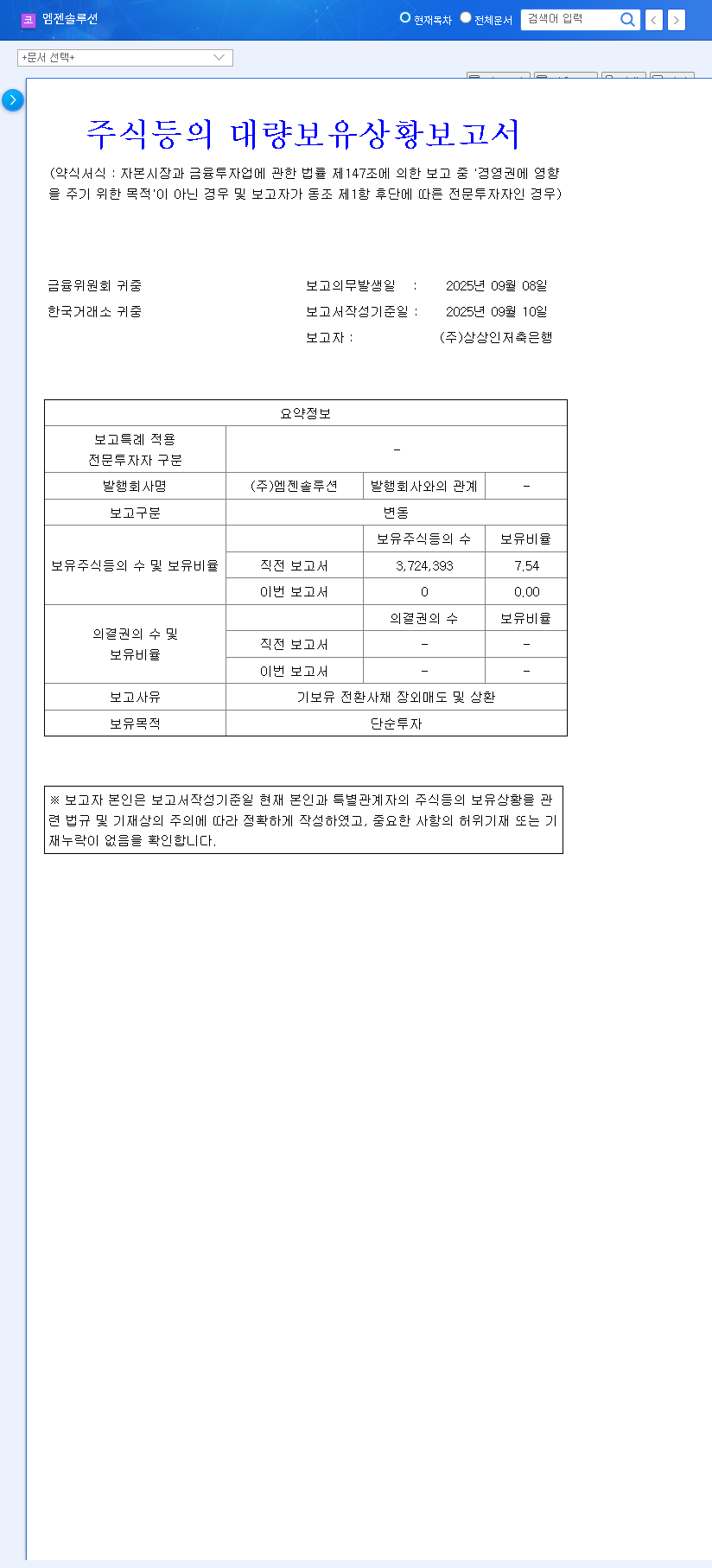
    The recent Mzen Solution convertible bond sell-off has sent ripples through the investment community, raising critical questions about the company’s future. On October 2, 2025, a significant disclosure revealed that Sangsangin Savings Bank and its affiliate had completely divested their 7.54% stake, held as convertible bonds. This move, especially given Mzen Solution’s (KRX: 032790) pre-existing financial struggles, could be a major red flag.

    Is this a sign of an impending crisis, or could there be a hidden opportunity for savvy investors? This comprehensive financial analysis will deconstruct the event, examine Mzen Solution’s fundamentals, and provide a clear outlook to help you make informed decisions about your investment strategy.

    The Catalyst: A Massive Convertible Bond Divestment

    Sangsangin Savings Bank Exits Completely

    The event was formally announced through a regulatory filing. According to the Official Disclosure available on DART (view report here), Sangsangin Savings Bank and Sangsangin Plus Savings Bank sold or redeemed their entire holding of Mzen Solution’s convertible bonds. This action reduced their substantial 7.54% stake to zero.

    While the stated purpose for holding these bonds was ‘simple investment,’ the complete liquidation by an institutional investor is rarely a simple matter. It often signals a loss of confidence in the company’s ability to generate returns or, more worrisomely, concerns about its underlying financial stability. For a detailed explanation of how these instruments work, Investopedia offers excellent resources on convertible bonds.

    When an institutional investor quietly exits through a large-scale bond sell-off, the market pays close attention. It’s often a louder signal than any press release.

    Financial Health Under the Microscope: A Troubling Picture

    The significance of the Mzen Solution convertible bond event is amplified by the company’s precarious financial state. The Q1 2025 semi-annual report paints a picture of a company facing severe headwinds across multiple fronts.

    Deepening Losses and High Debt

    The core financials reveal significant weaknesses that can no longer be ignored. Understanding these metrics is key to grasping the full scope of the company’s challenges. If you’re new to these terms, you might find our guide on understanding key financial ratios helpful.

    • Widening Losses: The company recorded significant operating and net losses. The crucial ICT division, a primary revenue driver, saw its performance decline, dragging down the entire consolidated result.
    • High Leverage: Total equity has decreased while debt has mounted. The debt-to-equity ratio stands at a concerning 68.98%, with a net debt ratio of 36.89%, largely due to previous convertible bond issuances and operational borrowing.
    • Negative Cash Flow: Operating cash flow was negative, a critical warning sign that the company is spending more to run its business than it is bringing in, potentially leading to liquidity problems.
    • Struggling Business Units: Beyond ICT, the printer and electronics businesses face intense competition and slowing markets. Meanwhile, the much-anticipated Bio business has yet to generate any significant revenue, remaining a cost center.

    Investor Impact: Decoding the Sell-Off Signal

    The large-scale sale of convertible bonds is not a neutral event. It creates a complex set of consequences for Mzen Solution’s stock and its perceived corporate value, with the negatives far outweighing any potential positives.

    Primary Negative Implications

    • Erosion of Market Trust: The exit of a major institutional investor is a powerful vote of no confidence. It will likely amplify existing investor anxiety about Mzen’s future, making it harder to attract new capital.
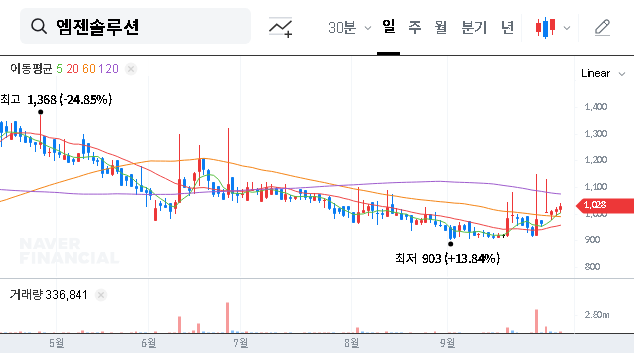
    • Increased Stock Volatility: The sale introduces uncertainty about who now holds these bonds and when they might be converted into stock. This overhang can lead to fears of share dilution and cause erratic swings in the Mzen Solution stock price.
    • Spotlight on Financial Burden: This event serves as a stark reminder of the financial obligations tied to the company’s debt instruments. It highlights ongoing risks related to conversion price adjustments and derivative liability valuations, which can further impact the balance sheet.

    Comprehensive Assessment and Investor Outlook

    Path Forward: A Prudent Approach is Essential

    Given the combination of poor fundamentals and the negative signal from the Mzen Solution convertible bond sale, the short-term outlook is likely to be negative. The event has illuminated the company’s financial vulnerabilities, which could continue to dampen investor sentiment and exert downward pressure on the stock price.

    For Mzen Solution, the path forward requires decisive action. The company must prioritize transparent communication about its debt, accelerate efforts to improve profitability in its core ICT business, and establish a clear, viable plan for financial stabilization.

    Recommendations for Investors

    For current and potential investors, caution is paramount. A prudent and highly selective investment approach is required. It is crucial to:

    • Monitor Closely: Keep a watchful eye on upcoming financial reports, business progress updates, and any further disclosures related to its debt structure.
    • Analyze Market Reactions: Pay attention to how the broader market digests this news and any subsequent announcements.
    • Seek Professional Advice: This analysis is for informational purposes only. Given the high-risk profile, consulting with a qualified financial advisor before making any investment decisions is strongly recommended.
    (032790) Mzen Solution Convertible Bond Sell-Off: A Deep Dive Financial Analysis (032790) 관련 이미지
  • HLB Issues ₩20B Convertible Bonds: Impact on Investors


    HLB Issues ₩20B Convertible Bonds: Impact on Investors 대표 차트 이미지


    HLB Issues ₩20 Billion in Convertible Bonds: What Happened?

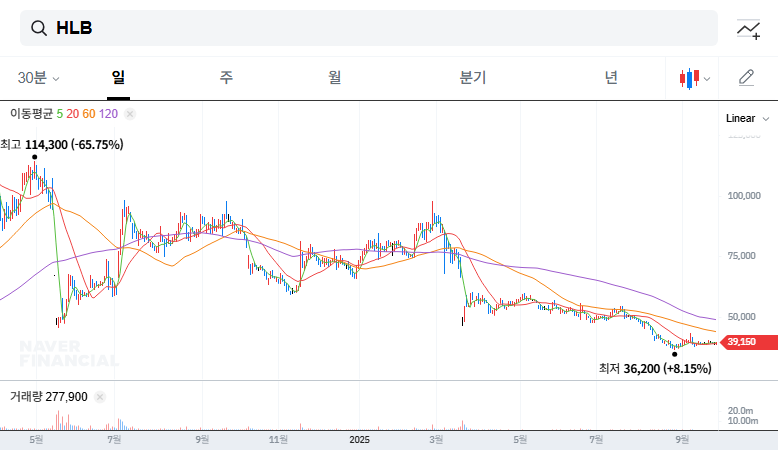
    HLB announced on September 24, 2025, that it would issue ₩20 billion in private placement convertible bonds (CBs). Key terms include a coupon rate of 1.0%, a maturity rate of 4.0%, and a conversion price of ₩38,822. Payment is scheduled for October 2, 2025.

    Why the CB Issuance?

    HLB aims to secure funds for the development of new drugs, including rivoceranib, through this CB issuance. This is expected to contribute to accelerating R&D and ensuring stable business operations.

    So, What’s the Impact on the Stock Price?

    • Positive Impacts:
      • Securing operating funds positively impacts new drug development and business activities.
      • Expected diversification of investors and improvement of financial structure.
      • Current stock price (₩1,797) significantly lower than the conversion price (₩38,822), mitigating immediate dilution concerns.
    • Potential Negative Impacts:
      • Possibility of stock dilution if the stock price rises and CBs are converted.
      • Interest expense burden with a coupon rate of 1.0% and a maturity rate of 4.0%.
      • Continued uncertainty about the success of the bio business.

    What Should Investors Do?

    Consider HLB’s new drug development performance and future stock price trends rather than just the CB issuance itself.

    • Continuously monitor updates on rivoceranib’s FDA approval.
    • Monitor stock price movements relative to the conversion price (₩38,822).
    • Keep an eye on interest rate trends.
    • Check the performance of other business segments, such as healthcare and shipping.

    This analysis is not investment advice. Investment decisions should be based on your own judgment.


    Frequently Asked Questions (FAQ)

    What are convertible bonds (CBs)?

    Convertible bonds are bonds that pay interest like regular bonds but also give the holder the right to convert them into shares of the issuing company’s stock under certain conditions.

    Could HLB’s CB issuance negatively affect the stock price?

    Yes, the conversion of CBs into shares can dilute the value of existing shares. This is especially true if the share price exceeds the conversion price, increasing the likelihood of conversion and leading to an increase in the number of outstanding shares.

    What is the most important factor to consider when investing in HLB?

    The progress of major new drug development pipelines, including rivoceranib, and FDA approval status. This is the factor that has the greatest impact on HLB’s fundamentals.


    HLB Issues ₩20B Convertible Bonds: Impact on Investors 관련 이미지


  • UNICHEM Issues ₩6.1B Convertible Bonds: Fueling Growth in the K-Content Market?


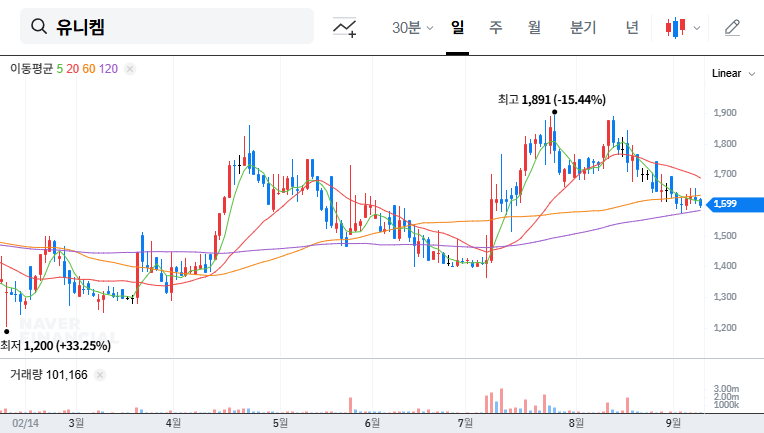
    UNICHEM Issues ₩6.1B Convertible Bonds: Fueling Growth in the K-Content Market? 대표 차트 이미지


    UNICHEM’s ₩6.1 Billion Convertible Bond Issuance: What Happened?

    On September 8, 2025, UNICHEM announced its decision to issue ₩6.1 billion in convertible bonds. The conversion price is set at ₩1,656, with a 0% coupon rate and a 3.0% maturity rate. Conversion will be available starting September 16, 2026. The funds raised will be used to invest in and operate UNICHEM’s burgeoning K-content business.

    Why Issue Convertible Bonds? – Expanding into the Content Market

    Facing slowing growth in its traditional leather business, UNICHEM is actively investing in the entertainment and content industry to secure new growth engines. With the goal of producing two dramas in 2026, this CB issuance will provide essential funding for content creation, talent acquisition, and other related expenses.

    How Will This Impact UNICHEM’s Stock Price?

    • Positive Aspects: Increased growth potential through investment in the content market. Reduced interest expenses due to the low coupon rate.
    • Potential Risks: Current stock price is below the conversion price, making immediate conversion unlikely. Uncertainty surrounding the success of the content business. Potential for future stock dilution (though the amount is relatively small compared to the current market capitalization).

    Key Considerations for Investors – Essential Checkpoints

    • Monitor Content Business Performance: Closely track drama production progress and market reception.
    • Manage Stock Volatility: Be prepared for potential stock price fluctuations due to conversion possibilities and market conditions.
    • Foreign Exchange Risk: Consider the potential impact of foreign exchange fluctuations on raw material imports and content exports.


    Frequently Asked Questions (FAQ)

    What are convertible bonds?

    Convertible bonds (CBs) are hybrid securities that offer investors the option to receive interest payments like a bond or convert them into shares of the issuing company’s stock. This allows investors to benefit from potential stock price appreciation while enjoying the relative safety of a bond.

    What is the purpose of UNICHEM’s convertible bond issuance?

    UNICHEM plans to use the proceeds from this CB issuance to fund investments and operations in the K-content market. Specifically, the company aims to produce and distribute two dramas in 2026.

    How will this impact UNICHEM’s stock price?

    In the short term, the current stock price being below the conversion price makes immediate conversion unlikely, and there are concerns about potential dilution. However, in the long term, the success of UNICHEM’s content ventures could drive stock price appreciation.


    UNICHEM Issues ₩6.1B Convertible Bonds: Fueling Growth in the K-Content Market? 관련 이미지
    UNICHEM Issues ₩6.1B Convertible Bonds: Fueling Growth in the K-Content Market? 관련 이미지


  • HLB Global Issues KRW 3 Billion Convertible Bonds: Liquidity Boost or Share Dilution Risk?


    HLB Global Issues KRW 3 Billion Convertible Bonds: Liquidity Boost or Share Dilution Risk? 대표 차트 이미지


    HLB Global’s KRW 3 Billion Convertible Bond Issuance: What’s Happening?

    HLB Global announced on September 5, 2025, its decision to issue KRW 3 billion worth of privately offered convertible bonds (CBs). This move is part of the company’s funding strategy, aimed at securing short-term liquidity.

    HLB Global’s Current Situation and the Rationale Behind the CB Issuance: Why Now?

    HLB Global is currently facing a challenging business environment, marked by a sharp decline in sales and a shift to net losses. The decision to discontinue its resource development business further underscores these difficulties. In this context, the CB issuance is interpreted as a necessary measure to secure short-term funding.

    Impact of the CB Issuance on Investors: What Does it Mean?

    • Potential Benefits: Securing short-term liquidity, potential improvement in financial structure upon conversion, investment incentive if stock price rises.
    • Potential Drawbacks: Share dilution potential, interest expense burden, additional burden if conversion price falls, minimal impact on short-term fundamentals, transparency issues with private placements.

    Investor Action Plan

    Considering HLB Global’s current fundamentals, we assess this CB issuance as a neutral or slightly negative event. Our investment recommendation is Sell with Caution.

    • Monitor the CB conversion status and stock price trends.
    • Observe the company’s potential for business turnaround.
    • Keep track of changes in the macroeconomic environment.

    Disclaimer: This report is not an investment recommendation and does not carry any legal weight. Investment decisions should be made based on the investor’s own judgment and responsibility.


    Frequently Asked Questions (FAQ)

    What are convertible bonds (CBs)?

    Convertible bonds are a type of debt security that gives the holder the option to convert them into a predetermined number of shares of the issuer’s common stock. Investors can receive interest payments like a regular bond or convert the bonds into shares if the stock price rises.

    Why could HLB Global’s CB issuance negatively impact its stock price?

    If the CBs are converted into shares, the number of outstanding shares increases, potentially diluting the value of existing shares. Additionally, the company must pay interest on the CBs, which can increase its financial burden.

    What investment strategy should I consider for HLB Global?

    Given HLB Global’s current financial situation, investors should exercise caution. It’s crucial to closely monitor the CB conversion status, the company’s potential for a business turnaround, and changes in the macroeconomic environment before making any investment decisions.


    HLB Global Issues KRW 3 Billion Convertible Bonds: Liquidity Boost or Share Dilution Risk? 관련 이미지
    HLB Global Issues KRW 3 Billion Convertible Bonds: Liquidity Boost or Share Dilution Risk? 관련 이미지


  • Hanjung NCS Issues ₩15 Billion in Convertible Bonds: Investment Opportunity or Risk?

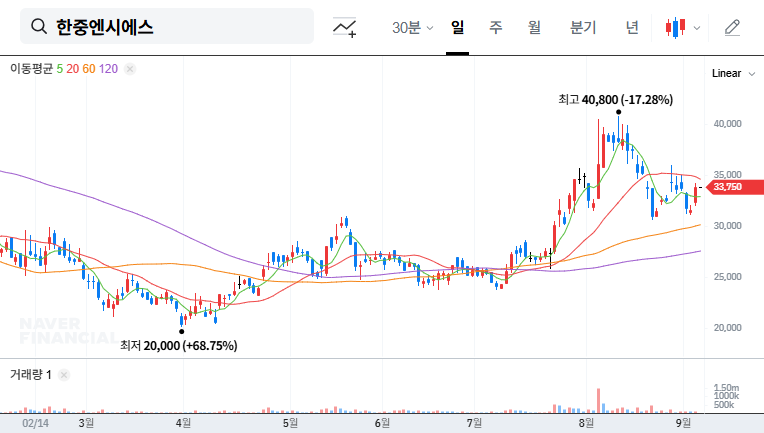
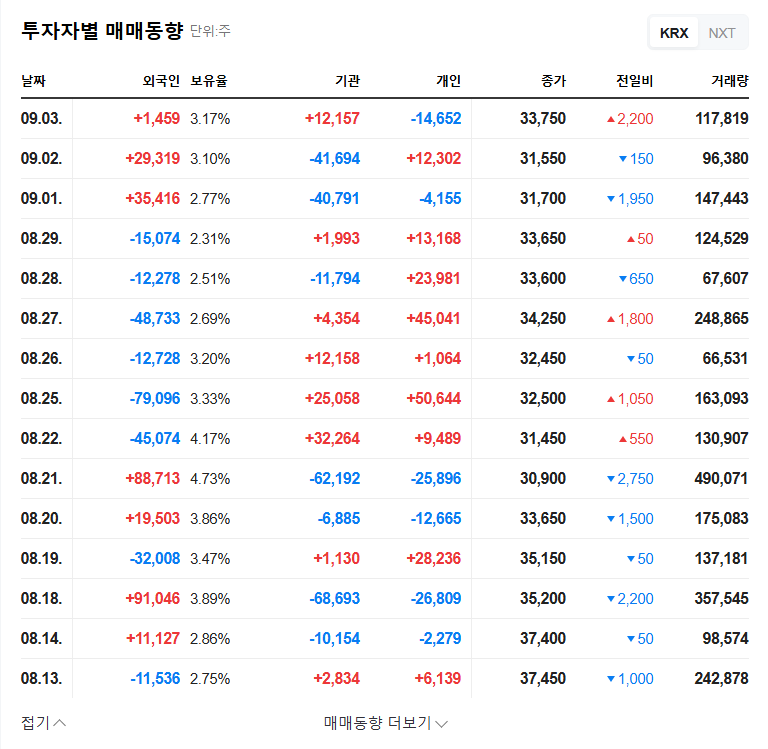
    Hanjung NCS Issues ₩15 Billion in Convertible Bonds: Investment Opportunity or Risk? 대표 차트 이미지

    1. What Happened? : ₩15 Billion Convertible Bond Issuance

    Hanjung NCS announced a private placement of ₩15 billion in convertible bonds (CBs) on September 3, 2025. The funds will be used for investments in ESS and EV projects, R&D, and operating expenses.

    2. Why? : Securing Funds for Growth Momentum

    Hanjung NCS is actively investing in expanding its ESS and EV components business overseas. The company needs funding for establishing a new ESS production subsidiary in the US, converting the ESS production line in its Chinese subsidiary, and securing future growth momentum. The CB issuance is a strategy to secure these necessary funds.

    3. What’s the Impact? : Opportunities and Risks

    Positive Aspects

    • • Increased Investment in Growth Industries: Capitalizing on high growth potential of ESS and EV markets.
    • • Potential Improvement in Financial Structure: Decreased debt ratio upon conversion of CBs to equity.

    Negative Aspects

    • • Potential Stock Dilution: Dilution of existing shareholder value upon conversion of CBs to equity.
    • • Interest Expense Burden: Incurring interest expenses until maturity (0% coupon rate, 1.0% maturity rate).
    • • Increased Financial Burden if Performance Remains Weak: Increased repayment burden if current trend of poor profitability continues.

    4. What Should Investors Do? : Key Investment Points and Strategies

    Investors should consider both the short-term liquidity benefits and the potential for stock dilution. The key investment points are the improvement of the company’s fundamentals and the actual performance of its ESS and EV businesses. Careful monitoring of quarterly earnings announcements, overseas business progress, and the conversion of CBs is crucial. The current investment opinion is ‘Neutral (Watchlist).’

    Frequently Asked Questions

    What are Convertible Bonds (CBs)?

    Convertible bonds (CBs) are bonds that give the holder the right to convert them into a predetermined number of shares of the issuing company’s common stock after a specified period. Investors can receive interest like a bond or convert them into stock to capitalize on potential price appreciation.

    How will the issuance of CBs affect Hanjung NCS’s stock price?

    In the short term, there may be a positive impact due to the influx of funds. However, in the long term, if the CBs are converted into stock, there is a possibility of stock dilution due to the increased number of shares.

    Should I invest in Hanjung NCS?

    Currently, the outlook is neutral. While the growth potential of the ESS and EV markets is positive, the continuing poor performance is a concern. Carefully review the company’s future performance and business progress before making an investment decision.

    Hanjung NCS Issues ₩15 Billion in Convertible Bonds: Investment Opportunity or Risk? 관련 이미지
    Hanjung NCS Issues ₩15 Billion in Convertible Bonds: Investment Opportunity or Risk? 관련 이미지
  • Samgi Energy Solutions Issues ₩30B in Convertible Bonds: Impact on Stock Price (September 2025 Analysis)

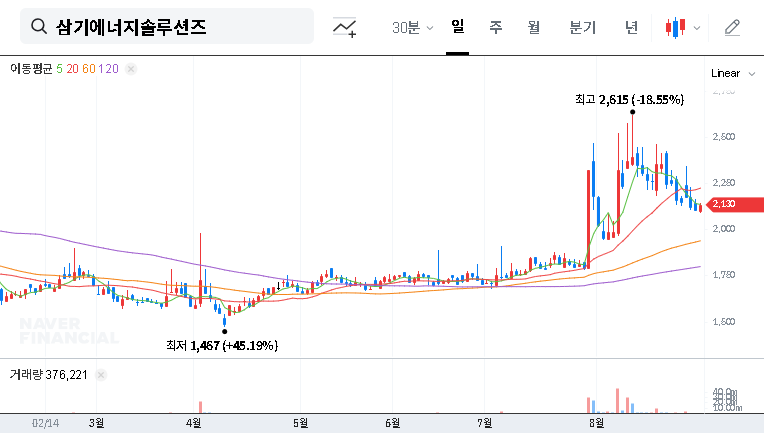
    Samgi Energy Solutions Issues ₩30B in Convertible Bonds: Impact on Stock Price (September 2025 Analysis) 대표 차트 이미지

    1. CB Issuance: What Happened?

    Samgi Energy Solutions will issue ₩30 billion in private convertible bonds (CBs). The conversion price is set at ₩2,237, the maturity rate is 1.0%, and conversion is possible from September 2026.

    2. Why the CB Issuance?: Background and Objectives

    This CB issuance is interpreted as a strategic fundraising effort to strengthen growth drivers, including investments in new businesses, research and development, and securing operating funds. At this juncture, with the company having returned to profitability and pursuing new business expansion, including electric vehicle components, securing additional funds could further accelerate growth momentum.

    3. Impact of CB Issuance on Stock Price

    • Short-term Impact: The positive effects of fundraising coexist with downward pressure on the stock price due to overhang concerns. The fact that the conversion price is higher than the current market price suggests caution is needed regarding initial market reactions.
    • Mid- to Long-term Impact: Upon conversion of the CBs, capital increase can lead to improved financial structure. However, the possibility of dilution effects upon conversion should also be considered. The likelihood of conversion increases with future stock price appreciation, and the gap between the current price and the lowest conversion price suggests potential for further upside.

    4. Investor Action Plan

    • Gather Information: Carefully review information regarding the company’s purpose for the CB issuance, fund utilization plans, and expected investment performance.
    • Monitor Stock Price: Continuously monitor the relationship between the conversion price and current stock price, as well as market reactions, and adjust your investment strategy accordingly.
    • Evaluate Company Value: Re-evaluate the company’s future value, considering the CB issuance and new business ventures, and make informed investment decisions.
    What are convertible bonds (CBs)?

    Convertible bonds (CBs) are a type of bond that gives the holder the option to convert them into a predetermined number of shares of the issuing company’s common stock after a specified period.

    Does issuing convertible bonds only have negative impacts on stock prices?

    No. While there can be downward pressure on stock prices in the short term due to overhang concerns, in the long term, convertible bonds can lead to strengthened growth drivers and improved financial structure through successful fundraising.

    Is Samgi Energy Solutions’ CB issuance positive or negative?

    It has both positive and negative aspects. The CB issuance serves as a positive step for securing funds for growth, but potential stock dilution and other factors represent potential downsides. Investors should consider all these factors comprehensively before making investment decisions.

    Samgi Energy Solutions Issues ₩30B in Convertible Bonds: Impact on Stock Price (September 2025 Analysis) 관련 이미지
    Samgi Energy Solutions Issues ₩30B in Convertible Bonds: Impact on Stock Price (September 2025 Analysis) 관련 이미지
  • T’way Air Issues ₩40 Billion Convertible Bonds: Impact on Stock Price?

    1. T’way Air Announces ₩40 Billion Convertible Bond Issuance

    T’way Air will issue ₩40 billion worth of convertible bonds through a private placement on August 21, 2025. The conversion price is set at ₩1,954, similar to the current stock price, with a coupon rate of 5.50%. Conversion requests can be made starting August 22, 2026.

    2. Why Issue Convertible Bonds?

    Despite recovering passenger demand after the COVID-19 pandemic, T’way Air is facing profitability challenges due to rising fuel costs, lease expenses, and labor costs. Its high debt-to-equity ratio also adds to its financial burden. This CB issuance is interpreted as a move to improve its financial structure and secure operating funds.

    3. Impact on Stock Price

    • Positive Impacts:
      • Short-term improvement in financial structure.
      • Increased investment appeal due to potential conversion if the stock price rises.
    • Negative Impacts:
      • Potential dilution of conversion value if the stock price falls.
      • Concerns about dilution of existing shareholders’ equity upon conversion to common stock.
      • Increased burden of interest expenses.

    4. Investor Action Plan

    Investors should carefully consider the following:

    • Stock price trends relative to the conversion price.
    • Specific details and effectiveness of the fund utilization plan.
    • Impact of macroeconomic variables such as interest rates, exchange rates, and oil prices.
    • T’way Air’s competitiveness compared to competing LCCs.

    It is crucial to focus on the potential for long-term corporate value enhancement rather than short-term stock price fluctuations and make prudent investment decisions.

    Frequently Asked Questions

    What are convertible bonds?

    Convertible bonds (CBs) are bonds that can be converted into shares of the issuing company’s stock after a certain period. Investors can receive bond interest or convert to stock to profit from stock price appreciation.

    How will T’way Air’s convertible bond issuance affect its stock price?

    In the short term, it could positively impact due to expectations of financial structure improvement, but there are concerns about conversion value dilution and equity dilution if the stock price falls.

    What are the key investment considerations?

    Investors should consider stock price trends relative to the conversion price, fund utilization plans, macroeconomic conditions, and competitiveness against other LCCs. Focusing on long-term corporate value enhancement rather than short-term gains is essential.

  • Daejin Advanced Materials Issues ₩9.3B Convertible Bonds: Impact on Stock Price and Investment Strategy

    1. What is the CB Issuance?

    Daejin Advanced Materials has decided to issue ₩9.3 billion in private convertible bonds to secure operating funds and improve its financial structure. The bonds have a 0% coupon rate and a 5.5% maturity rate, representing relatively low financing costs.

    2. Why Issue CBs?

    The company plans to utilize the raised funds for R&D investments, such as the development of electromagnetic shielding, flame-retardant, lightweight housing composite materials, and new dispersing agents for SWCNTs for cathode materials. This is interpreted as a strategy to secure future growth engines. By raising funds at a low interest cost, the company aims to minimize its financial burden while expanding investments for future growth.

    3. How Will This Impact the Stock Price?

    • Short-term impact: Given the significant gap between the current stock price (₩536) and the conversion price (₩9,349), combined with the weak Q1 2025 earnings, the CB issuance is likely to negatively impact the stock price in the short term. Although the conversion possibility is low, the potential increase in the number of shares could weigh on investor sentiment.
    • Long-term impact: If the raised funds lead to effective investments and improved earnings, a positive impact on the stock price can be expected in the long term. However, this remains highly uncertain.

    4. What Should Investors Do?

    Investors should be wary of short-term stock price volatility. Closely monitor the company’s future earnings improvements, the specific investment destinations of the CB funds, and their performance. Pay particular attention to the resolution of the sales decline and increased inventory issues from Q1 2025. Without a substantial recovery in the company’s intrinsic value, the CB issuance is likely to burden the stock price, requiring cautious investment decisions.

    Frequently Asked Questions

    What are Convertible Bonds (CBs)?

    Convertible bonds (CBs) are a type of debt security that gives the holder the option to convert the bond into a predetermined number of shares of the issuer’s common stock.

    Can this CB issuance positively impact the stock price?

    In the long term, if the funds raised lead to effective investments and improved earnings, it can positively impact the stock price. However, in the short term, it is likely to put downward pressure on the stock price.

    What precautions should investors take?

    Investors should closely monitor the company’s future earnings improvements, specific investment plans for the CB funds, and the resolution of Q1 2025 sales decline and increased inventory issues.

  • MK Electronics Issues ₩3 Billion Convertible Bonds: Opportunity or Risk?

    1. What Happened?

    MK Electronics has decided to issue ₩3 billion in convertible bonds through a private placement. The conversion price is set at ₩8,117, with a coupon rate of 2.5% and a maturity rate of 5%. The payment date is August 13, 2025.

    2. Why Issue Convertible Bonds?

    This CB issuance is likely intended to improve MK Electronics’ financial structure, secure operating funds, and invest in new businesses with high growth potential, such as secondary battery materials. The investment from Korea Bond Investment Management can be interpreted as a positive sign of market confidence in the company’s growth prospects.

    3. How Will This Affect the Stock Price?

    • Positive Impacts:
      • Improved short-term liquidity and financial stability
      • Securing growth momentum through new business investments
      • Potential for stock price appreciation due to the low conversion price
    • Negative Impacts:
      • Potential dilution of existing shareholders’ equity upon conversion
      • Concerns about reduced profitability due to interest expenses
      • Increased stock price volatility due to uncertainties surrounding the CBs

    The future stock price is expected to be influenced by the conversion trend of the CBs, the performance of new businesses, and fluctuations in macroeconomic indicators.

    4. What Should Investors Do?

    Investors should closely monitor the conversion trend of the CBs and the extent of stock dilution. It is also crucial to analyze the visibility of new business performance and the impact of macroeconomic factors, such as exchange rates, interest rates, and raw material price fluctuations, on MK Electronics.

    FAQ

    What are convertible bonds?

    Convertible bonds (CBs) are hybrid securities that pay interest like bonds but also give the holder the right to convert them into shares of the issuing company’s stock.

    Can issuing convertible bonds have a positive impact on the stock price?

    Yes, if the funds raised improve the company’s financial structure and secure growth momentum, it can positively affect the stock price.

    Can issuing convertible bonds have a negative impact on the stock price?

    Yes, potential negative impacts include dilution of existing shareholders’ equity upon conversion, interest expenses, and increased stock price volatility.

  • KOMIPHARM Issues 12 Billion KRW Convertible Bonds: Impact on PAX-1 Phase 3 Trials and New Business Ventures

    1. KOMIPHARM Announces 12 Billion KRW CB Issuance

    On July 30, 2025, KOMIPHARM announced the issuance of 12 billion KRW in convertible bonds (CBs). The issuance method is private placement, with a conversion price of 5,330 KRW and a minimum adjustment price of 3,731 KRW. Both the coupon rate and maturity rate are 0%.

    2. Purpose of the CB Issuance: PAX-1 Phase 3 Trials & New Business Investment

    While the official purpose of the funds has not been disclosed, it is highly likely that the proceeds will be used for PAX-1 phase 3 clinical trials and investment in their new seasonal appliance business. PAX-1 development is a key growth driver for KOMIPHARM, and significant funding is needed for phase 3 trials. Additional investment is also expected in the early-stage seasonal appliance business.

    3. How Will the CB Issuance Affect KOMIPHARM’s Stock Price?

    In the short term, there is a possibility of a stock price increase due to expectations surrounding the funding. However, the long-term stock performance will depend on the success of PAX-1 development and the new business. If development fails or the business underperforms, downward pressure on the stock price may increase, and the dilution effect of the CBs should also be considered. Furthermore, macroeconomic factors like US interest rate hikes, rising bond yields, and increased industry competition can also impact the stock price.

    4. Action Plan for Investors

    • Closely monitor the results of PAX-1 phase 3 clinical trials and the progress of the new business.
    • Pay attention to changes in macroeconomic indicators and industry trends.
    • Evaluate investment risks from a long-term perspective without being swayed by short-term stock price fluctuations.

    Where will the funds from KOMIPHARM’s CB issuance be used?

    The funds are expected to be used for PAX-1 phase 3 clinical trials and investments in their new seasonal appliance business.

    How will the CB issuance affect KOMIPHARM’s stock price?

    While a short-term stock price increase is possible, long-term performance hinges on the success of PAX-1 development and the new business.

    What precautions should investors take?

    Investors should carefully assess investment risks by considering PAX-1 clinical trial results, new business progress, changes in macroeconomic indicators, and other relevant factors.