Tag: Capital Increase

  • (160190) HIGEN RNM Self-Stock Disposal: A Deep Dive for Investors on Growth vs. Share Dilution Risk

    (160190) HIGEN RNM Self-Stock Disposal: A Deep Dive for Investors on Growth vs. Share Dilution Risk

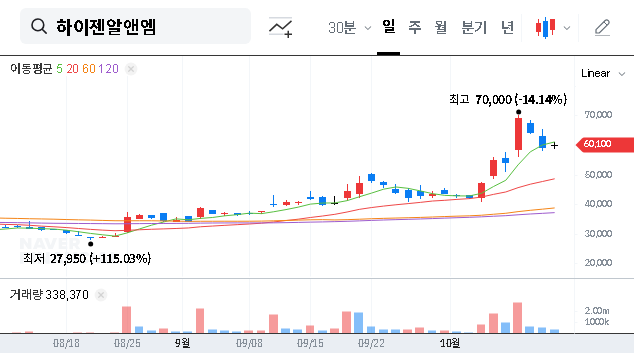
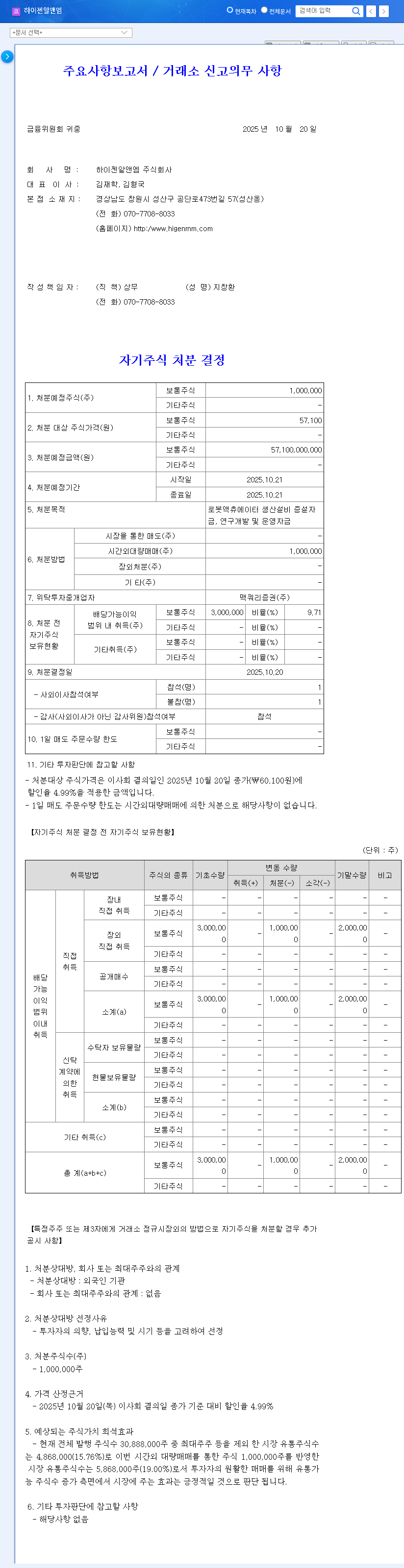
    The recent announcement of the HIGEN RNM self-stock disposal has sent ripples through the investment community. As a key player in the burgeoning robotics sector, HIGEN RNM CO., LTD (하이젠알앤엠) is at a critical juncture. The company has detailed a plan to dispose of 1,000,000 treasury shares, a move valued at approximately ₩57.1 billion, with the transaction scheduled for October 20, 2025. This decision presents a classic dilemma for shareholders: is this a strategic masterstroke to fund next-generation growth in the robot actuator business, or does it carry an unavoidable risk of share dilution for existing investors?

    This comprehensive guide will dissect the announcement, explore the strategic rationale, weigh the potential upsides against the inherent risks, and provide actionable insights for anyone with HIGEN RNM stock in their portfolio. We will delve into the nuances of this significant financial maneuver to determine its true impact on the company’s future value.

    The Core Details of the Treasury Share Disposal

    On October 27, 2023, HIGEN RNM made its intentions clear through a public disclosure. The plan to offload 1,000,000 treasury shares is not merely a financial transaction but a strategic signal of the company’s future direction. The full details were published in their official filing. (Official Disclosure: Click to view DART report). The stated purpose of this capital infusion is multi-faceted and directly tied to cementing their leadership in the robotics market.

    Strategic Objectives of the Capital Raise

    This treasury share disposal is a clear commitment to ambitious growth. The funds are earmarked for several key areas:

    • Expanding Robot Actuator Production: A significant portion of the capital will be used to scale up production facilities. This proactive investment aims to meet the soaring demand from the global robotics industry, which is a crucial part of our comprehensive analysis of the robotics industry.
    • Fueling Research & Development (R&D): To maintain a competitive edge, continuous innovation is paramount. This funding will bolster R&D efforts in advanced actuator technology, ensuring HIGEN RNM stays ahead of the curve.
    • Strengthening Operational Liquidity: Securing additional operating funds enhances financial stability, allowing the company to navigate market volatility and seize new business opportunities without constraint.

    The transaction is set to be managed by Macquarie Securities (Korea) Ltd., whose global expertise could facilitate an efficient and successful disposal process.

    For HIGEN RNM, this isn’t just about raising cash; it’s a strategic robot actuator investment designed to secure long-term market leadership and create sustainable shareholder value.

    Analyzing the Impact: Growth Engine vs. Dilution Risk

    Any significant corporate action like a treasury share disposal is a double-edged sword. Investors must carefully weigh the potential for long-term rewards against the short-term risks.

    The Bull Case: A Catalyst for Growth

    The upside is directly linked to the company’s ability to execute its growth strategy. By investing heavily in production capacity and R&D, HIGEN RNM can increase its market share and enhance its technological moat. According to recent market analysis from industry experts, the demand for high-precision robotics components is expected to grow exponentially. This capital injection positions HIGEN RNM to capture that growth, potentially leading to significantly higher revenues, improved profitability, and ultimately, a higher stock valuation in the long run.

    The Bear Case: The Specter of Share Dilution

    The primary concern for current shareholders is the share dilution risk. When treasury shares are sold back into the market, the total number of outstanding shares increases. This means each existing share represents a smaller percentage of ownership, which can dilute earnings per share (EPS) and put downward pressure on the stock price. The specific disposal method—be it a block deal to an institutional investor, a public offering, or a third-party allocation—will be critical. A poorly executed disposal at a price below market expectations could amplify negative sentiment and lead to short-term price volatility.

    Investor Strategy: Key Factors to Monitor

    Given the HIGEN RNM self-stock disposal, a prudent investor should adopt a watchful and analytical approach. Your investment decision should not be based on the announcement alone, but on the evolving details and the company’s subsequent performance.

    • Confirm Disposal Method & Price: The most crucial upcoming information will be the exact method and price of the sale. This will determine the immediate impact on shareholder value. A strategic placement with a long-term partner is far more favorable than a broad market sale at a discount.
    • Track Capital Allocation: Scrutinize future quarterly reports to ensure the secured funds are being deployed effectively as promised. Look for tangible progress in facility expansion and new product developments stemming from R&D.
    • Assess Company Fundamentals: Continue to monitor core business performance, market trends in the robotics industry, and overall financial health. The success of this capital raise will ultimately be reflected in the company’s fundamental growth.

    In conclusion, HIGEN RNM’s decision is a bold, forward-looking move. While the share dilution risk is real and requires careful consideration, the potential for this robot actuator investment to fuel substantial long-term growth is compelling. Cautious optimism and diligent monitoring are the recommended course of action for investors.
    (160190) HIGEN RNM Self-Stock Disposal: A Deep Dive for Investors on Growth vs. Share Dilution Risk 관련 이미지
  • (352480) C&C International Major Shareholder Change: A Deep-Dive Analysis for Investors

    (352480) C&C International Major Shareholder Change: A Deep-Dive Analysis for Investors

    The global beauty industry is witnessing a significant corporate shift. The recent C&C International major shareholder change has sent ripples through the market, signaling a new era for the prominent cosmetics ODM (Original Design Manufacturer) specialist. This pivotal event, which sees Beauty Synergy Co., Ltd. take a commanding stake, is far more than a simple transaction; it’s a strategic move poised to redefine C&C International’s growth trajectory and market valuation. For investors, this moment presents a complex mixture of opportunity and risk, demanding a thorough investment analysis.

    This comprehensive deep-dive will unpack the details of the acquisition, analyze the short-term and long-term implications for the C&C International stock, and provide a critical checklist for any investor considering their next move.

    The Landmark Deal: A New Ownership Structure

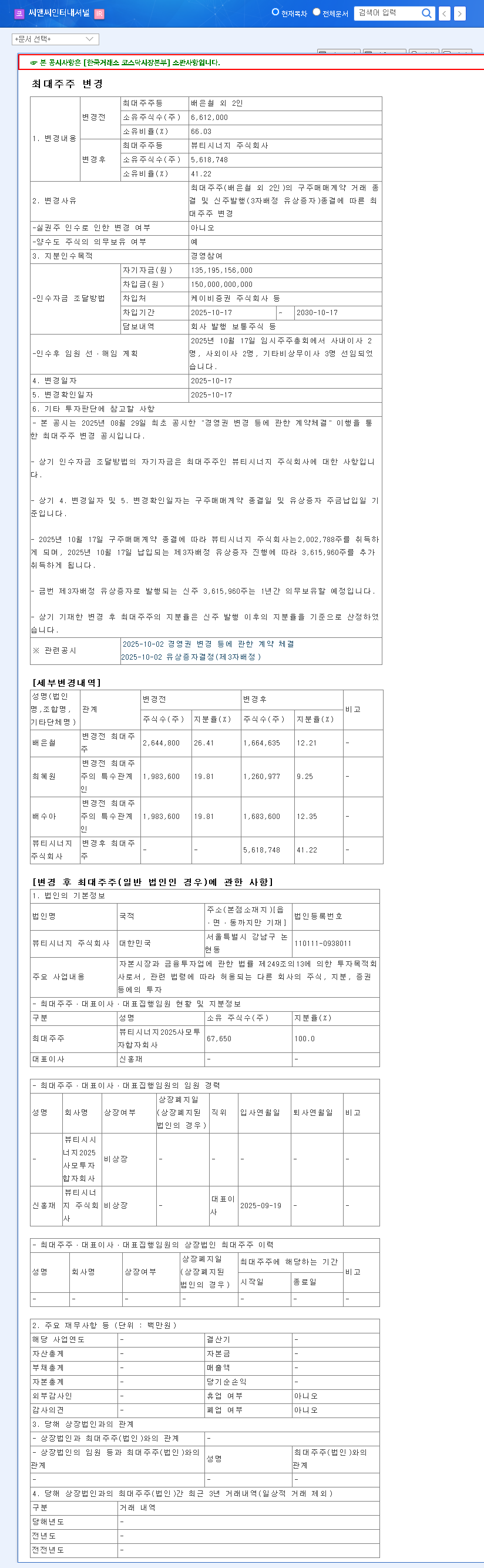
    On October 17, 2025, a definitive change in leadership was solidified. C&C International Co.,Ltd., a company with a market capitalization of KRW 389 billion, officially announced its new largest shareholder. This transition marks a new chapter for the cosmetics ODM powerhouse.

    • Previous Major Shareholder: Bae Eun-cheol and 2 others held a controlling stake of 66.03%.
    • New Major Shareholder: Beauty Synergy Co., Ltd. now holds a significant 41.22% stake.
    • Transaction Method: The stake was secured via a dual approach: purchasing 2,002,788 existing shares and acquiring 3,615,960 new shares through a third-party capital increase.

    Decoding the Strategy: Why Beauty Synergy is Taking the Helm

    The official reason cited for this C&C International major shareholder change is direct ‘management participation.’ This signals a hands-on approach, where Beauty Synergy intends to actively steer the company’s future. This isn’t a passive investment; it’s a strategic integration.

    The stated purpose of ‘management participation,’ combined with a mandatory one-year lock-up period on new shares, strongly indicates a commitment to long-term value creation over short-term financial gains.

    The capital injection from the new share issuance strengthens C&C International’s financial foundation, providing resources for potential expansion, R&D, and strategic initiatives. This move is a clear vote of confidence from Beauty Synergy in the company’s underlying potential.

    Analyzing the Market Impact and Future Synergies

    Any change in corporate control inevitably affects market perception and stock performance. Understanding these potential impacts is crucial for investors.

    Short-Term: Navigating Increased Stock Volatility

    In the immediate aftermath, expect heightened volatility for the C&C International stock. The market will be pricing in both the opportunities and the uncertainties. Positive catalysts include the strengthened financial position and the clear long-term vision signaled by the lock-up. Conversely, risks include potential friction between new and old management and questions surrounding the financing of the acquisition, which could affect investor confidence until clarified.

    Medium to Long-Term: Unlocking Business Synergy

    The most exciting prospect lies in the potential for synergy. With both entities operating in the beauty sector, the possibilities for value creation are substantial. This could manifest as streamlined supply chains, shared R&D for innovative product lines, or access to new global distribution channels. Successful integration could lead to a significant realignment of the business portfolio, enhancing C&C International’s competitive edge. For more on this, you can explore our analysis of key beauty industry trends.

    Investor Action Plan: A Due Diligence Checklist

    Given the current information, prudent investors must conduct their own research. The following checklist provides a framework for making an informed decision about the C&C International major shareholder change:

    • Review Primary Documents: Start with the foundational information. The Official Disclosure (Source: DART) is the most critical document to analyze.
    • Investigate Beauty Synergy: Conduct a deep dive into the new shareholder. What is their track record with M&A? Who are their key executives? What is their core business and financial health?
    • Assess Synergy Potential: Analyze both companies’ product lines, market positions, and operational capabilities to realistically gauge the potential for value-additive synergies.
    • Monitor Future Communications: Watch for official announcements from the new management regarding their strategic vision, investment plans, and any proposed changes to C&C International’s operations.
    • Consult Market Analysis: Review reports from financial news outlets and brokerage firms to understand the broader market consensus. For context, you can track market news on high-authority sites like Reuters or Bloomberg.

    Conclusion: A New Era of Cautious Optimism

    The C&C International major shareholder change is undeniably a watershed moment for the company. The active management stance of Beauty Synergy and the potential for deep integration within the beauty industry present a compelling case for long-term growth. However, significant uncertainties remain until the new management’s strategic plans are fully unveiled. Investors are advised to exercise caution, maintain vigilance, and use the coming weeks to conduct thorough research. This disciplined approach will be the key to successfully navigating the opportunities and risks in this new chapter for C&C International.

    (352480) C&C International Major Shareholder Change: A Deep-Dive Analysis for Investors 관련 이미지
  • (119610) INTEROJO Stake Acquisition: STIC PRISM’s Move for Management Control | In-Depth Analysis

    (119610) INTEROJO Stake Acquisition: STIC PRISM’s Move for Management Control | In-Depth Analysis

    A pivotal event is unfolding at the specialized contact lens manufacturer, INTEROJO CO. LTD. The recent INTEROJO CO. LTD. stake acquisition by investment entity STIC PRISM LLC has sent ripples through the market. This isn’t a passive investment; the firm has explicitly declared its intent as “influencing management rights,” signaling a potential shift in the company’s entire strategic direction. This move could redefine INTEROJO’s future, impacting everything from corporate governance to shareholder value.

    For investors and industry observers, this development raises critical questions. What are the immediate and long-term consequences of this significant shareholding change? In this comprehensive analysis, we will explore the nuances of the STIC PRISM LLC investment, dissect potential management shake-ups, and evaluate the likely impact on INTEROJO’s financial health and stock performance.

    The Landmark Deal: Deconstructing the 10.79% Stake Acquisition

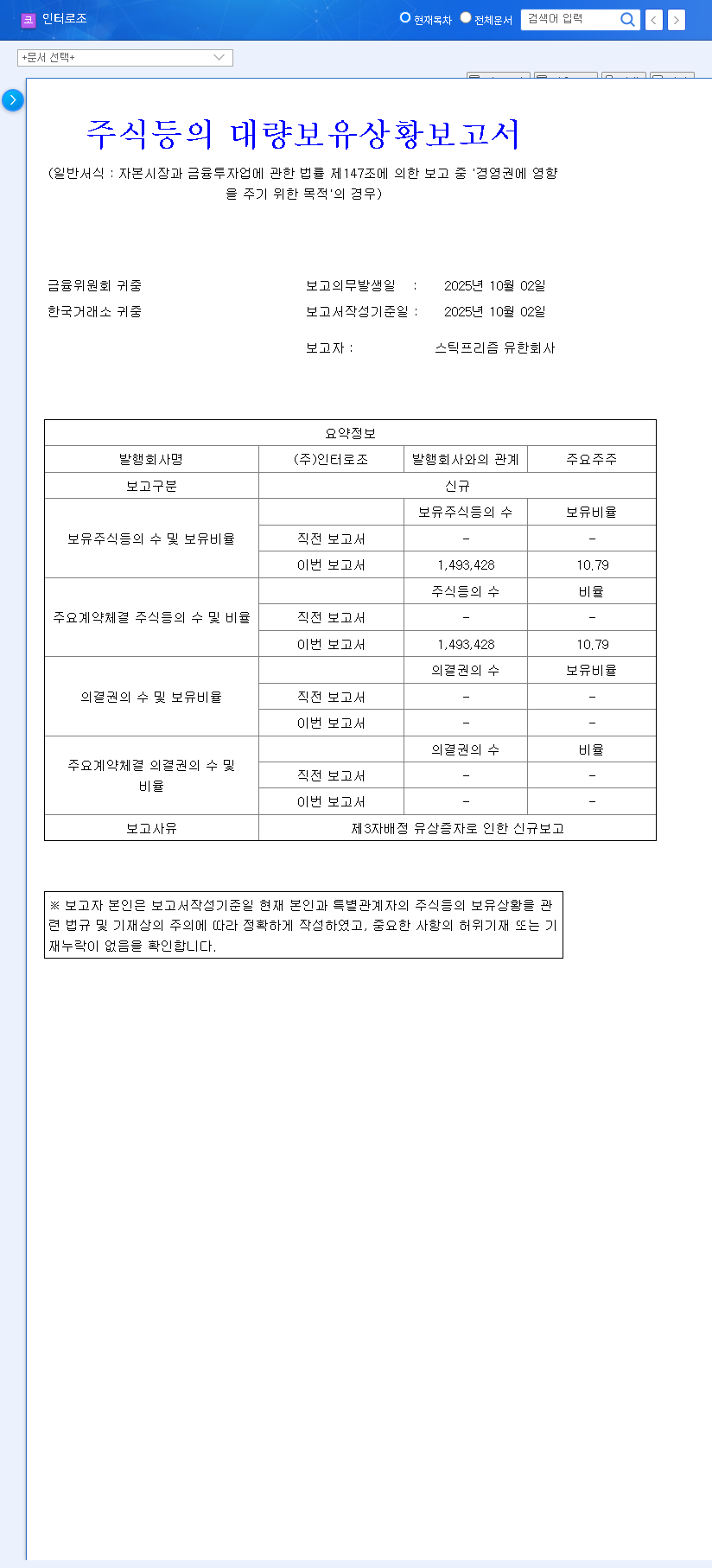
    On October 15, 2025, a mandatory disclosure was filed regarding INTEROJO CO. LTD. (Stock Code: 119610), confirming the transaction. The filing reveals that STIC PRISM LLC has secured a 10.79% stake in the company. This was achieved through a third-party allocation capital increase, a method where new shares are issued to a specific entity rather than existing shareholders or the public market.

    This transaction is more than just a capital injection; it’s a strategic maneuver placing a new, influential player directly into INTEROJO’s boardroom considerations. The official filing can be reviewed for complete transparency. (Source: Official Disclosure)

    • Acquiring Entity: STIC PRISM LLC
    • Acquired Stake: 10.79% of INTEROJO CO. LTD.
    • Method: Third-party allocated capital increase
    • Stated Purpose: Influencing management rights

    What Does “Influencing Management Rights” Truly Mean?

    The phrase “influencing management rights” is the key to understanding the gravity of this event. Unlike a passive fund that invests purely for financial returns, an entity with this declared purpose intends to be an active participant. This is a classic hallmark of activist investing, a strategy detailed by financial news leaders like Bloomberg. It suggests that STIC PRISM LLC will not be a silent partner.

    Potential actions could range from seeking board representation to proposing strategic changes, such as entering new markets, divesting underperforming assets, or overhauling the company’s capital allocation strategy. This proactive stance can lead to significant shifts, creating both opportunities for value creation and risks of internal friction.

    Potential Scenarios for INTEROJO’s Future

    The Positive Outlook: A Catalyst for Growth

    In the best-case scenario, STIC PRISM LLC brings fresh perspectives, industry expertise, and a sense of urgency that reinvigorates INTEROJO. The new capital can fuel R&D for next-generation contact lens technology or fund an aggressive international expansion. An active shareholder could push for improved operational efficiency, better marketing, and a more robust digital presence, ultimately unlocking significant long-term value and boosting the INTEROJO stock analysis profile.

    The Risk Scenario: A Period of Uncertainty

    Conversely, the attempt to influence management could lead to conflict. If the existing management team and the new major shareholder have conflicting visions, it could result in a power struggle. This uncertainty can paralyze decision-making, distract from core business operations, and create a negative perception in the market. Such disputes can increase short-term stock price volatility and potentially harm the company’s competitive standing.

    Investor Action Plan & Key Metrics to Watch

    Given this significant INTEROJO CO. LTD. stake acquisition, prudent investors should adopt a vigilant and analytical approach. It is difficult to predict the outcome, but focusing on the following areas will provide clarity:

    • Monitor Official Communications: Pay close attention to all future disclosures from both INTEROJO and STIC PRISM LLC. Look for shareholder letters, press releases, or board meeting minutes that reveal strategic intent.
    • Analyze Financial Health: The capital increase will bolster INTEROJO’s balance sheet. Scrutinize how this new capital is deployed. Is it used for debt reduction, strategic acquisitions, or R&D? You can learn more by reading our guide to evaluating company financials.
    • Track STIC PRISM’s History: Research STIC PRISM LLC’s past investments. Do they have a track record of creating value or engaging in destructive proxy fights? Their history is often the best indicator of their future behavior.
    • Assess Market Sentiment: Follow analyst reports and market commentary regarding the contact lens manufacturer. A consensus view can sometimes signal the likely direction of the stock, though independent analysis is always paramount.

    Frequently Asked Questions (FAQ)

    Q1: What is STIC PRISM LLC’s primary goal with INTEROJO?

    Based on their official declaration, STIC PRISM LLC’s goal is to actively participate in and influence INTEROJO’s management decisions to drive strategic changes, rather than just passively holding the stock for financial gain.

    Q2: How will this stake acquisition affect INTEROJO’s stock price?

    In the short term, increased volatility is highly likely. The price may rise on expectations of positive changes or fall on fears of a management dispute. The long-term direction will depend on whether STIC PRISM’s influence ultimately creates or destroys shareholder value.

    Q3: What does a third-party capital increase mean for existing shareholders?

    This type of capital increase brings new cash into the company, strengthening its financial position. However, it also creates new shares, which can dilute the ownership percentage of existing shareholders. The key is whether the value created by the new capital outweighs the dilution effect.

    (119610) INTEROJO Stake Acquisition: STIC PRISM's Move for Management Control | In-Depth Analysis 관련 이미지
  • (078860) NS ENM Public Sale 2025: A Deep-Dive Analysis for Investors on Management Normalization

    (078860) NS ENM Public Sale 2025: A Deep-Dive Analysis for Investors on Management Normalization

    The upcoming NS ENM public sale, slated for October 15, 2025, has sent ripples through the investment community. This pivotal event, aimed at achieving ‘Management Normalization,’ represents a potential turning point for NS ENM Co.,Ltd. For current shareholders and prospective investors, this period is filled with both opportunity and uncertainty. This comprehensive analysis will break down the mechanics of the sale, explore the potential impacts on NS ENM stock, and outline a strategic approach to navigate the complexities ahead.

    This isn’t just a financial transaction; it’s a fundamental reset for the company’s future. Understanding the nuances of the NS ENM public sale is critical for making informed investment decisions.

    The Official Announcement: What We Know So Far

    NS ENM Co.,Ltd. has officially signaled its intent to pursue a public sale, with a formal disclosure scheduled for October 15, 2025. The process will be managed by Sunghyun Accounting Firm, a key detail for investors tracking the transaction’s credibility. The primary mechanism will be a third-party capital increase, designed to transfer management rights to a new, unaffiliated entity. You can view the preliminary filing directly from the Official Disclosure (Source: DART).

    Key Disclosure Summary

    • Event: Pursuit of Public Sale for Management Normalization
    • Announcement Date: October 15, 2025
    • Purpose: Financial structure improvement and sustainable management
    • Method: Third-party capital increase to transfer management rights
    • Lead Manager: Sunghyun Accounting Firm
    • Acquisition Target: Undisclosed third party

    Decoding ‘Management Normalization’: More Than Just Numbers

    The term NS ENM management normalization is central to this event. While it clearly points to improving the company’s financial health, its scope is much broader. It’s a strategic pivot designed to secure long-term viability. The expected benefits are multifaceted, aiming to inject new life into the company’s operations and market perception.

    • Financial Fortification: The capital injection will reduce debt and bolster the balance sheet, creating a more resilient financial foundation.
    • Strategic Rebirth: New leadership can introduce fresh business strategies, explore untapped markets, and drive innovation, providing new momentum for growth.
    • Enhanced Governance: Bringing in an external third party improves corporate transparency and governance, which can significantly boost investor confidence. Similar M&A trends are often covered by outlets like Bloomberg.

    Investor Outlook: Balancing Opportunity and Risk

    For investors, the NS ENM public sale presents a classic high-risk, high-reward scenario. The outcome is binary: a successful sale could unlock significant value, while failure could lead to disappointment and a decline in stock price.

    The Bull Case: Potential Upsides

    • Positive Market Re-rating: A successful deal with a credible buyer could lead the market to reassess NS ENM’s intrinsic value upwards.
    • Synergistic Growth: The right acquirer could bring operational synergies, new technologies, or market access that fuels long-term growth.

    The Bear Case: Navigating Uncertainty

    • Execution Risk: The biggest unknown is the identity of the buyer and the terms of the deal. A failure to find a suitable partner or unfavorable terms could scuttle the process.
    • Shareholder Dilution: A third-party capital increase means issuing new shares, which can dilute the ownership stake of existing shareholders. The impact depends on the issuance price relative to the company’s value.

    Your Action Plan: An Investment Strategy for NS ENM

    Given the high level of uncertainty, a proactive and informed approach is paramount. Your NS ENM investment strategy should be rooted in diligent monitoring and research.

    Key Areas to Monitor

    • Acquirer Identity: The most crucial piece of information. Who is the buyer? What is their track record and financial strength?
    • Deal Specifics: Watch for the sale price, the size of the capital increase, and any conditions attached to the deal.
    • Post-Acquisition Vision: Look for announcements regarding the new management’s strategic plan for NS ENM.

    Until these details emerge, any investment is speculative. For more foundational knowledge, review our guide on how to analyze M&A deals. The ultimate impact on NS ENM stock will hinge on the quality of the acquirer and the fairness of the terms.

    Frequently Asked Questions

    Q1: When is the NS ENM public sale announcement?

    The formal announcement regarding the public sale for management normalization is scheduled for October 15, 2025.

    Q2: Who is the potential buyer of NS ENM?

    The acquisition target is currently undisclosed. The company has stated it will be a third party not affiliated with existing management or major shareholders.

    Q3: How might this sale affect the NS ENM stock price?

    The stock may experience short-term volatility based on rumors and expectations. The long-term impact will depend entirely on the success of the sale, the quality of the acquirer, and the financial terms of the deal.

    (078860) NS ENM Public Sale 2025: A Deep-Dive Analysis for Investors on Management Normalization 관련 이미지
  • (298060) SCM Lifescience Stock Analysis: New Major Shareholder & Future Outlook

    (298060) SCM Lifescience Stock Analysis: New Major Shareholder & Future Outlook

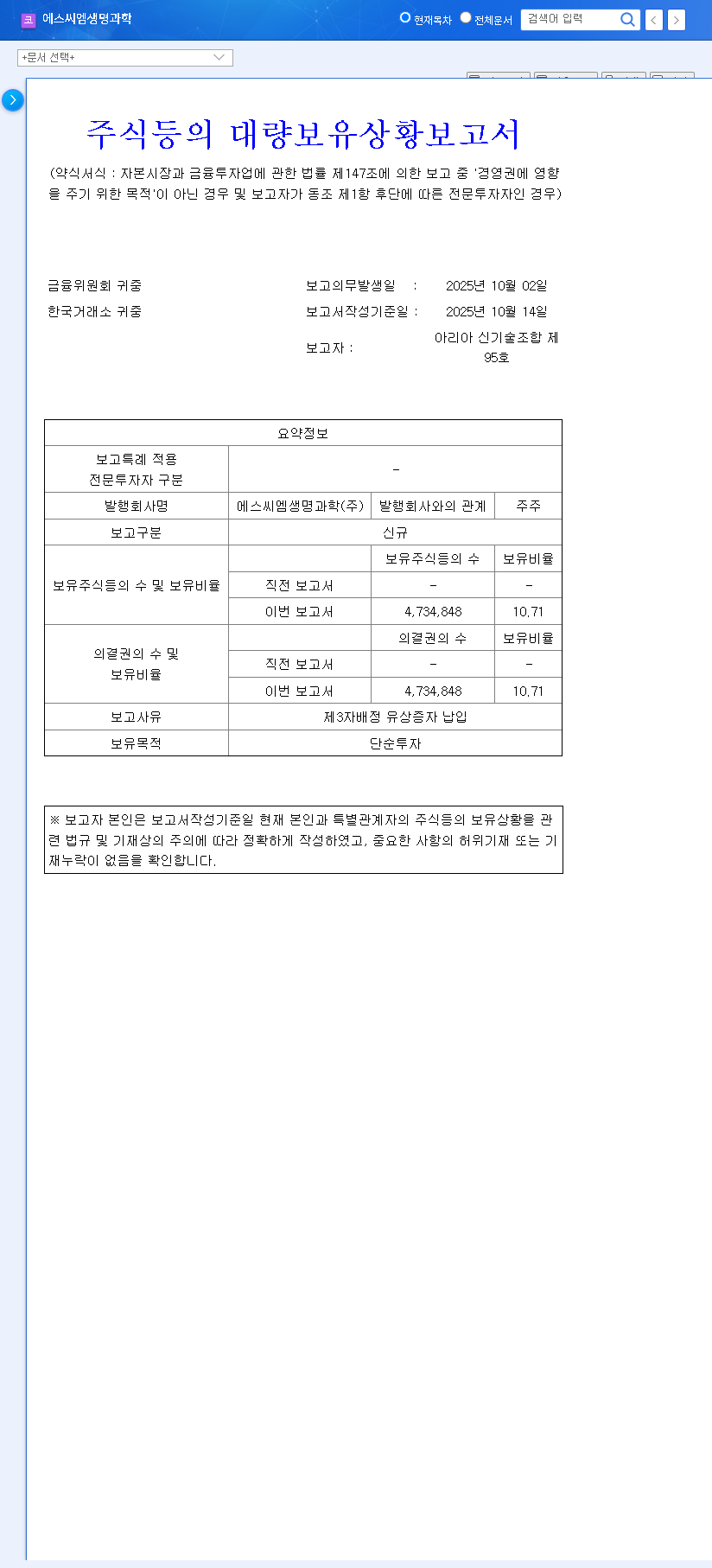
    A significant development at SCM Lifescience Co., Ltd. has captured the market’s attention, as the ‘Aria New Technology Association No. 95’ emerges as a new major shareholder. This pivotal shift not only reshapes the company’s ownership structure but also confirms the successful infusion of capital from recent increases. For investors, this news brings a mix of optimism about financial stability and questions regarding the company’s future trajectory. What does this mean for the SCM Lifescience stock and its long-term potential?

    This comprehensive analysis delves into the implications of this event, examining the company’s core fundamentals, the challenging market environment, and what investors can expect in the short and long term. We’ll provide a balanced perspective on the opportunities and risks facing SCM Lifescience today.

    The Event: ‘Aria New Technology Association’ Takes a Major Stake

    SCM Lifescience officially announced that ‘Aria New Technology Association No. 95’ has secured a 10.71% stake, becoming a major shareholder. This acquisition is the direct result of successfully completed payments for third-party allocation capital increases that occurred in March, April, and June. The full details were published in an Official Disclosure on the DART system.

    This development is significant for several reasons:

    • Validation of Capital Infusion: It confirms that the planned KRW 80 billion capital injection is complete, bolstering the company’s balance sheet and operational runway.
    • Strategic Influence: The arrival of a new major shareholder could signal a shift in corporate strategy, bringing new perspectives and potentially more active oversight to management decisions.
    • Increased Investor Confidence: Such a substantial investment can be viewed as a vote of confidence in the company’s long-term vision and its pipeline, potentially attracting further interest. For more background on institutional investment, see this overview from a leading financial news source.

    An In-Depth SCM Lifescience Analysis: Strengths vs. Hurdles

    To understand the road ahead, we must weigh the company’s growth potential against its current profitability and clinical challenges.

    Positive Catalysts: Financial Health and Diversification

    The recent capital increase has dramatically improved the company’s financial posture. With KRW 80 billion in fresh funds and total borrowings reduced to zero, SCM Lifescience has significantly de-risked its financial profile. This provides a crucial buffer to fund costly R&D without immediate financing pressures. Furthermore, the strategic addition of 17 new business objectives, spanning from biopharmaceutical R&D to derma-cosmetics, signals a clear intent to diversify revenue streams and reduce reliance on a single clinical outcome.

    Negative Factors and Ongoing Risks

    Despite external growth, profitability remains elusive. High, yet necessary, R&D expenditures continue to result in operating and net losses. The most significant headwind is the uncertainty surrounding its core clinical pipeline. The Phase 2 trial for SCM-CGH (chronic graft-versus-host disease) failed to meet its primary endpoint, casting doubt on its path to market. Progress on SCM-AGH (acute pancreatitis) is also expected to be slow. These clinical realities are central to any biotech investment thesis. To learn more, consider reading our guide on how to evaluate biotech stocks.

    For SCM Lifescience, the key challenge is converting its strengthened financial position into tangible clinical success and, ultimately, profitability. The path forward requires flawless execution in R&D and strategic capital allocation.

    Future Outlook: Short and Long-Term Projections

    Short-Term (1-3 Months)

    In the immediate future, investor sentiment is likely to be positive due to the confirmed capital injection. This can reduce perceived risk and may lead to increased stock price volatility as the market digests the news. However, fundamental business operations are unlikely to change overnight. The focus will remain on the shareholder shift rather than on new clinical data.

    Mid-to-Long Term (3-12+ Months)

    The long-term value of SCM Lifescience will be determined by its ability to achieve key milestones. The efficient use of the new capital to advance clinical trials and materialize its diversification strategy is paramount. The success or failure of its core pipeline, particularly the next steps for SCM-CGH and SCM-AGH, remains the single most critical factor. Additionally, investors will watch closely to see if the new major shareholder takes an active role in steering the company towards greater R&D efficiency and profitability.

    Investor Action Plan & Final Thoughts

    Investing in SCM Lifescience requires a balanced and patient approach. The emergence of ‘Aria New Technology Association’ is a clear positive for financial stability, but the underlying clinical and profitability risks have not disappeared.

    • For Short-Term Traders: Be prepared for heightened volatility. The news may create short-term trading opportunities, but caution is advised until a clear trend emerges.
    • For Long-Term Investors: The focus should be on monitoring pipeline progress, the performance of newly launched business segments, and any signs of improved R&D efficiency. The ultimate success story will be written in the clinic, not just the boardroom.

    In conclusion, while the new shareholder provides a significant tailwind, the journey for SCM Lifescience is still one of high risk and high potential reward. Diligent monitoring of clinical trial data and financial reports will be essential for making informed investment decisions.

    (298060) SCM Lifescience Stock Analysis: New Major Shareholder & Future Outlook 관련 이미지
  • (011810) STX Financial Crisis: Can a New Investment Bid Avert Delisting? [In-Depth 2025 Analysis]

    (011810) STX Financial Crisis: Can a New Investment Bid Avert Delisting? [In-Depth 2025 Analysis]

    The ongoing STX financial crisis has reached a critical boiling point. Grappling with severe liquidity issues, staggering losses, and the looming threat of delisting, the company’s future hangs precariously in the balance. In a move that has captured the market’s attention, STX has announced a major investment attraction initiative, including a third-party capital increase and a change in STX management control. But is this a genuine lifeline capable of rescuing the sinking ship, or merely a prelude to further uncertainty? This comprehensive analysis explores the depths of STX’s financial woes, the implications of its new investment bid, and the critical factors investors must consider.

    The announcement, made on October 1, 2025, signals a desperate but determined effort to secure a future for the beleaguered trading company. As detailed in the Official Disclosure on DART, the plan involves a public competitive bidding process managed by EY Han Young. This strategy aims to find a robust financial partner to inject much-needed capital and spearhead a management overhaul. For stakeholders and potential investors, the central question remains: can any amount of new STX investment truly resolve such deep-rooted systemic issues?

    Diagnosing the STX Financial Crisis: A Company on the Brink

    To understand the urgency of the investment bid, one must first grasp the severity of the STX financial crisis. The H1 2025 financial report paints a grim picture, raising significant doubts about the company’s ability to continue as a ‘going concern’—a fundamental accounting principle that assumes a company will remain in business for the foreseeable future.

    Core Financial Weaknesses

    The financial statements reveal a cascade of failures across key metrics:

    • Massive Net Losses: The company reported a consolidated net loss of KRW 23.541 billion, a significant deterioration from the previous year. The investment business segment was a major drain, contributing an operating loss of KRW 16.754 billion.
    • Plummeting Revenue: Consolidated revenue fell by a staggering 21.7% year-over-year, settling at KRW 336.256 billion, indicating a loss of market traction.
    • Severe Liquidity Crisis: With current liabilities (KRW 451.587 billion) vastly exceeding current assets (KRW 301.330 billion), the company faces an acute inability to meet its short-term obligations. This capital impairment is a classic red flag for impending insolvency.

    The Existential Threat: Delisting Risk and Trading Suspension

    The most immediate and severe threat to STX’s existence is the STX delisting risk. On July 3, 2025, the company’s shares were suspended from trading following sanctions from the Securities and Futures Commission for accounting irregularities. This placed the company under a substantial delisting eligibility review, a process that could permanently remove STX stock from the exchange. This single factor overshadows all other operational concerns and makes any potential STX investment a high-stakes gamble.

    While the new investment bid demonstrates a will to survive, investors must recognize that the fundamental risk of delisting remains potent. This is not a standard turnaround play; it is a high-risk special situation.

    Analyzing the New STX Investment Bid: Hope or Hype?

    The proposed investment aims to tackle the crisis head-on by securing operating funds and restructuring the company under new leadership. By opting for a public competitive bidding process, STX hopes to attract the best possible terms and find a truly qualified partner. For more context on such corporate actions, authoritative sources like Reuters Business provide excellent analysis of similar situations.

    Potential Positives

    • Capital Injection: A successful bid would provide an immediate infusion of cash to address the liquidity crisis.
    • New Leadership: The transfer of STX management control could bring fresh strategic direction and operational discipline.
    • Market Confidence: A credible investor could restore a sliver of confidence among creditors and suppliers, potentially aiding normalization.

    Significant Hurdles and Considerations

    However, attracting the right investor will be challenging. Any potential suitor will be acutely aware of the delisting risk, the depth of the financial hole, and the potential for undiscovered liabilities. The success of the bid hinges not just on finding an investor, but on finding one with the expertise and deep pockets to navigate a complex and perilous turnaround. Interested parties can learn more about evaluating turnaround investments on our related blog.

    Investor Playbook: An ‘Extreme Caution’ Approach is Required

    For investors looking at STX stock, the current situation demands extreme caution. Hasty decisions based on the headline news of an investment bid could prove disastrous. A disciplined, wait-and-see approach is paramount until there is concrete information.

    Key Checkpoints for Due Diligence

    Before even considering an investment, the following points must be clarified:

    • Delisting Review Outcome: This is the single most important factor. Until the company’s exchange listing is secured, any investment is pure speculation on survival.
    • Investor Identity and Quality: Who is the investor? Do they have a track record of successful corporate turnarounds? What is their long-term vision for STX?
    • Terms of the Deal: How much capital is being injected? At what valuation? What level of dilution will existing shareholders face?
    • The Turnaround Plan: A credible, detailed plan for financial restructuring and business normalization must be presented by the new management.

    In conclusion, the STX investment announcement is a critical development, but it is the beginning of a long and uncertain process, not a solution in itself. The path to recovery is fraught with peril, dominated by the severe STX financial crisis and the overwhelming STX delisting risk. Only after the dust settles and clear, positive outcomes on the key checkpoints emerge should investors consider this a viable opportunity.

    (011810) STX Financial Crisis: Can a New Investment Bid Avert Delisting? [In-Depth 2025 Analysis] 관련 이미지
  • SGA’s Change in Major Shareholder: Impact on Stock Price and Investment Strategies (September 2025)


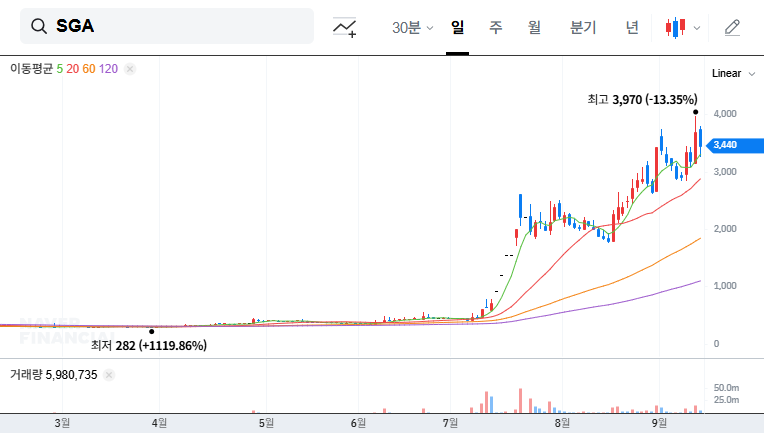
    SGA's Change in Major Shareholder: Impact on Stock Price and Investment Strategies (September 2025) 대표 차트 이미지


    SGA’s Change in Major Shareholder: What Happened?

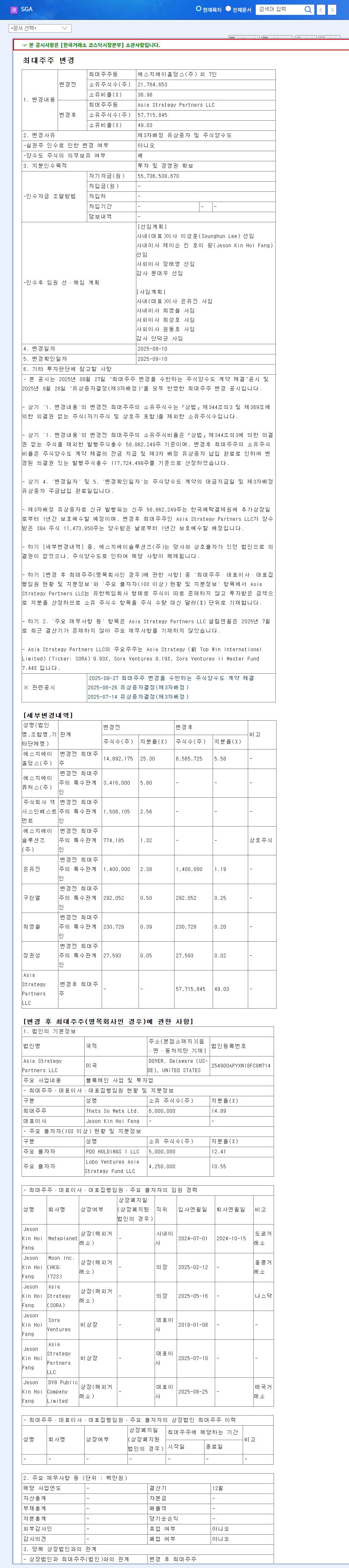
    On September 10, 2025, SGA’s largest shareholder changed from ‘SGA Holdings Co., Ltd. et al.’ to ‘Asia Strategy Partners LLC’ through a third-party allocation of paid-in capital increase and a stock transfer agreement. The newly issued shares and the transferred shares are subject to a one-year lock-up period.

    Why Did SGA Change its Major Shareholder?

    SGA is facing difficulties due to declining sales and an operating deficit in the first half of 2025. This change in major shareholder and capital increase are interpreted as strategies to improve the financial structure and secure funds for new business investments. In particular, with a high dependence on maintenance sales and a lack of new growth engines, the arrival of new management raises expectations for business restructuring and the pursuit of new businesses.

    What Does SGA’s Change in Major Shareholder Mean for Investors?

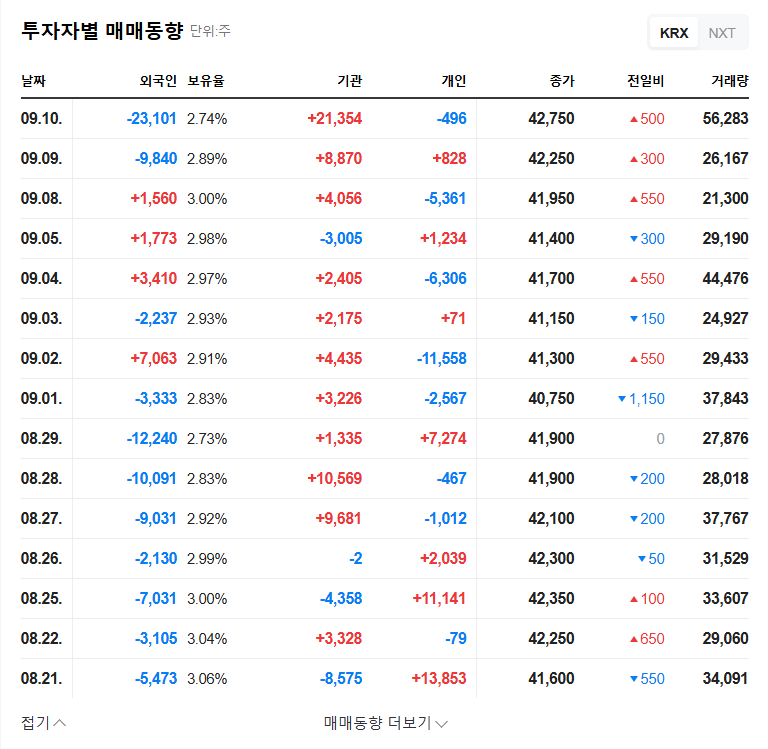
    Positive aspects include expectations for management stability, securing new growth engines, and improving transparency and management efficiency. However, there are also negative factors such as increased short-term stock price volatility, uncertainty about fundamental improvement, and concerns about weakening competitiveness of existing businesses. The currently high interest rates and unstable exchange rates are also variables to consider when investing.

    How Should Investors Approach SGA?

    • Monitor financial soundness recovery trends: Carefully check the use of funds from the capital increase, debt management, and improvement in operating cash flow.
    • Evaluate the new major shareholder’s business strategy: Analyze the new management’s business plans, plans to secure new growth engines, and synergy with existing businesses.
    • Assess the ability to respond to changes in the market environment: Evaluate SGA’s competitiveness strategy amid intensifying competition and economic downturn.

    SGA’s change in major shareholder is an important turning point, but without fundamental improvement, it is difficult to expect a sustained rise in stock price. Make investment decisions through careful analysis.


    Frequently Asked Questions (FAQ)

    Who is SGA’s new major shareholder?

    Asia Strategy Partners LLC.

    What is the outlook for SGA’s stock price after the change in major shareholder?

    Volatility may increase in the short term, but the long-term outlook depends on the new management’s business strategy and whether fundamentals improve.

    What should investors be aware of when investing in SGA?

    Investors should carefully analyze trends in financial soundness recovery, the new major shareholder’s business strategies, and the company’s ability to respond to changes in the market environment.


    SGA's Change in Major Shareholder: Impact on Stock Price and Investment Strategies (September 2025) 관련 이미지
    SGA's Change in Major Shareholder: Impact on Stock Price and Investment Strategies (September 2025) 관련 이미지


  • INZI Controls Invests ₩13.9B in US Subsidiary: A Strategic Move for Future Growth?


    INZI Controls Invests ₩13.9B in US Subsidiary: A Strategic Move for Future Growth? 대표 차트 이미지


    1. INZI Controls’ ₩13.9B Investment: What Happened?

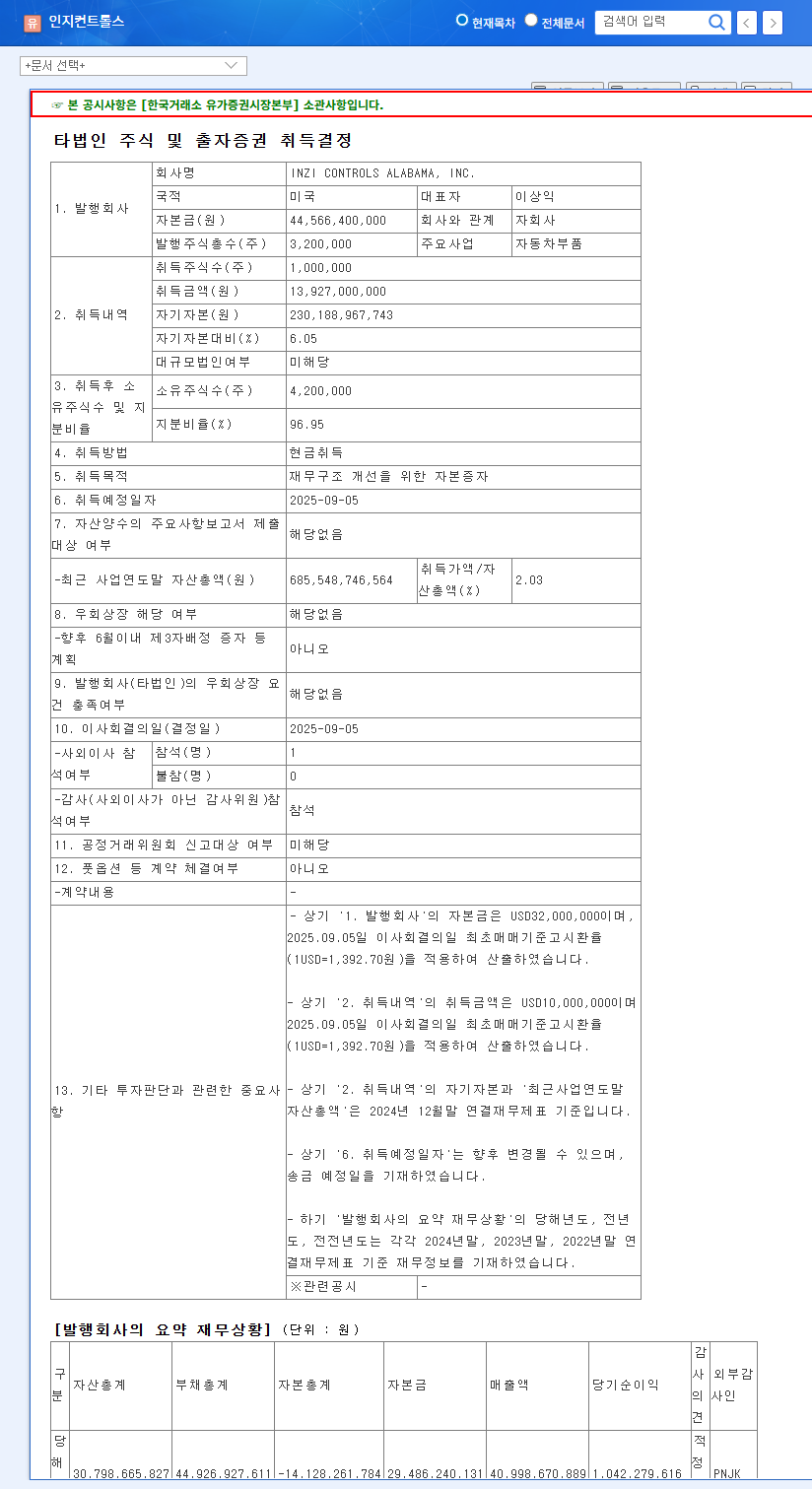
    On September 5, 2025, INZI Controls announced a ₩13.9 billion capital increase for its US subsidiary, INZI CONTROLS ALABAMA, INC. This will increase INZI Controls’ stake in the subsidiary to 96.95%. The investment aims to improve the subsidiary’s financial structure, laying the groundwork for a stronger presence in the US market.

    2. Why Invest in the US Subsidiary?: Background and Objectives

    Despite increased consolidated revenue in the first half of 2025, INZI Controls experienced declining profitability. With sales in North America showing a downward trend, improving the financial structure and competitiveness of the US subsidiary has become crucial. This investment is seen as a strategy to secure the financial soundness of the US subsidiary and strengthen its position in the growing North American market, particularly in the eco-friendly vehicle sector.

    3. What Are the Outcomes of the Investment?: Financial/Business Impact and Stock Forecast

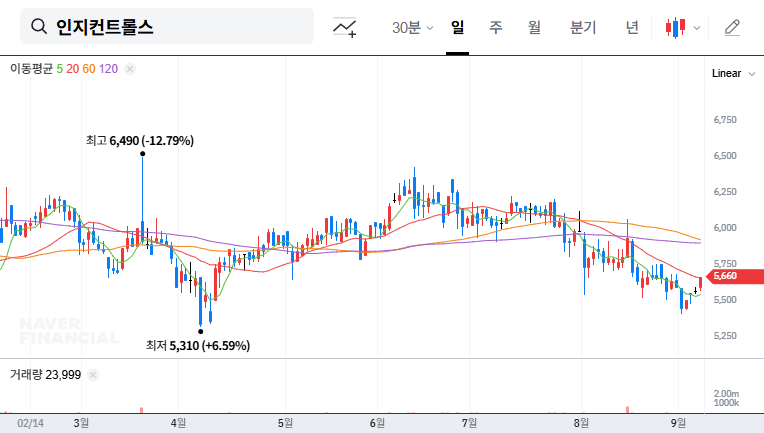
    In the short term, the ₩13.9 billion cash outflow could raise concerns about liquidity. However, in the long run, the investment is expected to improve the financial structure and profitability of the US subsidiary, benefiting from the growth of the eco-friendly vehicle market. While the stock price may experience volatility in the short term, it is likely to be positively impacted in the medium to long term.

    4. What Should Investors Do?: Key Considerations and Recommendations

    • Monitor Financial Improvement: Investors should continuously monitor the financial improvement of the US subsidiary and its impact on INZI Controls’ consolidated earnings.
    • Keep an Eye on Future Funding Plans: Analyze the impact on financial soundness if INZI Controls announces further investments or funding plans.
    • Check Macroeconomic Indicators: Understand how macroeconomic variables like exchange rates and interest rates affect INZI Controls’ performance, and incorporate these factors into investment strategies.

    It is crucial for investors to make investment decisions based on a long-term perspective, considering the growth potential of INZI Controls.


    Frequently Asked Questions (FAQ)

    What is INZI Controls’ main business?

    INZI Controls is an automotive parts manufacturer, producing a variety of components, including parts for eco-friendly vehicles.

    Will the ₩13.9 billion investment be a significant burden for INZI Controls?

    While it may strain short-term liquidity, it’s considered a strategic investment for securing long-term growth drivers. The financial improvement following the investment needs close monitoring.

    Is it a good time to invest in INZI Controls stock?

    Investment decisions should be made carefully based on the investor’s own judgment. This analysis is for informational purposes only and does not constitute investment advice.


    INZI Controls Invests ₩13.9B in US Subsidiary: A Strategic Move for Future Growth? 관련 이미지
    INZI Controls Invests ₩13.9B in US Subsidiary: A Strategic Move for Future Growth? 관련 이미지


  • Young Poong Paper Announces Rights Offering: Opportunity or Risk? An In-Depth Analysis for Investors


    Young Poong Paper Announces Rights Offering: Opportunity or Risk? An In-Depth Analysis for Investors 대표 차트 이미지


    What Happened? Young Poong Paper Announces Rights Offering

    Young Poong Paper announced a third-party allocation rights offering of 12,035,010 shares (22% of total outstanding shares) on September 4, 2025. The payment date is September 26, the new share listing date is October 24, and the main investor is BNM Partnership.

    What’s the Purpose and Background of the Rights Offering?

    Young Poong Paper has faced challenges with declining sales and operating losses in the first half of the year. The funds secured through this rights offering are expected to be used for financial restructuring, operating funds, and investment in new drone-related businesses. This strategic decision can be seen as an attempt to secure financial stability and seek new growth engines, particularly within the paper industry’s challenging environment of rising wastepaper prices and stricter government regulations.

    What are the Impacts of the Rights Offering?

    • Positive Impacts: Improved financial structure, securing momentum for new business ventures.
    • Negative Impacts: Concerns about share dilution (offering price of 914 won, 22% offering ratio), potential negative market sentiment.
    • Neutral Impacts: Changes in subsidiaries, macroeconomic variables (interest rates, exchange rates, raw material prices).

    What Should Investors Do?

    Investors should closely monitor the following:

    • Monitoring the execution plan for the funds raised and the performance of new business investments.
    • Checking future earnings announcements for sales recovery and improvement in profitability.
    • Preparing for short-term stock price volatility and evaluating the long-term corporate value.
    • Understanding the competitive landscape of the paper industry and the volatility of raw material prices.

    In conclusion, while Young Poong Paper’s rights offering presents potential for long-term growth, caution is warranted regarding short-term stock price fluctuations. Investors should monitor the company’s subsequent announcements and market conditions to make informed investment decisions.


    Frequently Asked Questions (FAQ)

    What is a rights offering?

    A rights offering is a way for a company to raise capital by issuing new shares. Existing shareholders and new investors can purchase these shares.

    What is the purpose of Young Poong Paper’s rights offering?

    This rights offering aims to raise funds for financial restructuring, secure operating funds, and invest in new businesses, specifically drone-related projects.

    How does a rights offering affect stock prices?

    Generally, a rights offering can lead to share dilution due to the increased number of shares, potentially causing a short-term decline in stock price.

    What should investors be aware of?

    Investors should carefully consider the company’s plans for utilizing the raised funds, future earnings trends, the competitive market environment, and be prepared for potential short-term stock price volatility.


    Young Poong Paper Announces Rights Offering: Opportunity or Risk? An In-Depth Analysis for Investors 관련 이미지
    Young Poong Paper Announces Rights Offering: Opportunity or Risk? An In-Depth Analysis for Investors 관련 이미지


  • T’way Air’s New Majority Shareholder: Is it a Turning Point?

    T'way Air's New Majority Shareholder: Is it a Turning Point? 대표 차트 이미지

    What Happened?

    On August 29, 2025, T’way Air’s majority shareholder changed to Sono International through a third-party allocation paid-in capital increase. This decision aims to secure operating funds and improve the company’s financial structure.

    Why the Change?

    T’way Air is facing serious financial difficulties, including capital impairment, continuous operating losses, and a high debt ratio. External factors such as rising exchange rates, rising oil prices, and high interest rates are exacerbating the situation. To overcome these challenges, T’way Air secured investment from and transferred management rights to Sono International.

    What’s Next?

    Positive Outlook

    • Expected improvement in financial structure and resolution of capital impairment through secured funds
    • Potential for enhanced management stability and expertise with Sono International’s involvement
    • Expected synergy with Sono International’s travel and leisure business

    Negative Outlook and Risks

    • Uncertainty about actual financial and operational improvement despite secured funds
    • Increased pressure on management performance under the new majority shareholder
    • Intensifying competition in the LCC market and continued macroeconomic uncertainty

    What Should Investors Do?

    Investors considering T’way Air should carefully examine the following:

    • Monitor the progress and results of the capital increase and the use of funds
    • Check for improvements in operating performance and the new management’s strategy and execution capabilities
    • Continuously assess the impact of macroeconomic variables such as exchange rates, oil prices, and interest rates

    While the change in majority shareholder is a potentially positive sign, it’s crucial for investors to focus on long-term fundamental improvements rather than short-term stock price fluctuations.

    Who is the new majority shareholder of T’way Air?

    Sono International.

    Why did the majority shareholder change?

    The change occurred through a third-party allocation paid-in capital increase to secure operating funds and improve T’way Air’s financial structure.

    What are T’way Air’s main financial challenges?

    Capital impairment, continuous operating losses, and a high debt ratio. External challenges include rising exchange rates, oil prices, and interest rates.

    What is the outlook for T’way Air after the change?

    There are expectations for improved financial structure and management stability, but actual performance improvement remains uncertain. Risks include intensifying competition and macroeconomic uncertainty.

    T'way Air's New Majority Shareholder: Is it a Turning Point? 관련 이미지
    T'way Air's New Majority Shareholder: Is it a Turning Point? 관련 이미지