Tag: Biotech Investment

  • (287840) IntoCell’s ITC-6146RO: A Deep Dive into the FDA IND Submission and ADC Technology

    (287840) IntoCell’s ITC-6146RO: A Deep Dive into the FDA IND Submission and ADC Technology

    The world of biotech investment is closely watching IntoCell, Inc., a pioneering company in Antibody-Drug Conjugate (ADC) platform technology. The firm recently announced a major milestone: the successful submission of its Investigational New Drug (IND) application to the U.S. Food and Drug Administration (FDA) for its proprietary anti-cancer drug candidate, ITC-6146RO. This critical step prepares the ground for Phase 1 clinical trials and signals a significant move towards global market entry for IntoCell’s innovative oncology treatment.

    This FDA IND submission is far more than a regulatory formality; it is a powerful validation of IntoCell’s advanced ADC technology by one of the world’s most rigorous regulatory agencies. This analysis delves into the specifics of ITC-6146RO, the implications of this achievement for IntoCell’s business outlook, and the potential risks and rewards for investors.

    Understanding ITC-6146RO and the FDA IND Submission

    On October 31, 2025, IntoCell officially completed its IND application for ITC-6146RO, marking the achievement of a key corporate goal. An IND application is the first crucial step required to administer a new drug candidate to humans, representing the culmination of extensive non-clinical safety and efficacy studies. For a biotech company, securing an FDA IND clearance is a monumental achievement that opens the door to the largest biopharmaceutical market in the world.

    Details of the Phase 1 Clinical Trial

    The upcoming Phase 1a/b clinical trial for ITC-6146RO is an open-label, multi-center, first-in-human dose escalation and expansion study. Its primary objectives are:

    • To evaluate the safety and tolerability of the drug in patients with advanced or metastatic cancer who have exhausted standard therapies.
    • To study its pharmacokinetics (how the drug moves through the body).
    • To assess preliminary anti-tumor efficacy.

    The Phase 1b expansion will specifically target challenging cancers, including Metastatic Castration-Resistant Prostate Cancer (mCRPC), Non-Small Cell Lung Cancer (NSCLC), and Triple-Negative Breast Cancer (TNBC).

    IntoCell’s Core Competency: Advanced ADC Technology

    At the heart of IntoCell’s innovation is its proprietary Antibody-Drug Conjugate platform. ADCs are a powerful class of drugs designed to act like guided missiles, delivering potent chemotherapy agents directly to cancer cells while sparing healthy tissue. You can learn more about the fundamentals of ADC technology on our blog. IntoCell’s key technological advantages include:

    • OHPAS™ Linker Platform: This technology enhances the stability of the ADC in the bloodstream, preventing the premature release of the toxic payload. It ensures the drug is selectively cleaved and activated only inside the target cancer cells.
    • PMT™ Platform: This platform minimizes the non-selective uptake of the drug by normal, healthy cells. This precision targeting is crucial for reducing side effects and improving the therapeutic window.

    This differentiated technology suite forms the basis of IntoCell’s business model, which is focused on generating revenue through early-stage clinical pipeline out-licensing and strategic partnerships with global pharmaceutical companies.

    Investment Analysis: Opportunities and Risks

    Positive Catalysts from the FDA IND Submission

    The IND submission for ITC-6146RO is a significant de-risking event that enhances investor confidence. The progression of a key pipeline into the clinical stage validates the company’s scientific approach and business model. It also accelerates opportunities for technology out-licensing discussions with major pharmaceutical players, which could dramatically improve IntoCell’s financial structure. As is common in the biotech sector, this news is expected to provide positive stock price momentum, driven by heightened expectations for future growth.

    Overall, the U.S. FDA IND submission for ITC-6146RO is a profoundly positive event for IntoCell, signaling a crucial turning point in its medium-to-long-term growth trajectory. Combined with substantial cash assets from its IPO and the robust growth of the global ADC market, IntoCell’s future outlook is bright.

    Potential Risks and Considerations for Investors

    Despite the optimism, investing in biotech carries inherent risks. The FDA IND submission is only the beginning of a long and expensive journey. Clinical trial success is never guaranteed; data from Phase 1 trials, which primarily focus on safety, can lead to success, delays, or outright failure. According to the National Cancer Institute, the path through clinical development is fraught with uncertainty.

    Furthermore, clinical trials require substantial capital, and R&D expenditures are expected to rise, increasing the short-term financial burden. This is compounded by the recent termination of a license agreement with ABL Bio, which affects short-term profitability and makes securing new partnerships even more critical. Finally, the ADC technology market is intensely competitive, and ITC-6146RO must demonstrate a clear competitive advantage in its clinical results to succeed.

    Investors should carefully monitor the progress and results of the Phase 1 clinical trial for ITC-6146RO and watch for new technology out-licensing agreements. While the IND submission is a major step forward, long-term value will be determined by clinical data and commercial execution. For full transparency, refer to the company’s Official Disclosure filed with regulatory authorities.

    (287840) IntoCell's ITC-6146RO: A Deep Dive into the FDA IND Submission and ADC Technology 관련 이미지
  • (445680) Curiox Biosystems: CEO Increases Stake – An In-Depth Analysis for Investors

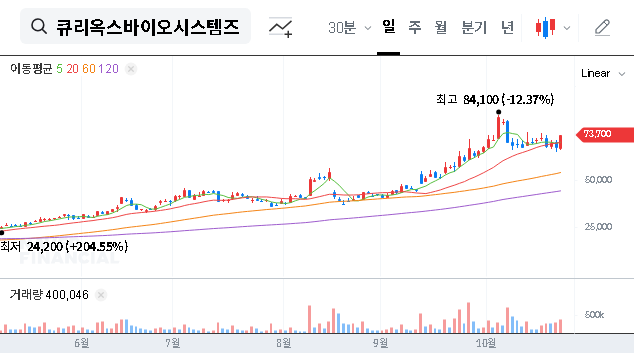
    (445680) Curiox Biosystems: CEO Increases Stake – An In-Depth Analysis for Investors

    A recent development at Curiox Biosystems has sent a significant signal to the market, capturing the attention of savvy investors. The focus is a noteworthy increase in shareholding by CEO Kim Nam-yong. In the world of finance, such a move by top leadership is rarely just a simple transaction; it’s a statement of confidence and a potential indicator of the company’s future trajectory. This deep-dive analysis unpacks the nuances of this development, examining what it means for Curiox Biosystems’ stock amidst current market challenges and future growth prospects.

    We’ll explore the company’s core technological strengths, confront its recent financial headwinds, and provide a balanced view on the implications of this CEO share increase. This is the essential investor analysis you need to understand the opportunities and risks ahead.

    The Disclosure: A Closer Look at the Numbers

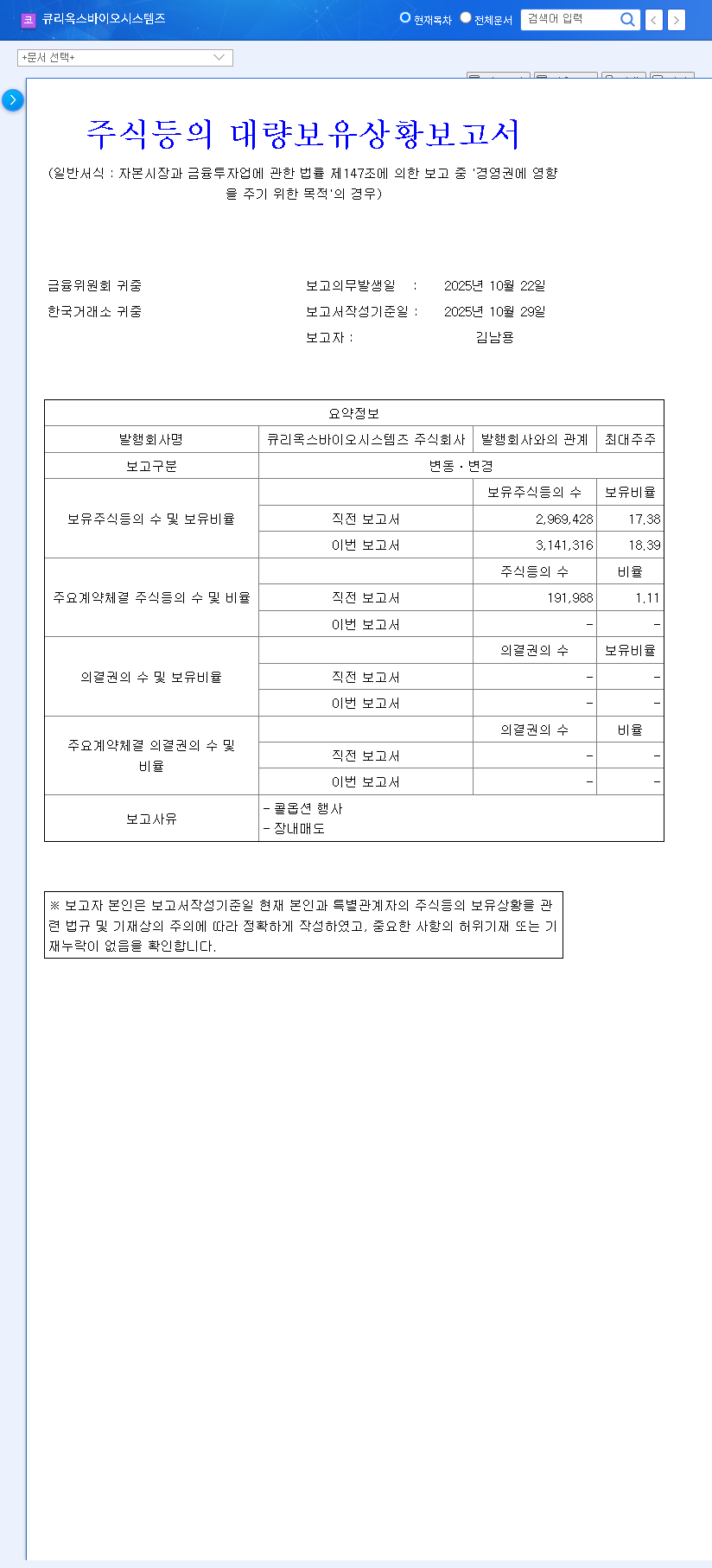
    On October 29, 2025, Curiox Biosystems Co., Ltd. filed a ‘Report on the Status of Large-Scale Shareholdings.’ The central figure in this report is CEO Kim Nam-yong. The transaction details, which are publicly available in the Official Disclosure (DART report), reveal a calculated move to solidify his position.

    • Previous Holdings: 17.38%
    • New Holdings: 18.39%
    • Net Increase: +1.01 percentage points
    • Method: A combination of exercising call options and on-market sales.
    • Stated Purpose: To strengthen influence over management rights.

    The key takeaway is a deliberate action by the CEO to increase his stake, signaling a long-term commitment despite concurrent on-market sales, which we will analyze later.

    Context is Key: Curiox Biosystems’ Fundamentals

    To truly understand the weight of this move, we must place it within the context of the company’s current operational and financial landscape. Curiox Biosystems is a company with a compelling technological foundation facing tangible market headwinds.

    Core Technology & Market Position

    The company’s crown jewel is its C-FREE™ technology, which automates centrifugation-free cell analysis. This is not just an incremental improvement; it’s a disruptive technology in fields like cell and gene therapy (CGT). By eliminating harsh centrifugation steps, it enhances cell viability and reproducibility—critical factors for therapeutic efficacy and research accuracy. With the CGT market expanding and AI/ML-driven analysis demanding higher quality data, Curiox’s technology is exceptionally well-positioned for long-term growth.

    Insider buying, especially from a CEO, is one of the most powerful positive indicators in the market. It demonstrates unwavering belief in the company’s intrinsic value, even when public sentiment is shaky.

    Recent Financial Headwinds

    Despite its technological promise, the company’s recent performance reflects broader market challenges. The first half of 2025 showed a revenue decline and widening operating losses. This is largely attributed to a contraction in the global biotech market, where many potential customers have reduced their capital expenditures (CAPEX). This trend is consistent with our broader analysis of biotech market trends. Furthermore, increased spending on R&D and SG&A, while vital for future innovation, has strained short-term profitability. The company’s balance sheet also shows rising liabilities, primarily from convertible bonds, which necessitates careful financial management moving forward.

    Implications of the CEO Share Increase

    So, what should an investor make of this? The CEO’s actions can be interpreted through two lenses: the bullish case and the points of caution.

    The Bull Case: A Vote of Confidence

    • Strengthened Leadership: Increasing the stake to 18.39% provides CEO Kim Nam-yong with firmer control to execute a long-term vision without being swayed by short-term market noise.
    • Enhanced Credibility: Actions speak louder than words. By investing more of his own capital, the CEO is directly signaling immense confidence in the company’s future value, a sentiment often echoed by market analysts at outlets like Reuters or Bloomberg.
    • Positive Stock Catalyst: Such insider buying often acts as a catalyst for a company’s stock, improving investor sentiment and potentially attracting new capital, which could lead to stock price appreciation.

    Points of Caution for Investors

    • Concurrent On-Market Sales: The disclosure notes that the CEO also sold some shares on the market. While this could be for personal financial planning, it adds a layer of complexity that requires further monitoring.
    • Underlying Financials: This vote of confidence does not erase the short-term financial challenges. The company must still navigate the tough market and demonstrate a clear path back to profitability and positive cash flow.
    • Convertible Bond Dilution: The exercise of call options is tied to previously issued convertible bonds. Investors should be aware of the potential for future share dilution as more of these bonds are converted.

    Conclusion: A Positive Signal Amidst Turbulence

    Ultimately, the CEO share increase at Curiox Biosystems is a net positive event. It demonstrates strong, committed leadership at a time when the company needs it most. While the path ahead includes overcoming financial hurdles, this move suggests that the person with the most insight into the company’s operations believes its best days are ahead. For investors, this is a moment to take notice. The challenge will be to balance this powerful insider signal with a diligent watch over the company’s execution on its strategic goals and its journey back to financial health.

    (445680) Curiox Biosystems: CEO Increases Stake – An In-Depth Analysis for Investors 관련 이미지
  • (347850) D&D Pharmatech Free Share Issue (300%): A Deep-Dive Stock Analysis

    (347850) D&D Pharmatech Free Share Issue (300%): A Deep-Dive Stock Analysis

    The recent announcement of the D&D Pharmatech free share issue has sent ripples through the investment community, capturing significant attention. The company (KOSDAQ: 347850) declared a massive 300% bonus issue, a move that is often seen as shareholder-friendly. However, seasoned investors know to look beyond the headlines. This in-depth D&D Pharmatech stock analysis will dissect this decision, exploring whether it signals a new era of growth and enhanced shareholder value or if it carries underlying risks that warrant caution.

    We will unpack the short and long-term implications for the stock price, examine the company’s core fundamentals, and provide actionable strategies for both short-term traders and long-term investors.

    Understanding the 300% Free Share Issue

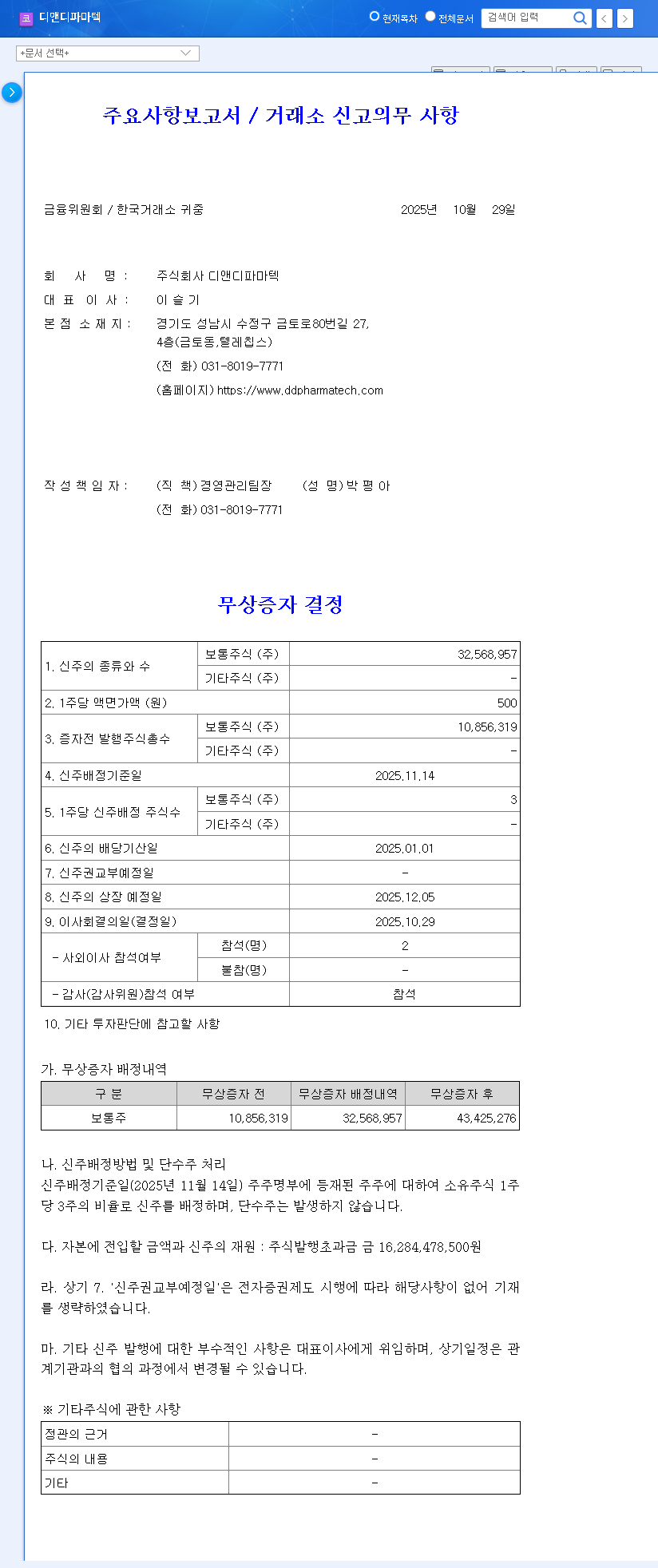
    On October 29, 2025, D&D Pharmatech formally announced its plan for a 300% free share issue. This means for every one share an investor holds, they will receive three additional new shares at no cost. The key dates for this event are:

    • Record Date: November 14, 2025
    • New Share Listing Date: December 5, 2025

    This move effectively quadruples the number of outstanding shares. The specifics of this corporate action were confirmed in the company’s filing. Official Disclosure (Source: DART).

    A free share issue, or bonus issue, does not change the company’s market capitalization. It reallocates funds from reserves to capital stock and increases the share count, theoretically reducing the per-share price proportionally.

    Core Fundamentals: The Engine Behind the Stock

    A free share issue is meaningless without strong fundamentals. D&D Pharmatech’s recent performance reveals a classic biotech profile of high potential balanced by significant risk.

    Positive Catalysts (Growth Drivers)

    • DD01 (MASH Treatment) Success: Achieving the primary endpoint in its Phase 2 clinical trial is a massive milestone. MASH (Metabolic dysfunction-associated steatohepatitis) is a major unmet medical need, and this success is a key driver for global partnerships and pipeline valuation.
    • Promising Obesity Pipeline: With its oral peptide technology (MET-002o), the company is well-positioned in the rapidly expanding obesity treatment market, a sector attracting immense investment and attention.
    • Strong R&D and IP: A history of successful technology transfers and co-development projects, combined with a strengthening IP portfolio, creates a solid foundation for future licensing deals.

    Challenges and Considerations

    • High R&D Burn Rate: Research and development costs are substantial and far exceed current sales. Profitability hinges entirely on future clinical successes and successful technology transfers.
    • Persistent Operating Losses: The company continues to post losses on a consolidated basis, underscoring the need for strategic financial management and future fundraising.
    • Potential for Future Dilution: The presence of stock options and convertible bonds means the share count could increase further in the future, independent of this bonus issue.

    Market Impact of the D&D Pharmatech Free Share Issue

    Short-Term Stock Price Effects

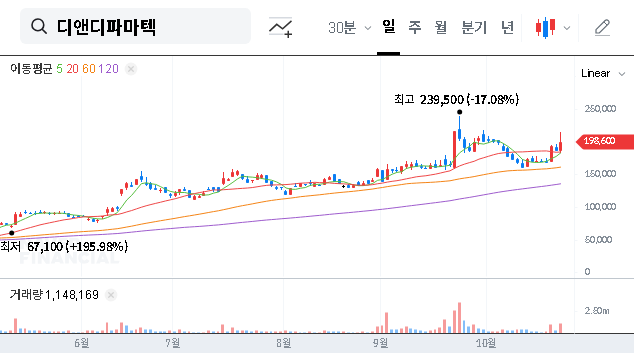
    The announcement is likely to boost short-term investor interest. The increased liquidity and lower per-share price can make the stock seem more accessible, potentially leading to a price run-up before the record date. However, as the company’s intrinsic value remains unchanged, this momentum can be fleeting if not supported by new, positive fundamental news. Information on market trends can often be found on platforms like Bloomberg.

    Long-Term Value Proposition

    From a long-term perspective, the D&D Pharmatech free share issue is a secondary factor. The ultimate determinant of the stock’s value will be the progress of its clinical pipelines. The success of DD01 and the advancement of its obesity treatments are the true value drivers. The increased share liquidity is a positive structural change, but it’s the science that will dictate the company’s trajectory over the next several years.

    Actionable Investment Strategy

    Investors should tailor their approach based on their time horizon and risk tolerance. Understanding the nuances of this event is key to making an informed decision. For deeper insights, you might explore our guide on how to analyze biotech stocks.

    For the Short-Term Investor

    Traders might capitalize on the volatility around the record and listing dates. Monitor trading volumes and price action closely. A surge in interest could present profit-taking opportunities. However, be wary of a ‘sell the news’ event after the new shares are listed. A cautious approach with defined entry and exit points is crucial.

    For the Long-Term Investor

    Focus on the fundamentals, not the share issue itself. The key questions are: Can D&D Pharmatech secure a lucrative partnership for DD01? Will their obesity pipeline continue to show promise? Can they manage their cash burn effectively until they reach profitability? The bonus shares are a nice addition, but your investment thesis should be built on the company’s long-term scientific and commercial potential.

    Frequently Asked Questions (FAQ)

    Q1: How will the D&D Pharmatech free share issue affect my total investment value?

    Immediately after the issue, your total investment value should theoretically remain the same. While you will own four times as many shares, the price per share is expected to adjust downwards to roughly one-fourth of its pre-issue price. Future changes in value will depend on market performance.

    Q2: Does a free share issue mean the company is financially healthy?

    Not necessarily. It indicates the company has sufficient accumulated reserves to convert into share capital. For a biotech company like D&D Pharmatech, it’s more of a signal of confidence and a tool to increase liquidity rather than a direct indicator of current profitability.

    Q3: What’s the difference between a free share issue and a stock split?

    While the outcome is similar (more shares at a lower price), the accounting is different. A stock split reduces the par value of each share, while a free share issue converts company reserves into capital stock, keeping the par value the same. For most investors, the practical effect on their portfolio is nearly identical.

    Q4: What are the biggest risks for D&D Pharmatech stock right now?

    The primary risks are clinical and financial. The failure of a key clinical trial, especially for DD01, would be a major setback. Financially, the high R&D spending requires careful management, and the company may need to raise additional capital in the future, which could lead to further dilution.

    (347850) D&D Pharmatech Free Share Issue (300%): A Deep-Dive Stock Analysis 관련 이미지
  • (115180) Qurient Convertible Bond (₩12.8B): Investor’s Deep Dive on Stock Impact & Strategy (115180)

    (115180) Qurient Convertible Bond (₩12.8B): Investor’s Deep Dive on Stock Impact & Strategy (115180)

    The recent announcement of the Qurient convertible bond issuance has sent ripples through the investment community. Qurient Co., Ltd. (115180), a clinical-stage biotech company focused on novel drug development, revealed its plan to raise ₩12.8 billion. For a company navigating the high-stakes, capital-intensive world of pharmaceuticals, this move is a critical lifeline. However, for investors, it presents a complex scenario: is this a vote of confidence in Qurient’s promising pipeline, or a warning sign of potential stock dilution and financial strain?

    This comprehensive analysis will dissect the Qurient CB issuance, examining its immediate and long-term effects on the Qurient stock price. We will explore the fundamentals of the company, the strategic rationale behind the funding, and provide a clear, actionable investment framework for current and prospective shareholders.

    Understanding the ₩12.8 Billion Qurient Convertible Bond Issuance

    On October 29, 2025, Qurient officially disclosed its decision to issue ₩12.8 billion in convertible bonds (CBs) via a private placement. This sum represents approximately 1.85% of the company’s market capitalization at the time of announcement. For full transparency, the filing can be reviewed in the Official Disclosure on DART.

    A Convertible Bond (CB) is a type of debt security that the holder can convert into a specified number of shares of common stock in the issuing company. It’s a hybrid financial instrument, offering the safety of a bond with the upside potential of a stock. For more on this, Investopedia explains in detail.

    Key Terms of the Issuance

    • Total Amount: ₩12.8 billion
    • Method: Private placement to a consortium of investment funds.
    • Conversion Price: ₩19,072 per share.
    • Minimum Adjustment Price (Refixing): ₩13,351 per share.
    • Interest Rates: 0.0% coupon rate, but a 3.0% maturity yield.
    • Payment Date: November 6, 2025.

    The ‘Why’: Fueling R&D in a Cash-Burn Industry

    Like most novel drug development companies, Qurient operates in a state of planned financial loss. The journey from preclinical research to commercialization is long and astronomically expensive. For the first half of 2025, the company reported an operating loss of ₩13.4 billion. This Qurient convertible bond is not a sign of failure, but a standard strategic maneuver in biotech investment to secure vital capital for ongoing R&D.

    The funds are essential for advancing Qurient’s key clinical pipelines, primarily Mociclip (Q901) for cancer treatment and Adrixetinib (Q702), an Axl/Mer/CSF1R inhibitor. Mociclip, in particular, is a source of high expectations due to its promising preclinical data and a co-development deal with a major global pharmaceutical partner. This capital injection ensures these critical trials can proceed without delay, which is paramount to unlocking the company’s long-term value. For a deeper look at similar financial strategies, check out our guide to biotech stock analysis.

    Analysis of Impact on Qurient Stock Price

    The Bull Case: Confidence and Continuity

    • R&D Runway Secured: The ₩12.8 billion provides a crucial financial runway, de-risking the company’s operations for the near future and allowing management to focus on clinical execution.
    • Vote of Confidence: The participation of venture capital firms like SBI Innovative Growth Fund is a strong positive signal. These sophisticated investors have conducted extensive due diligence, and their investment implies confidence in Qurient’s technology and management.
    • Future Balance Sheet Health: Should the stock price rise significantly and the bonds convert to equity, Qurient’s debt will be reduced, strengthening its financial structure without a cash outlay.

    The Bear Case: Dilution Overhang and Financial Burden

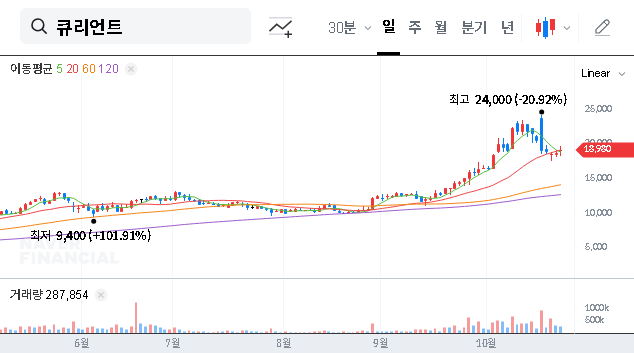
    • The Conversion Price Gap: The most glaring issue is the massive gap between the current stock price (around ₩85) and the conversion price (₩19,072). This makes near-term conversion virtually impossible and signals that the new investors are betting on a monumental, long-term turnaround.
    • Potential Stock Dilution: While not an immediate threat, the bonds represent a future overhang. If the company achieves clinical success and the stock price soars, the conversion of these bonds would introduce new shares to the market, diluting the ownership stake of existing shareholders. At the minimum refixing price of ₩13,351, this issuance could create over 958,000 new shares.
    • Maturity Burden: If the stock price fails to appreciate and the bonds do not convert, Qurient will be obligated to repay the principal plus the 3.0% maturity yield. For a company still in its loss-making phase, this future financial obligation is a tangible risk.

    Investment Strategy & Outlook for Qurient (115180)

    The Qurient CB issuance is a neutral-to-slightly-positive event in the short term but a pivotal data point for long-term investors. It confirms the company has the capital to proceed, shifting the focus squarely onto execution.

    For Short-Term Traders: This news is unlikely to be a significant catalyst. The stock will remain volatile and driven by broader market sentiment and any upcoming clinical data announcements, not by this financing event. The conversion price gap may even weigh on sentiment.

    For Long-Term Investors: Your thesis should not change. The investment case for Qurient rests entirely on the success of its drug pipelines. This financing simply keeps the dream alive. The key is to monitor clinical trial progress, partnership updates, and potential technology transfer news. The ultimate determinant of the Qurient stock price will be scientific and clinical outcomes, not financial engineering.

    In conclusion, while the Qurient convertible bond provides essential fuel, the engine of growth remains its innovative science. Investors should view this as a necessary step that enables the company to pursue its long-term vision, while remaining keenly aware of the inherent risks and dilutive potential down the road.

    (115180) Qurient Convertible Bond (₩12.8B): Investor's Deep Dive on Stock Impact & Strategy (115180) 관련 이미지
  • (298380) ABL Bio’s ADC Power Play: Analyzing the NEOK Bio Acquisition & Pipeline Impact

    (298380) ABL Bio’s ADC Power Play: Analyzing the NEOK Bio Acquisition & Pipeline Impact

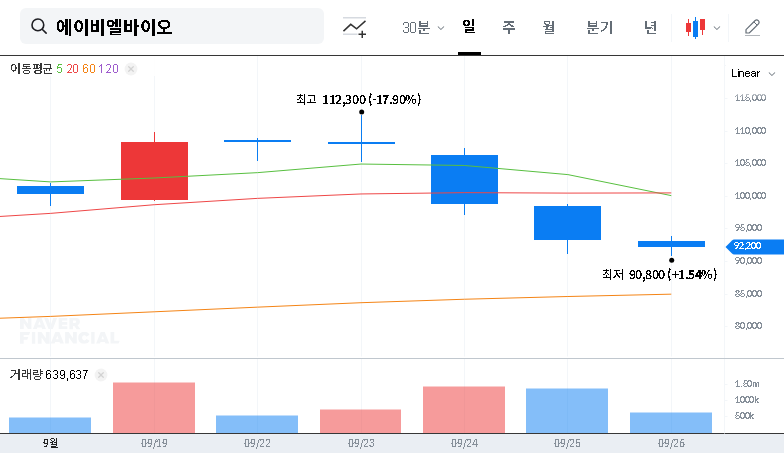
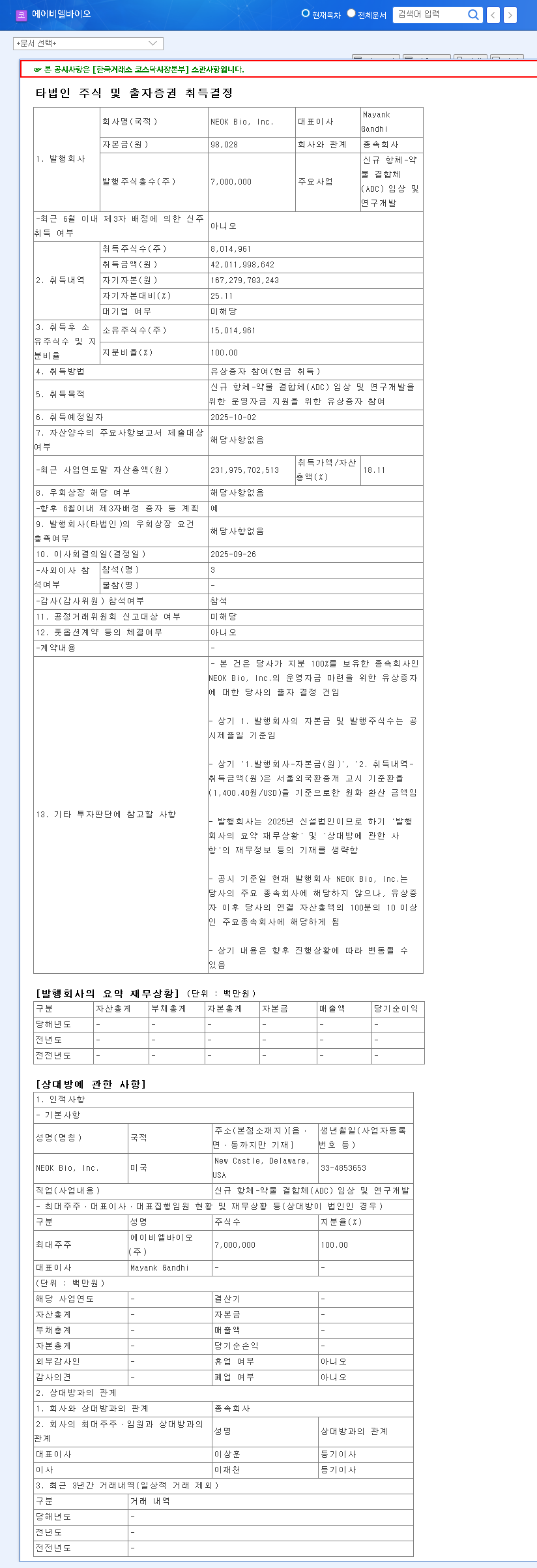
    The ABL Bio ADC strategy has taken a bold leap forward, signaling a pivotal moment for the company and the broader oncology landscape. In a decisive move to fortify its position in the highly competitive biotech arena, ABL Bio Inc. (298380) has announced a major equity investment in NEOK Bio, Inc., a firm specializing in the clinical development of Antibody-Drug Conjugates (ADCs). This is more than a simple financial transaction; it’s a calculated maneuver to build a robust pipeline and secure a dominant role in the future of targeted cancer therapy. This deep-dive analysis will unpack the specifics of the investment, its strategic implications, and what it means for the future of ABL Bio’s stock and corporate value.

    Understanding Antibody-Drug Conjugates (ADCs): The ‘Magic Bullet’ of Oncology

    Before delving into the specifics of the deal, it’s crucial to understand why ADCs are generating so much excitement. Often described as ‘biological missiles,’ an antibody-drug conjugate is a highly targeted biopharmaceutical drug that combines a monoclonal antibody with a potent cytotoxic payload. The antibody is designed to seek out and bind to specific proteins (antigens) on the surface of cancer cells, delivering the chemotherapy agent directly to the tumor while largely sparing healthy cells. This precision approach, as explained by leading research bodies like the National Cancer Institute, promises greater efficacy and reduced side effects compared to traditional chemotherapy.

    This isn’t just an investment; it’s a declaration of ABL Bio’s ambition to lead the next wave of targeted cancer therapies through a world-class ABL Bio ADC program.

    The Deal: A Closer Look at the ABL Bio and NEOK Bio Partnership

    On October 28, 2025, ABL Bio cemented its commitment by acquiring a controlling 95.26% stake in NEOK Bio, Inc. through a capital increase valued at approximately KRW 14.3 billion (Source: Official Disclosure). Uniquely, this wasn’t a straightforward cash purchase. ABL Bio is transferring its promising new drug candidates, ABL206 and ABL209, to NEOK Bio in exchange for new shares. This structure underscores a deep, symbiotic partnership founded on technology and equity, designed to fast-track global clinical trials and amplify R&D efforts in the ADC space.

    The Strategic Rationale Behind the ABL Bio ADC Expansion

    This NEOK Bio investment is a direct reflection of ABL Bio’s robust financial health and forward-looking strategy. The company’s H1 2025 report revealed a 133% year-over-year revenue surge to KRW 77.9 billion, driven by a landmark technology transfer deal with GSK. With a healthy cash position of KRW 132.7 billion and a low debt-to-equity ratio, ABL Bio is perfectly positioned to fund this expansion without financial strain. By pairing its world-class bispecific antibody platform, Grabody™, with NEOK Bio’s specialized clinical trial and ADC development expertise, ABL Bio aims to create a powerhouse of innovation and accelerate its ABL Bio pipeline development.

    Implications: Opportunities and Hurdles on the Horizon

    This strategic alliance presents both immense opportunities and notable challenges that investors must consider. The potential for synergy is the most compelling upside.

    Key Advantages of the Investment

    • Pipeline Fortification: Acquiring specialized ADC expertise immediately enhances the value of candidates ABL206 and ABL209, significantly de-risking their path through clinical development.
    • Future Growth Engine: The ADC market is one of the fastest-growing segments in oncology. This move positions ABL Bio to capture a significant share of this high-value market.
    • Technological Synergy: This partnership sets the stage for future breakthroughs by combining ABL Bio’s antibody engineering, including their Grabody™ bispecific antibody platform, with NEOK Bio’s conjugation and payload technologies.

    Potential Risks and Considerations

    • Clinical Trial Uncertainty: New drug development is inherently risky. The success of the entire ABL Bio ADC venture hinges on positive clinical outcomes from NEOK Bio’s trials.
    • Integration Challenges: Merging company cultures and aligning R&D strategies will require significant management resources and effort to ensure a seamless and productive integration.

    Investor Takeaway: Navigating ABL Bio’s Next Chapter

    ABL Bio’s investment in NEOK Bio is a forward-thinking move that could redefine its growth trajectory. While the risks associated with drug development are real, the strategic rationale is sound. Investors should closely monitor the clinical trial progress of NEOK Bio’s ADC candidates, the realization of synergies with ABL Bio’s existing platforms, and the efficiency of the post-acquisition integration. This decisive step into the ADC arena has the potential to be the catalyst that elevates ABL Bio to the next tier of global biopharmaceutical leaders, making the ABL Bio stock one to watch closely.

    (298380) ABL Bio's ADC Power Play: Analyzing the NEOK Bio Acquisition & Pipeline Impact 관련 이미지
  • (215600) SillaJen IR Event 2025: A Deep-Dive Analysis for Investors | Stock & Pipeline Insights

    (215600) SillaJen IR Event 2025: A Deep-Dive Analysis for Investors | Stock & Pipeline Insights

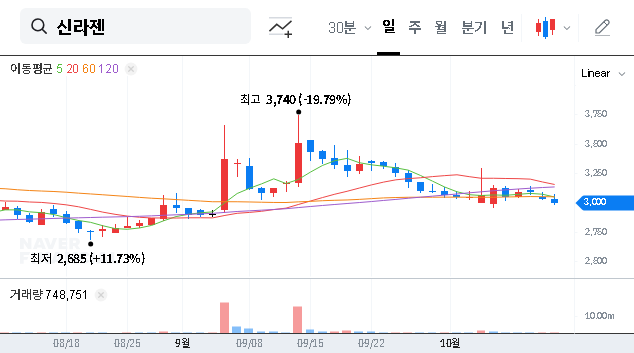
    The upcoming SillaJen IR event is a landmark moment for biotech investors, poised to provide critical insights into the company’s future growth and valuation. As a key player in innovative new drug development, SillaJen, Inc. faces immense market scrutiny. This comprehensive analysis will unpack the agenda for the event, explore the potential impacts on SillaJen stock, and outline actionable strategies for investors looking to navigate the outcomes. By understanding the stakes, you can better position your investment portfolio for what lies ahead.

    This event isn’t just a corporate presentation; it’s a direct line to the company’s leadership and a transparent look at the data driving its future. For a company whose value is intrinsically tied to its research and development progress, clear communication is paramount.

    Event Details: What to Expect from the SillaJen IR Event

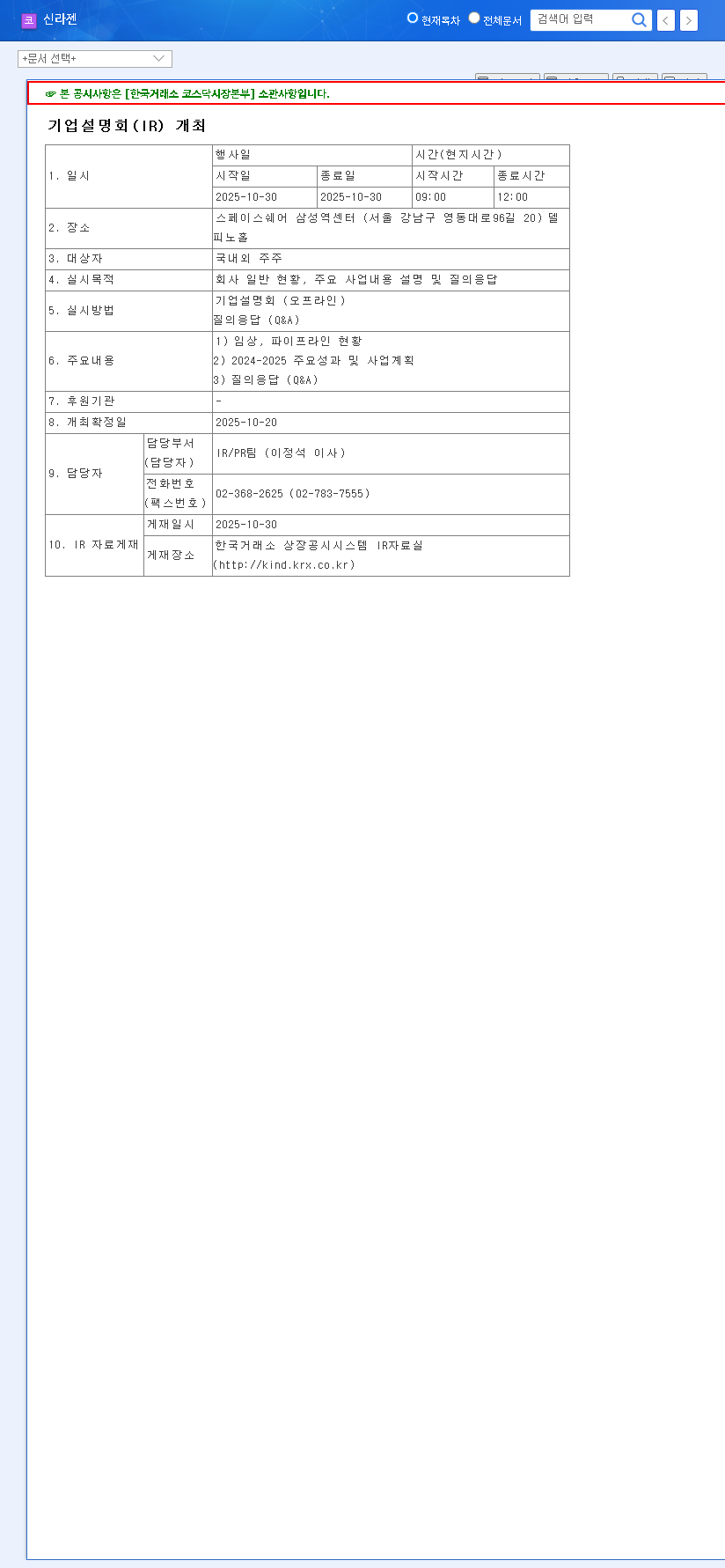
    SillaJen, Inc. is scheduled to host its pivotal Corporate Investor Relations (IR) event on October 30, 2025, at 9:00 AM KST. The event, targeting institutional investors, analysts, and key stakeholders, will delve into the company’s current standing and strategic direction. According to the Official Disclosure (Source: DART), the agenda is structured around three core pillars:

    • Clinical and Pipeline Status: This is the centerpiece. Investors will anticipate detailed updates on ongoing clinical trials and the forward-looking potential of the SillaJen pipeline. Any new data, particularly for lead candidates, will be heavily scrutinized.
    • 2024-2025 Achievements & Business Plan: A review of recent milestones and a clear roadmap for future growth strategies, including potential partnerships, market expansion, and commercialization plans.
    • Management Q&A Session: An open forum for investors to probe deeper into the presented material, test management’s assumptions, and gain clarity on pressing concerns. The quality of these responses often reveals leadership’s confidence and preparedness.

    With a market capitalization hovering around 414.4 billion KRW, the market is eager to see if this biotech investor relations event can serve as a catalyst for a significant re-evaluation of the company’s intrinsic value.

    In the world of biotech investing, data is king. A successful IR event hinges not just on promises of future success, but on the presentation of credible, compelling clinical data that validates the company’s scientific platform.

    Analyzing the Potential Impact on SillaJen’s Valuation

    Corporate IR events are double-edged swords. They offer a unique platform for value creation but also carry the risk of exposing weaknesses. A well-executed presentation can build momentum, while a disappointing one can trigger a sharp decline in SillaJen stock. Let’s examine both sides.

    The Bull Case: Positive Catalysts

    • Enhanced Transparency: Providing clear, detailed information builds trust and can attract a new class of long-term investors who were previously on the sidelines due to uncertainty.
    • Pipeline De-risking: Positive clinical data or a clear regulatory pathway for a key drug can significantly de-risk the SillaJen pipeline in the eyes of the market, leading to a higher valuation.
    • Management Confidence: A strong, confident performance during the Q&A can solidify belief in the leadership’s ability to navigate the complex challenges of drug development.

    The Bear Case: Potential Risks and Headwinds

    • Unmet Expectations: The market often builds up high expectations before an IR event. If the news is merely ‘good’ instead of ‘great’, it can trigger a ‘sell the news’ reaction.
    • Negative Surprises: Any unexpected disclosure of trial delays, ambiguous data, or a downward revision of business plans could severely damage investor sentiment.
    • Ambiguous Communication: Evasive or unclear answers during the Q&A can create more uncertainty than they resolve, leading investors to price in a higher risk premium.

    Actionable Investor Strategy Post-IR Event

    A prudent SillaJen investment strategy requires careful analysis, not impulsive reaction. Following the event, investors should adopt a multi-faceted approach to digest the information and assess its true impact.

    Step 1: Scrutinize the Core Announcements

    Go beyond the headlines. Meticulously review the specific clinical data presented for each pipeline asset. Look for statistical significance, patient population details, and safety profiles. For the business plan, assess its feasibility, timelines, and the capital resources required to achieve it. Compare these new details with previous company statements to identify any shifts in strategy. For more context on this, you may want to read our guide on A Deep Dive into SillaJen’s Pexa-Vec Pipeline.

    Step 2: Gauge the Market’s Reaction

    Observe the immediate market reaction, but don’t be swayed by it. Pay closer attention to the analysis from reputable biotech analysts and financial news outlets like Bloomberg. Institutional reports released in the days following the event will provide a more sober assessment of the long-term implications than the initial price volatility.

    Step 3: Conduct Deeper Due Diligence

    The IR event is a starting point, not a conclusion. Use the new information to refresh your own analysis:

    • Financial Health: Re-evaluate the company’s cash runway based on the new business plan. Is there enough capital to reach the next major milestone, or is a dilutive financing round likely?
    • Competitive Landscape: How does the new data position SillaJen relative to its competitors? Has its potential market share or timeline-to-market changed?
    • Risk Assessment: Update your thesis. What are the biggest risks now? Are they clinical, regulatory, financial, or competitive? A clear-eyed view of risk is essential for any sound SillaJen investment decision.

    Ultimately, the 2025 SillaJen IR event will be a crucial data point. By preparing in advance and analyzing the outcomes methodically, investors can move beyond the noise and make informed decisions based on the company’s fundamental progress and long-term potential.

    (215600) SillaJen IR Event 2025: A Deep-Dive Analysis for Investors | Stock & Pipeline Insights 관련 이미지
  • (358570) GI-301 Milestone Payment: A Deep Dive into GI Innovation’s KRW 5.5B Windfall

    (358570) GI-301 Milestone Payment: A Deep Dive into GI Innovation’s KRW 5.5B Windfall

    In the high-stakes world of biotech investment, few events are more telling than the achievement of a clinical milestone. For GI Innovation Inc., a recent development concerning its key pipeline asset, GI-301, has sent a clear signal to the market. The company announced the receipt of a significant GI-301 milestone payment from its partner, Yuhan Corporation. This isn’t just a simple cash infusion; it’s a powerful validation of the drug’s potential and a critical data point for current and prospective investors.

    This in-depth analysis will dissect the announcement, exploring the financial implications, the scientific validation it represents, and what this pivotal moment means for the long-term value of GI Innovation Inc. We will explore the context behind the payment, its impact on the company’s fundamentals, and provide a strategic outlook for investors navigating the volatile biotech sector.

    Deconstructing the KRW 5.5 Billion Announcement

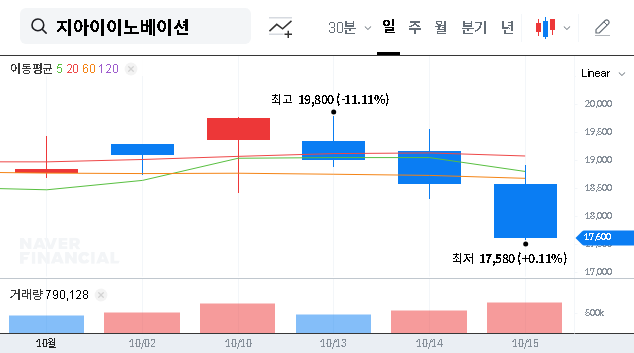
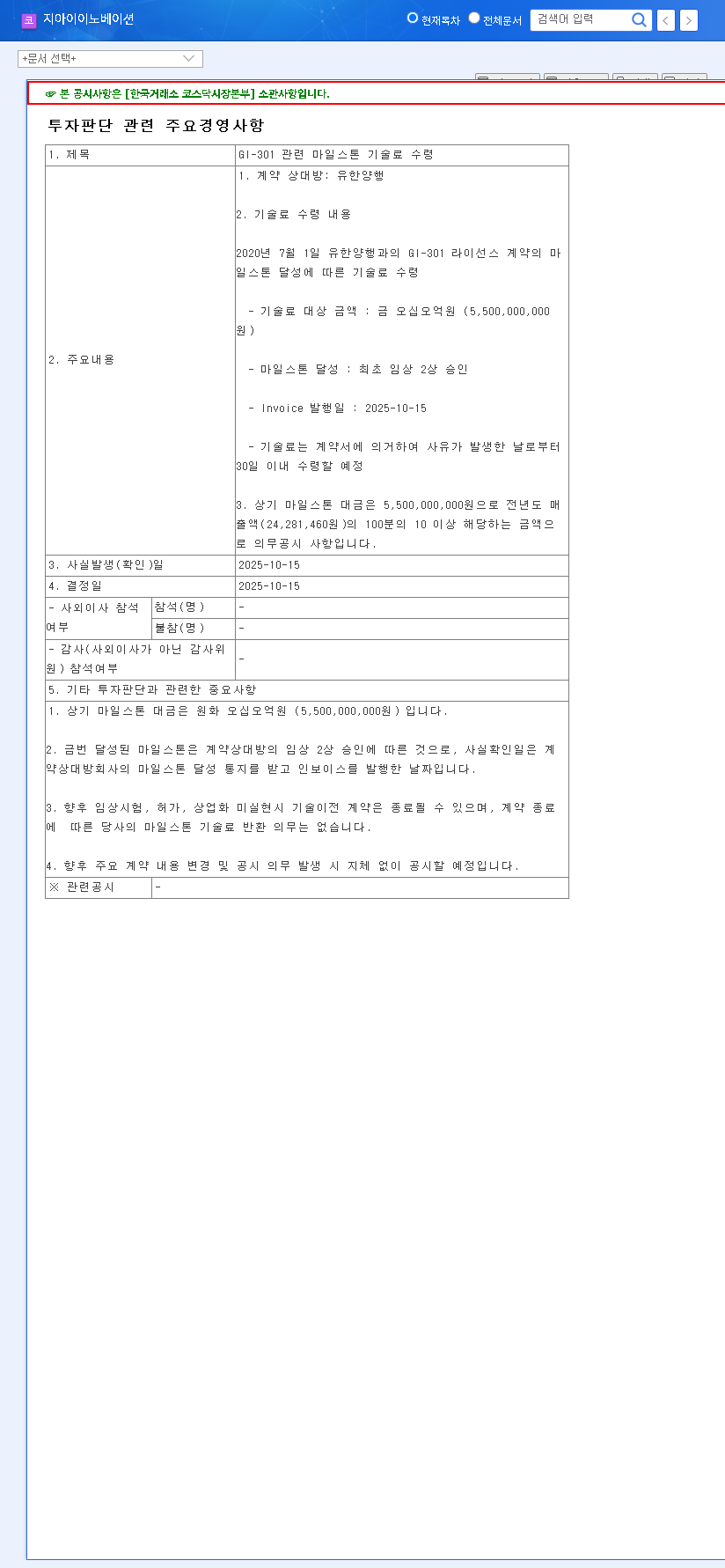
    On October 15, 2025, GI Innovation Inc. formally disclosed the receipt of a KRW 5.5 billion (approx. USD 4.1 million) milestone payment from Yuhan Corporation. This payment was triggered by a crucial achievement in their licensing agreement for GI-301: the official approval to commence a Phase 2 clinical trial. This step is a major hurdle in drug development, moving the focus from initial safety assessments (Phase 1) to evaluating the drug’s efficacy in a larger patient population.

    The financial weight of this payment is underscored by its regulatory implications. Representing over 10% of GI Innovation’s revenue from the previous year, this event mandated a public filing under the Capital Markets Act. The full details can be reviewed in the Official Disclosure (Source: DART). This transparency provides investors with concrete, verifiable information about the company’s progress.

    Why This GI-301 Milestone Payment Matters

    For any biotech company, especially one in the pre-commercial stage, pipeline progress is the primary driver of valuation. A milestone payment is more than just revenue; it’s a multi-faceted signal of success and future potential.

    This payment from a major pharmaceutical partner like Yuhan Corporation serves as an external, objective validation of GI-301’s scientific merit and commercial viability. It signifies that the asset has been de-risked enough to justify continued, significant investment.

    Positive Implications for GI Innovation

    • Enhanced Financial Runway: The KRW 5.5 billion inflow directly boosts the company’s liquidity, extending its operational runway. This crucial capital can fund ongoing R&D and operations without resorting to potentially dilutive financing rounds.
    • Pipeline Validation: Successfully advancing to a Phase 2 clinical trial is a significant scientific achievement. The associated payment from a partner validates this progress in financial terms, increasing confidence in the asset’s underlying technology. For more on this, investors can review the standard FDA drug development process.
    • Strengthened Partnership: This successful milestone reinforces the strategic alliance with Yuhan Corporation, one of Korea’s leading pharmaceutical firms. A strong partnership is critical for navigating the complex and costly path to commercialization.
    • Increased Investor Appeal: Tangible progress like this milestone payment boosts corporate credibility and visibility, making GI Innovation a more attractive candidate for institutional and retail biotech investment.

    Potential Risks and Considerations

    Despite the positive news, prudent investors must remain balanced. Clinical development is inherently risky, and Phase 2 trials have a significant failure rate. While this payment de-risks the asset to a degree, the ultimate outcome is not guaranteed. Furthermore, KRW 5.5 billion, while substantial, may not fundamentally alter the company’s long-term financial structure on its own. The market’s reaction can also be unpredictable, especially if expectations were already high.

    Strategic Outlook for Investors

    This GI-301 milestone payment is a significant green flag, but it’s one data point in a much larger picture. For a comprehensive investment thesis, consider the following actions:

    • Monitor Future Milestones: This is just the beginning. The licensing agreement likely contains larger payments tied to Phase 3 initiation, regulatory submission, approval, and sales thresholds. Keep a close watch on the clinical progress of GI-301.
    • Analyze the Competitive Landscape: Research the target indication for GI-301. Who are the competitors? What are the existing standards of care? Understanding the market potential is crucial for valuing the asset.
    • Evaluate the Entire Pipeline: A diversified pipeline reduces single-asset risk. Investors should review our guide on How to Evaluate a Biotech Company’s Pipeline to assess the other programs GI Innovation is developing.
    • Observe Market Sentiment: Track analyst reports and market reaction to gauge institutional sentiment. However, always base decisions on fundamental analysis rather than short-term market noise.

    In conclusion, the GI-301 milestone payment is a material and positive development for GI Innovation Inc. It provides a welcome financial buffer, validates its R&D strategy, and strengthens a key partnership. While significant risks inherent to drug development remain, this event marks a tangible step forward in the company’s journey toward commercialization. For investors, it serves as a powerful confirmation that the company is executing on its promises, warranting continued and careful observation.

    (358570) GI-301 Milestone Payment: A Deep Dive into GI Innovation's KRW 5.5B Windfall 관련 이미지
  • (261780) CHA’s CVI-VZV-001 Shingles Vaccine: A Deep Dive into the Phase 2 Clinical Trial

    (261780) CHA’s CVI-VZV-001 Shingles Vaccine: A Deep Dive into the Phase 2 Clinical Trial

    The development of the CVI-VZV-001 shingles vaccine by CHA Vaccine Research Institute has reached a pivotal milestone. The company has officially submitted an Investigational New Drug (IND) application to begin a Phase 2 clinical trial. This move signals a significant acceleration in their pipeline and has captured the attention of investors and industry experts alike. This comprehensive analysis will explore the trial’s details, the vast market potential for effective shingles prevention, the inherent risks, and a strategic action plan for those monitoring this promising development.

    Unpacking the CVI-VZV-001 Phase 2 IND Application

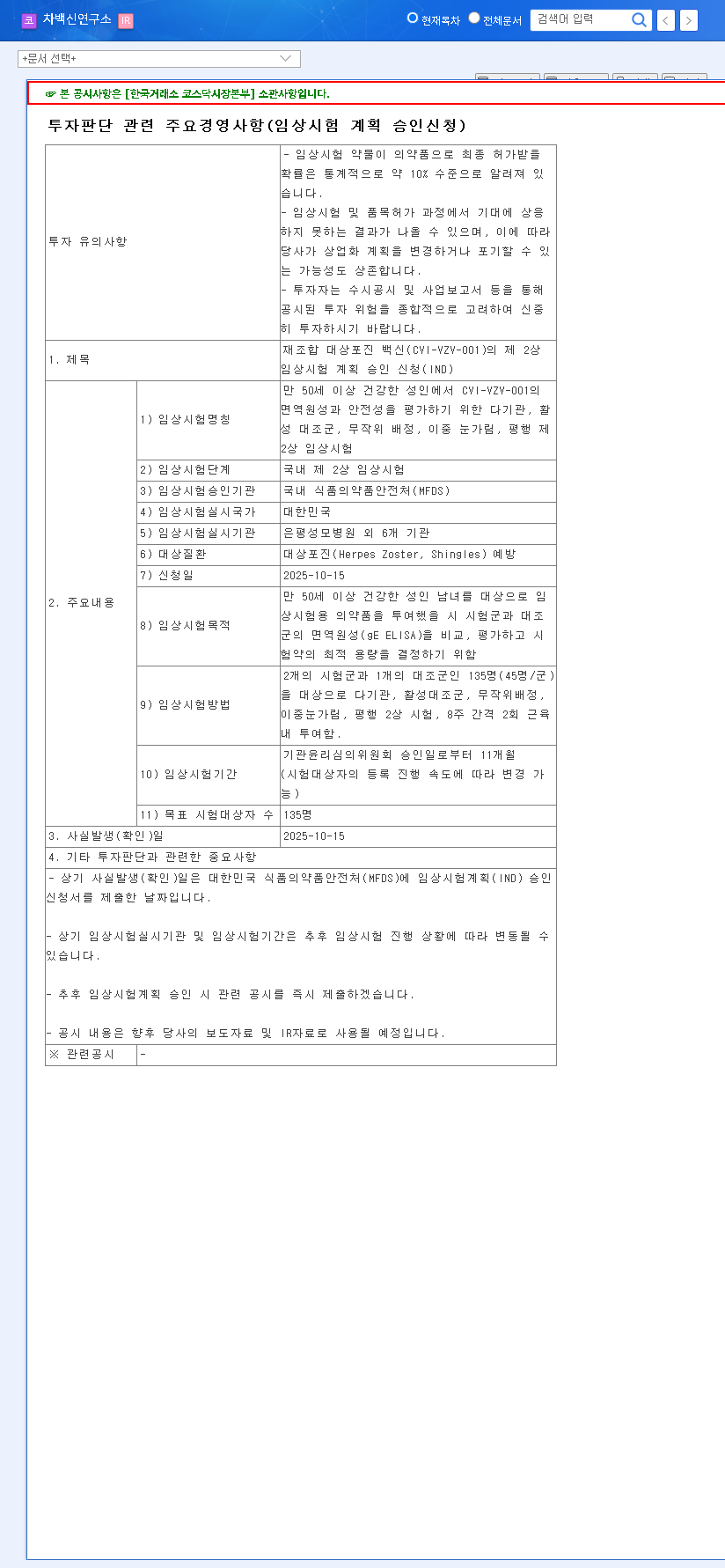
    CHA Vaccine Research Institute has formally requested approval from the Ministry of Food and Drug Safety (MFDS) to proceed with a Phase 2 clinical trial for its recombinant shingles vaccine, CVI-VZV-001. This step is critical, moving the candidate from early-stage safety evaluations to a more rigorous assessment of its effectiveness and optimal dosage in a larger population.

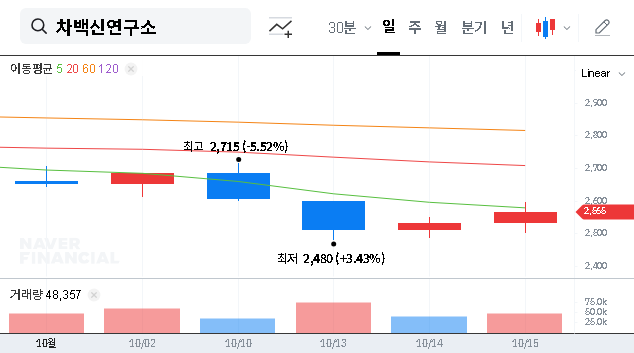
    The primary goal of this Phase 2 trial is to evaluate the optimal dose, immunogenicity, and safety of CVI-VZV-001 in healthy adults aged 50 and over, the primary demographic for shingles prevention.

    Key Details of the Clinical Trial

    • Target Indication: Prevention of Herpes Zoster (Shingles)
    • Trial Phase: Domestic Phase 2 Clinical Trial
    • Participant Group: 135 healthy adults aged 50 and older.
    • Study Design: The trial will include two experimental groups receiving different doses of the CVI-VZV-001 shingles vaccine and one control group. Participants will receive two intramuscular injections spaced eight weeks apart.

    Market Dynamics and Technological Edge

    The global shingles vaccine market is a multi-billion dollar industry, dominated by major players and fueled by an aging global population. According to the CDC, about one in three people in the United States will develop shingles in their lifetime. This high incidence rate underscores the immense demand for safe and effective shingles prevention solutions.

    CHA Vaccine Research Institute’s candidate, CVI-VZV-001, is a recombinant vaccine. This modern platform technology uses a specific, non-infectious piece of the virus (an antigen) to stimulate a robust immune response. This approach is often associated with higher efficacy and a better safety profile compared to older, live-attenuated vaccines. A successful Phase 2 clinical trial would validate this technology and position the company as a serious contender in this lucrative market.

    Impact Analysis: Opportunities and Risks

    Potential Upside for CHA and Investors

    Successfully advancing the CVI-VZV-001 shingles vaccine to Phase 2 carries significant positive implications. It validates the company’s R&D capabilities, de-risks the asset, and builds crucial momentum. Positive interim data could attract partnership opportunities, trigger milestone payments, and lead to a substantial re-evaluation of the company’s stock. Furthermore, it enhances corporate visibility and strengthens investor confidence in the entire development pipeline. For more insights into navigating such opportunities, you can read our guide on evaluating clinical-stage biotech companies.

    Navigating the Inherent Risks

    Biotechnology investment is not without its challenges. The primary risk is clinical failure; if CVI-VZV-001 fails to demonstrate sufficient immunogenicity or reveals unexpected safety concerns, it could halt development and negatively impact the company’s valuation. Clinical trials are also incredibly time-consuming and expensive, often requiring significant capital expenditure that may necessitate future funding rounds. Finally, the competitive landscape is fierce, and regulatory hurdles for final market approval remain a significant, long-term uncertainty.

    Strategic Investor Action Plan

    For investors and observers, a proactive and informed approach is essential. The initiation of the CVI-VZV-001 shingles vaccine’s Phase 2 clinical trial is a catalyst, but diligence is key.

    • Monitor Clinical Progress: Keep a close watch for announcements regarding the official trial start date, patient enrollment milestones, and any interim data releases.
    • Analyze Trial Data Deeply: When results are published, scrutinize the key endpoints. Compare the immunogenicity and safety data of CVI-VZV-001 against existing market leaders to gauge its competitive potential.
    • Assess the Competitive Landscape: Stay informed about the progress of other shingles vaccines in development and any market shifts that could impact CVI-VZV-001’s future positioning.
    • Review Official Company Disclosures: The most reliable information will come directly from the source. Investors should regularly consult official investor relations materials and regulatory filings. You can view the Official Disclosure for this announcement directly.

    In conclusion, while the road to commercialization is long, CHA Vaccine Research Institute’s advancement of its CVI-VZV-001 shingles vaccine into Phase 2 is a commendable and promising step. Careful monitoring and analysis will be crucial for understanding its potential to disrupt the future of shingles prevention.

    (261780) CHA's CVI-VZV-001 Shingles Vaccine: A Deep Dive into the Phase 2 Clinical Trial 관련 이미지
  • (140410) Mezzion Pharma Lawsuit: KRW 4.7B Claim Rocks Stock – In-Depth Investor Analysis

    (140410) Mezzion Pharma Lawsuit: KRW 4.7B Claim Rocks Stock – In-Depth Investor Analysis

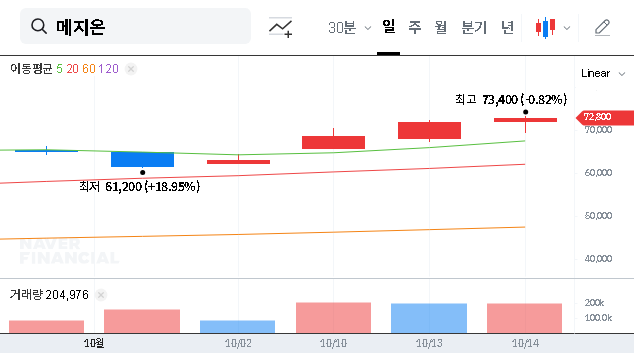
    A significant development has sent ripples through the biotech investment community: a major Mezzion Pharma lawsuit has been filed, creating a new layer of uncertainty for the company and its shareholders. Mezzion Pharma Co., Ltd., already navigating the turbulent waters of new drug development and financial pressures, now faces a ‘Claim for Damages’ lawsuit totaling approximately KRW 4.7 billion. This event could have substantial repercussions for the Mezzion stock price and overall investor confidence.

    This in-depth analysis will explore the specifics of the lawsuit, dissect its potential impact on Mezzion’s precarious financial situation, and offer strategic considerations for those following this critical story in biotech investing. For any investor with a stake in Mezzion Pharma Co., Ltd., understanding the full scope of this challenge is paramount.

    Deconstructing the KRW 4.7 Billion Lawsuit

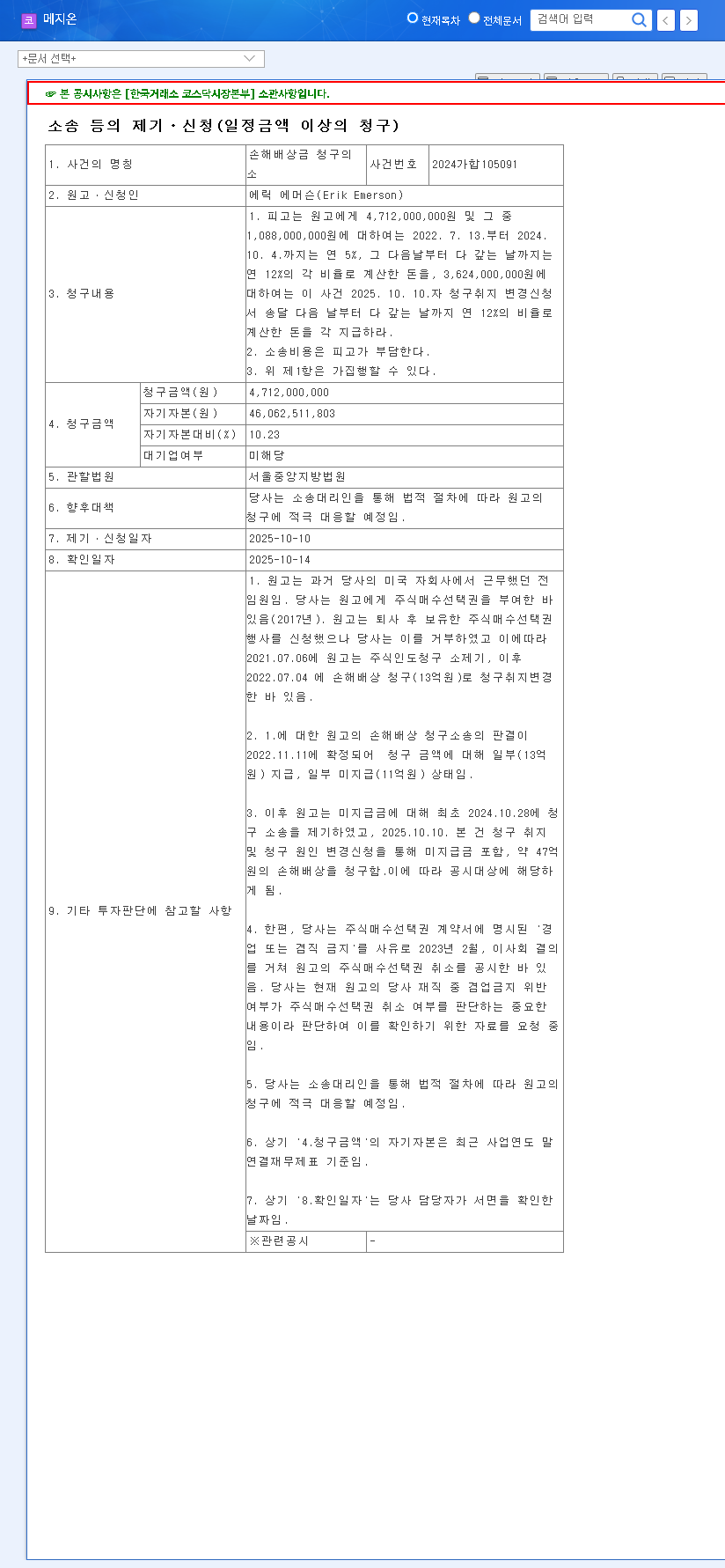
    The legal challenge facing Mezzion is not a minor dispute. It represents a significant financial threat that demands close scrutiny. Here are the core details of the claim filed against Mezzion Pharma Co., Ltd.:

    • Case Name: Claim for Damages
    • Plaintiff: Erik Emerson
    • Jurisdiction: Seoul Central District Court
    • Claim Amount: KRW 4,712,000,000
    • Impact on Assets: This amount represents a staggering 10.23% of Mezzion’s total assets, highlighting the material nature of the claim.
    • Company Response: Mezzion has publicly stated its intention to mount an active legal defense through its representatives. For more details, see the Official Disclosure.

    For a company already facing significant headwinds, a lawsuit of this magnitude is the last thing investors wanted to see. It’s not just the potential financial payout; it’s the diversion of resources and the damage to market sentiment that pose the real threats.

    A Perfect Storm: Compounding Financial and Operational Pressures

    The timing of this Mezzion Pharma lawsuit could not be worse. It arrives when the company’s fundamentals are already under immense strain. To fully grasp the potential fallout, one must consider the broader context of Mezzion’s current state.

    Persistent Drug Development Hurdles

    Mezzion’s primary focus is the development of a treatment for single ventricle heart disease (SVHD) in Fontan surgery patients. This noble pursuit has been fraught with challenges. A key setback occurred when the US FDA recommended additional clinical trials, forcing Mezzion to withdraw its new drug application. This has led to extended development timelines, ballooning R&D costs (reaching KRW 34.2 billion in H1 2025), and a cloud of uncertainty over its most critical asset.

    Deteriorating Financial Health

    The company’s financial statements paint a concerning picture. With high current liabilities (KRW 47 billion) and derivative liabilities (KRW 15.8 billion), Mezzion exhibits a high debt ratio and significant liquidity risk. The recent issuance of KRW 23 billion in convertible bonds adds to this burden. Compounding the issue, revenue from its once-stable BNF business unit has been in decline, removing a crucial financial cushion. This fragile state makes the prospect of a KRW 4.7 billion payout from the lawsuit particularly alarming.

    Analyzing the Mezzion Pharma Lawsuit’s Impact on Stock & Strategy

    Given the context, the repercussions of this lawsuit are likely to be multi-faceted, affecting investor sentiment, financial stability, and long-term business operations.

    • Stock Price Volatility: The news is a clear negative catalyst for Mezzion stock. Expect heightened short-term downward pressure as the market digests the risk. The 10.23% of assets figure will likely fuel sell-offs from risk-averse investors.
    • Deteriorating Cash Flow: An unfavorable verdict would directly impact Mezzion’s cash reserves, further straining its ability to fund ongoing R&D and meet its debt obligations. This could trigger a vicious cycle of financial distress.
    • Resource Diversion: Legal battles are costly and time-consuming. Management’s focus may be diverted from critical business operations and drug development to litigation strategy, potentially delaying key milestones.

    Strategic Considerations for Mezzion Investors

    For those considering a Mezzion investment or holding a current position, a cautious and informed approach is essential. The market for developmental-stage companies is already volatile, a fact underscored by broader trends in biotech sector analysis from sources like Reuters. Here are key areas to monitor:

    • Transparency and Communication: Watch for how Mezzion communicates the lawsuit’s progress. Prompt, transparent updates can help mitigate market uncertainty.
    • Legal Defense Milestones: Keep an eye on any public statements or filings from Mezzion’s legal team that might indicate the strength of their defense.
    • Financial Contingency Plans: It is critical to see if management outlines a plan to mitigate the financial impact of a potential loss. This could involve asset sales, strategic partnerships, or other forms of financing.
    • Core Business Progress: Ultimately, Mezzion’s long-term value is tied to its drug pipeline. Any positive news on the R&D front could help offset the negative sentiment from the lawsuit. Learn more about how to analyze biotech stocks for a deeper perspective.

    In conclusion, the Mezzion Pharma lawsuit is a material event that significantly elevates the risk profile of the company. Investors must weigh the potential of its drug development pipeline against a backdrop of severe financial strain and now, a costly legal battle. Diligent monitoring and a comprehensive risk assessment are more crucial than ever.

    (140410) Mezzion Pharma Lawsuit: KRW 4.7B Claim Rocks Stock – In-Depth Investor Analysis 관련 이미지
  • (298060) SCM Lifescience Stock Analysis: New Major Shareholder & Future Outlook

    (298060) SCM Lifescience Stock Analysis: New Major Shareholder & Future Outlook

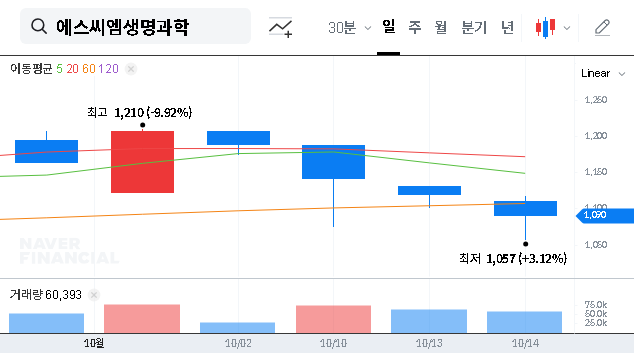
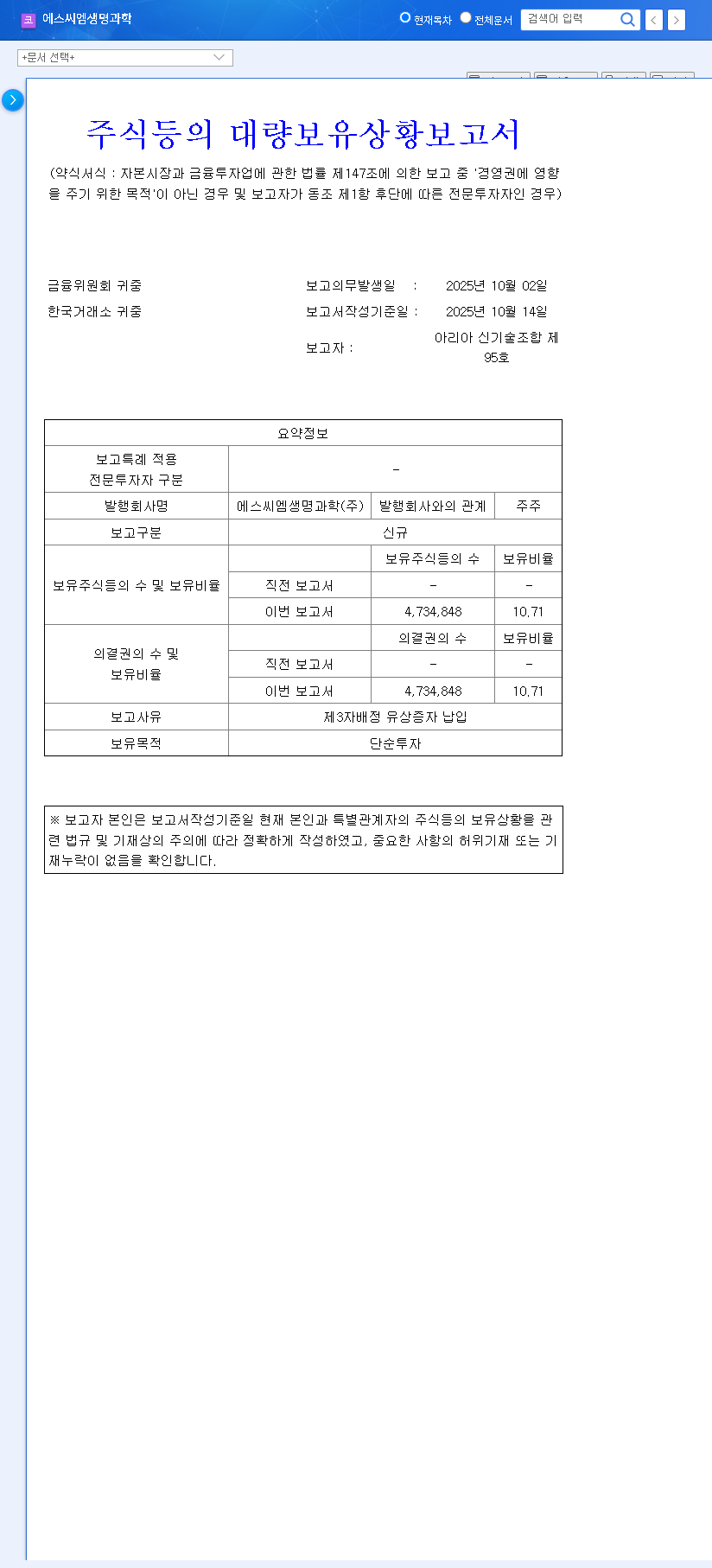
    A significant development at SCM Lifescience Co., Ltd. has captured the market’s attention, as the ‘Aria New Technology Association No. 95’ emerges as a new major shareholder. This pivotal shift not only reshapes the company’s ownership structure but also confirms the successful infusion of capital from recent increases. For investors, this news brings a mix of optimism about financial stability and questions regarding the company’s future trajectory. What does this mean for the SCM Lifescience stock and its long-term potential?

    This comprehensive analysis delves into the implications of this event, examining the company’s core fundamentals, the challenging market environment, and what investors can expect in the short and long term. We’ll provide a balanced perspective on the opportunities and risks facing SCM Lifescience today.

    The Event: ‘Aria New Technology Association’ Takes a Major Stake

    SCM Lifescience officially announced that ‘Aria New Technology Association No. 95’ has secured a 10.71% stake, becoming a major shareholder. This acquisition is the direct result of successfully completed payments for third-party allocation capital increases that occurred in March, April, and June. The full details were published in an Official Disclosure on the DART system.

    This development is significant for several reasons:

    • Validation of Capital Infusion: It confirms that the planned KRW 80 billion capital injection is complete, bolstering the company’s balance sheet and operational runway.
    • Strategic Influence: The arrival of a new major shareholder could signal a shift in corporate strategy, bringing new perspectives and potentially more active oversight to management decisions.
    • Increased Investor Confidence: Such a substantial investment can be viewed as a vote of confidence in the company’s long-term vision and its pipeline, potentially attracting further interest. For more background on institutional investment, see this overview from a leading financial news source.

    An In-Depth SCM Lifescience Analysis: Strengths vs. Hurdles

    To understand the road ahead, we must weigh the company’s growth potential against its current profitability and clinical challenges.

    Positive Catalysts: Financial Health and Diversification

    The recent capital increase has dramatically improved the company’s financial posture. With KRW 80 billion in fresh funds and total borrowings reduced to zero, SCM Lifescience has significantly de-risked its financial profile. This provides a crucial buffer to fund costly R&D without immediate financing pressures. Furthermore, the strategic addition of 17 new business objectives, spanning from biopharmaceutical R&D to derma-cosmetics, signals a clear intent to diversify revenue streams and reduce reliance on a single clinical outcome.

    Negative Factors and Ongoing Risks

    Despite external growth, profitability remains elusive. High, yet necessary, R&D expenditures continue to result in operating and net losses. The most significant headwind is the uncertainty surrounding its core clinical pipeline. The Phase 2 trial for SCM-CGH (chronic graft-versus-host disease) failed to meet its primary endpoint, casting doubt on its path to market. Progress on SCM-AGH (acute pancreatitis) is also expected to be slow. These clinical realities are central to any biotech investment thesis. To learn more, consider reading our guide on how to evaluate biotech stocks.

    For SCM Lifescience, the key challenge is converting its strengthened financial position into tangible clinical success and, ultimately, profitability. The path forward requires flawless execution in R&D and strategic capital allocation.

    Future Outlook: Short and Long-Term Projections

    Short-Term (1-3 Months)

    In the immediate future, investor sentiment is likely to be positive due to the confirmed capital injection. This can reduce perceived risk and may lead to increased stock price volatility as the market digests the news. However, fundamental business operations are unlikely to change overnight. The focus will remain on the shareholder shift rather than on new clinical data.

    Mid-to-Long Term (3-12+ Months)

    The long-term value of SCM Lifescience will be determined by its ability to achieve key milestones. The efficient use of the new capital to advance clinical trials and materialize its diversification strategy is paramount. The success or failure of its core pipeline, particularly the next steps for SCM-CGH and SCM-AGH, remains the single most critical factor. Additionally, investors will watch closely to see if the new major shareholder takes an active role in steering the company towards greater R&D efficiency and profitability.

    Investor Action Plan & Final Thoughts

    Investing in SCM Lifescience requires a balanced and patient approach. The emergence of ‘Aria New Technology Association’ is a clear positive for financial stability, but the underlying clinical and profitability risks have not disappeared.

    • For Short-Term Traders: Be prepared for heightened volatility. The news may create short-term trading opportunities, but caution is advised until a clear trend emerges.
    • For Long-Term Investors: The focus should be on monitoring pipeline progress, the performance of newly launched business segments, and any signs of improved R&D efficiency. The ultimate success story will be written in the clinic, not just the boardroom.

    In conclusion, while the new shareholder provides a significant tailwind, the journey for SCM Lifescience is still one of high risk and high potential reward. Diligent monitoring of clinical trial data and financial reports will be essential for making informed investment decisions.

    (298060) SCM Lifescience Stock Analysis: New Major Shareholder & Future Outlook 관련 이미지