Tag: Biotech Investment

  • (298380) ABL Bio & Eli Lilly Investment: A Deep Dive into the ₩220B Deal

    (298380) ABL Bio & Eli Lilly Investment: A Deep Dive into the ₩220B Deal

    The ABL Bio Eli Lilly investment has sent shockwaves through the global biotech industry. In a landmark move, South Korean innovator ABL Bio Inc. has secured a strategic ₩220 billion rights offering from pharmaceutical giant Eli Lilly and Company. This isn’t just a financial transaction; it’s a resounding endorsement of ABL Bio’s pioneering dual-antibody platform, Grabody™, and a powerful catalyst for its future growth. This deep dive will analyze the specifics of the deal, its profound implications for ABL Bio’s pipeline, and what it means for investors watching ABL Bio stock.

    This strategic partnership is poised to accelerate the development of next-generation therapies, potentially transforming treatment paradigms for cancer and neurodegenerative diseases.

    Deconstructing the Landmark ₩220 Billion Rights Offering

    On November 14, 2025, ABL Bio formally announced its decision to proceed with a third-party allocation rights offering. The specifics of this transaction, detailed in an Official Disclosure (Source), underscore the strategic nature of this partnership:

    • Investor: Eli Lilly and Company, a single, high-profile investor, highlights the targeted and strategic intent behind the capital raise.
    • Total Value: Approximately ₩220 billion (around $160 million USD).
    • Shares Issued: 175,079 new common shares.
    • Issue Price: ₩125,900 per share, a price point that reflects strong confidence in the company’s valuation.
    • Timeline: The payment is scheduled for December 26, 2025, with the new shares expected to be listed on January 9, 2026.

    This significant capital injection provides ABL Bio with a fortified balance sheet, enabling it to aggressively pursue its ambitious R&D goals without near-term financial constraints. To learn more about financial strategies in this field, you can explore guides on how to evaluate biotech investments.

    Why Eli Lilly Bet Big: The Power of the Grabody™ Platform

    Eli Lilly’s decision to make such a substantial investment is not speculative. It is a calculated move based on the proven technological excellence and immense potential of ABL Bio’s core assets, particularly its Grabody platform.

    The Competitive Edge of Grabody™

    Grabody™ is a proprietary dual-antibody (or bispecific antibody) platform technology. Unlike traditional antibodies that target a single protein, bispecific antibodies can simultaneously bind to two different targets. This allows for novel therapeutic approaches, such as redirecting immune cells to kill cancer cells or transporting drugs across the challenging blood-brain barrier (BBB). The platform’s market validation is already evident, with a major technology transfer deal with GSK UK leading to a threefold revenue increase in the past year.

    A Robust and Diversified Clinical Pipeline

    The ABL Bio Eli Lilly investment also serves as a vote of confidence in its promising pipeline of drug candidates. Key assets include:

    • ABL001 (VEGFxDLL4): An anti-cancer agent that targets two distinct pathways involved in tumor growth and blood vessel formation.
    • ABL301: A groundbreaking treatment for Parkinson’s disease designed to cross the blood-brain barrier to deliver a therapeutic payload that targets alpha-synuclein, a protein central to the disease’s progression. The potential of ABL301 is a significant driver of investor interest.

    These clinical-stage assets, alongside others in earlier development, position ABL Bio at the forefront of treating some of the world’s most challenging diseases, a mission supported by global health institutions like the World Health Organization.

    Investment Impact: Catalysts and Considerations

    The ABL Bio rights offering is set to have a profound and multifaceted impact on the company’s trajectory.

    Positive Catalysts for Growth

    • Strengthened Financial Health: The influx of ₩220 billion provides a massive runway to fund costly clinical trials and expand R&D without interruption.
    • Enhanced Corporate Value: The ‘Lilly Effect’—a direct investment from a top-tier pharmaceutical giant—acts as a powerful market signal, likely leading to a re-evaluation of ABL Bio stock by the investment community.
    • Accelerated Partnerships: This collaboration opens doors for deeper co-development projects with Eli Lilly and attracts other potential global partners, further validating the Grabody™ platform.

    Potential Headwinds to Monitor

    While overwhelmingly positive, investors should remain aware of potential considerations. The issuance of new shares will cause some short-term dilution of per-share value. However, the strategic nature of the investment and the high issue price are expected to mitigate these concerns. The key to long-term value creation lies in ABL Bio’s ability to transparently and effectively deploy these funds to achieve key clinical milestones.

    Investor Outlook: A Compelling Long-Term Opportunity

    The ABL Bio Eli Lilly investment is a game-changer. It solidifies the company’s financial position, provides unparalleled third-party validation, and significantly de-risks its development pathway. While the inherent risks of drug development remain, this partnership provides ABL Bio with the resources and credibility to navigate them successfully.

    For investors with a long-term horizon, ABL Bio presents a compelling growth story. The focus should now be on the company’s execution: hitting clinical trial endpoints for assets like ABL301, leveraging the Eli Lilly collaboration for further deals, and translating its scientific innovation into commercial success. The path forward is clearer and better-funded than ever before, positioning ABL Bio as a biotech firm to watch closely.
    (298380) ABL Bio & Eli Lilly Investment: A Deep Dive into the ₩220B Deal 관련 이미지
  • (048410) HYUNDAI BIOSCIENCE CP-COV03: A Deep Dive into its Dengue Treatment Clinical Trial for Investors

    (048410) HYUNDAI BIOSCIENCE CP-COV03: A Deep Dive into its Dengue Treatment Clinical Trial for Investors

    The world of biotech investing is often defined by pivotal moments, and for HYUNDAI BIOSCIENCE, a significant development has emerged. The company recently announced a key amendment approval for the clinical trial of its broad-spectrum antiviral candidate, HYUNDAI BIOSCIENCE CP-COV03, specifically targeting Dengue fever. This news has sparked considerable interest among investors, who are keen to understand the implications for the company’s future and stock value. In this comprehensive analysis, we will dissect this development, exploring the potential upside and the inherent risks to provide a clear roadmap for informed investment decisions.

    The Core Development: CP-COV03 Clinical Trial Amendment

    Hyundai Bioscience has secured approval from the Vietnamese Ministry of Health to amend its Phase 2/3 clinical trial plan for CP-COV03. According to the Official Disclosure, this strategic move is designed to streamline and enhance the trial focused on patients with Dengue fever and similar viral illnesses. This isn’t just a procedural step; it signals tangible progress in the drug’s development pathway.

    Key Details of the Amendment

    • Trial Focus: The randomized, double-blind, placebo-controlled trial will evaluate the safety and efficacy of CP-COV03 in patients with Dengue (Part 1) and expand to Dengue-like diseases such as Zika, Influenza A, and COVID-19 in Part 2.
    • Formulation Change: The investigational drug has been changed from a capsule to a granule formulation. This could improve patient compliance, especially in pediatric or geriatric populations, and potentially alter drug absorption rates.
    • Site Expansion: The number of clinical trial sites has been increased from one to two, which is expected to accelerate patient recruitment and data collection, thereby shortening the overall trial timeline.

    The Bull Case: Why This Is a Positive Catalyst

    This approval is more than just a regulatory checkmark; it represents a multi-faceted positive signal for Hyundai Bioscience and its investors. The potential impact extends from drug pipeline validation to market access.

    Validating the Broad-Spectrum Antiviral Strategy

    The greatest potential of HYUNDAI BIOSCIENCE CP-COV03 lies in its ambition to be a broad-spectrum antiviral. By targeting Dengue fever—a mosquito-borne illness that, according to the World Health Organization (WHO), infects up to 400 million people annually—the company is tackling a massive unmet medical need. Success in this area could serve as a proof-of-concept for its efficacy against other viral threats listed in Part 2 of the trial, significantly amplifying its total addressable market and long-term value.

    Operational Efficiency and Market Access

    Expanding to two trial sites in Vietnam is a savvy operational move. It not only accelerates the research timeline but also builds a strong foundation for regulatory approval and commercialization within the Southeast Asian market, a region where Dengue is highly endemic. This provides a clear, strategic path to an initial target market upon successful trial completion.

    The amendment approval for the CP-COV03 clinical trial is a critical step forward, demonstrating regulatory confidence and operational progress. For investors, it reinforces the narrative that Hyundai Bioscience is actively advancing its most promising pipeline asset.

    The Bear Case: Navigating Potential Risks

    Despite the optimism, investing in a clinical-stage biotech company carries substantial risks. Acknowledging these hurdles is essential for a balanced investment thesis. For those new to this sector, understanding the common challenges is crucial. You can learn more by reading our Guide to Investing in Biotech Stocks.

    • Clinical Uncertainty: The primary risk is always the clinical outcome. Positive results in Phase 2 are not guaranteed. Any negative or inconclusive data regarding the safety or efficacy of CP-COV03 would be a significant setback, likely impacting the company’s valuation and development strategy.
    • Financial Health and Cash Burn: Clinical trials are expensive. Expanding sites and advancing research increases the rate of cash burn. Investors must monitor Hyundai Bioscience’s financial statements, particularly its cash reserves and capital-raising activities, to ensure it has the runway to see this trial through to completion.
    • Formulation Risk: While the switch to granules has potential benefits, it also introduces a new variable. The company must demonstrate that this new formulation is safe, stable, and delivers the drug effectively. Any issues could cause delays or require further costly studies.

    Frequently Asked Questions (FAQ)

    What is the core significance of this clinical trial approval?

    It signifies tangible progress in the development of HYUNDAI BIOSCIENCE’s key drug, CP-COV03. Approval from the Vietnamese Ministry of Health advances its Dengue treatment program and signals potential expansion to other viral diseases, de-risking the development pathway to a small degree.

    Why was the CP-COV03 formulation changed to granules?

    The change from a capsule to a granule formulation is likely intended to improve patient convenience and compliance, particularly for those who have difficulty swallowing pills. However, its impact on the drug’s performance must be validated in the clinical trial.

    What should investors watch for next?

    The most critical upcoming catalyst will be the interim and final results from the Phase 2 portion of this trial. Positive safety and efficacy data will be essential for moving to Phase 3 and will be a major driver of the company’s valuation. Investors should also monitor financial reports for updates on R&D spending and cash position.

    (048410) HYUNDAI BIOSCIENCE CP-COV03: A Deep Dive into its Dengue Treatment Clinical Trial for Investors 관련 이미지
  • (082270) GemVax GV1001 Alzheimer’s Trial Fails: An In-Depth Analysis for KRX: 082270 Investors

    (082270) GemVax GV1001 Alzheimer’s Trial Fails: An In-Depth Analysis for KRX: 082270 Investors

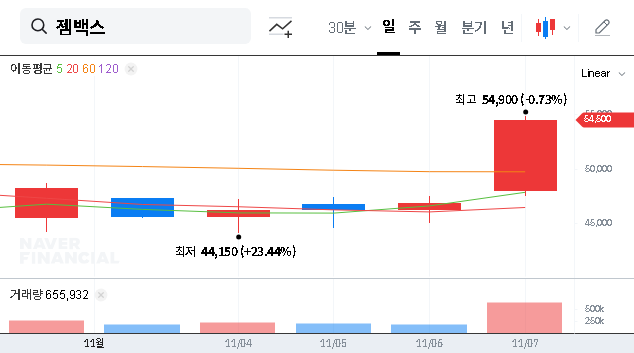
    In a significant setback for Alzheimer’s research and investors in GemVax & KAEL Co.,Ltd. (KRX: 082270), the company has announced that its pivotal Phase 2 trial for GemVax GV1001 has failed to meet its primary endpoint. This news has sent shockwaves through the market, challenging the valuation of the company’s flagship biotech pipeline. For investors, this moment is critical. This comprehensive analysis will dissect the GemVax trial failure, explore its profound implications, and provide a clear, actionable strategy for navigating the path forward.

    The failure of the GemVax GV1001 Alzheimer’s trial represents a major hurdle, forcing a fundamental re-evaluation of the company’s growth trajectory and investment thesis.

    Deconstructing the GemVax GV1001 Trial Failure

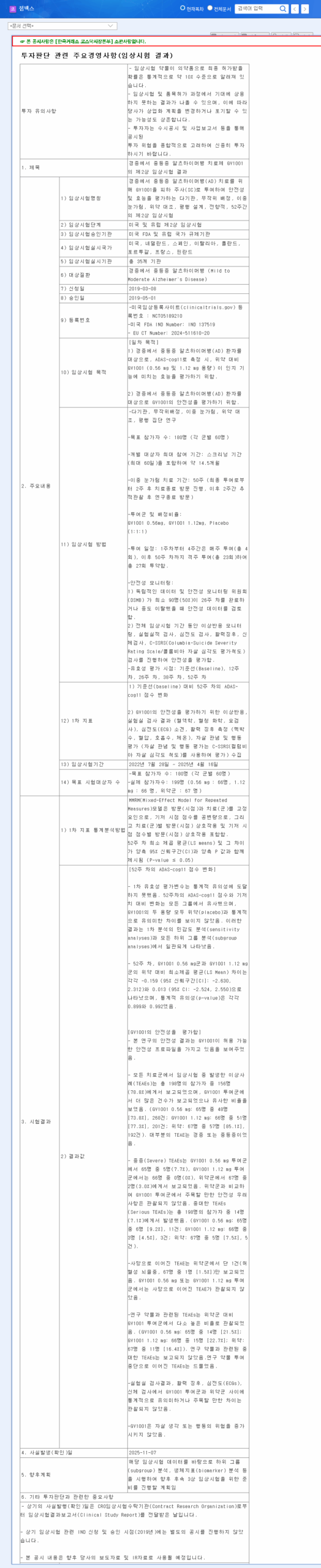
    On November 7, 2025, GemVax released the top-line results from its multi-center, randomized, double-blind Phase 2 clinical trial for GV1001, an investigational treatment for mild to moderate Alzheimer’s disease. The study, conducted over 52 weeks, was meticulously designed to assess both the safety and efficacy of the drug candidate. The full details can be found in the Official Disclosure (DART).

    The Critical Primary Endpoint Miss

    The trial’s primary efficacy endpoint was the change in the Alzheimer’s Disease Assessment Scale-Cognitive Subscale (ADAS-cog11) score at week 52. This scale is a gold-standard metric used globally to measure cognitive decline in dementia patients. The results were unequivocal: GemVax GV1001 failed to achieve statistical significance, meaning it showed no demonstrable cognitive benefit over the placebo group. This is the most critical outcome of any clinical trial, as it directly addresses the drug’s core purpose.

    While the drug did exhibit an acceptable safety profile with no new concerns, safety alone is insufficient for regulatory approval or commercial success. Efficacy is paramount, and in this regard, the trial was a clear failure.

    Fundamental Analysis: Reassessing GemVax’s Strengths and Risks

    Prior to this announcement, GemVax presented a complex investment profile. Understanding these factors is key to gauging the company’s resilience post-failure.

    Pre-Trial Positives (Now Under Pressure)

    • Stable Environmental Business: A consistent revenue stream from its Chemical Air Filter division, serving the robust semiconductor industry, has acted as a financial anchor.
    • Pipeline Momentum: Prior to the failure, GV1001 had garnered FDA Fast Track and Orphan Drug designations, alongside a major domestic licensing deal, building significant market hype.
    • Improved Financials: Recent capital increases and narrowing operating losses showed a commitment to stabilizing the company’s financial footing.

    Negative Factors and Amplified Risks

    • Realized Efficacy Failure: The primary risk has now materialized, effectively wiping out the near-term value of the GV1001 Alzheimer’s program.
    • Persistent R&D Burn: The biotech division remains a significant cash drain, and without a viable lead candidate, this spending now lacks a clear ROI.
    • High Debt Ratio: The company’s existing debt becomes more precarious without the promise of future blockbuster revenue to service it.
    • External Headwinds: Ongoing litigation risks and macroeconomic pressures on exchange rates and material costs further compound the company’s challenges.

    The Cascade Effect: Impact on Business & Stock Price

    The fallout from the GemVax trial failure will be swift and severe. The core value of its biotech pipeline has been decimated, raising questions about future Phase 3 trials and the validity of its licensing deal with Samsung Pharm. This uncertainty will make securing future funding significantly more difficult and expensive.

    For investors, the most immediate impact will be on the stock price. The loss of the company’s primary growth engine will trigger a massive re-rating by the market. Given the high market capitalization built on the promise of GemVax GV1001, a substantial and sustained drop in share price is all but certain. For more context on biotech investing, see this guide from a leading financial news source.

    Strategic Guidance for GemVax (KRX: 082270) Investors

    This event is classified as ‘High Negative Impact.’ The stability of the environmental business is a positive but is unlikely to cushion the catastrophic blow to the biotech division. A proactive approach is required.

    Recommendations for Action

    • Suspend New Investment: It is strongly advised to halt any new capital allocation to GemVax until the company provides a clear and credible strategic plan for its future.
    • Existing Investors – Monitor & Re-evaluate: For those with existing positions, monitor the market’s reaction and management’s communications closely. Watch for announcements regarding a pivot to other indications (like Progressive Supranuclear Palsy), a major business restructuring, or changes to the R&D leadership. Your decision to hold or sell should be based on this new strategic direction. You may want to read our guide to managing high-risk portfolio assets.
    • Prioritize Risk Management: This event underscores the inherent risks in biotech. Re-evaluate your overall portfolio’s exposure to such high-volatility assets and ensure your strategy aligns with your risk tolerance.

    Future Outlook

    The road ahead for GemVax is fraught with challenges. The company’s future now hinges on its ability to successfully pivot its R&D efforts, manage its cash burn, and maintain the profitability of its environmental business. Without a clear success in another clinical program, the company’s valuation will likely remain under severe pressure.

    (082270) GemVax GV1001 Alzheimer's Trial Fails: An In-Depth Analysis for KRX: 082270 Investors 관련 이미지
  • (310210) Voronoi, Inc. Stock Analysis: Decoding the Major Shareholding Report

    (310210) Voronoi, Inc. Stock Analysis: Decoding the Major Shareholding Report

    This in-depth Voronoi, Inc. stock analysis unpacks the recent ‘Report on the Status of Major Shareholders’ that has captured the attention of the biotech investment community. When key executives adjust their stakes, it naturally raises questions. We will delve beyond the surface-level numbers to explore the true implications for Voronoi’s trajectory, the power of its VORONOMICS® platform, and what this all means for your investment strategy.

    We’ll examine the company’s fundamental value, its promising drug pipeline, and provide a balanced view to help you navigate the short-term market noise and focus on the long-term potential of this innovative biotech industry leader.

    Deconstructing the Voronoi Major Shareholding Change

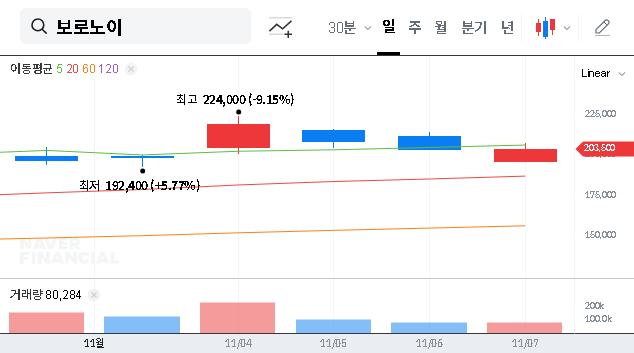
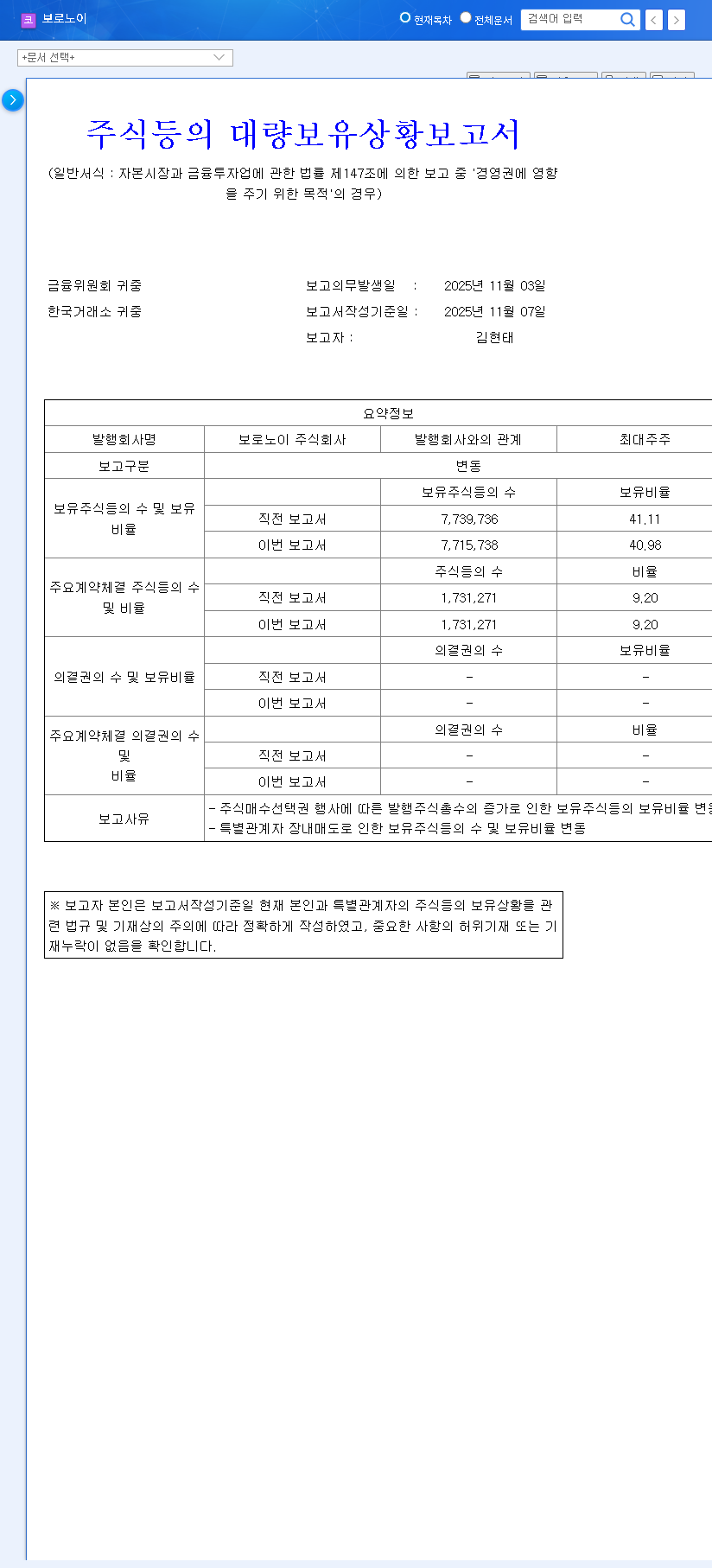
    On November 7, 2025, Voronoi, Inc. filed a disclosure detailing a shift in its major shareholder status. The report, led by Director Kim Hyun-tae, revealed a minor decrease in his personal ownership from 41.11% to 40.98%. While the 0.13% change seems small, the declared purpose of ‘influencing management rights’ makes it a significant event for analysis.

    Key Details from the Report

    • Primary Change: Director Kim Hyun-tae’s stake reduced by 0.13%.
    • Stated Reasons: The change resulted from an increase in total outstanding shares due to stock option exercises, combined with open market sales by several special related parties (Kim Dae-kwon, Kim Hyun-seok, etc.) between November 3rd and 7th.
    • Official Source: The complete filing is available for public review. (Official DART Disclosure)

    It’s crucial to understand that sales by related parties can stem from various personal financial needs, such as tax planning or portfolio diversification, and do not automatically signal a lack of confidence in the company’s future.

    In-Depth Voronoi, Inc. Stock Analysis: Fundamentals & Financials

    A proper Voronoi, Inc. stock analysis requires looking past shareholder movements to the core drivers of its value: its technology and financial health. Voronoi is at the forefront of the AI drug discovery revolution, leveraging its proprietary VORONOMICS® platform to develop a robust oncology pipeline.

    The VORONOMICS® Advantage and Pipeline Potential

    The VORONOMICS® platform isn’t just a buzzword; it’s a strategic asset that allows Voronoi to identify and design novel drug candidates with greater speed and precision than traditional methods. This efficiency is critical in the high-stakes world of pharmaceutical R&D. For more on this technology, you can read our guide on AI Drug Discovery Platforms.

    • Key Pipelines: VRN11, VRN10, and VRN07 have shown immense promise, particularly in treating brain metastatic cancer, a significant unmet medical need.
    • Licensing Success: Successful licensing-out (L/O) deals with partners like ORIC Pharmaceuticals and HK inno.N not only provide non-dilutive funding but also validate the platform’s technology and pipeline value.

    Financial Health Check

    While H1 2025 revenue showed a profit, this was largely due to a one-time option contract. The company still records a net loss, which is standard for a pre-commercial biotech heavily investing in R&D. The recent 50 billion KRW convertible bond issuance shores up its capital reserves for these crucial activities but introduces potential future share dilution, a factor savvy investors must monitor.

    In biotech investing, it’s essential to distinguish between short-term market ‘noise,’ like minor share sales, and the long-term ‘signal,’ which is driven by clinical data, technological milestones, and regulatory progress.

    Investor Outlook: Navigating Risk and Opportunity

    The central question for investors is how to interpret this Voronoi major shareholding event. While the insider sales could create short-term selling pressure, the impact on management stability is negligible. Director Kim Hyun-tae’s 40.98% stake provides a robust foundation for consistent leadership and long-term strategic execution.

    Key Monitoring Points for Investors

    A prudent approach to biotech investing in a company like Voronoi involves focusing on fundamental progress markers:

    • Clinical Trial Progress: Monitor the speed and success of Phase 1/2 trials for key pipeline assets. Positive data is the ultimate value driver.
    • Future Licensing Deals: New partnerships for other pipeline candidates will further validate the VORONOMICS® platform.
    • Path to Profitability: Watch for a strategy to balance R&D spend with revenue generation to improve financial health long-term.
    • Corporate Communication: Pay attention to the clarity and transparency of the company’s investor relations.

    Conclusion: While the recent shareholding report created a ripple, the fundamental growth story for Voronoi, Inc. remains intact. The company’s high-growth potential is anchored in its innovative AI drug discovery technology and a pipeline aimed at high-value therapeutic areas. This event should be seen as an opportunity for investors to reaffirm their thesis based on a long-term Voronoi, Inc. stock analysis rather than reacting to short-term market sentiment.

    (310210) Voronoi, Inc. Stock Analysis: Decoding the Major Shareholding Report 관련 이미지
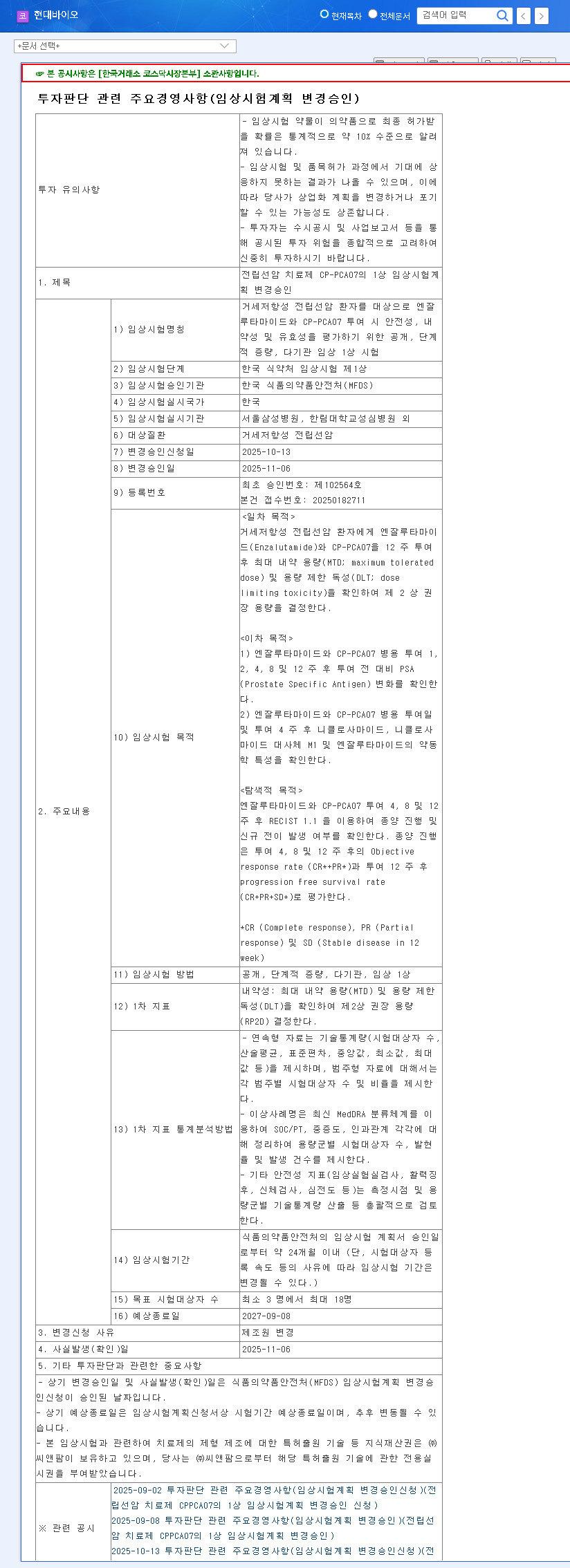
  • (048410) HYUNDAI BIOSCIENCE CP-PCA07: In-Depth Analysis of the Prostate Cancer Drug Phase 1 Trial

    (048410) HYUNDAI BIOSCIENCE CP-PCA07: In-Depth Analysis of the Prostate Cancer Drug Phase 1 Trial

    The latest development surrounding HYUNDAI BIOSCIENCE CP-PCA07, a novel prostate cancer drug, has captured significant attention from the investment community. The recent approval for an amendment to its Phase 1 clinical trial plan is a critical milestone, offering valuable insights into the company’s R&D capabilities and signaling a potentially powerful new growth engine. This in-depth analysis will break down the specifics of the trial, evaluate the company’s strategic position, and provide a clear outlook for investors monitoring this promising biotech venture.

    Understanding the Milestone: CP-PCA07 Phase 1 Approval

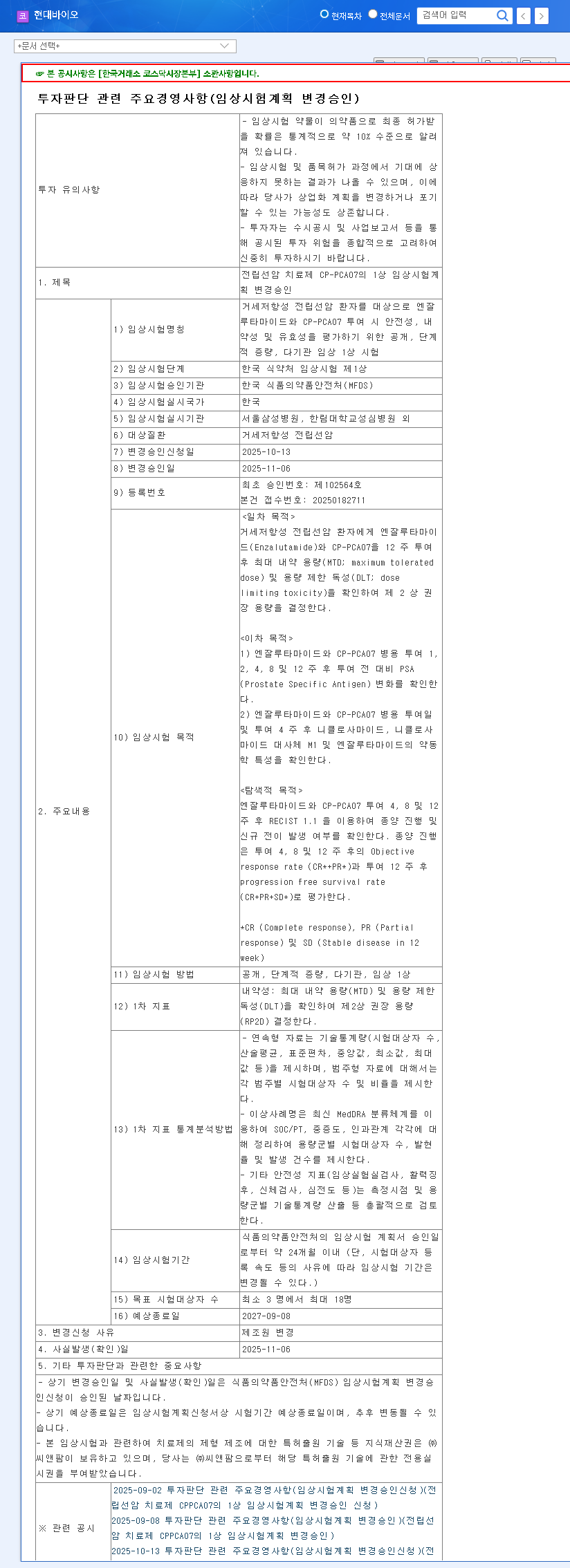
    On November 7, 2025, HYUNDAI BIOSCIENCE announced it had received regulatory approval for an amended Phase 1 clinical trial plan for its prostate cancer drug, CP-PCA07. This crucial study focuses on patients with castration-resistant prostate cancer (CRPC), a form of the disease that continues to progress despite hormone therapy. According to the Official Disclosure, the trial employs a combination therapy approach, pairing CP-PCA07 with Enzalutamide, a standard-of-care anti-androgen medication.

    Primary Objectives of the Phase 1 Clinical Trial

    The core goals of this early-stage trial are fundamental to the drug’s future development. Researchers aim to establish safety and dosing parameters, which are essential before advancing to larger, more complex trials. The key objectives include:

    • Maximum Tolerated Dose (MTD): Determining the highest dose of CP-PCA07 that can be administered without causing unacceptable side effects.
    • Dose Limiting Toxicity (DLT): Identifying potential severe side effects that would prevent further dose increases.
    • Recommended Phase 2 Dose (RP2D): Establishing the optimal dose to be used in subsequent Phase 2 efficacy trials.

    Success in this phase is not about curing the disease but about proving the drug is safe enough to move forward, a critical hurdle in the long journey of pharmaceutical development. For more information on prostate cancer, authoritative sources like the National Cancer Institute provide extensive resources.

    Why This Development Bolsters the HYUNDAI BIOSCIENCE Investment Case

    This clinical trial approval doesn’t exist in a vacuum. It arrives amidst several other positive developments that collectively strengthen the company’s fundamentals and long-term potential.

    • Enhanced Credibility: The company recently corrected a past accounting error in its R&D cost reporting, a move that significantly improves the transparency and credibility of its financial information.
    • Improved Financial Health: A recent capital increase secured 85.8 billion KRW, allowing for the full repayment of short-term debt. This financial fortification provides a stable runway for sustained R&D investments.
    • Expanding Drug Pipeline: The progression of HYUNDAI BIOSCIENCE CP-PCA07 adds another high-potential asset to a pipeline that already includes a COVID-19 treatment (CP-COV03) and a pancreatic cancer therapy (POLYTAXEL). Diversification is key to mitigating risk in the biotech sector.
    • Validated Technology: The core formulation technology, patented by partner CNPharm and licensed exclusively to HYUNDAI BIOSCIENCE, serves as an indirect validation of the company’s competitive technological edge.

    Investor Outlook: A Balanced Perspective

    Given the high uncertainty and long timeline of drug development, a long-term perspective is crucial. Focus on clinical progress and tangible outcomes rather than short-term market fluctuations.

    Potential Positives

    The advancement of the HYUNDAI BIOSCIENCE CP-PCA07 trial is a clear positive. It signals pipeline progression, boosts investor confidence, and, if successful, could unlock a significant revenue stream in the multi-billion dollar prostate cancer treatment market. Each successful step de-risks the asset and adds tangible value to the company.

    Risks and Considerations

    Investors must remain pragmatic. Drug development is inherently risky, with a high failure rate. This is only a Phase 1 clinical trial, meaning commercialization is still many years and several successful trials away. Furthermore, macroeconomic factors like high interest rates can increase fundraising costs and dampen investor sentiment across the biotech sector. For a deeper understanding of these market forces, you can read our guide on Navigating Biotech Investments.

    Frequently Asked Questions

    What is the significance of the approved HYUNDAI BIOSCIENCE trial?

    HYUNDAI BIOSCIENCE received approval for an amended Phase 1 clinical trial of its prostate cancer drug, CP-PCA07. It’s a safety and dosage study for patients with castration-resistant prostate cancer, a critical first step toward potential commercialization.

    How does this approval impact the company’s outlook?

    The approval is a positive catalyst. It validates their R&D progress, expands their clinical pipeline, and can improve investor sentiment. Long-term, a successful drug could become a major revenue driver.

    What should investors consider before investing?

    Investors should adopt a long-term view. Key considerations include the inherent risks and high failure rates of clinical trials, the extended timeline to market, and broader macroeconomic factors affecting the biotech industry.

    In conclusion, the approval of the amended Phase 1 trial for HYUNDAI BIOSCIENCE CP-PCA07 is a tangible and encouraging step forward. Paired with a strengthened financial position and a growing pipeline, the company is building a compelling growth story. However, a prudent investment strategy requires continuous monitoring of clinical data and a clear-eyed view of the associated risks.

    (048410) HYUNDAI BIOSCIENCE CP-PCA07: In-Depth Analysis of the Prostate Cancer Drug Phase 1 Trial 관련 이미지
  • (182400) NKMAX Rehabilitation Claim: In-Depth Analysis of the 2 Billion Won Ruling (182400)

    (182400) NKMAX Rehabilitation Claim: In-Depth Analysis of the 2 Billion Won Ruling (182400)

    The recent confirmation of a 2 billion won NKMAX rehabilitation claim has sent ripples through the investment community, raising critical questions about the future of NKMAX Co., Ltd. (182400). This development, sanctioned by the Seoul Rehabilitation Court, marks a pivotal moment in the biotech company’s strenuous corporate restructuring journey. While it quantifies a significant liability, it also removes a layer of uncertainty. For investors, the key question remains: does this ruling pave the way for a stable recovery, or does it add an insurmountable burden to an already strained financial state?

    This comprehensive analysis will delve into the multifaceted implications of the court’s decision, evaluate NKMAX’s fundamental health, and provide a strategic outlook for those monitoring this volatile biotech stock.

    Deconstructing the 2 Billion Won Court Ruling

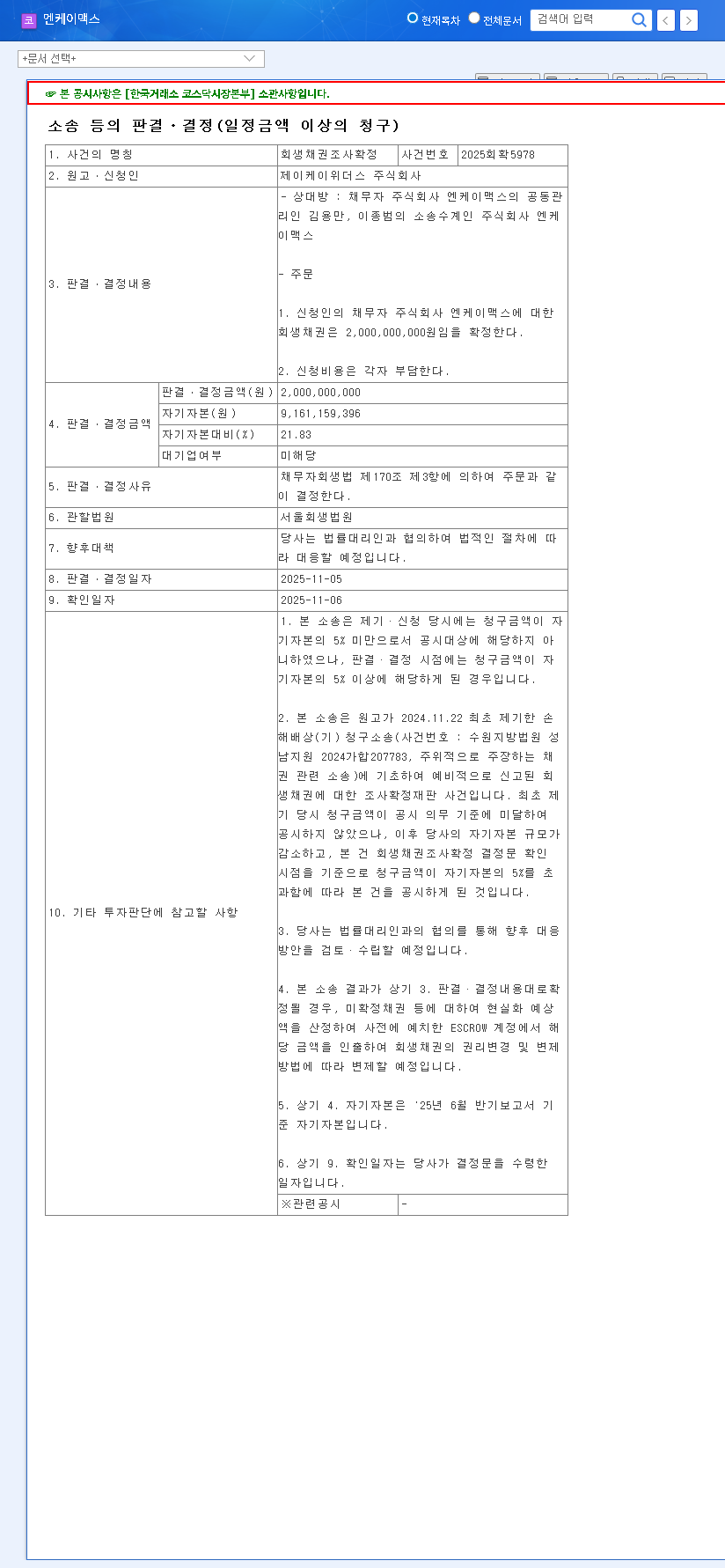
    On June 18, 2025, the Seoul Rehabilitation Court officially recognized a 2 billion won claim filed by JK Witheus Co., Ltd. against NKMAX. Initially, this lawsuit was below the threshold for public disclosure. However, a significant decrease in NKMAX’s equity meant the claim amount subsequently exceeded 5% of its equity, triggering a mandatory disclosure. This information comes directly from the company’s Official Disclosure filed with DART.

    The confirmation of this claim is a double-edged sword. It provides a concrete financial figure for debt adjustment within the rehabilitation plan, but it also formalizes a substantial financial obligation for a company already in a precarious position.

    Implications for the Corporate Restructuring Process

    The primary impact of this ruling is on the clarity and execution of NKMAX’s ongoing rehabilitation. By defining this 2 billion won liability, the company’s administrators and its new largest shareholder can now incorporate this exact figure into their financial models and debt repayment schedules. A key detail is the expectation that this claim will be settled via an ESCROW account established as part of the rehabilitation, which may mitigate immediate cash flow pressures.

    Current Financial Health: A Deep Dive into NKMAX’s Fundamentals

    To understand the weight of the NKMAX rehabilitation claim, we must assess the company’s underlying financial condition. As of the first half of 2025, the picture is one of significant distress, even as the company attempts to normalize operations.

    • Deteriorating Revenue: H1 2025 revenue stood at 3.446 billion KRW, an 18.27% drop year-over-year. The decline in sales of its flagship immune diagnostic product, NK Vue® KIT, is a major contributor to this trend.
    • Expanding Losses: The operating loss for the same period ballooned to 12.267 billion KRW. This indicates that core operational costs, likely driven by R&D for its Super NK cell therapy pipeline, are far outpacing its revenue.
    • Severe Capital Impairment: NKMAX remains in a state of severe capital impairment, a critical condition where total liabilities exceed total assets. This is a primary risk factor for potential delisting and underscores the urgent need for successful capital injections.

    Market Environment and Competitive Landscape

    NKMAX operates in highly competitive and capital-intensive sectors. The global cell therapy market, while growing, is crowded with major pharmaceutical players and agile biotechs. Success for its Super NK therapy hinges not just on clinical outcomes but on securing a competitive niche. Similarly, the in-vitro diagnostics market requires constant innovation and effective commercial strategy. The broader macroeconomic environment, characterized by high interest rates as noted by sources like Bloomberg, increases the cost of capital, making fundraising a significant challenge for companies undergoing corporate restructuring.

    Investor Outlook: A Cautious Path Forward

    The confirmation of the 2 billion won claim introduces both risks and a degree of clarity. For investors, a highly cautious and analytical approach is paramount.

    Potential Risks to Monitor

    • Financial Burden: Despite the ESCROW arrangement, 2 billion won is a material sum that depletes resources which could otherwise be used for R&D or operations.
    • Investor Sentiment: With a grace period for improvement granted on June 20, 2024, to avoid delisting, this news could sour investor confidence and make attracting new capital more difficult.
    • Execution Risk: The company’s survival hinges on the flawless execution of its rehabilitation plan. Any deviation or unforeseen expense could exacerbate its capital impairment. For more context, you can read our guide on evaluating biotech stocks during restructuring.

    Conclusion: What Investors Should Watch

    NKMAX Co., Ltd. is at a critical juncture. The resolution of the 2 billion won claim is a necessary step in its rehabilitation, but it simultaneously highlights the deep-seated financial issues the company must overcome. The path forward depends entirely on the successful implementation of its turnaround strategy, the clinical and commercial success of its product pipeline, and its ability to secure vital new funding. Investors should closely monitor progress reports on the rehabilitation, quarterly financial statements, and any news regarding its R&D pipeline before making any investment decisions. The risk of delisting remains a significant and tangible threat until the company can demonstrate a sustainable path to profitability.

    (182400) NKMAX Rehabilitation Claim: In-Depth Analysis of the 2 Billion Won Ruling (182400) 관련 이미지
  • (187660) Hyundai ADM Bio Inc. Convertible Bond: A Guide to Share Dilution vs. Liquidity

    (187660) Hyundai ADM Bio Inc. Convertible Bond: A Guide to Share Dilution vs. Liquidity

    Hyundai ADM Bio Inc. has just executed a significant financial maneuver by exercising its convertible bond rights, a move that injects fresh capital but also introduces over a million new shares to the market. For investors, this creates a critical dilemma: is this a strategic cash infusion that will fuel growth, or a desperate measure that will lead to significant share dilution? This comprehensive analysis will dissect the Hyundai ADM Bio Inc. convertible bond event, examine the company’s precarious financial health, and provide actionable strategies for investors navigating this pivotal moment.

    The Core Event: A Closer Look at the Convertible Bond Exercise

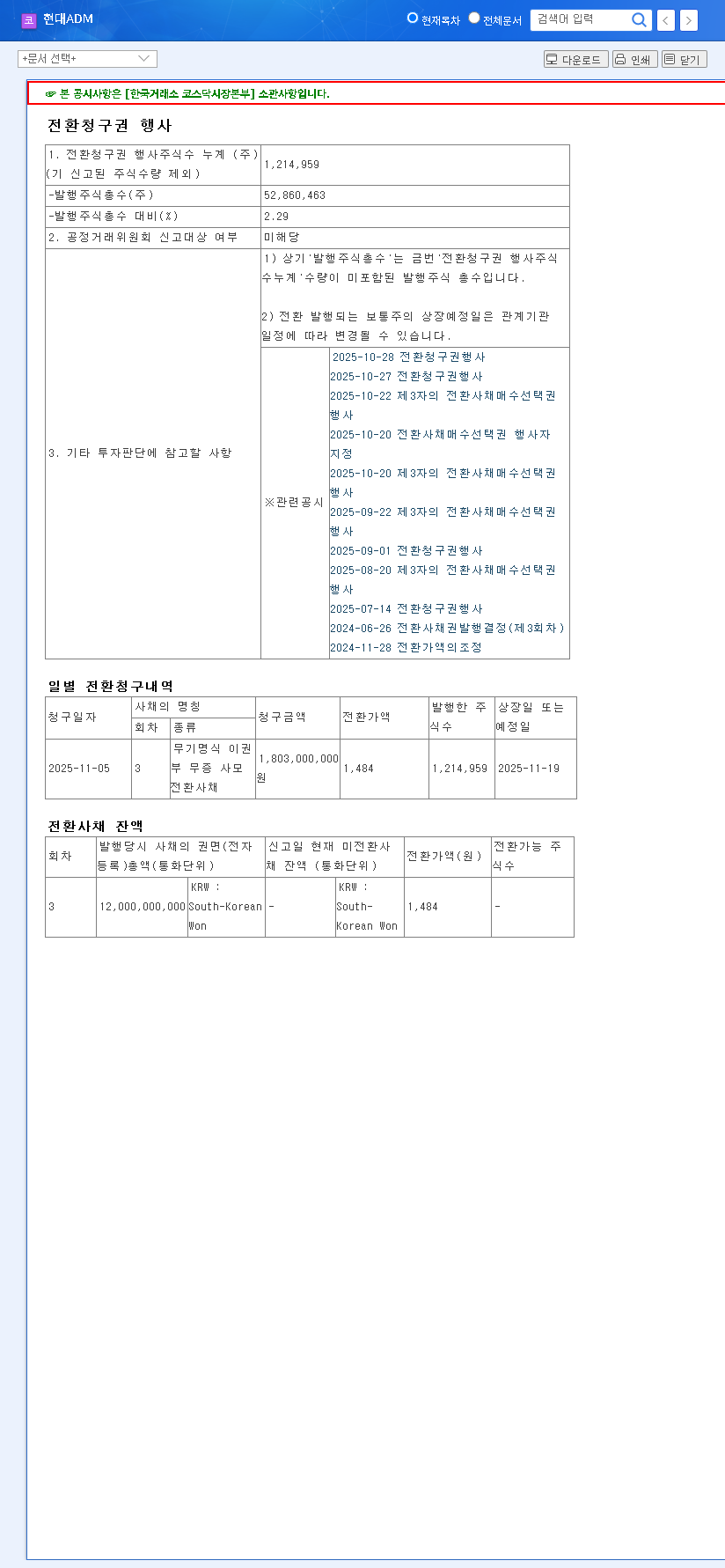
    On November 5, 2025, Hyundai ADM Bio Inc. confirmed the exercise of conversion rights for its outstanding convertible bonds. In simple terms, bondholders are choosing to swap their debt for equity, betting on the future value of the company’s stock. This move has immediate and tangible consequences for the company’s capital structure and stock market dynamics.

    The core conflict for investors is weighing the short-term benefit of ₩1.8 billion in liquidity against the long-term risk of share value erosion from 1.2 million new shares flooding the market.

    Key Details of the Issuance

    Understanding the specifics is crucial for any investor strategy. Here are the official details from the company’s disclosure:

    • Company: Hyundai ADM Bio Inc.
    • New Shares Issued: 1,214,959 (representing 2.29% of market cap)
    • Conversion Price: ₩1,484 per share
    • Total Capital Raised: Approx. ₩1.8 billion
    • Expected Listing Date: November 19, 2025
    • Source: Official Disclosure (DART Report)

    Analyzing Hyundai ADM’s Shaky Fundamentals

    The impact of a financing event like this cannot be judged in a vacuum. The company’s underlying health is the most critical factor. Unfortunately, Hyundai ADM Bio Inc.’s fundamentals are showing signs of significant strain, which magnifies the risks associated with this share issuance.

    Struggling Business Segments

    The company’s core operations are facing headwinds. The CRO (Contract Research Organization) business is experiencing a revenue decline of 14.4% year-over-year amid fierce competition. Meanwhile, its future growth engine—the anti-cancer drug development in its Bio Business—is still pre-revenue and fraught with uncertainty, including recent clinical trial setbacks. This paints a picture of a company whose primary revenue stream is shrinking while its future prospects remain speculative.

    Deteriorating Financial Health

    A look at the financial statements reveals a worrying trend that makes this Hyundai ADM Bio Inc. convertible bond exercise look more like a necessity than a strategic choice.

    • Expanding Losses: Operating losses have widened to ₩-4.37 billion, signaling deep profitability issues.
    • High Debt: The debt-to-equity ratio stands at a concerning 178.73%, and this bond conversion only addresses a fraction of its total debt.
    • Negative Cash Flow: With an operating cash flow of ₩-2.856 billion, the company is burning through cash, raising serious liquidity concerns.

    Investor Playbook: Navigating the Aftermath

    Given the weak fundamentals, investors must approach this situation with extreme caution. The short-term influx of shares will likely create downward pressure on the stock price around the November 19th listing date.

    Short-Term Strategy (High Risk)

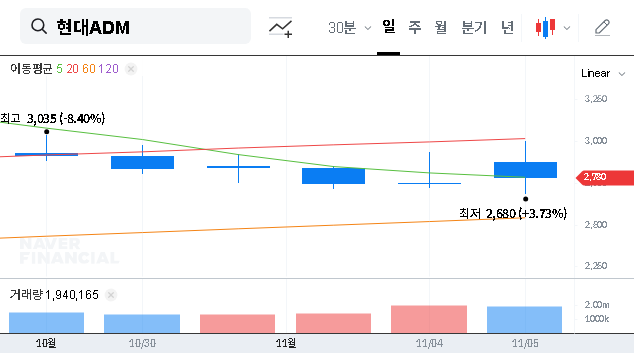
    Traders should be wary of the supply overhang. The arbitrage opportunity—with the current stock price (₩2,780) well above the conversion price (₩1,484)—means bondholders have a strong incentive to sell their newly acquired shares for a quick profit. This could trigger a sell-off. Monitoring trading volume and price action closely on and after the listing date is paramount for anyone considering a short-term position.

    Long-Term Investment Outlook

    Long-term investors should disregard the noise of the bond conversion and focus entirely on fundamental improvements. Before considering an investment, look for tangible evidence of a turnaround. For more information on what makes these instruments tick, you can review this comprehensive guide to convertible bonds from a reputable financial source. Key milestones to watch for include:

    • Positive clinical trial data or partnerships in the bio-business.
    • A stabilization or return to growth in the CRO segment.
    • A clear plan for debt reduction and a path to positive cash flow.

    Without these fundamental shifts, the company’s long-term prospects remain dim. Investors interested in this sector should also read our internal guide on How to Analyze Biotech Stocks for broader context.

    Final Verdict: A Warning Sign for Investors

    The Hyundai ADM Bio Inc. convertible bond exercise is not a signal of strength. While it provides a temporary liquidity patch, it fails to address the deep-seated problems within the company’s business model and financial structure. The immediate risk of share dilution and supply pressure outweighs the modest benefit of the capital injection. Until Hyundai ADM Bio Inc. demonstrates a credible and sustained operational turnaround, this event should be viewed as a warning sign rather than a catalyst for growth. The company’s future stock performance will be dictated by fundamental execution, not financial engineering.

    (187660) Hyundai ADM Bio Inc. Convertible Bond: A Guide to Share Dilution vs. Liquidity 관련 이미지
  • (298060) SCM Lifescience Stock Analysis (298060): Ex-CEO’s Share Sale & Future Outlook

    (298060) SCM Lifescience Stock Analysis (298060): Ex-CEO’s Share Sale & Future Outlook

    Investors in SCM Lifescience (KOSDAQ: 298060), a pioneering biotech company, are closely monitoring recent developments after a significant change in its ownership structure. The disclosure that former CEO Song Ki-ryung has reduced his stake has sent ripples through the market, raising critical questions about the company’s stability and future trajectory. This comprehensive SCM Lifescience analysis will dissect the implications of this event, evaluate the company’s core stem cell technology, scrutinize its financial health, and provide a clear outlook for investors considering the 298060 stock.

    The Catalyst: A Major Shareholding Shift

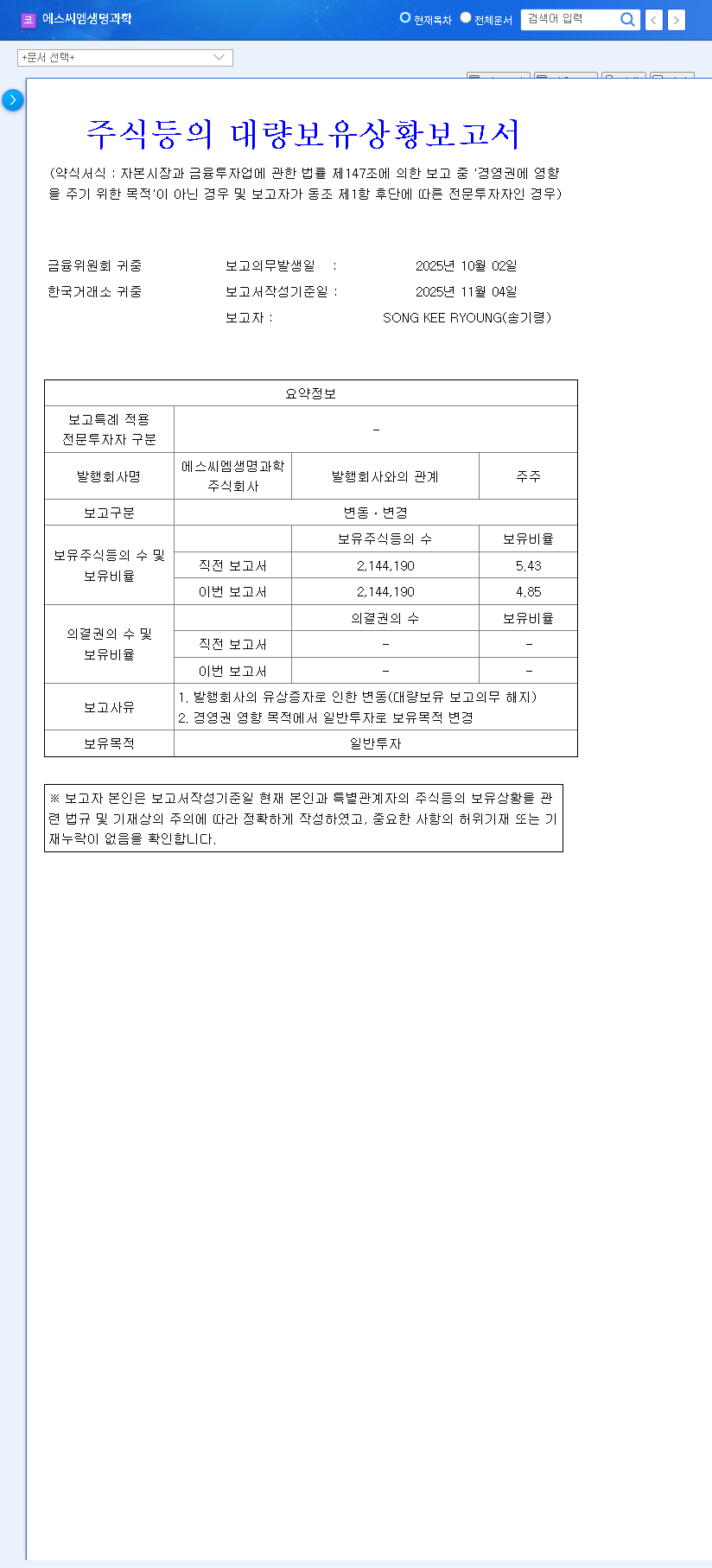
    On November 4, 2025, SCM Lifescience formally announced a notable change in its shareholder registry. Former CEO Song Ki-ryung’s ownership stake decreased from 5.43% to 4.85%. More significantly, the stated purpose of his shareholding shifted from ‘management influence’ to ‘general investment purposes’. This change, detailed in the Official Disclosure on DART, signals a pivotal transition for the company’s leadership dynamics.

    This reduction is primarily attributed to share dilution following a recent rights offering. However, the change in intent is the key takeaway. It suggests the former CEO is stepping back from direct involvement in corporate governance, positioning himself as a passive investor. For the new management team that took the helm in March 2025, this could mean more autonomy. For the market, it introduces a layer of uncertainty and potential for short-term stock volatility.

    The shift from ‘management influence’ to ‘general investment’ is a critical signal. It may grant the new leadership team operational freedom but could also lead to selling pressure on SCM Lifescience stock if the former CEO decides to liquidate further.

    Core Strengths: A Deep Dive into SCM Lifescience’s Technology

    At the heart of SCM Lifescience‘s long-term potential is its proprietary technology. Understanding this is key to any investment thesis. The company’s primary competitive advantage lies in its patented ‘Stratified Isolation Method’ for high-purity stem cell separation and culture. This innovative process allows for the development of potent and consistent cell-based therapies.

    Key Technology and Pipelines

    • Proprietary Method: The ‘Stratified Isolation Method’ forms the foundation of its R&D, promising higher efficacy in its therapeutic candidates.
    • Orphan Drug Designation: Its treatment for chronic graft-versus-host disease (e.g., SCM-CGH) has been designated as an orphan drug, which can lead to faster regulatory review and extended market exclusivity. This is a significant de-risking factor.
    • Business Diversification: Beyond therapeutics, the company has smartly leveraged its expertise to launch ‘IROROO’, a derma-cosmetic brand. This generates early-stage revenue to help fund the capital-intensive R&D, a crucial strategy for a pre-profitability biotech firm. The potential of stem cell technology in regenerative medicine is widely recognized by leading research institutions.

    Financial Health & Risk Analysis

    While the technology is promising, the financial statements reveal significant challenges. As of the first half of 2025, SCM Lifescience is in a high-growth, high-risk phase. The R&D expenditure ratio stands at an aggressive 124.74% of sales, underscoring its commitment to innovation but also its cash burn rate.

    Key Financial Considerations

    • Persistent Losses: The company reported an operating loss of KRW 2.413 billion in H1 2025, contributing to a large accumulated deficit of KRW -178.881 billion. Profitability remains a distant goal.
    • High Debt Load: A debt-to-equity ratio of 230.13% is a major red flag, increasing financial risk, especially in a high-interest-rate environment.
    • Capital Infusion: A recent rights offering raised KRW 16.378 billion, providing a necessary lifeline, but shareholder dilution is the cost. Future fundraising will be critical.
    • Affiliate Issues: The liquidation of its affiliate, CoImmune, could negatively impact asset values and disrupt planned business collaborations, adding another layer of operational risk.

    Investor Outlook & Strategic Path Forward

    For investors, SCM Lifescience stock represents a classic high-risk, high-reward biotech play. The former CEO’s shareholding change is a near-term headwind that could suppress the stock price. However, the company’s long-term value will be determined by its ability to execute on its clinical and commercial goals. For those looking to learn more about this sector, reviewing our guide to investing in biotech stocks can provide valuable context.

    Key Catalysts for Future Growth:

    • Clinical Trial Success: Positive data from its key pipelines, especially SCM-CGH, is the single most important value driver.
    • Licensing & Partnerships: A successful technology transfer or licensing deal with a major pharmaceutical partner would validate its platform and provide non-dilutive funding.
    • Financial Discipline: Demonstrating effective cash management and securing a path to improved financial stability is crucial to rebuilding investor confidence.
    • Derma-Cosmetic Growth: Continued expansion and profitability of the ‘IROROO’ brand can provide a stable revenue base.

    In conclusion, while the recent management and shareholder shifts create short-term noise, disciplined investors should focus on the underlying fundamentals. The success of SCM Lifescience hinges on its scientific progress and the new leadership’s ability to navigate a challenging financial landscape. Careful monitoring of clinical data, partnership news, and quarterly financials is essential before making any investment decisions.

    (298060) SCM Lifescience Stock Analysis (298060): Ex-CEO's Share Sale & Future Outlook 관련 이미지
  • (468530) PROTEINA AI Drug Development: An In-Depth Investment Analysis of a National Project Win

    (468530) PROTEINA AI Drug Development: An In-Depth Investment Analysis of a National Project Win

    The intersection of artificial intelligence and biotechnology is creating unprecedented opportunities, and at the forefront of this revolution is PROTEINA CO.,LTD.. A recent announcement has solidified its position as a market leader: PROTEINA has been selected to spearhead a large-scale national project, a development that serves as a critical indicator for its future growth and overall investment value. This analysis delves into the core of PROTEINA’s strategy, its technological prowess in AI drug development, and the profound implications of this national project for the company and its investors.

    We will provide a comprehensive overview of the essential information investors need, from PROTEINA’s foundational technology and financial health to the strategic opportunities and potential risks stemming from this pivotal event.

    A Landmark Achievement: Securing the National Project Bid

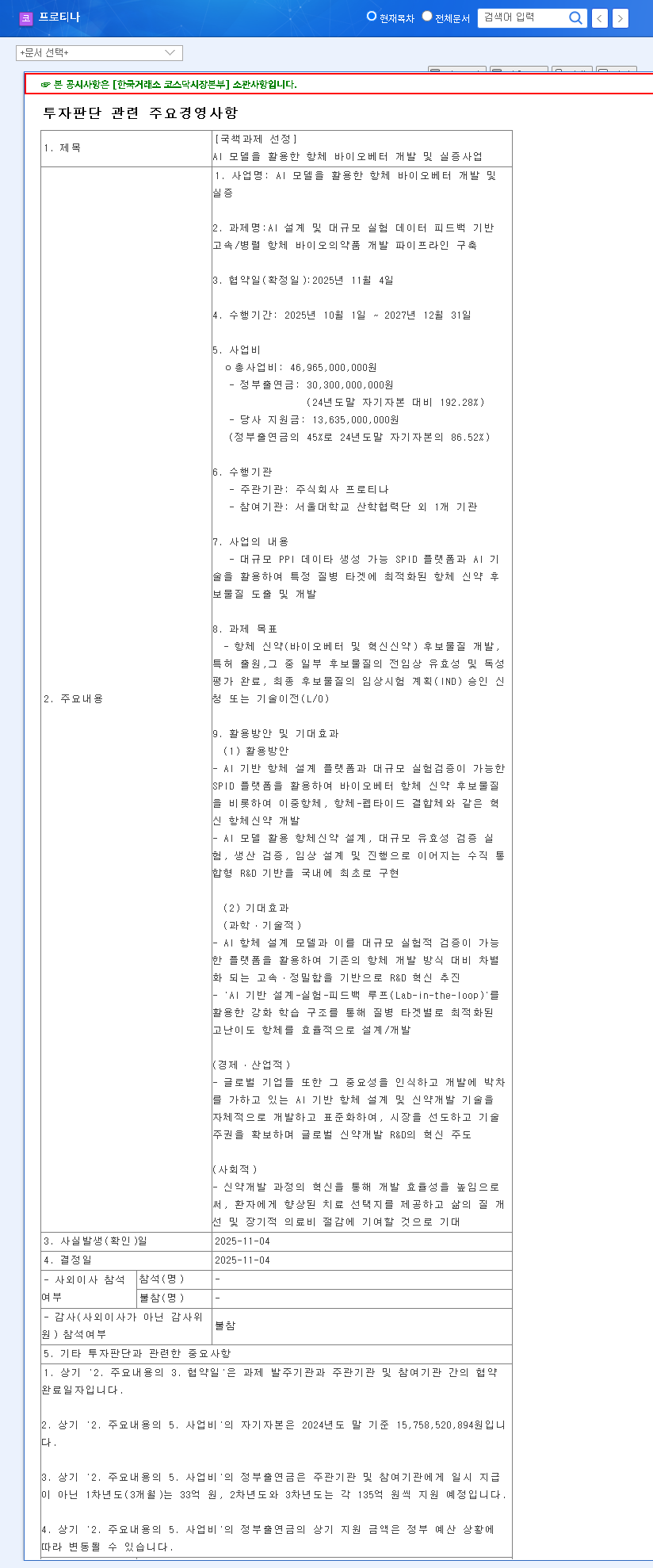
    PROTEINA CO.,LTD. has officially been chosen as the lead institution for the ‘AI model-based antibody biobetter development and demonstration project’. This isn’t just a win; it’s a powerful endorsement of its innovative approach. The project, backed by a total budget of 46.965 billion KRW (with 30.3 billion KRW in government funding), is scheduled to run from October 2025 to December 2027. The primary objective is to build a high-speed, parallel antibody biopharmaceutical development pipeline. This pipeline will leverage a sophisticated feedback loop between AI-driven design and large-scale experimental data, promising to accelerate the discovery of new therapeutics. Further details can be found in the Official Disclosure (DART).

    Company Fundamentals: Technology and Financial Trajectory

    The Core Engine: The SPID Platform

    At the heart of PROTEINA’s competitive advantage is its proprietary SPID Platform. This cutting-edge technology provides comprehensive solutions for protein-protein interaction (PPI) analysis and antibody development. Understanding PPI is fundamental to modern biology, as these interactions govern nearly every cellular process. By accurately mapping and analyzing these interactions, the SPID Platform enables a more precise and efficient approach to drug discovery, setting PROTEINA apart from competitors. This technological differentiation is crucial for any biotech investment thesis.

    Financial Health and Growth Momentum

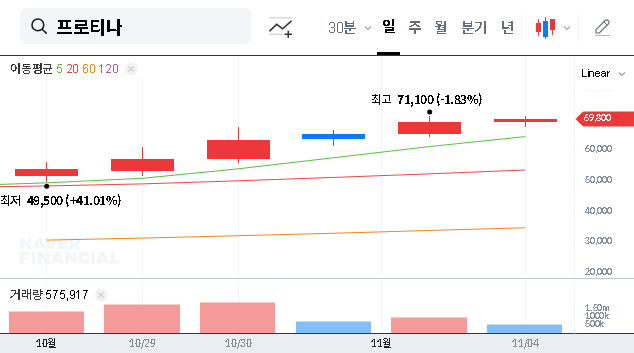
    The first half of 2025 saw PROTEINA achieve explosive growth, with revenue soaring to 2.025 billion KRW—a 165.67% increase year-over-year. This surge was propelled by sales of its SPID Platform System and its PPI PathFinder® service. While the company posted an operating loss of -3.973 billion KRW, this marks a significant improvement from the -9.121 billion KRW loss in the previous year, signaling a clear path toward financial stability. The successful IPO on the KOSDAQ exchange in July 2025 provided a vital capital injection to fuel R&D and global market expansion, further strengthening the foundation for its PROTEINA AI drug development initiatives.

    This national project selection is a Strong Positive signal for PROTEINA, validating its technology and securing a critical growth engine for the future. The government funding significantly de-risks R&D and enhances the probability of success for its new drug pipeline.

    PROTEINA Investment Analysis: Opportunities vs. Risks

    Positive Catalysts for Growth

    The national project win unlocks several key opportunities that should be central to any PROTEINA investment analysis:

    • Technology Validation: Selection by a government body provides objective validation of PROTEINA’s technology and business model, boosting credibility in the market.
    • R&D Funding Secured: The 30.3 billion KRW in government funds will dramatically accelerate new drug development pipelines and fortify R&D capabilities without excessive shareholder dilution.
    • Enhanced Commercialization Potential: The project’s goals—including IND applications and technology transfers (L/O)—directly align with commercial outcomes. Combining AI with the SPID Platform will improve development speed and precision. For more on this trend, see the latest research on AI in Drug Discovery from leading institutions.
    • Market Leadership: The project reinforces PROTEINA’s potential to lead the innovative antibody biobetter development sector, a rapidly growing field.

    Potential Risks and Investor Considerations

    A prudent investor must also consider the potential challenges:

    • Financial Contribution: PROTEINA must self-fund 13.635 billion KRW. This represents a significant portion of its equity, requiring careful financial management and alignment with funds raised during the IPO.
    • Long-Term Horizon: The project concludes in late 2027, meaning a direct impact on short-term financials is unlikely. The investment thesis is contingent on achieving long-term project milestones.
    • Macroeconomic Factors: With a high proportion of revenue in USD, the company is exposed to currency fluctuations. Global interest rates and economic conditions are also important variables.

    Conclusion: An Investor’s Path Forward

    The selection of PROTEINA for this national project is a powerful validation of its strategy and a significant de-risking event for its long-term R&D roadmap. While short-term stock price appreciation is possible due to positive sentiment, the real value lies in the successful execution of the project. Investors should closely monitor project progress, the company’s management of its financial contribution, and any announcements regarding technology transfers or commercialization milestones. To learn more about the industry, read our guide on Understanding the Global Proteomics Market.

    By successfully leveraging its SPID Platform within this government-backed initiative, PROTEINA has a clear opportunity to establish an enduring leadership position in the global AI-based drug development arena, offering a compelling long-term growth story for investors.

    (468530) PROTEINA AI Drug Development: An In-Depth Investment Analysis of a National Project Win 관련 이미지
  • (028300) HLB INC. BW Issuance: A Deep-Dive Analysis for Investors (2025 Guide)

    (028300) HLB INC. BW Issuance: A Deep-Dive Analysis for Investors (2025 Guide)

    The recent announcement of the HLB INC. BW issuance has sent ripples through the investment community. This significant capital raise of KRW 199.8 billion through a Bond with Warrants (BW) is a pivotal moment for the company. For investors, it raises critical questions: How will this move impact HLB’s stock price? What does the high exercise price signal about management’s confidence? And what are the hidden risks and opportunities? This comprehensive guide provides a deep-dive analysis into the strategic implications of this financial maneuver, offering crucial insights for both current and prospective HLB INC. investors.

    This analysis will unpack the specifics of the deal, the potential financial impacts, and a clear action plan for navigating the path forward. Whether you’re bullish or cautious, understanding the nuances of this capital raise is non-negotiable.

    Understanding the HLB INC. BW Issuance: Key Details

    On November 3, 2025, HLB INC. confirmed its decision to issue a substantial KRW 199.8 billion in Bond with Warrants via a private placement. This isn’t just a standard capital raise; the specific terms offer a window into the company’s strategic thinking. The full details are available in the official disclosure. (Source: Official DART Report)

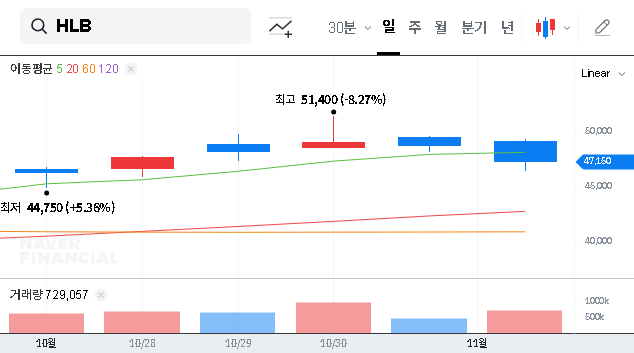
    • Exercise Price: Set at KRW 48,917, this price is a staggering 2.7 times higher than the current stock price (KRW 17,970). This is a bold statement of confidence in future value appreciation.
    • Interest & Yield: Both the coupon rate and the yield to maturity are set at 5.0%, a reasonable rate in the current economic climate.
    • Exercise Period: Investors can exercise their warrants from November 13, 2026, to October 30, 2030, giving a long-term window for the company’s strategy to unfold.
    • Key Investors: The participation of major institutional investors, LMR Multi-Strategy Master Fund Limited and LMR CCSA Master Fund Limited, lends significant credibility to the deal.

    Strategic Rationale: Fueling Future Growth

    This HLB INC. BW issuance is fundamentally a strategic move to secure capital for long-term growth engines. The funds are expected to be allocated towards critical areas, primarily the capital-intensive development of new drugs in its bio-business division, including the promising Rivoceranib pipeline. It also supports expansion in the healthcare division. The high exercise price acts as a powerful signal from management, suggesting they believe the company’s intrinsic value will far exceed its current market price within the exercise window. The involvement of sophisticated investors like LMR further validates this outlook, indicating external confidence in HLB’s business model and growth trajectory. For more information on how these instruments work, Investopedia offers a great primer on Bonds with Warrants.

    Weighing the Pros and Cons for Investors

    Like any major financial event, this BW issuance presents both opportunities and risks. A balanced HLB stock analysis requires a careful look at both sides.

    The Bull Case: Potential Positives

    • Secured Growth Capital: The influx of cash provides a stable runway for R&D, potentially accelerating new drug approvals and long-term value creation.
    • Vote of Confidence: The participation of major overseas funds acts as a strong positive signal, bolstering market confidence in HLB’s prospects.
    • Manageable Debt Cost: A 5.0% rate is relatively favorable, minimizing the immediate interest burden on the company’s finances.

    The Bear Case: Potential Risks

    • Increased Debt Load: A BW is still debt. This will increase the company’s debt-to-equity ratio from its H1 2025 level of 45.05%, adding financial leverage.
    • Shareholder Dilution: If the warrants are exercised, new shares will be issued. This increases the total number of shares outstanding, potentially diluting the ownership stake of existing shareholders.
    • Performance Pressure: The high exercise price creates immense pressure on management to deliver results. Failure to achieve the target stock price could lead to non-exercise and signal a failure of strategy.

    Investor Action Plan & Future Outlook

    The HLB INC. BW issuance is a long-term bet on its bio-business. In the short term, the stock may face pressure due to supply concerns. However, the underlying signal is one of aggressive, confident growth. Our overall investment opinion remains Neutral, with specific advice depending on your investor profile.

    For Growth-Oriented Investors: If you have high conviction in HLB’s drug pipeline and believe in its long-term potential, this capital raise could be viewed as a positive catalyst. The potential future value may outweigh the risk of dilution. Learn more about our framework for evaluating biotech stocks here.

    For Conservative Investors: The increased debt, potential dilution, and inherent volatility of the biotech sector are valid concerns. A wait-and-see approach, monitoring key milestones before committing capital, is a prudent strategy.

    Key Monitoring Points Going Forward:

    • Drug Pipeline Progress: Clinical trial results and FDA approval status for key drugs like Rivoceranib are the most critical catalysts.
    • Stock Price vs. Exercise Price: Track the stock’s performance relative to the KRW 48,917 exercise price as the exercise period approaches.
    • Financial Health: Keep an eye on the company’s balance sheet, particularly the debt-to-equity ratio and cash flow statements.
    • Macroeconomic Headwinds: Monitor interest rates, exchange rates, and global market sentiment, as these can impact funding costs and profitability.

    (028300) HLB INC. BW Issuance: A Deep-Dive Analysis for Investors (2025 Guide) 관련 이미지