Tag: Biopharma

  • (298380) ABL Bio Inc. (298380) IR Event: Investment Strategy & Stock Analysis

    (298380) ABL Bio Inc. (298380) IR Event: Investment Strategy & Stock Analysis

    The upcoming ABL Bio Inc. IR event is a critical juncture for investors, promising to unveil key insights into the company’s trajectory. Scheduled for November 17, 2025, at 1:00 PM (KST), this event will shed light on the company’s recent successes and future ambitions. For anyone holding or considering an investment in ABL Bio Inc. (298380), this deep-dive analysis will explore the impressive financial growth, groundbreaking technology platforms, and the potential market impact, helping you formulate a robust investment strategy.

    We will dissect the fundamentals, evaluate external economic factors, and outline potential scenarios—both positive and negative—that could influence the stock price following the presentation. This comprehensive guide provides the crucial context you need to make informed decisions.

    Why This IR Event is a Game-Changer for Your ABL Bio Inc. Investment Strategy

    An Investor Relations (IR) event is more than just a presentation; it’s a direct line of communication between a company’s leadership and its stakeholders. For a dynamic biotech firm like ABL Bio Inc., this event is pivotal. It offers a platform to showcase progress, clarify complex R&D milestones, and instill confidence in the market. The information revealed could serve as a powerful catalyst for the company’s valuation and is a key component for any ABL Bio Inc. investment strategy.

    Financial Fortress: Analyzing the Q3 2025 Surge

    ABL Bio Inc.’s Q3 2025 report was nothing short of spectacular. The company posted revenue of KRW 79.35 billion, a staggering 226% year-over-year increase. This growth was not incidental; it was primarily fueled by KRW 73.17 billion in technology transfer revenue from a major UK client. This demonstrates that ABL Bio’s business model of developing and licensing its technology is firing on all cylinders. Furthermore, improved liquidity, with cash reserves soaring 121% to KRW 124.36 billion, signals a strong financial foundation for future R&D initiatives, as confirmed in their Official Disclosure on DART (Source).

    The successful monetization of its technology transfer business is a clear indicator that ABL Bio Inc. is transitioning from a development-stage biotech to a commercially viable enterprise. This shift is a key reason for the heightened market anticipation surrounding this IR event.

    The Technology Powerhouse: A Closer Look at Grabody™ and Key Pipelines

    At the heart of ABL Bio’s innovation is its proprietary bispecific antibody platform, Grabody™. This technology allows a single antibody to target two different disease mechanisms simultaneously, opening doors for more effective treatments in oncology and immunology. You can learn more about bispecific antibody technology in our detailed guide. Key pipelines built on this platform include ABL001, ABL111, and promising ADC candidates.

    Even more compelling is the ‘Grabody-B’ platform, a Blood-Brain Barrier (BBB) shuttle technology. The BBB is a major hurdle in treating brain diseases, and Grabody-B is designed to overcome it, potentially revolutionizing treatments for neurodegenerative conditions like Alzheimer’s and Parkinson’s. The progress of the ABL301 pipeline, which utilizes this tech, will be a focal point of the IR event.

    Potential Stock Impact: Bull vs. Bear Scenarios

    The content shared at the ABL Bio Inc. IR event will likely create significant market movement. Investors should be prepared for various outcomes.

    The Bull Case: Positive Catalysts

    • Positive R&D Updates: Favorable clinical trial data or progress announcements for key pipelines like ABL001 or ABL301 could significantly boost investor confidence and drive the 298380 stock price upward.
    • Strong Future Guidance: A confident outlook for H2 2025 and beyond, including new partnership hints or technology transfer deals, would reinforce the growth narrative.
    • Management Clarity: A transparent and compelling presentation on cost control, R&D efficiency, and risk management will build long-term trust with institutional investors.

    The Bear Case: Potential Headwinds

    • Underwhelming News: If the presentation fails to deliver new, impactful information beyond what is already known, the market may react with disappointment, leading to a short-term price correction.
    • Unexpected Setbacks: Any mention of unforeseen delays in clinical trials or challenges with platform development, however minor, could be perceived negatively in the high-stakes biotech sector.
    • Macroeconomic Concerns: Management’s commentary on the impact of high interest rates or currency fluctuations could spook investors if not addressed with a clear mitigation strategy. According to industry analysis from sources like high-authority financial news sites, biotech funding is sensitive to these factors.

    Investor Action Plan & Recommendations

    Given the high-impact nature of this event, a proactive approach is recommended. A thorough ABL Bio Inc. analysis should form the basis of your actions.

    • Monitor Closely: Pay keen attention to the live presentation and, most importantly, the Q&A session, where unplanned, crucial details often emerge.
    • Adopt a Long-Term View: The biotech industry is inherently volatile. Base your investment on the long-term potential of the Grabody™ platform and the company’s pipeline, not just on a single day’s stock movement.
    • Assess Your Portfolio: Depending on the outcomes, be prepared to adjust your portfolio. Exceptionally positive news might justify increasing your position, while cautious news might warrant a re-evaluation.

    In conclusion, the ABL Bio Inc. IR event is far more than a corporate formality; it’s a strategic communication that will set the tone for the company’s market performance in the coming months. By understanding the fundamentals and potential outcomes, investors can navigate the post-event landscape with greater confidence.
    (298380) ABL Bio Inc. (298380) IR Event: Investment Strategy & Stock Analysis 관련 이미지
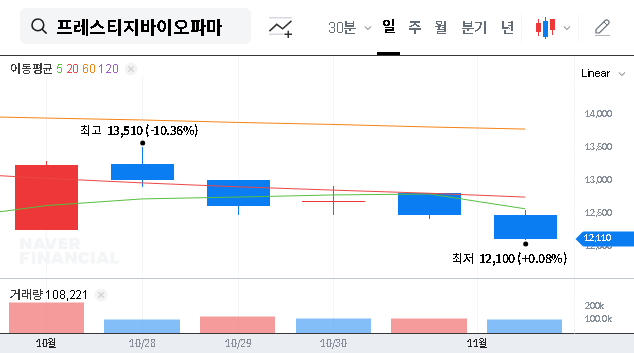
  • (950210) Prestige BioPharma’s KRW 1.9B Russia Deal: In-Depth Stock & Growth Analysis

    (950210) Prestige BioPharma’s KRW 1.9B Russia Deal: In-Depth Stock & Growth Analysis

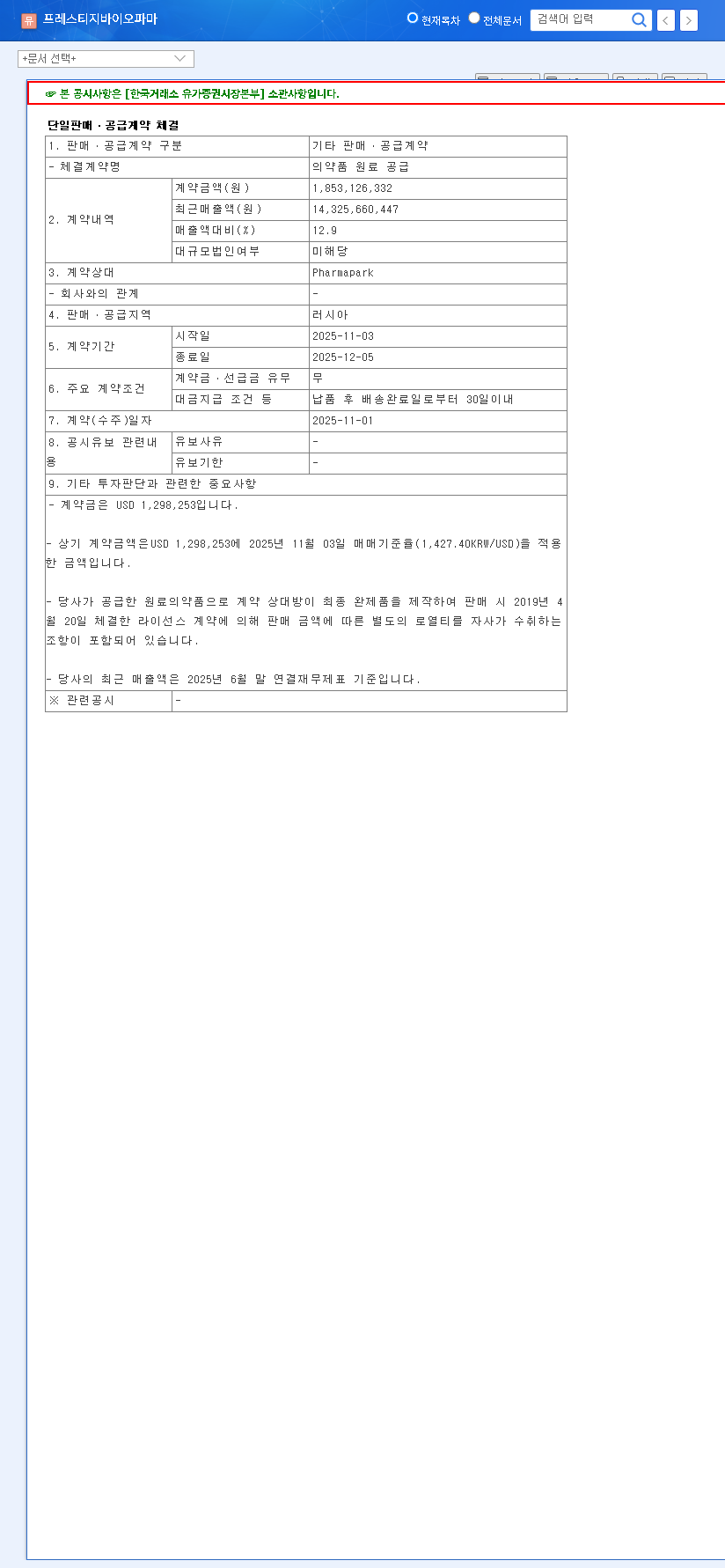
    In the high-stakes world of biotechnology, a single supply contract can signal a major shift in a company’s trajectory. For Prestige BioPharma Limited, a recent deal has done just that, capturing the market’s attention. The company announced a KRW 1.9 billion agreement to supply pharmaceutical raw materials to Russia, a move that prompts critical questions for investors. Is this a powerful catalyst for long-term growth, or does it introduce unacceptable risk? This comprehensive Prestige BioPharma analysis will dissect the contract, evaluate the company’s fundamentals, and provide a clear outlook for potential investors.

    Unpacking the KRW 1.9 Billion Russia Contract

    On November 4, 2024, Prestige BioPharma disclosed the signing of a significant supply agreement with the Russian firm Pharmapark. According to the Official Disclosure, the contract is valued at KRW 1.9 billion, representing a substantial 12.9% of the company’s most recent annual revenue. The deal is slated for a rapid execution timeline, spanning just one month from November 3, 2025, to December 5, 2025.

    While the immediate revenue boost is notable, the strategic importance of this Prestige BioPharma Russia contract cannot be overstated. It marks the company’s formal entry into a new, large market, potentially acting as a gateway for further expansion into the Commonwealth of Independent States (CIS) region. This move demonstrates an aggressive growth strategy and an ability to secure international partnerships.

    This contract is more than just a short-term revenue injection; it’s a strategic beachhead in a new market, signaling Prestige BioPharma’s global ambitions and operational capabilities.

    Core Business Fundamentals: A Two-Pillar Strategy

    To understand the long-term potential of Prestige BioPharma, we must look beyond a single contract to its foundational business pillars: its proprietary biosimilar pipeline and its stable contract manufacturing operations.

    Tuznue (HD201): The Flagship Growth Driver

    The company’s core asset is Tuznue (HD201), a biosimilar to Roche’s blockbuster cancer drug, Herceptin (trastuzumab). Biosimilars are highly similar, cost-effective versions of approved biologic drugs, and their adoption is a major trend in global healthcare. For more on this, you can review information on biologics from the World Health Organization. The recent European market approval for Tuznue is a monumental achievement, validating its quality and unlocking a massive revenue stream. This approval provides the commercial foundation that makes market expansions, like the one in Russia, possible and credible.

    The CDMO Business: A Stabilizing Force

    Complementing its high-growth pipeline is the company’s subsidiary, Prestige Biologics, which operates a robust Contract Development and Manufacturing Organization (CDMO business). This division provides development and manufacturing services to other pharmaceutical companies, generating a stable and predictable revenue stream. This income helps offset the high costs and long timelines associated with R&D, providing a financial cushion and de-risking the company’s overall profile. Understanding the role of CDMOs in the pharma industry is key to appreciating this balanced model.

    Financial Health and Risk Analysis

    Despite its strategic successes, a thorough biotech stock analysis requires a sober look at the financial risks. Prestige BioPharma is characteristic of a growth-stage biotech firm, with significant challenges to manage.

    • R&D and Cost Burden: The company continues to post operating losses, largely due to heavy investment in research and development for its pipeline and high selling, general, and administrative (SG&A) expenses. This cash burn is a critical metric to monitor.
    • Debt Management: A high debt-to-equity ratio remains a financial risk. However, it is encouraging that this ratio has been on a downward trend since 2024, indicating improved financial discipline and management.
    • Geopolitical & Market Risk: Entering the Russian market introduces unique challenges, including potential economic sanctions, political instability, and significant currency exchange volatility (USD/KRW/RUB). These macroeconomic factors can directly impact the profitability of this and future contracts.

    Action Plan for Investors

    The Prestige BioPharma Russia contract is a clear positive signal, but prudent investment requires ongoing vigilance. This is not a ‘set it and forget it’ stock. Investors should focus on the following key areas:

    Key Monitoring Points:

    • Short-Term Catalysts: Monitor the successful execution and revenue recognition from the current Russian contract. Look for announcements of follow-on orders or expansion into adjacent markets.
    • Long-Term Value Drivers: Track the commercialization progress and sales figures for Tuznue HD201 in Europe. Pay close attention to the growth and profitability of the CDMO business unit in quarterly reports.
    • Financial Health Metrics: Keep a close eye on the company’s cash burn rate, operating margins, and progress in further reducing its debt-to-equity ratio. Financial stability is paramount for long-term success.

    In conclusion, Prestige BioPharma presents a compelling, albeit complex, investment case. The company holds significant long-term potential, but this is balanced by tangible financial and geopolitical risks. Cautious, well-informed optimism is the recommended approach.

    (950210) Prestige BioPharma's KRW 1.9B Russia Deal: In-Depth Stock & Growth Analysis 관련 이미지
  • (069620) Fexuclue for H. Pylori Eradication: Daewoong Pharma’s NDA & Market Impact Analysis

    (069620) Fexuclue for H. Pylori Eradication: Daewoong Pharma’s NDA & Market Impact Analysis

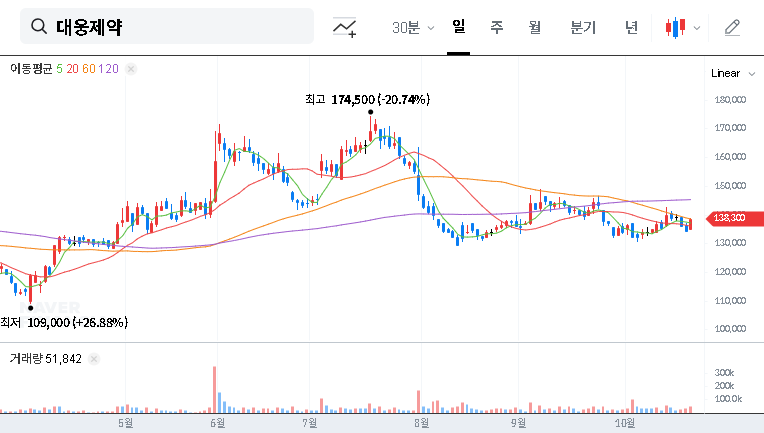
    In the dynamic biopharmaceutical landscape, a significant development has emerged from DAEWOONG PHARMA regarding its flagship P-CAB (Potassium-Competitive Acid Blocker) drug, Fexuclue. The company recently submitted a New Drug Application (NDA) in South Korea to expand its use for Fexuclue H. pylori eradication in combination with antibiotics. This strategic move signals a major step towards tapping into a vast new market and solidifies Fexuclue’s position as a versatile treatment for gastrointestinal disorders.

    This comprehensive analysis will delve into the details of the NDA submission, the clinical data supporting it, the immense market potential for H. pylori treatment, and what this means for investors and the future of DAEWOONG PHARMA. We will provide the critical insights needed to understand the full scope of this pivotal development.

    NDA Submitted for Fexuclue H. Pylori Eradication

    On October 27, 2025, DAEWOONG PHARMA officially filed a domestic New Drug Application with South Korea’s Ministry of Food and Drug Safety (MFDS). The application pertains to Fexuclue Tab. 40mg (Fexuprazan hydrochloride), seeking approval for a new indication: the eradication of Helicobacter pylori bacteria when used in a combination therapy regimen with standard antibiotics. The official filing can be reviewed in the company’s disclosure. (Official Disclosure)

    This submission is backed by robust data from a Phase 3 clinical trial. The study successfully demonstrated that the Fexuclue-based therapy was non-inferior to the existing standard of care. The Fexuclue group achieved an impressive eradication rate of 83.64%, compared to 77.93% in the control group. Crucially, the trial reported no significant safety concerns, positioning Fexuclue as a potent and safe alternative for patients.

    The successful Phase 3 trial results not only pave the way for a new treatment paradigm but also powerfully revalidate DAEWOONG PHARMA’s R&D capabilities in the competitive P-CAB drug class.

    Why This Indication is a Game-Changer

    Tapping into a Massive Market

    Helicobacter pylori is a pervasive bacterium and a primary cause of peptic ulcers and gastric cancer. According to the World Health Organization, it infects approximately half of the world’s population. In South Korea alone, an estimated 20 million people are infected. This represents a substantial and underserved market. By securing an indication for H. pylori treatment, Fexuclue can significantly expand its market share beyond its current approvals for gastric ulcers and gastritis, driving long-term revenue growth.

    Superior Mechanism of Action

    Fexuclue, as a P-CAB drug, offers advantages over older Proton Pump Inhibitors (PPIs). P-CABs provide rapid, potent, and sustained acid suppression, which is critical for creating an environment where antibiotics can effectively eradicate H. pylori. This efficacy, combined with a favorable safety profile, gives Fexuclue a competitive edge and provides a much-needed new option for clinicians and patients, potentially improving overall eradication success rates. For more on this, you can read our complete analysis of the P-CAB drug market.

    Investment Analysis: Opportunities and Risks

    For investors, the Fexuclue H. pylori eradication NDA presents both exciting opportunities and notable risks that require careful consideration.

    Positive Factors for DAEWOONG PHARMA

    • Diversified Revenue Stream: Approval will unlock a new, large-scale revenue pipeline, reducing reliance on existing indications and boosting profitability.
    • Strengthened Portfolio: This indication cements DAEWOONG PHARMA Fexuclue as a cornerstone of its gastroenterology portfolio, enhancing its competitive moat.
    • Global Expansion Blueprint: A successful domestic launch serves as a powerful proof-of-concept for securing approvals and partnerships in international markets.

    Potential Risk Factors

    • Regulatory Hurdles: An NDA submission is not a guarantee of approval. The MFDS review process can introduce delays or unexpected requests for more data.
    • Market Competition: The H. pylori treatment market is established and competitive. Gaining traction against entrenched PPI-based therapies will require a robust marketing and physician education strategy.
    • Physician Adoption Rate: It may take time for healthcare professionals to adopt the new Fexuclue-based regimen, which could temper initial sales growth.

    Conclusion: A Strategic Milestone

    DAEWOONG PHARMA’s application for Fexuclue’s expanded indication for H. pylori eradication is more than a routine filing; it’s a strategic milestone that could significantly reshape the company’s growth trajectory. While regulatory and market risks remain, the strong clinical data and vast market size present a compelling case for long-term value creation. Investors should monitor the progress of the MFDS review and the company’s pre-launch activities closely. This development solidifies Fexuclue’s potential to become a blockbuster drug and a leader in gastrointestinal care.

    (069620) Fexuclue for H. Pylori Eradication: Daewoong Pharma's NDA & Market Impact Analysis 관련 이미지
  • (068270) Celltrion Stock Analysis: Shareholder Move Signals Global Biopharma Growth?

    (068270) Celltrion Stock Analysis: Shareholder Move Signals Global Biopharma Growth?

    This comprehensive Celltrion stock analysis delves into a recent, subtle yet significant move by its largest shareholder, Celltrion Holdings. On October 14, 2025, a seemingly minor increase in their stake sent ripples through the market, prompting investors to question: is this the catalyst that cements Celltrion Inc.‘s trajectory to becoming a dominant global biopharma leader? We will dissect this event, evaluate the company’s robust fundamentals, analyze the macroeconomic environment, and provide a clear investment outlook.

    Event Overview: A Closer Look at the Share Acquisition

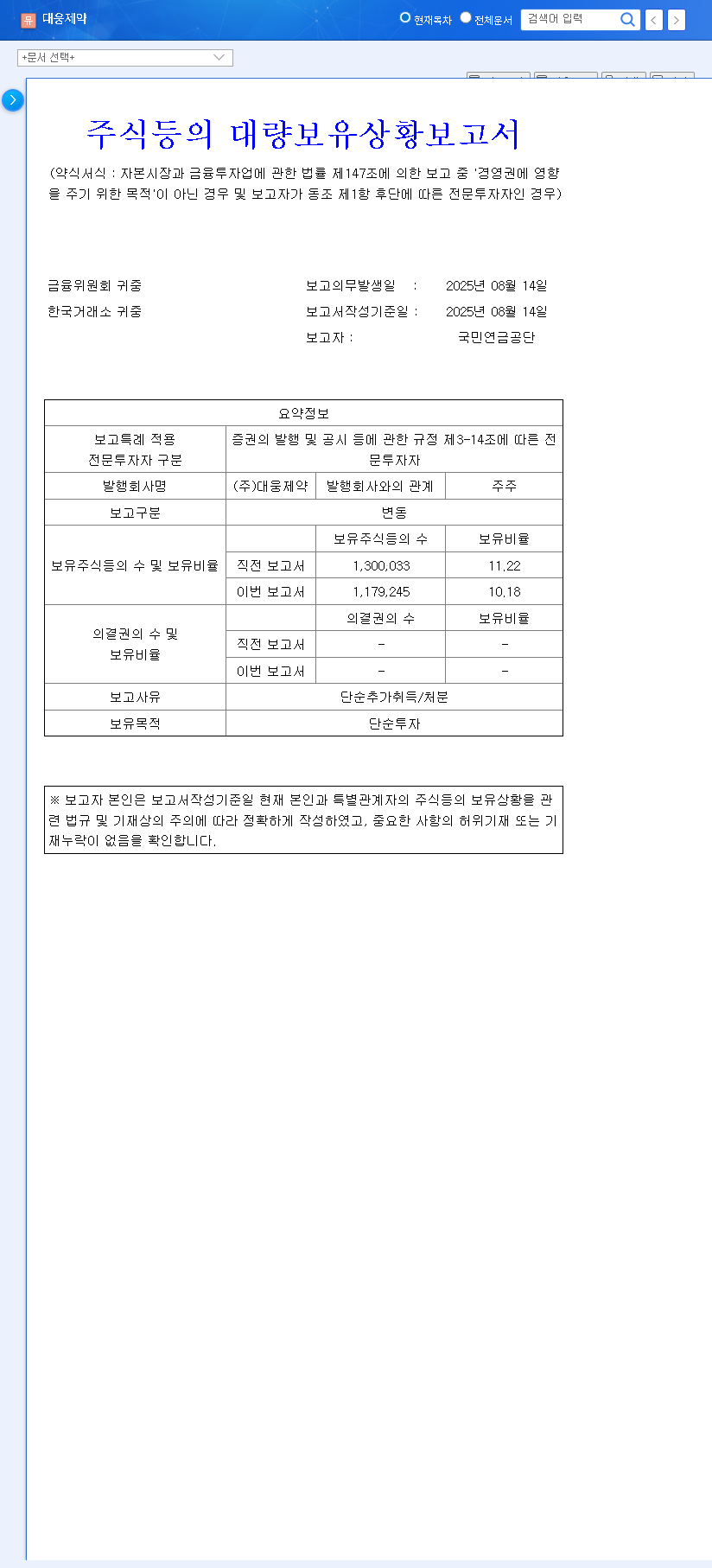
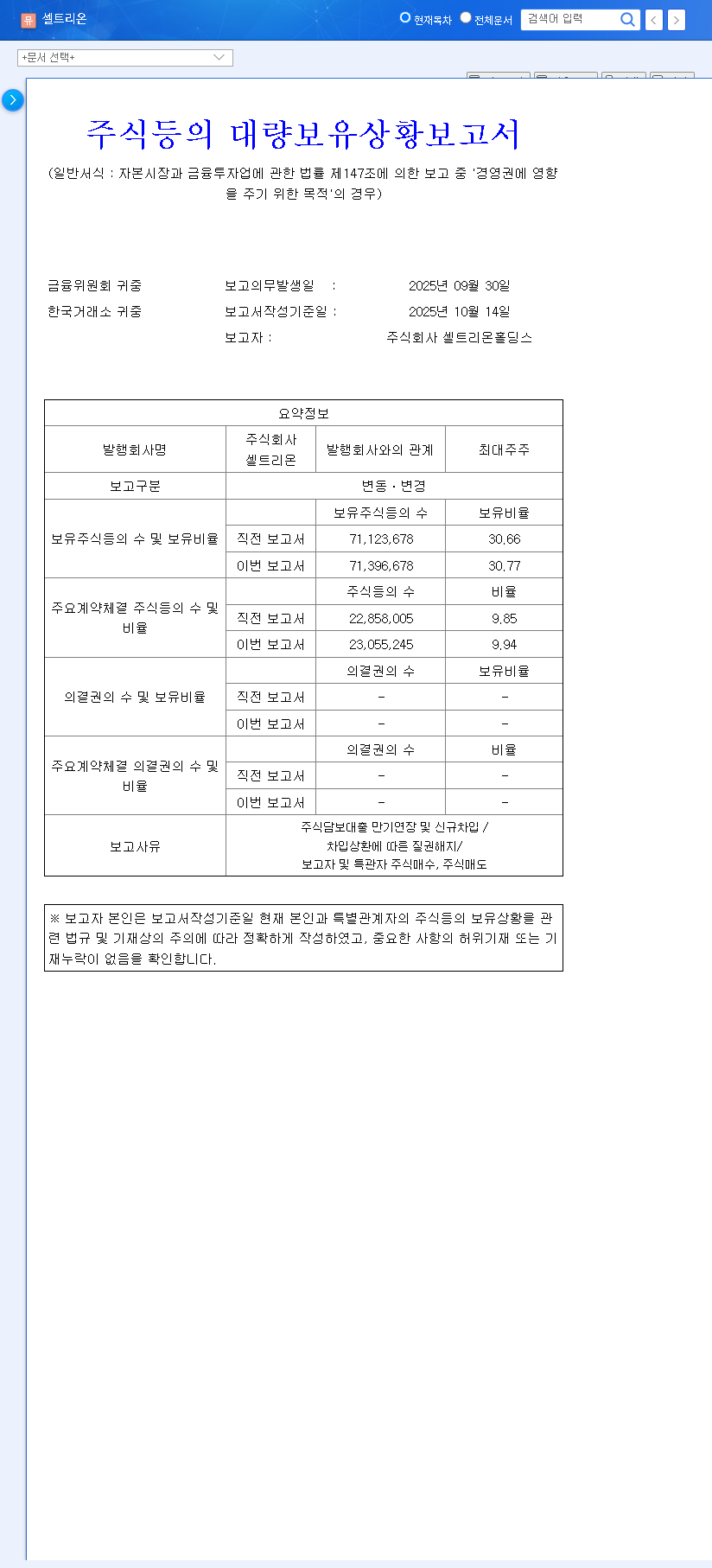
    On October 14, 2025, Celltrion Holdings Co., Ltd., the primary shareholder of Celltrion Inc., reported an acquisition of 275,000 shares on the open market. According to the Official Disclosure (Source), this transaction, combined with those of related parties, lifted the total ownership stake from 30.66% to 30.77%. While a 0.11% increase may appear negligible, in the world of corporate governance, such moves are deliberate and often signal profound confidence from those who know the company best.

    Deep Dive: A Comprehensive Celltrion Stock Analysis

    To understand the context behind the shareholder’s confidence, we must examine the core fundamentals of Celltrion Inc. The company has been making strategic moves that lay a strong foundation for future growth.

    Robust Fundamentals & Merger Synergies

    Following its merger with Celltrion Healthcare in late 2023, the company has created a vertically integrated powerhouse, controlling everything from R&D to sales. This synergy is already bearing fruit. For the first half of 2025, Celltrion posted staggering results: sales of KRW 1.8034 trillion (a 50.7% year-over-year increase) and an operating profit of KRW 391.9 billion (a massive 244.6% YoY jump). This translates to an exceptional operating profit margin of 21.7%, showcasing incredible efficiency and market power.

    The Zymfentra Factor: A New Era Beyond Biosimilars

    A key pillar of Celltrion’s future is Zymfentra. Its recent U.S. FDA approval for treating inflammatory bowel disease is a landmark achievement. This approval signifies Celltrion’s evolution from a biosimilar specialist to an innovative new drug developer. Zymfentra opens up a high-margin market and establishes a critical foothold in the United States, proving the company’s R&D capabilities and paving the way for a diverse and powerful drug pipeline.

    Strategic R&D and Financial Stability

    Celltrion is not resting on its laurels. The company’s commitment to innovation is evident in its R&D expenditure of KRW 229.6 billion, representing nearly 13% of sales. This aggressive investment ensures a continuous flow of new products. Financially, the company is on solid ground, with total assets of over KRW 20 trillion against liabilities of less than KRW 4 trillion, supported by a healthy operating cash flow.

    The recent share acquisition, though small, acts as a powerful vote of confidence from the inside, signaling a deep-seated belief in Celltrion’s long-term trajectory as a global biopharma powerhouse.

    The Macroeconomic Landscape: Tailwinds and Headwinds

    The global environment presents both opportunities and challenges. The worldwide pharmaceutical and biotech market is projected to grow consistently, with a report from market analysis firms like Grand View Research projecting strong expansion, particularly in oncology and immunology—areas where Celltrion is strong. Furthermore, the weakness of the Korean Won against the Euro and US Dollar provides a significant tailwind, boosting the profitability of its substantial exports. However, investors must remain aware of potential headwinds like high interest rates increasing borrowing costs and rising oil prices affecting logistics.

    Investor Outlook & Actionable Insights

    Considering all factors, the increased stake by Celltrion Holdings should be viewed as a bullish signal that reinforces the company’s strong fundamental case. It underscores management stability and faith in the long-term vision. For more information, you can read our guide on understanding the biosimilar market.

    Upside Potential (The Bull Case)

    • Proven Performance: Exceptional H1 2025 results prove the success of the post-merger strategy.
    • Innovative Pipeline: Zymfentra’s launch marks a successful expansion into higher-margin innovative drugs.
    • Insider Confidence: The major shareholder’s increased stake is a strong signal of internal optimism.
    • Favorable Forex: A weak Korean Won significantly boosts export competitiveness and profitability.

    Downside Risks (The Bear Case)

    • Market Competition: The biosimilar market is becoming increasingly crowded, which could pressure margins.
    • Macroeconomic Volatility: Global economic slowdowns or interest rate hikes could impact operations and funding.
    • R&D Uncertainty: New drug development is inherently risky and costly, with no guarantee of success for future pipeline candidates.

    In conclusion, our Celltrion stock analysis suggests a positive long-term outlook. The company’s fundamentals are robust, its strategic direction is clear, and the recent vote of confidence from its major shareholder provides an additional layer of assurance. While risks exist, the potential rewards for investors appear compelling as Celltrion continues its journey to become a global biopharma leader.

    Frequently Asked Questions (FAQ)

    Why is Celltrion Holdings buying more stock?

    The increased stake is seen as a strong signal of confidence in Celltrion’s long-term growth and management stability. It suggests the largest shareholder believes the company’s future is bright and its stock is a valuable investment.

    How significant is Zymfentra’s FDA approval for Celltrion?

    It is highly significant. The approval of Zymfentra transitions Celltrion from primarily a biosimilar company to an innovative drug developer. This opens up new revenue streams, enhances its reputation, and is a major growth engine for the company’s value.

    What are the main risks for investors in Celltrion?

    The primary risks include intense competition in the biosimilar market, potential global economic downturns, the high costs and uncertainties of R&D, and volatility in exchange rates and other macroeconomic factors.

    (068270) Celltrion Stock Analysis: Shareholder Move Signals Global Biopharma Growth? 관련 이미지
  • (206650) EuBiologics mRNA Vaccine (mCOV): A Deep Dive into its Phase 1 IND and Investment Potential

    (206650) EuBiologics mRNA Vaccine (mCOV): A Deep Dive into its Phase 1 IND and Investment Potential

    The development of the EuBiologics mRNA vaccine, known as ‘mCOV’, marks a pivotal moment for the company and a significant development in the post-pandemic biotech landscape. Since the global success of mRNA technology, companies worldwide have raced to harness its potential. EuBiologics has now officially joined this race, applying for a Phase 1 Investigational New Drug (IND) approval for its mCOV candidate, which targets SARS-CoV2 variants. This move is far more than a simple pipeline addition; it represents a strategic pivot that could redefine the company’s future growth drivers and technology portfolio.

    This deep-dive analysis will explore the critical implications of this IND application for EuBiologics, examining the potential upside for investors, the inherent risks, and the key milestones to watch. We will break down what this announcement means for EuBiologics stock and its long-term valuation.

    The Landmark Announcement: Phase 1 IND Application for mCOV

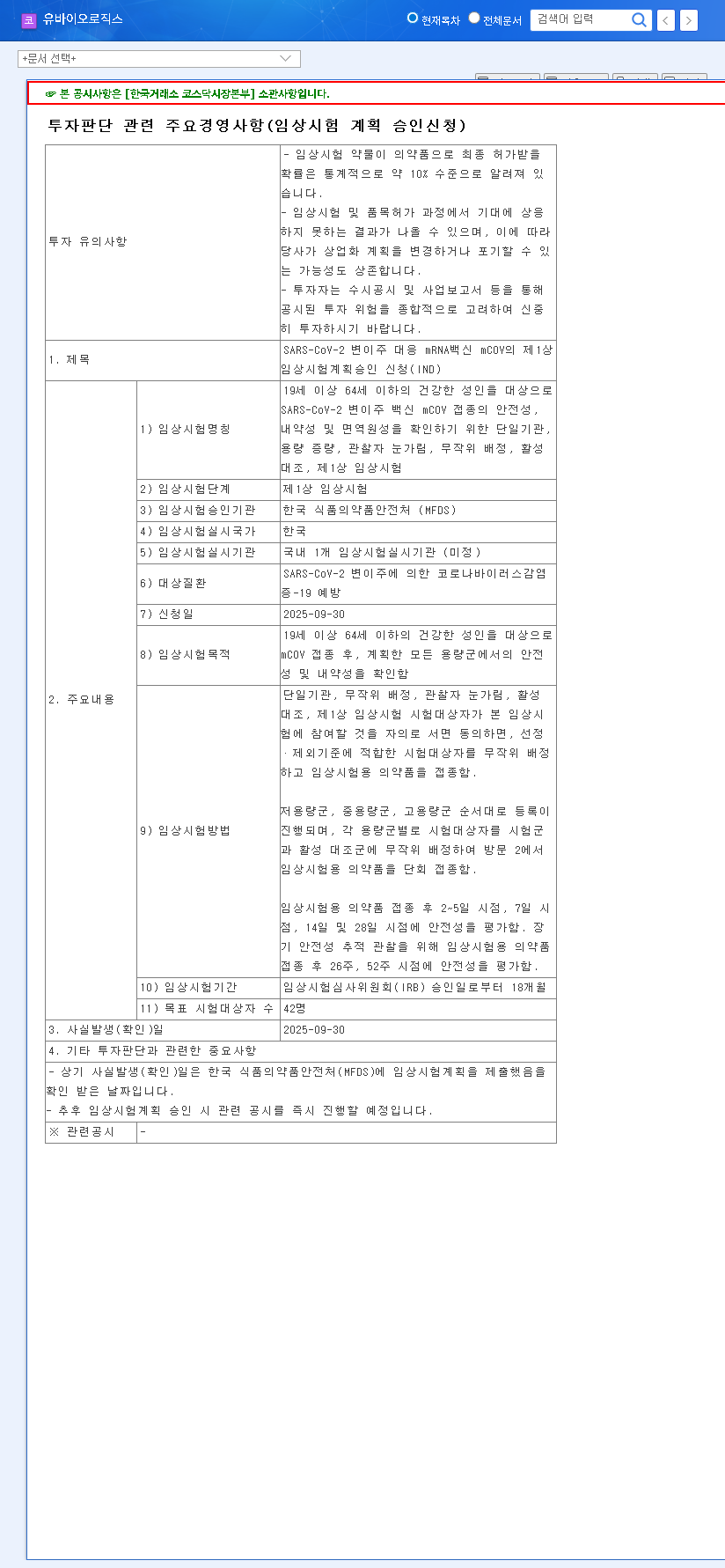
    On October 1, 2025, EuBiologics submitted its application for a Phase 1 IND to regulatory authorities, a crucial first step in human clinical trials. The company made this public through an Official Disclosure on the DART system. The primary goal of this initial phase is to rigorously evaluate the safety, tolerability, and preliminary immunogenicity of the mCOV vaccine in a cohort of healthy adults aged 19 to 64. For a company like EuBiologics, with a current market capitalization of KRW 473.9 billion and a strong foundation in its cholera vaccine business, this venture into cutting-edge mRNA technology signals a bold new chapter that has captured significant market attention.

    The successful progression of the mCOV EuBiologics mRNA vaccine could fundamentally reshape the company’s position, transforming it from a niche vaccine producer into a significant player in the modern biopharmaceutical landscape.

    Why This Matters: Strategic Upside and Growth Drivers

    The IND application for the mCOV vaccine is a cornerstone of EuBiologics’ long-term growth strategy. The potential positive impacts are multifaceted:

    • Pipeline Diversification & Tech Enhancement: Entering the mRNA space allows EuBiologics to build upon its existing vaccine expertise with next-generation biotechnology. This not only enhances its R&D capabilities but also positions it to compete in a rapidly evolving market, expanding future growth potential beyond its current portfolio.
    • Alignment with Global Market Trends: The COVID-19 pandemic established mRNA technology as the new gold standard in rapid vaccine development. By developing a variant-targeting mRNA vaccine, EuBiologics aligns perfectly with global health priorities and market demand, potentially unlocking significant new revenue streams upon successful commercialization. For context, this is the same technology that powered vaccines from Pfizer and Moderna.
    • Improved Investor Sentiment: The prospect of a high-value, high-tech growth engine is a powerful catalyst for attracting investor interest and driving positive market sentiment. A successful biotech investment narrative built around the EuBiologics mRNA vaccine platform could lead to a significant re-rating of the company’s valuation.

    A Prudent Perspective: Risks and Market Headwinds

    While the outlook is promising, investors must consider the potential risks and the challenging macroeconomic environment.

    Clinical and Commercialization Hurdles

    Clinical trials are inherently risky. A Phase 1 trial, while foundational, is just the first of many steps defined by global health authorities like the World Health Organization (WHO). Key risks include:

    • Trial Outcomes: Unforeseen safety issues or a lack of desired immunogenicity could lead to development delays or complete discontinuation.
    • Long Timelines & High Costs: The journey from a Phase 1 IND to commercial launch requires multiple, costly trial phases and regulatory approvals. Significant time and capital are needed before any revenue is generated, creating long-term uncertainty.
    • Intense Competition: The mRNA vaccine market is crowded with large, well-funded competitors. EuBiologics will need to demonstrate a clear advantage to capture market share.

    Financial and Market Considerations

    The financial commitment to R&D will be substantial. Increased spending on the mCOV vaccine program could pressure short-term profitability. While macroeconomic trends of stabilizing interest rates may improve liquidity and favor new investments, the biotech sector remains sensitive to market volatility.

    Investor Action Plan & Key Milestones to Watch

    Overall, the mCOV IND application is a major positive catalyst for EuBiologics’ long-term potential. The investment thesis is one of strategic expansion, building a high-growth engine atop a stable existing business. For more on how we analyze such opportunities, see our guide on evaluating clinical trial data for biotech stocks.

    Investment Opinion: Positive with Cautious Optimism

    Investors should monitor the following key points closely:

    • Phase 1 Clinical Results: This is the most critical near-term milestone. Positive data on safety and immunogenicity will be a major de-risking event.
    • Broader R&D Pipeline: Track the progress of other vaccine candidates (e.g., Typhoid, Meningococcal) to assess overall portfolio health.
    • CRMO Business Performance: Monitor the growth of its contract research, development, and manufacturing business for signs of operational execution.
    • Financial Health: Scrutinize quarterly reports for the impact of increased R&D spending on cash burn and profitability.

    (206650) EuBiologics mRNA Vaccine (mCOV): A Deep Dive into its Phase 1 IND and Investment Potential 관련 이미지
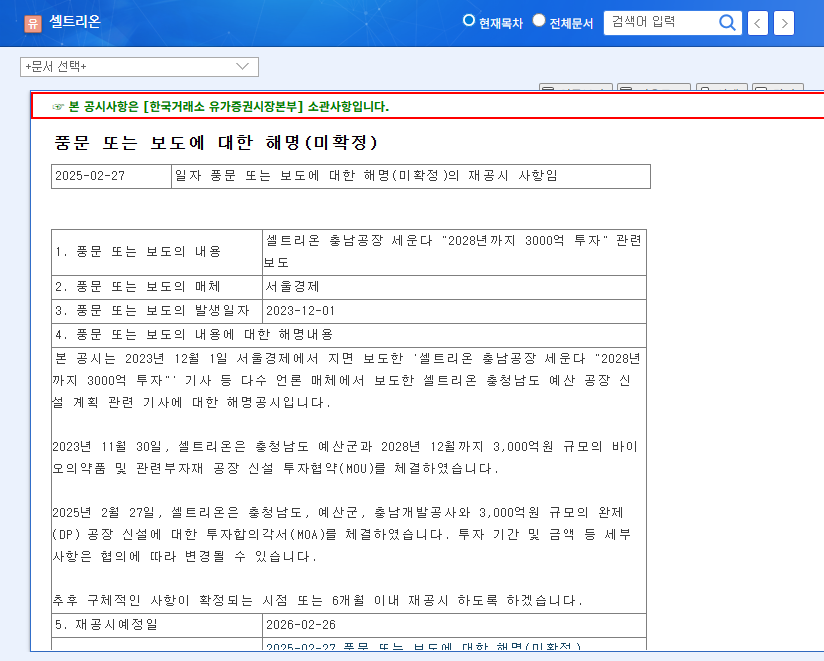
  • Celltrion Investment Analysis: New Plant Fuels Future Growth!

    Celltrion Investment Analysis: New Plant Fuels Future Growth! 대표 차트 이미지

    1. What’s Happening with Celltrion?

    Celltrion recorded sales of ₩1.8034 trillion and operating profit of ₩391.9 billion in Q2 2025. Although these figures decreased year-on-year due to one-off costs related to the merger, both sales and operating profit showed growth on a standalone basis. The most notable news is the ₩300 billion investment agreement for the construction of a new biopharmaceutical and related materials plant in Yesan, Chungcheongnam-do.

    2. Why the Investment?

    This investment has two main objectives. First, it aims to expand production capacity to meet the growing global demand for biosimilars and secure the stable supply of new drugs. Second, it seeks to strengthen Celltrion’s CDMO (Contract Development and Manufacturing Organization) capabilities to create new revenue streams and diversify its business portfolio.

    3. What Does the Future Hold?

    The new Yesan plant will allow Celltrion to increase production and enter the CDMO business, securing future growth engines. The expansion of direct sales of Remsima SC (CT-P13 SC) in the US market, the launch of subsequent biosimilars, and R&D investments in new modalities such as ADCs will support long-term growth. However, global interest rate and exchange rate volatility, as well as intensifying competition in the biosimilar market, require continuous monitoring.

    4. What Should Investors Do?

    While Celltrion has solid fundamentals and growth potential, investors should carefully consider the financial burden of the new plant investment, the market performance of Remsima SC and subsequent biosimilars, the potential for commercialization of the R&D pipeline, and the intensity of market competition before making investment decisions. Experts are considering upgrading Celltrion’s investment rating from ‘Neutral’ to ‘Buy’.

    Frequently Asked Questions

    What are Celltrion’s main products?

    Key products include biosimilars like Remsima, Truxima, and Herzuma, as well as Remsima SC (CT-P13 SC), the first FDA-approved subcutaneous formulation of infliximab.

    What is the significance of the new plant in Yesan?

    It is expected to secure future growth momentum by expanding production capacity and enabling entry into the CDMO business, strengthening future profitability.

    What should investors consider when investing in Celltrion?

    Investment decisions should be made considering changes in the global economic environment and intensifying competition in the biosimilar market.

    Celltrion Investment Analysis: New Plant Fuels Future Growth! 관련 이미지
  • Huons Q2 2025 Earnings Disappointment: IR Analysis and Investment Outlook

    1. Huons Q2 2025 Earnings Analysis: What Happened?

    Huons’ Q2 2025 earnings were disappointing. Key factors contributing to this decline include costs associated with the PanGen acquisition and increased R&D and SG&A expenses. The IR is expected to provide more transparency on the specifics.

    2. Why the Earnings Slowdown?: Understanding the Context

    The PanGen acquisition, while a strategic move to expand into the biopharmaceutical business, has placed a short-term burden on Huons’ financials. Increased R&D investment for future growth also contributed to the decline in profitability.

    3. Huons’ Future Strategy: The Path to Recovery

    Huons plans to recover its growth momentum through US FDA approvals and export expansion, maximizing synergies with PanGen, and continued R&D investment. The IR will likely outline specific execution plans and performance targets.

    4. Action Plan for Investors: Key Considerations

    • Key Checkpoints: Investors should carefully evaluate the concreteness of Huons’ plans for earnings improvement, its performance in the US market, synergies from the PanGen acquisition, financial health management strategies, and the progress of its R&D pipeline.
    • Investment Strategy: A comprehensive analysis of the IR content and subsequent earnings announcements is crucial for making informed investment decisions.

    Frequently Asked Questions

    What are Huons’ main businesses?

    Huons has a diversified portfolio including prescription pharmaceuticals, beauty & wellness products, and contract manufacturing organization (CMO) services.

    How will the PanGen acquisition impact Huons?

    The acquisition is expected to enhance competitiveness in biosimilars and CDMO, but it will inevitably increase short-term financial burden.

    What is the outlook for Huons’ future growth?

    Huons has high growth potential through US market expansion and synergies from the PanGen acquisition, but addressing the factors contributing to its recent earnings slowdown is crucial.

  • HanAll Biopharma Turns Profitable in H1 2025: A Deep Dive into its Promising Pipeline

    1. HanAll Biopharma’s H1 2025 Performance: Turnaround Achieved

    HanAll Biopharma reported revenue of KRW 40.6 billion (+9%), operating profit of KRW 1.1 billion (+83%), and net income of KRW 0.5 billion (+67%) in H1 2025, marking a successful turnaround. Notably, Q2 revenue surged by 28.8% year-over-year to KRW 40.7 billion. This improved performance is attributed to continued R&D investments and positive results from its key pipeline.

    2. Pipeline Progress and Future Value: Driving Growth Through Innovation

    • Batoclimab/Imeropruvat: Demonstrated positive efficacy in Phase 3 trials for Myasthenia Gravis (MG) and promising initial results in Chronic Inflammatory Demyelinating Polyneuropathy (CIDP) trials. Phase 3 results for Thyroid Eye Disease are expected in H2 2025.
    • Tanfanercept: Showed significant improvement in tear production in the VELOS-3 Phase 3 trial for Dry Eye Disease, with the VELOS-4 Phase 3 trial currently underway.
    • HL192 (Parkinson’s Disease Treatment): Achieved positive topline results in Phase 1 trials in Canada.

    These pipeline advancements are crucial for HanAll Biopharma’s future growth potential.

    3. Investment Considerations: Managing Risks

    Despite the positive outlook, investments always carry inherent risks. Key considerations for HanAll Biopharma include:

    • Continued high R&D expenses impacting short-term profitability.
    • Uncertainty surrounding clinical trial success.
    • Intensifying competition and regulatory changes.
    • Ongoing dispute with Harbour BioMed regarding a licensing agreement.

    Investors should carefully evaluate these risk factors alongside the company’s valuation, financials, and market conditions.

    4. Investor Action Plan: Thorough Analysis is Key

    • Analyze the market size and potential success of key pipeline candidates.
    • Monitor R&D investment efficiency and financial health.
    • Analyze competitors and track market trends.
    • Follow the Harbour BioMed dispute closely.

    Frequently Asked Questions

    What are HanAll Biopharma’s main pipeline products?

    HanAll’s key pipeline products include Batoclimab/Imeropruvat, Tanfanercept, and HL192, targeting Myasthenia Gravis, Dry Eye Disease, and Parkinson’s Disease, respectively.

    What are the key investment risks for HanAll Biopharma?

    Key risks include high R&D expenses, clinical trial uncertainties, competition, and the ongoing dispute with Harbour BioMed.

    How did HanAll Biopharma perform in H1 2025?

    The company reported revenue of KRW 40.6 billion and operating profit of KRW 1.1 billion, returning to profitability.

  • Samsung Biologics H1 2025 Earnings: Declining Revenue, But Is There a Silver Lining?

    1. H1 2025 Earnings: Mixed Signals of Declining Revenue and Improving Profitability

    Samsung Biologics recorded revenue of KRW 1.29 trillion (-5% YoY), operating profit of KRW 475.5 billion (+10%), and net income of KRW 324.3 billion (-5%) in H1 2025. While revenue fell short of market expectations, operating profit surpassed them.

    2. Reasons for the Sluggish Performance: Intensified CDMO Market Competition and Client Variables

    The decline in revenue is attributed to various factors, including changes in the global pharmaceutical market, intensified competition, and changes in client production plans. The intensifying competition within the CDMO market, leading to fierce competition for orders, is analyzed as a primary cause.

    3. Hidden Growth Drivers: Improved Profitability and Long-Term Growth Potential

    The increase in operating profit is a result of efforts such as improved cost management efficiency, an increased proportion of high-value-added product production, and SG&A reduction. Furthermore, Plant 5 expansion and business expansion in areas like ADC and cell and gene therapy will serve as long-term growth drivers.

    4. Action Plan for Investors: Maintaining a Long-Term Perspective Amidst Short-Term Volatility

    While short-term stock price volatility is expected due to concerns about the revenue slowdown, a positive trend is expected in the mid-to-long term based on solid fundamentals and the growth outlook of the CDMO market. Investors should establish investment strategies from a long-term perspective rather than reacting emotionally to short-term stock price fluctuations. It’s crucial to carefully analyze the causes of the revenue slowdown through detailed earnings reports and monitor the order pipeline and new business progress.

    Q: What are the key takeaways from Samsung Biologics’ H1 2025 earnings?

    A: Revenue fell short of market expectations, while operating profit exceeded them, showing a mixed performance. While the revenue slowdown is attributed to factors like intensified competition in the CDMO market, the improved profitability is a positive sign.

    Q: What is the outlook for Samsung Biologics?

    A: Short-term stock price volatility is anticipated due to concerns about the revenue slowdown, however, a positive trend is expected in the mid-to-long term driven by strong fundamentals and the growth of the CDMO market.

    Q: What should investors pay attention to?

    A: Investors should carefully analyze the causes of the revenue slowdown through the detailed earnings report and closely monitor the order pipeline and new business progress. It’s important to develop an investment strategy focused on the long-term growth potential.

  • Samsung Biologics Q2 2025 Earnings: A Deep Dive and Investment Strategies

    1. Q2 Earnings Breakdown: A Mixed Bag

    Samsung Biologics reported Q2 revenue of KRW 12,899 billion, surpassing market expectations by 1%. However, both operating income (KRW 4,755 billion) and net income (KRW 3,243 billion) missed the mark, raising concerns among investors. The net income miss was particularly significant, coming in 12% below projections.

    2. Deconstructing the Net Income Miss

    While the precise reasons for the net income shortfall remain unclear, potential factors include increased costs for specific projects or one-time expenses. Macroeconomic factors such as rising raw material prices and currency fluctuations may have also played a role. Positively, the company’s amended business report reinforces contract stability and transparency.

    3. Future Outlook and Investment Strategies

    Short-term market volatility is possible due to concerns over the net income miss. However, the continued growth of the CDMO market and Samsung Biologics’ strong fundamentals suggest a positive long-term outlook. Investors should focus on monitoring future earnings releases and business strategies, adopting a long-term perspective rather than reacting to short-term fluctuations.

    4. Impact of the Amended Business Report

    Samsung Biologics’ amendment to its ‘Single Sales and Supply Contract Conclusion Disclosure Status’ clarifies contract pricing and emphasizes client payment obligations. This move is expected to enhance revenue stability and restore investor confidence.

    Frequently Asked Questions

    Q: Why are Samsung Biologics’ Q2 earnings significant?

    A: These earnings serve as a vital indicator of the CDMO market’s growth and the company’s competitiveness. Analyzing the reasons behind the net income miss can inform future investment strategies.

    Q: What should investors focus on?

    A: Investors should consider the broader context, including CDMO market projections, company strategies, and macroeconomic factors, rather than solely focusing on short-term price movements. The amended report and upcoming earnings releases also warrant close attention.

    Q: What is the long-term outlook for Samsung Biologics?

    A: The company’s long-term growth potential remains strong, fueled by the expanding CDMO market. However, investors should be mindful of risks such as increased competition and macroeconomic uncertainties.