Tag: Bio Investment

  • (046210) HLB PANAGENE PEF Investment: A Deep Dive Analysis for Investors

    (046210) HLB PANAGENE PEF Investment: A Deep Dive Analysis for Investors

    HLB PANAGENE Co., LTD. (HLB파나진) has captured the market’s attention with its recent decision to make an 8.5 billion KRW HLB PANAGENE PEF investment. As a leader in PNA-based molecular diagnostics, this strategic move raises a critical question for investors: Is this a catalyst for future growth or a gamble that could increase financial uncertainty? This comprehensive analysis will dissect the investment’s rationale, evaluate the company’s financial health, and provide actionable insights for potential and current shareholders.

    Unpacking the 8.5 Billion KRW PEF Investment

    On November 14, 2025, HLB PANAGENE formally announced its commitment to acquire shares in the Cactus Westview Special Situation Private Equity Fund. This significant investment, representing 10.67% of the company’s equity, is positioned as a strategic effort to secure future growth drivers by participating as a limited partner. The scheduled acquisition date is set for December 31, 2025. The company’s official filing provides the complete details of this transaction. Official Disclosure (DART). A Private Equity Fund (PEF) like this often targets companies with unique opportunities or challenges, aiming to unlock value through financial and operational restructuring.

    A Financial Health Check: Strengths and Weaknesses

    Understanding HLB PANAGENE’s current financial standing is crucial to contextualize the PEF investment. The picture is mixed, revealing both robust liquidity and profitability challenges.

    Key Financial Metrics (Q3 2025)

    • Revenue & Profit Decline: Cumulative revenue stood at 10.815 billion KRW, down 18.0% year-over-year. The operating loss widened to -1.76 billion KRW, primarily due to underperformance in the biomaterial and immunodiagnostics sectors.
    • Molecular Diagnostics Resilience: This core segment, accounting for 75.31% of revenue, helped mitigate the overall decline, though concerns about intensifying market competition are growing.
    • Improved Financial Soundness: Cash reserves increased significantly to 41.31 billion KRW. The debt-to-equity ratio improved to a healthy 31.90%, largely due to recent capital-raising activities like convertible bond issuances.
    • Lingering Concerns: High research and development (R&D) expenses and the financial obligations from convertible bonds remain significant hurdles to achieving sustainable profitability.

    Market Position and Competitive Landscape

    HLB PANAGENE operates within the rapidly expanding global molecular diagnostics market, a sector projected to reach nearly $18 billion by 2025. The company’s proprietary PNA (Peptide Nucleic Acid) technology provides a distinct competitive advantage, especially in the high-value area of companion diagnostics for targeted cancer therapies. However, recent performance suggests that this advantage is being tested by fierce competition and potential challenges in scaling its distribution channels effectively.

    This HLB PANAGENE PEF investment can be seen as a strategic pivot—using a strong cash position to acquire external growth engines while working to resolve profitability issues in its core business.

    Potential Impacts: The Bull vs. The Bear Case

    The Bull Case (Potential Upsides)

    • Fuel for Growth: The 8.5 billion KRW provides significant capital for new technology development, strategic acquisitions, or market expansion.
    • Enhanced Management: PEFs often bring valuable operational expertise and strategic oversight, which could drive efficiency improvements within HLB PANAGENE.
    • Financial Fortification: The capital injection further strengthens the balance sheet, reducing financial risk and improving investor confidence.

    The Bear Case (Potential Downsides)

    • Profitability Drag: If the core business continues to post operating losses, this investment won’t be a short-term fix and could be seen as a distraction from fundamental issues.
    • Investment Uncertainty: The success of the PEF’s own investments is not guaranteed. Poor performance by the fund could negatively impact HLB PANAGENE’s financials.
    • Short-Term Volatility: The news can create significant short-term stock price fluctuations as the market digests the long-term implications.

    Actionable Strategy for HLB PANAGENE Investors

    The HLB PANAGENE PEF investment is a complex event with both promise and risk. The short-term impact is likely neutral to slightly positive, reflecting the balance between enhanced financial stability and ongoing operational questions. Investors should tailor their approach based on their time horizon.

    For Short-Term Traders: Caution is advised. Monitor market reactions closely and be prepared for volatility. Avoid making impulsive decisions based on initial price swings.

    For Long-Term Investors: Focus on the fundamentals. Key areas to monitor include the company’s progress toward operating profitability, the commercial success of new diagnostic products, and any clear synergies that emerge from the PEF investment. For more information on this sector, you might review our guide on how to analyze biotech stocks.

    Ultimately, the success of this move hinges on whether HLB PANAGENE can translate this financial maneuver into tangible improvements in its core molecular diagnostics business and generate a strong return from the fund itself.
    (046210) HLB PANAGENE PEF Investment: A Deep Dive Analysis for Investors 관련 이미지
  • (153710) Optipharm (153710) IR Event: Analysis of Q3 Earnings & Xenotransplantation Future

    (153710) Optipharm (153710) IR Event: Analysis of Q3 Earnings & Xenotransplantation Future

    The upcoming Optipharm IR event is a pivotal moment for investors. As Optipharm.CO.,LTD (153710) prepares to release its Q3 2025 earnings, the bio/healthcare sector watches closely. The company stands at a crossroads, grappling with significant revenue declines while simultaneously investing heavily in groundbreaking technologies. This analysis will unpack the critical factors surrounding the event, providing a comprehensive guide for stakeholders.

    Facing a challenging market and internal financial pressures, this investor relations call is more than just a financial report; it’s a strategic communication that could redefine the company’s trajectory. We will delve into Optipharm’s current fundamentals, explore the high-stakes potential of its R&D pipeline, and outline what to watch for during the presentation.

    Event Details and Official Disclosure

    Optipharm is scheduled to host its critical Investor Relations (IR) event on November 18, 2025. The primary agenda includes the announcement of Q3 2025 financial results and a detailed update on its business operations and forward-looking strategy. This event serves as a crucial platform for management to address investor concerns and showcase a clear path toward sustainable growth. For complete, official information, please refer to the company’s filing. (Source: Official Disclosure).

    Current Financial Health: A Deep Dive

    Understanding Optipharm’s current financial standing is essential context for the upcoming IR event. The first half of 2025 painted a challenging picture, marked by several key indicators that investors must consider.

    Revenue and Profitability Concerns

    The most pressing issue is a sharp revenue contraction. Optipharm’s H1 2025 revenue stood at 10.707 billion KRW, a steep 45.7% decrease year-over-year. This was not isolated to one segment, with declines reported across its animal pharmaceuticals, diagnostics, and Medipig divisions. Factors such as heightened market competition and shifts in trading partnerships have been cited as primary causes. This downturn has led to an accumulated deficit of 29.443 billion KRW, placing significant pressure on the company’s balance sheet.

    The core challenge for Optipharm is balancing the cash burn from its ambitious R&D projects with the immediate need to stabilize its core revenue streams. The IR event must provide a convincing strategy for bridging this gap.

    Future Growth Engines: The R&D Pipeline

    Despite financial headwinds, Optipharm has not wavered in its commitment to innovation. The company’s R&D expenditure of 2.082 billion KRW (14.53% of sales) is a testament to its focus on securing future growth. Three areas are particularly critical:

    • Xenotransplantation: This revolutionary field involves the transplantation of organs or tissues between different species, with the potential to solve the global organ shortage crisis. Optipharm’s progress in developing specialized pigs (Medipig) for this purpose is a key potential value driver. Success here could be transformative, though regulatory and clinical hurdles are substantial. For more background, you can review information from authoritative bodies like the World Health Organization.
    • VLP Vaccines: Virus-Like Particle (VLP) vaccines are a modern approach that mimics a virus’s structure to elicit a strong immune response without containing any genetic material, making them very safe. This technology is a cornerstone of next-generation vaccine development, and Optipharm’s investment could position it as a key player in animal and human health markets.
    • Bacteriophages: With the rise of antibiotic-resistant bacteria, bacteriophages (viruses that infect and kill bacteria) represent a promising therapeutic alternative. Optipharm’s research in this area taps into a market with immense growth potential as the medical community seeks new solutions for persistent infections.

    Investor Checklist: Key Questions for the Optipharm IR Event

    Astute investors should listen carefully during the Optipharm IR event for answers to the following critical questions. The quality and clarity of the company’s responses will be a strong indicator of its future prospects.

    1. Path to Revenue Recovery

    Are there tangible signs that the revenue decline is slowing in Q3? What specific, actionable strategies is management implementing to regain market share and stabilize its core animal pharmaceutical and diagnostic businesses?

    2. Commercialization Timelines for New Ventures

    Beyond R&D updates, what is the realistic commercialization roadmap for xenotransplantation, VLP vaccines, and bacteriophages? Investors need to see clear timelines, clinical trial progress, and potential revenue models. Check out our related article on investing in biotech pipelines for more context.

    3. Financial Management and Capital Strategy

    How does the company plan to manage its rising debt-to-equity ratio (65.85%) and accumulated deficit? Will there be new fundraising initiatives, cost-cutting measures, or other self-rescue efforts to improve financial health and fund ongoing operations?

    In conclusion, the Optipharm (153710) Q3 IR event is a critical inflection point. The company must deliver a narrative that not only acknowledges current struggles but also presents a credible and compelling vision for the future. The successful commercialization of its innovative pipeline, particularly in xenotransplantation, remains the key to unlocking long-term value, but shoring up the core business is the immediate imperative.

    (153710) Optipharm (153710) IR Event: Analysis of Q3 Earnings & Xenotransplantation Future 관련 이미지
  • (102940) KOLON LIFE SCIENCE Convertible Bond: 2025 Investor’s Deep Dive & Stock Impact Analysis

    (102940) KOLON LIFE SCIENCE Convertible Bond: 2025 Investor’s Deep Dive & Stock Impact Analysis

    The recent announcement of the KOLON LIFE SCIENCE convertible bond (CB) issuance for ₩30 billion has sent ripples through the investment community. This strategic financial move is designed to fuel future growth but introduces critical variables that investors must understand. This deep-dive analysis will dissect the CB issuance, explore its potential impact on the KOLON LIFE SCIENCE stock price, and outline a comprehensive investment strategy to navigate the opportunities and risks ahead, including the crucial concern of share dilution.

    Understanding the ₩30 Billion CB Issuance

    On November 11, 2025, KOLON LIFE SCIENCE Inc. finalized its decision to raise ₩30 billion through a private placement of convertible bonds. But what does this mean? A convertible bond is a hybrid security that acts like a bond, providing regular interest payments, but can be converted into a predetermined number of the company’s common stock. It offers investors the safety of a bond with the upside potential of an equity investment. For more on the mechanics, you can review this comprehensive guide on convertible securities.

    Key Terms of the KOLON LIFE SCIENCE Convertible Bond

    The specifics of this CB issuance are crucial for any investment analysis. Here are the core details as per the Official Disclosure from DART:

    • Issuance Amount: ₩30 billion, representing about 6.85% of the company’s total capital.
    • Issuance Method: Private placement to specific funds, including Green ESG Growth and Woori Corporate Financial Stability funds.
    • Conversion Price: ₩32,820, set at a slight premium to the stock price at the time of announcement (₩32,400).
    • Coupon & Maturity Rates: A 0.0% coupon rate (no regular interest payments) but a 5.0% yield-to-maturity, incentivizing conversion.
    • Conversion Period: From November 26, 2026, to October 26, 2055.

    Analysis: The Bull vs. Bear Case

    This capital injection presents a classic risk/reward scenario. How the market prices the KOLON LIFE SCIENCE stock will depend on which narrative gains more traction.

    The Bull Case: Fueling Future Growth

    Optimists will point to the strategic use of funds. The capital is widely expected to be funneled into the company’s Bio business, specifically for pipeline development and commercialization. The 0% coupon rate is a significant vote of confidence; it implies that investors are betting on capital appreciation through stock conversion rather than seeking fixed income. This structure reduces the immediate financial burden on KOLON LIFE SCIENCE, allowing it to invest heavily in R&D, which could unlock substantial long-term value.

    The Bear Case: The Specter of Share Dilution

    The primary concern is share dilution. When bondholders convert their bonds into stock, new shares are created. This increases the total number of shares outstanding, potentially reducing the ownership percentage and earnings per share (EPS) for existing shareholders. If the stock price fails to rise above the conversion price, the company faces a maturity repayment burden, which could strain finances if the capital hasn’t generated sufficient returns. Furthermore, this issuance does not resolve pre-existing risks, such as the ongoing Invossa-related litigation, which remain a drag on sentiment.

    For investors, the issuance represents a classic risk/reward scenario: weigh the near-term risk of share dilution against the long-term potential for R&D-fueled growth.

    Updated Investment Strategy & Outlook

    A prudent investment strategy requires careful monitoring of key catalysts and risk factors. The short-term impact on the stock is likely to be negative to neutral as the market digests the potential for dilution. However, the mid-to-long-term trajectory will be dictated by the company’s execution.

    What Investors Should Monitor:

    • Fund Utilization Plan: Demand transparency from the company on exactly which R&D projects will receive funding. Progress and milestones in the Bio pipeline are now paramount.
    • Conversion Tracking: As the conversion period begins in 2026, keep an eye on the volume of conversions. This will be the clearest indicator of the actual rate of share dilution.
    • Risk Management: Look for updates on the Invossa litigation and other fundamental risks. Positive developments could serve as powerful catalysts. For more on this, see our guide to evaluating risk in biotech stocks.

    Ultimately, this KOLON LIFE SCIENCE convertible bond is a bet on the company’s future. If management can effectively deploy this capital to accelerate its Bio business and achieve key milestones, the long-term value created could far outweigh the short-term concerns of dilution.

    (102940) KOLON LIFE SCIENCE Convertible Bond: 2025 Investor's Deep Dive & Stock Impact Analysis 관련 이미지
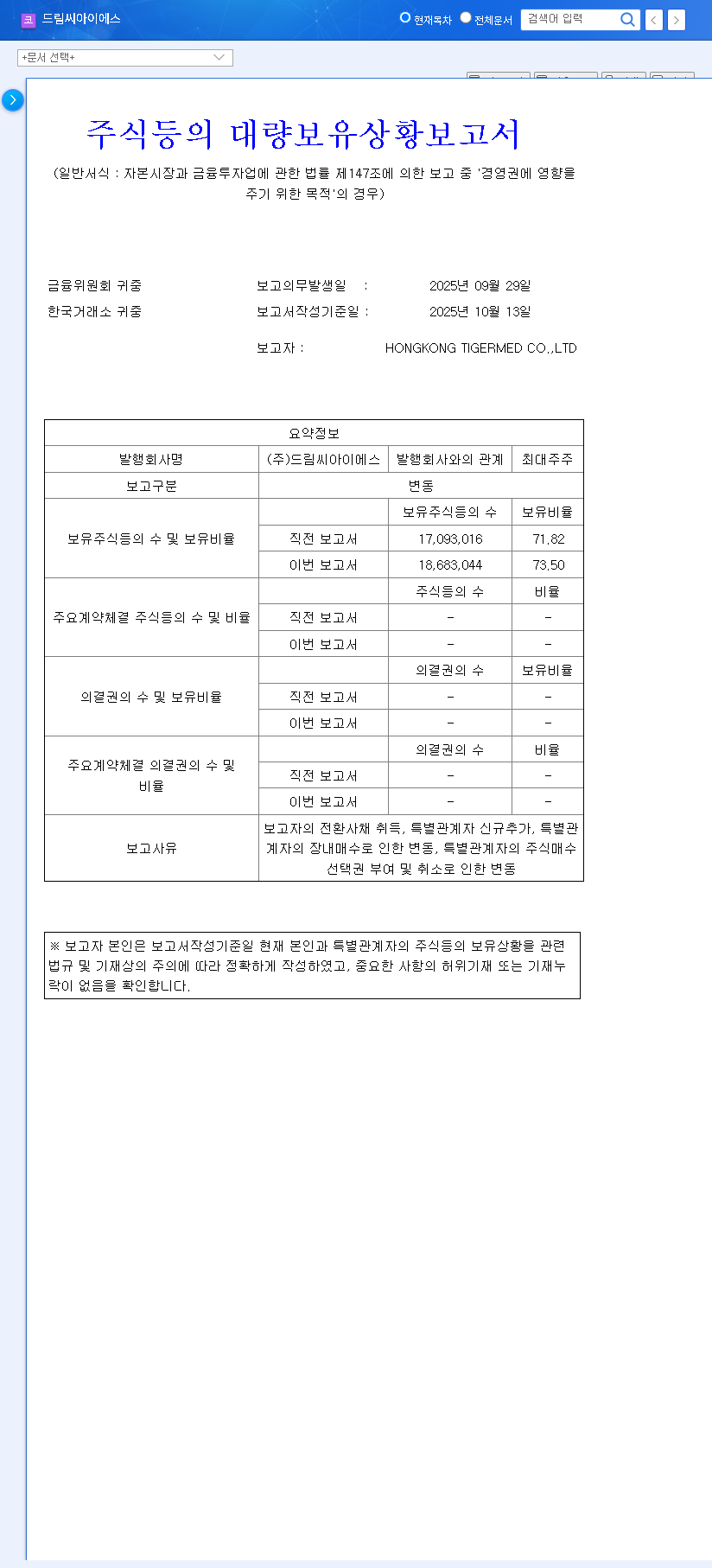
  • (223250) DreamCIS Curi Bio Acquisition: A Deep Dive into a Future-Proof Biopharma Strategy

    (223250) DreamCIS Curi Bio Acquisition: A Deep Dive into a Future-Proof Biopharma Strategy

    The DreamCIS Curi Bio acquisition represents a pivotal moment for the clinical research organization (CRO) industry. DreamCIS INC. (223250), a major player in the Asian CRO market, has strategically acquired a significant stake in the innovative US biotech firm, Curi Bio, Inc. This move is far more than a simple financial investment; it’s a calculated leap into the future of drug development, designed to secure new growth engines and solidify the company’s global competitive edge. This in-depth analysis will unpack the layers of this acquisition, exploring its impact on DreamCIS INC.’s growth trajectory and its broader biopharma strategy.

    The Landmark Deal Explained

    On November 11, 2025, DreamCIS INC. formalized its decision to acquire a 23.74% stake in Curi Bio for approximately KRW 8 billion. This transaction, set to conclude on January 9, 2026, is not a passive investment. The stated goal is direct management participation, signaling a deep integration of Curi Bio’s innovative platforms into DreamCIS’s core service offerings. As detailed in the Official Disclosure, this move is a cornerstone of the company’s long-term vision for diversification and technological advancement.

    This acquisition is a clear statement of intent. DreamCIS is evolving from a traditional clinical research organization into an integrated, tech-forward partner in the biopharmaceutical value chain.

    Strategic Rationale: Why Curi Bio?

    The decision to invest in Curi Bio is rooted in a multi-faceted strategy aimed at future-proofing DreamCIS’s business model. The synergy goes far beyond expanding market share; it’s about fundamentally enhancing the company’s capabilities.

    1. Securing Next-Generation Business Drivers

    Curi Bio is at the forefront of preclinical drug discovery technology. Their expertise in manufacturing advanced cell models, human-relevant organoids, and integrated biosystems addresses a critical bottleneck in pharma R&D. By integrating these services, DreamCIS can offer its clients a seamless pathway from early-stage discovery to late-stage clinical trials. This is particularly vital for high-value sectors like cell therapy, gene therapy, and regenerative medicine, positioning DreamCIS as a one-stop-shop for complex therapeutic development.

    2. Diversifying the Business Portfolio

    The traditional clinical research organization model, while stable, is highly competitive. This acquisition allows DreamCIS to diversify its revenue streams and reduce dependency on traditional trial management. By moving ‘upstream’ into preclinical services, the company captures value earlier in the drug development lifecycle, creating a more resilient and comprehensive business portfolio. This strategic diversification mitigates risk and enhances long-term corporate value.

    3. Enhancing Global Competitiveness

    Acquiring a stake in a US-based firm gives DreamCIS a crucial foothold in the world’s largest and most innovative biopharma market. This move not only facilitates access to a new client base but also strengthens its global network, especially in synergy with its parent company, Tigermed Group. A strong US presence is essential for any CRO with global ambitions, and the DreamCIS Curi Bio acquisition provides just that.

    Comprehensive Impact Analysis

    The ripple effects of this deal will be felt across the company’s financials, market positioning, and operational capabilities. The CRO market is rapidly evolving, with a growing emphasis on technology and data. According to market analysis from authoritative sources like Grand View Research, the industry is increasingly adopting AI and advanced biological models to improve efficiency and success rates. This acquisition aligns perfectly with these macro trends. For more on this topic, see our article on The Future of AI in Clinical Trials.

    Key Opportunities for DreamCIS INC. Growth

    • Integrated Service Offerings: The ability to offer a seamless discovery-to-clinic service package will be a powerful differentiator, attracting high-value clients in cutting-edge therapeutic areas.
    • Technological Leadership: Curi Bio’s platforms position DreamCIS at the forefront of preclinical innovation, enhancing its reputation and brand value.
    • Parent Company Synergy: Deepens the strategic alignment with Tigermed Group, creating a more powerful global entity capable of competing at the highest level.

    Potential Risks and Considerations

    While the strategic upside is clear, investors must also consider potential challenges:

    • Financial Management: The KRW 8 billion investment (approx. 10.44% of equity) is manageable, but requires prudent capital allocation and monitoring of the company’s debt profile and liquidity.
    • Integration Complexity: Successfully integrating a dynamic US biotech culture and its technology with a larger Korean CRO presents operational and cultural challenges that require skilled leadership.
    • Market Volatility: M&A announcements can introduce short-term stock price volatility. The long-term value creation will depend on successful execution and synergy realization.

    Conclusion: A Bold Step Forward

    The DreamCIS Curi Bio acquisition is a forward-thinking, strategic masterstroke. It addresses the core trends shaping the future of the biopharma industry: a demand for more predictive preclinical models, a need for integrated service partners, and the globalization of R&D. While short-term risks exist, the long-term potential for increased corporate value, enhanced market competitiveness, and sustainable DreamCIS INC. growth is substantial. Investors and industry observers should monitor the integration process and the rollout of new, combined services closely, as this partnership has the potential to redefine the boundaries of what a modern clinical research organization can achieve.

    Disclaimer: This analysis is based on publicly available information and is intended for informational purposes only. It does not constitute investment advice. All investment decisions should be made at the investor’s own discretion and responsibility.

    (223250) DreamCIS Curi Bio Acquisition: A Deep Dive into a Future-Proof Biopharma Strategy 관련 이미지
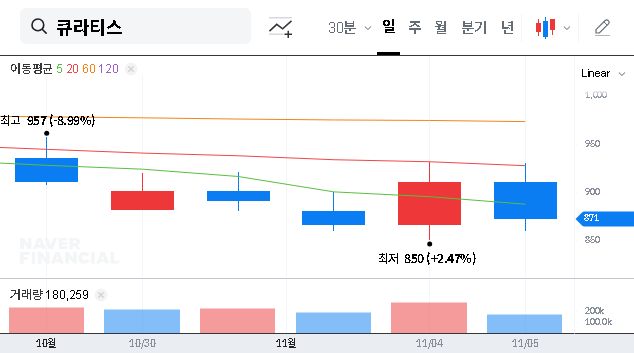
  • (348080) Quratis CB Conversion: In-Depth Investor Analysis & Stock Price Outlook

    (348080) Quratis CB Conversion: In-Depth Investor Analysis & Stock Price Outlook

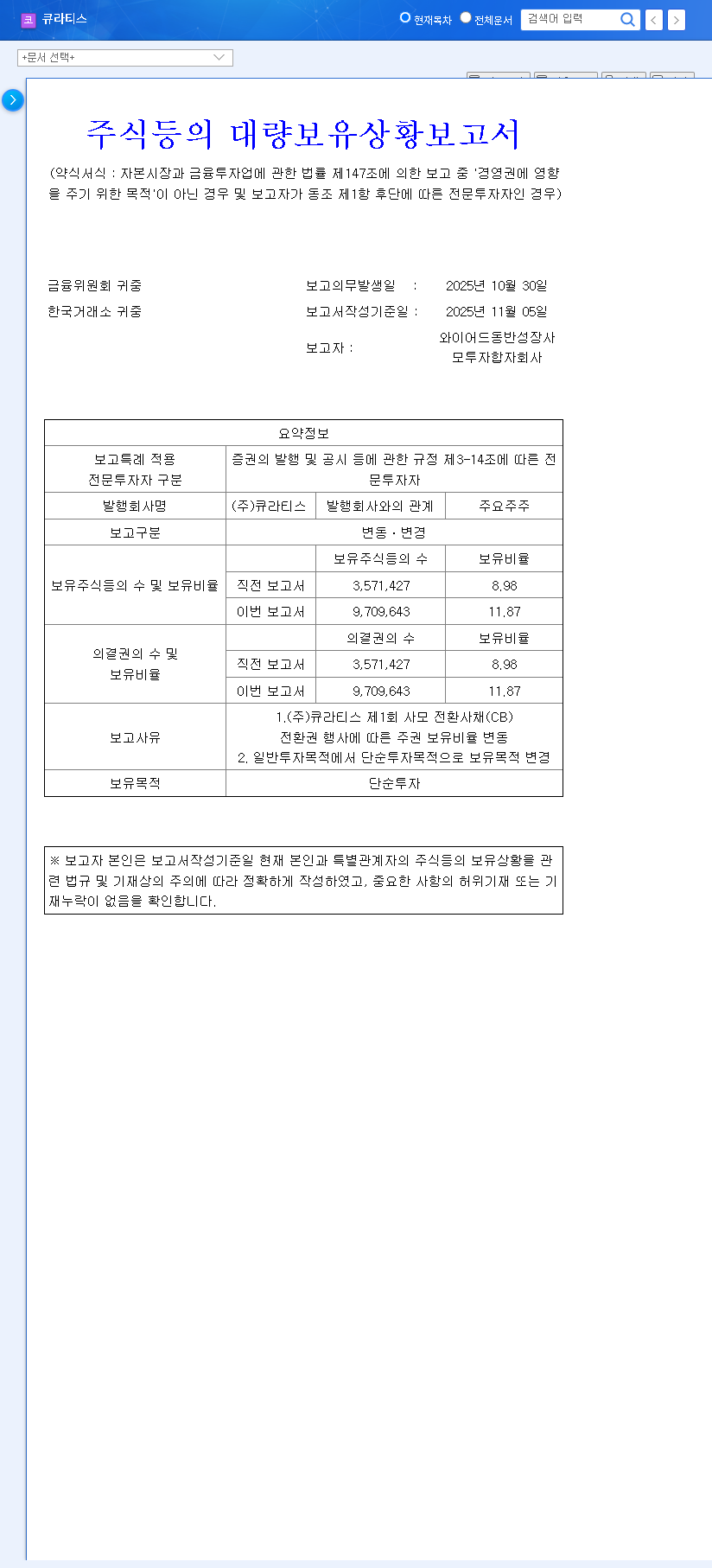
    The recent Quratis CB conversion event has sent ripples through the investor community, prompting a critical re-evaluation of Quratis Inc.’s stock potential. On November 5, 2025, Wired Dongban Growth Private Equity Fund made a significant move by exercising its conversion rights on private convertible bonds (CBs), boosting its stake in the biotech firm from 8.98% to 11.87%. This action, coupled with a strategic shift in investment purpose, signals strong confidence but also raises questions about future stock volatility. For investors, understanding the nuances of this development is crucial for making informed decisions.

    This comprehensive Quratis investor analysis will dissect the event, explore the company’s underlying fundamentals, and provide a strategic outlook on what this means for the Quratis stock price and your investment portfolio.

    Decoding the Quratis CB Conversion Event

    The core of the news revolves around a major shareholder, Wired Dongban Growth Private Equity Fund, converting its debt instrument (convertible bonds) into equity (company shares). This move is significant for two primary reasons: the substantial increase in their shareholding and the change in their stated investment purpose from ‘general investment’ to ‘simple investment’. You can view the Official Disclosure on the DART system for full transparency. This signals that the fund is not seeking to influence company management but is focused purely on the investment’s financial return, which could imply an eventual sale for profit.

    What are Convertible Bonds (CBs)? In simple terms, a convertible bond is a type of debt security that the holder can convert into a specified number of shares of the issuing company’s common stock. Companies use them to raise capital at a lower interest rate, while investors are attracted by the potential for higher returns if the company’s stock price increases.

    Quratis Inc. Fundamentals: A Look Under the Hood

    To understand the context of the Quratis CB conversion, we must assess the company’s core business and financial health.

    Promising Vaccine Pipeline

    Quratis’s long-term value is heavily tied to its research and development. Key pipelines are showing steady progress:

    • QTP101 (Tuberculosis Vaccine): A next-generation vaccine for adults, a crucial area in global health, is progressing smoothly through clinical trials. Success here could tap into a significant and underserved market.
    • QTP104 (mRNA COVID-19 Vaccine): Development continues, positioning Quratis within the advanced field of mRNA technology, which has applications beyond COVID-19. You can learn more in our guide on mRNA Vaccine Technology Explained.

    Stable CDMO Business Growth

    Beyond its own R&D, Quratis’s Contract Development and Manufacturing Organization (CDMO) business, operating from its Osong bioplant, provides a stable revenue stream. This segment has shown consistent growth in service revenue, offering a financial cushion and validating the company’s manufacturing capabilities.

    Financial Health Check

    Recent rights offerings have successfully shored up the company’s balance sheet, increasing cash reserves and improving liquidity. However, a notable concern remains the surge in derivative liabilities associated with its convertible bonds. While the conversion reduces debt, the accounting for these complex financial instruments requires careful and continuous monitoring by investors.

    Impact Analysis: The Road Ahead for Quratis Stock

    The Quratis CB conversion introduces both opportunities and risks that could influence its stock price in the short and long term.

    • Positive Signal & Market Confidence: An institutional investor increasing its stake is a powerful vote of confidence in Quratis Inc.’s future. This can attract other investors and build positive momentum, potentially driving up the Quratis stock price.
    • Improved Financial Structure: By converting debt to equity, the company’s debt-to-equity ratio improves. This strengthens the balance sheet, making Quratis appear more financially stable and attractive to fundamentally-driven investors.
    • Risk of Short-Term Volatility: The ‘simple investment’ purpose suggests the fund may sell its shares to realize a profit if the stock price rises significantly. This potential for a large block of shares to hit the market could create downward pressure and short-term price volatility.
    • Share Dilution Concern: The creation of new shares to facilitate the conversion dilutes the ownership stake of existing shareholders. While the impact here is somewhat contained, it is a factor that can weigh on investor sentiment.

    Strategic Guide for Quratis Investors

    Given these factors, a prudent investment strategy is essential. The global macroeconomic environment, with shifting interest rate policies as reported by sources like Bloomberg, adds another layer of complexity. Investors should therefore align their approach with their risk tolerance and investment horizon.

    For the Long-Term Investor:

    Focus on the fundamentals. The success of the QTP101 and QTP104 clinical trials and the continued growth of the CDMO business are the true long-term value drivers. View the CB conversion as a positive validation of this potential but stay focused on R&D milestones and quarterly financial reports.

    For the Short-Term Trader:

    Be prepared for volatility. The ‘simple investment’ clause creates an overhang risk. Monitor trading volumes and be aware of potential price swings. The positive sentiment could create short-term buying opportunities, but a clear exit strategy is crucial to manage the risk of the major shareholder cashing out.

    In conclusion, the Quratis CB conversion is a multifaceted event, best viewed as a bullish signal from a major institutional investor. It strengthens the company’s financial standing and boosts confidence. However, investors must remain vigilant, monitoring for short-term volatility while keeping a close eye on the fundamental progress that will ultimately determine the long-term success of Quratis Inc.

    (348080) Quratis CB Conversion: In-Depth Investor Analysis & Stock Price Outlook 관련 이미지
  • (011000) GeneOne Life Science Convertible Bond: A 2025 Deep Dive for Investors

    (011000) GeneOne Life Science Convertible Bond: A 2025 Deep Dive for Investors

    Investors are closely watching GeneOne Life Science, Inc. following its recent major financial maneuver. The company announced the issuance of a 5 billion KRW GeneOne Life Science convertible bond (CB), a move that has sent ripples through the investment community. This decision, detailed in an official disclosure on October 29, 2025, presents a critical crossroads for the company—is it a lifeline to secure much-needed financial stability, or a precursor to significant share dilution for existing stockholders? This comprehensive analysis will explore every facet of this development.

    The Announcement: Unpacking the 5 Billion KRW CB Issuance

    On October 29, 2025, GeneOne Life Science confirmed its plan to raise 5 billion KRW through a private placement of convertible bonds. This strategic fundraising effort has immediate and long-term implications for the company’s financial structure and operational capacity. For a direct look at the filing, you can view the Official Disclosure (DART). Here are the core details of the issuance:

    • Issuance Size & Type: 5 billion KRW in private placement convertible bonds.
    • Payment Date: November 4, 2025.
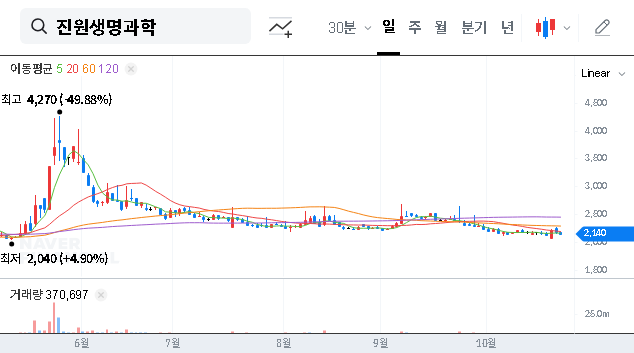
    • Conversion Price: 2,192 KRW (a slight premium over the current price of 2,140 KRW).
    • Coupon Rate: 0%, meaning no periodic interest payments.
    • Maturity Yield: 4.0%, the return paid to bondholders if the bonds are not converted.
    • Conversion Period: November 4, 2026, to October 4, 2028.
    • Primary Investor: Dongbangseongjang Investment Association No. 1.

    The Rationale: Securing Capital for Stability and Growth

    The decision to issue these convertible bonds is a direct response to GeneOne Life Science’s current financial position. The company faces significant challenges, including an accumulated deficit of 264.8 billion KRW and noted uncertainties about its status as a ‘going concern’. This capital injection is designed to address these issues head-on.

    Strengthening Short-Term Liquidity

    The primary benefit is the immediate influx of 5 billion KRW, which enhances short-term liquidity. This cash can cover operational costs, alleviate financial pressures, and provide the runway needed to execute its business strategy. With a 0% coupon rate, the company avoids the burden of regular interest payments, a significant plus for a firm managing losses. For more on debt financing, see this guide from a leading financial authority.

    Fueling Business Momentum

    Beyond survival, the funds are earmarked for growth. This includes advancing its core business, such as the large-scale Plasmid DNA supply contracts, and investing in the R&D pipeline for new drugs. Successfully executing on these fronts is critical for achieving long-term profitability and demonstrating the company’s value proposition to the market.

    For investors, the central conflict is clear: The company gains immediate financial relief and growth capital, but this comes at the cost of potential future share dilution, a risk that cannot be ignored.

    Investor Risks: The Other Side of the Coin

    While the fundraising is a necessary step, investors must carefully weigh the significant risks associated with the GeneOne Life Science convertible bond. These risks extend beyond simple market volatility.

    The Inevitable Risk of Share Dilution

    Convertible bonds, by nature, carry the potential for share dilution risk. When bondholders exercise their right to convert the debt into equity, new shares are issued. This increases the total number of outstanding shares, which can decrease the ownership percentage and earnings per share (EPS) for existing stockholders. Although the conversion price of 2,192 KRW is slightly above the current stock price, any significant appreciation in the stock’s value would make conversion highly attractive, leading to dilution.

    Persistent ‘Going Concern’ Uncertainty

    A critical red flag for any company is a ‘going concern’ notice from auditors, which indicates doubt about the company’s ability to operate for the next year. GeneOne’s 2024 financial statements contained such a note. While this 5 billion KRW injection helps, it does not erase the underlying structural issues or the massive accumulated deficit. It’s a patch, not a cure. The company must demonstrate a clear path to profitability to truly resolve this uncertainty.

    Performance and Management Scrutiny

    Execution remains a key concern. The company’s flagship Plasmid DNA contract is valued at a massive $11.8 billion, yet actual sales to date are minimal. This capital must translate into tangible progress on that contract. Furthermore, past issues with management, such as failures to achieve a quorum at shareholder meetings for key appointments, raise questions about stability and governance that investors should consider. To better understand how to evaluate such factors, you can read our guide on analyzing biotech company management.

    Investment Strategy and Final Verdict

    The issuance of the GeneOne Life Science convertible bond is a classic double-edged sword. It provides a vital lifeline that could empower the company to achieve its ambitious goals.

    A prudent investment strategy requires a cautious and vigilant approach. The short-term positive sentiment from the fundraising may provide a temporary lift to the GeneOne Life Science stock price, but sustainable, long-term growth is not guaranteed. The key determinants of future value will be:

    • Execution on Plasmid DNA Contracts: The market needs to see tangible revenue and progress, not just contract values.
    • R&D Milestones: Positive results and advancements in the new drug pipeline are essential.
    • Financial Improvement: A clear, demonstrated path to reducing the deficit and resolving the ‘going concern’ issue.

    Ultimately, this CB issuance buys time and opportunity. It is not, in itself, a solution to the company’s fundamental challenges. Investors should monitor performance metrics closely and remain aware that the risk of share dilution looms until the company achieves sustainable profitability.

    (011000) GeneOne Life Science Convertible Bond: A 2025 Deep Dive for Investors 관련 이미지
  • (237690) ST PHARM Stock Analysis: Deep Dive into Q3 2025 Earnings and Future Growth

    (237690) ST PHARM Stock Analysis: Deep Dive into Q3 2025 Earnings and Future Growth

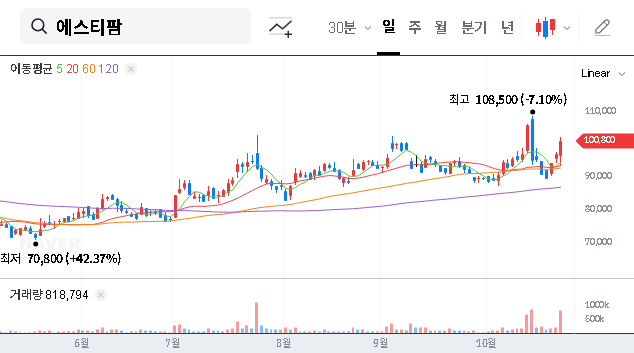
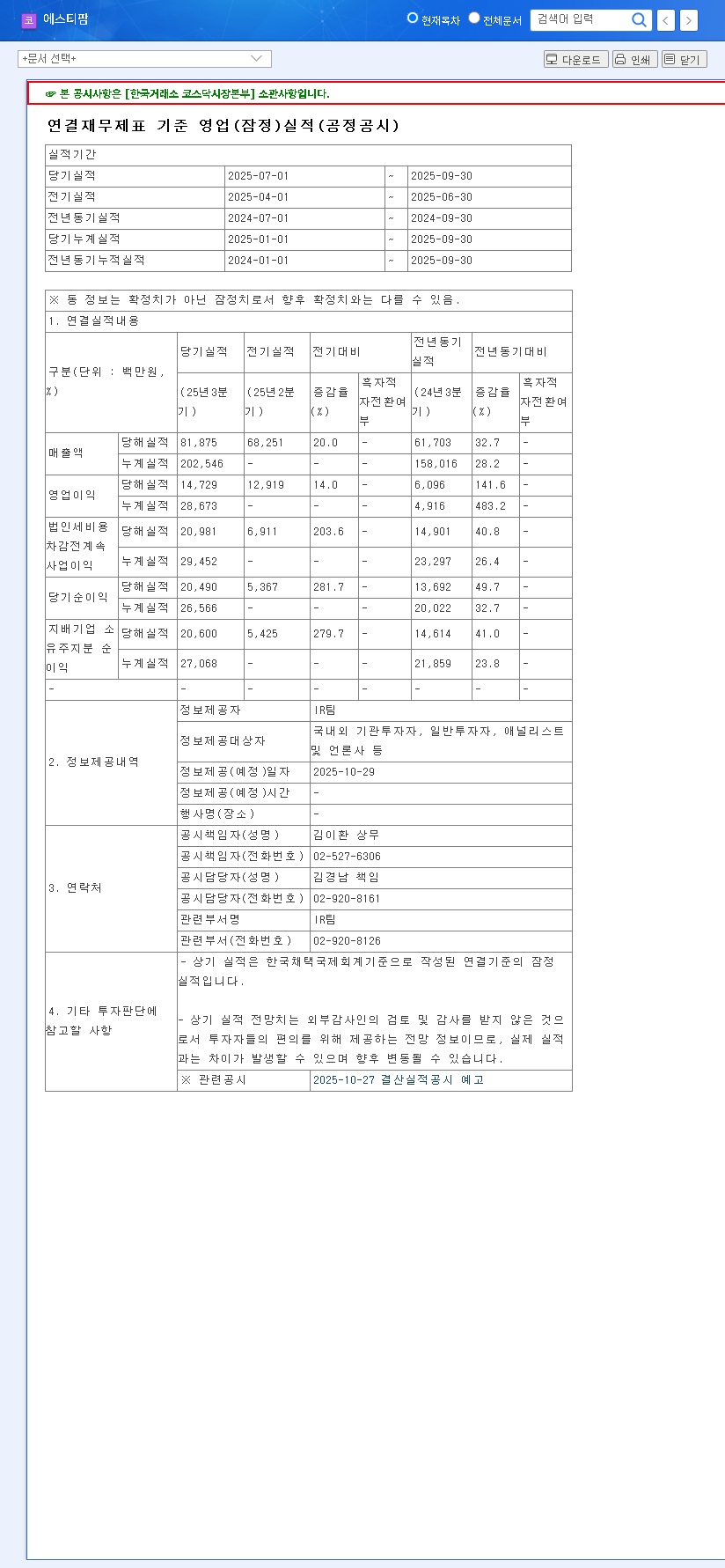
    The outlook for ST PHARM stock is at a critical juncture as investors and market analysts eagerly await the upcoming Q3 2025 earnings briefing. Scheduled for November 3, 2025, this Investor Relations (IR) event, sponsored by Daol Investment & Securities, is more than a simple financial report; it’s a pivotal moment that could redefine the company’s trajectory. For stakeholders in ST PHARM CO., LTD., this briefing will offer crucial insights into its strategic direction within the dynamic global CDMO market and its potential for a significant rebound.

    This comprehensive ST PHARM investment analysis will dissect the key factors at play, from its powerhouse Oligo Nucleic Acid CDMO business to its next-generation growth engines in mRNA and sgRNA. We will explore the company’s financial health, potential risks, and what the upcoming announcements could mean for your portfolio.

    The Main Event: Q3 2025 Earnings IR Details

    ST PHARM is set to host a significant Non-Deal Roadshow (NDR) to engage with key market stakeholders. The primary goal is to communicate the company’s intrinsic value and lay out a clear vision for the future, coinciding with its Q3 2025 earnings release.

    • Company: ST PHARM CO., LTD.
    • Event: Investor Relations (IR) / NDR Briefing
    • Date & Time: November 3, 2025, 09:00 KST
    • Key Focus: Q3 2025 ST PHARM earnings, updates on key management affairs, and global industry outlook.
    • Source: The event was confirmed via an Official Disclosure filed with DART.

    A strong performance in the Q3 results, particularly if they meet or surpass market expectations, could provide a significant tailwind for the ST PHARM stock price.

    This IR event is a crucial test for ST PHARM. It’s an opportunity not just to present data, but to rebuild market confidence and demonstrate a clear, executable plan for long-term value creation.

    The Bedrock of Growth: Core Business Pillars

    ST PHARM’s strength lies in its solid fundamentals, particularly its leadership in the specialized field of nucleic acid therapies. Understanding these pillars is essential for any ST PHARM investment analysis.

    Dominance in Oligo Nucleic Acid CDMO

    The Oligo Nucleic Acid CDMO business is the company’s powerhouse. A CDMO (Contract Development and Manufacturing Organization) provides drug development and manufacturing services to other pharmaceutical companies. ST PHARM has established an unparalleled competitive edge in this niche.

    • Market Leadership: Boasting Asia’s #1 and global #3 production capacity, ST PHARM is a dominant force supplying raw materials for four commercial oligo new drugs targeting conditions like hematologic cancer and hyperlipidemia.
    • Aggressive Expansion: With capacity already increased to 6.4 mol and a second oligo plant set to begin production in Q4 2025, the company is positioning itself to capture future demand growth.

    Pioneering Future Therapies: mRNA & sgRNA

    Beyond its core business, ST PHARM is strategically investing in next-generation platforms that represent the future of medicine.

    • mRNA Business: The company is already seeing tangible results with LNP lipid and capping supply contracts. Positive Phase 1 clinical results for its proprietary SmartCap® technology could unlock major partnerships with global pharma giants.
    • sgRNA CDMO: As a key raw material for revolutionary CRISPR-Cas9 gene-editing therapies, this segment is poised to become a high-value growth engine, tapping into one of biotechnology’s most exciting fields. For more information, you can read about investing in the biotech sector.

    Navigating the Headwinds: Key Risks for Investors

    Despite the strong growth narrative, a prudent investor must consider the potential challenges that could impact the ST PHARM stock price. While fundamentals are strong, several cautionary factors warrant attention.

    • Financial Performance: A revenue decline in 2024, coupled with underperformance from European CRO subsidiaries, needs to be addressed with a clear path to recovery in 2025.
    • R&D Investment Risk: While necessary, a high R&D spend (14.30% on a separate basis) carries inherent risks related to pipeline success and potential development discontinuations.
    • External Factors: A high export ratio makes the company vulnerable to foreign exchange volatility, and macroeconomic pressures like interest rate changes can affect investor sentiment.

    Investor Action Plan: What to Watch For

    The upcoming IR announcements will be the deciding factor for the short-to-medium-term performance of ST PHARM stock. Investors should focus on the substance of the presentation.

    Key Checkpoints:

    • CDMO Growth Metrics: Look for specific data on commercial volume growth in the Oligo Nucleic Acid CDMO business and clear revenue projections from the second plant.
    • New Pipeline Progress: Demand tangible updates on mRNA contracts and sgRNA business orders. Vague promises will not be enough.
    • Forward-Looking Guidance: A clear and confident 2025 earnings guidance that shows a strong recovery from 2024 is non-negotiable for a positive market reaction.

    If the company delivers a compelling narrative backed by strong data, it could confirm its long-term growth potential and trigger a significant re-rating of the stock. Conversely, a failure to meet these high expectations could lead to continued pressure. Astute investors will listen carefully and be prepared to act on the information revealed.

    (237690) ST PHARM Stock Analysis: Deep Dive into Q3 2025 Earnings and Future Growth 관련 이미지
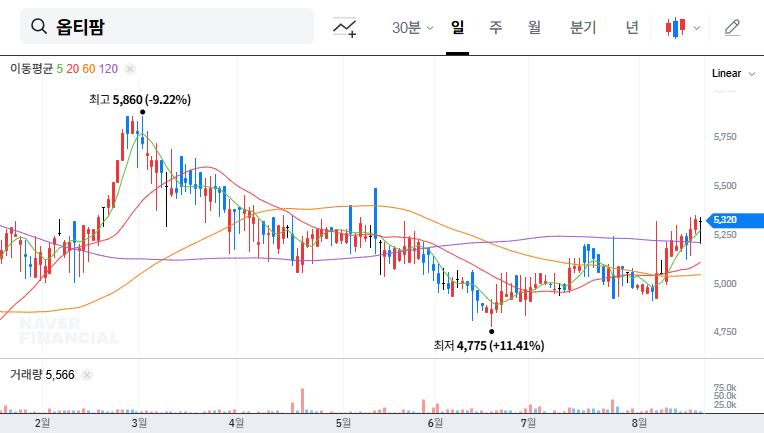
  • (261780) CHA Vaccine Research Institute: 2025 IR Analysis, CVI-HBV-002 Potential & Investment Outlook

    (261780) CHA Vaccine Research Institute: 2025 IR Analysis, CVI-HBV-002 Potential & Investment Outlook

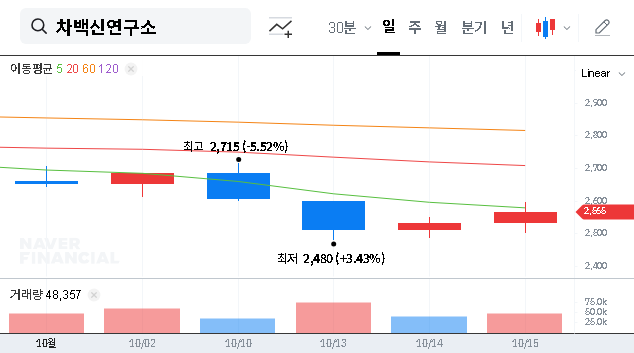
    Investors are closely watching CHA Vaccine Research Institute as it prepares for a pivotal Investor Relations (IR) event on November 4, 2025. This event is far more than a routine update; it represents a critical juncture for the company, which is navigating significant financial pressures while advancing a promising pipeline of vaccines. The spotlight will be firmly on its lead candidate, the chronic Hepatitis B treatment vaccine CVI-HBV-002, and management’s strategy to secure a sustainable future.

    This comprehensive analysis will delve into the key factors shaping the company’s trajectory, dissecting the potential of its core assets, the gravity of its financial situation, and the potential market reactions following the IR. For those considering a biotech investment, understanding these dynamics is paramount.

    The Crucial Context: Why This IR Matters

    CHA Vaccine Research Institute has officially scheduled its IR event for 2:00 PM on November 4, 2025. The purpose is to provide a transparent update on management status, R&D progress, and overall business operations, followed by a Q&A session. The official announcement can be viewed in their public filing (Official Disclosure: DART). This event is significant due to the stark contrast between the company’s promising science and its challenging financial health.

    The core challenge for management is to balance the high-cost, long-term promise of its R&D pipeline with the immediate need for financial stability. This IR will be their primary platform to articulate that balance and restore investor confidence.

    Deep Dive: The Pipeline Potential

    The future valuation of CHA Vaccine Research Institute is intrinsically linked to the success of its clinical pipeline. Here’s a closer look at the key assets.

    Chronic Hepatitis B Vaccine (CVI-HBV-002): The Game Changer

    The crown jewel is CVI-HBV-002, a therapeutic Hepatitis B vaccine. Chronic Hepatitis B is a massive global health issue, with the World Health Organization (WHO) estimating hundreds of millions of people are living with the infection. With Phase 2b clinical trials now complete, the company is planning for Phase 2 combination trials in 2026. A successful outcome could tap into a multi-billion dollar market, making this the single most important value driver for the company.

    Other Key Pipeline Assets

    • Hepatitis B Prevention Vaccines (CVI-HBV-001, CVI-HBV-002): With early-phase trials completed, these candidates aim to offer improved efficacy and convenience over existing preventative options.
    • Recombinant Zoster Vaccine (CVI-VZV-001): Currently in Phase 1 trials, this vaccine for shingles has shown promising pre-clinical results and targets a large and growing market.
    • Business Expansion: The company is strategically diversifying into cancer vaccines and immune-oncology treatments, which could create valuable synergies and new revenue streams in the long term.

    Analyzing the Financial Risks

    Despite the scientific promise, the financial statements reveal significant headwinds that investors must consider. The company’s high cash burn rate is a central concern.

    • Operating Losses: Deficits have widened year-over-year, driven by escalating R&D costs—a necessary evil in biotech but one that pressures the balance sheet.
    • Declining Cash Reserves: A significant drop in cash and equivalents raises questions about the company’s operational runway and the potential need for dilutive financing in the near future.
    • Rising Debt Ratio: The recent issuance of convertible bonds has increased the debt-to-equity ratio, adding another layer of financial risk that requires careful management.

    Potential Scenarios Post-IR Event

    The market’s reaction will hinge entirely on the substance and clarity of the information presented. Here are three potential scenarios:

    1. Positive Scenario: Renewed Confidence

    If management presents compelling new data for CVI-HBV-002 and unveils a concrete, credible plan to shore up its finances (e.g., a strategic partnership, non-dilutive funding), investor confidence could be restored, driving the stock price higher.

    2. Neutral Scenario: More Questions than Answers

    If the IR simply rehashes old information without providing clear solutions to the financial overhang, the market may remain skeptical. This would likely lead to minor price volatility as investors digest the lack of new catalysts.

    3. Negative Scenario: Heightened Concerns

    Any hint of delays in the clinical timeline, underwhelming data, or a failure to address the funding gap could trigger a sell-off. In this scenario, concerns about cash depletion would intensify, putting significant downward pressure on the stock.

    Investor Takeaway: What to Watch For

    For investors, this IR is a crucial due diligence opportunity. Focus on the specifics: demand a clear roadmap for the Hepatitis B vaccine, a transparent plan for financial stabilization, and honest answers during the Q&A. The future of CHA Vaccine Research Institute depends on its ability to align its promising vision with its current reality. Making informed decisions is key, and for more background, you can review our guide to evaluating clinical-stage biotech stocks. The final decision to invest rests solely with the individual, based on their own risk tolerance and thorough research.

    (261780) CHA Vaccine Research Institute: 2025 IR Analysis, CVI-HBV-002 Potential & Investment Outlook 관련 이미지
  • (475830) Orum Therapeutics Shareholder Changes: 2024 Investor’s Guide & Stock Analysis

    (475830) Orum Therapeutics Shareholder Changes: 2024 Investor’s Guide & Stock Analysis

    The recent Orum Therapeutics shareholder changes have sent ripples through the investment community, raising critical questions about the company’s future. When key executives and venture capital funds adjust their positions, it’s a signal that savvy investors must analyze carefully. This report, based on the company’s ‘Report on Status of Large Shareholding’, provides a comprehensive breakdown of these events and what they mean for the Orum Therapeutics stock price and your long-term investment strategy.

    Understanding the nuances behind share sales by insiders and early investors is crucial. It’s not always a red flag, but it always warrants a deeper investigation into the company’s fundamental health and growth trajectory.

    In-Depth Analysis of the Orum Therapeutics Shareholder Changes

    According to the Official Disclosure filed with DART (view report here), several key stakeholders have adjusted their holdings. This activity, executed through market trading, provides a window into the current strategies of the company’s most significant financial backers.

    1. CEO Lee Seung-ju’s Share Sale

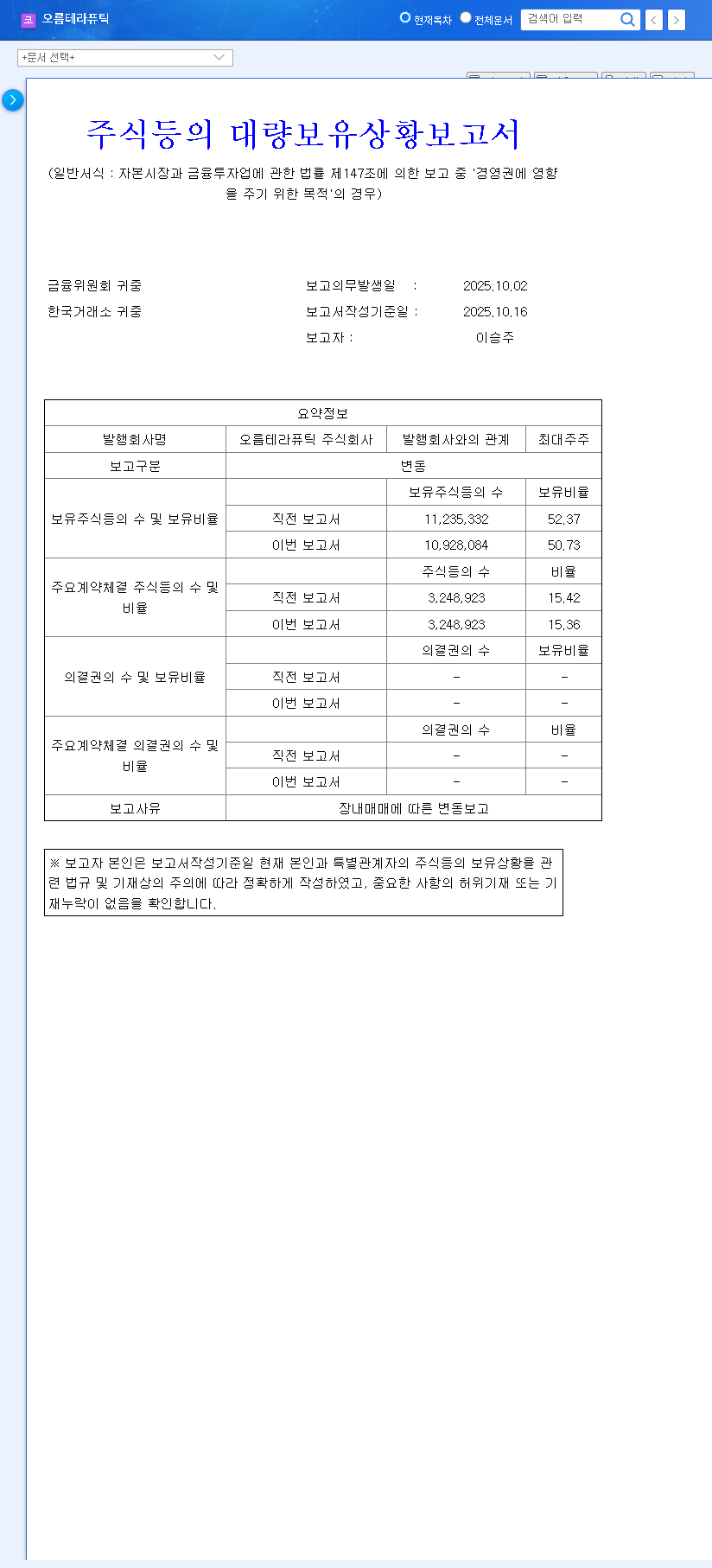
    CEO Lee Seung-ju sold 43,874 shares, which adjusted his ownership from 52.37% to a still-commanding 50.73%. While any sale by a CEO can cause temporary market anxiety, the key takeaway here is that he maintains a majority stake. This action ensures that stable management control remains firmly in place, mitigating risks of a hostile takeover or drastic shifts in corporate direction. The stated purpose was related to ‘influence on management rights,’ but the retention of over 50% is the most critical fact for investors.

    2. Venture Capital and Institutional Exits

    A consortium of early investors, including IMM Venture Fund, KTBN Venture Investment, and DS Asset Management, also engaged in market sales. It’s essential to view these moves within the context of their business model. Venture capital funds have a lifecycle; they invest early and aim to exit after a company matures or goes public to deliver returns to their own investors. These sales are often part of a planned, phased exit strategy rather than a sudden loss of faith in the company’s future. For more on this, you can read about the typical venture capital lifecycle on high-authority financial sites.

    Implications for Your Orum Therapeutics Investment

    These shareholder movements create both short-term headwinds and potential long-term opportunities. A prudent investor must weigh both sides.

    Short-Term Impact: Potential Stock Price Volatility

    The coordinated sale by multiple large shareholders can create significant selling pressure. This supply of shares hitting the market may lead to a temporary dip in the Orum Therapeutics stock price. Market sentiment can be fragile, and news of insider sales, even when strategic, can trigger bearish behavior. However, because CEO Lee Seung-ju’s control is not in jeopardy, a catastrophic price collapse due to management instability is highly unlikely.

    Mid- to Long-Term Impact: Company Value & Growth

    From a long-term perspective, these Orum Therapeutics shareholder changes could be a net positive. The exit of early-stage venture capitalists makes room for new institutional investors with different time horizons and strategic goals. If Orum Therapeutics continues to deliver on its pipeline and business fundamentals, this shift could present an attractive entry point for those who believe in the company’s core value proposition. The primary risk is if the divestment continues unabated, which could signal deeper concerns about future growth that are not yet public.

    Strategic Checklist for Investors

    Given the limited market analysis currently available for Orum Therapeutics, investors must conduct their own due diligence. Here are the key areas to monitor:

    • CEO Shareholding Trends: Keep a close watch on any further sales by CEO Lee Seung-ju. A gradual reduction is less concerning than a large, sudden sale. Crossing below the 50% threshold would be a major event to re-evaluate.
    • Institutional Flow: Monitor who is buying the shares being sold. Are new, reputable long-term funds taking positions? This can be a strong bullish indicator. For help, you might check our guide on how to perform a biotech stock analysis.
    • Business Fundamentals: The most important factor. Scrutinize financial reports, press releases on clinical trial progress, and updates on the company’s R&D pipeline. Strong fundamentals will always be the ultimate driver of long-term value.
    • Market & Competitor Landscape: How does Orum Therapeutics stack up against its competitors? Is its technology gaining traction or facing new challenges?

    Conclusion: A Call for Prudent Observation

    In conclusion, the recent Orum Therapeutics shareholder changes are not an immediate cause for alarm, but they demand heightened vigilance. The CEO’s retained majority control provides a bedrock of stability. The key for investors is to look past the short-term noise and focus on the underlying business performance and the evolving composition of its major shareholders. The current situation calls for a cautious, analytical approach rather than a reactive one.

    Disclaimer: This analysis is based on publicly available information. All investment decisions carry risk and are the sole responsibility of the investor. We recommend consulting with a financial professional before making any trades.

    (475830) Orum Therapeutics Shareholder Changes: 2024 Investor's Guide & Stock Analysis 관련 이미지
  • (354200) NGeneBio Convertible Bonds: A ₩25B Gamble on Growth or a Major Stock Dilution Risk?

    (354200) NGeneBio Convertible Bonds: A ₩25B Gamble on Growth or a Major Stock Dilution Risk?

    The recent announcement of the NGeneBio convertible bonds issuance, a massive ₩25 billion capital raise, has sent ripples through the investment community. For NGeneBio Co., Ltd., a pioneering firm in genomic analysis, this move represents a critical juncture. On one hand, it’s a powerful injection of liquidity to fuel research and expansion. On the other, it introduces the significant risk of NGeneBio stock dilution, a primary concern for existing shareholders. This comprehensive analysis will explore the strategic implications of this financial maneuver, offering investors a clear roadmap to navigate the potential rewards and inherent risks.

    This capital infusion could be the catalyst for NGeneBio’s next growth phase, but its success hinges entirely on prudent fund allocation and transparent execution. Investors must weigh the promise of innovation against the tangible threat of shareholder value erosion.

    Deconstructing the ₩25 Billion Issuance

    To understand the impact, we must first examine the core details of the private placement. The deal, equivalent to a staggering 36.95% of the company’s market capitalization, involves several key financial institutions. The structure of these NGeneBio convertible bonds provides critical clues about the company’s strategy and the market’s perception.

    Key Terms of the Convertible Bonds

    • Issuance Amount: ₩25 billion
    • Key Investors: Baro Savings Bank, Sangsangin Savings Bank, Sangsangin Plus Savings Bank
    • Conversion Price: ₩1,704 per share
    • Coupon Rate (Interest): 2.0% annually
    • Yield to Maturity: 6.0%
    • Conversion Period: October 23, 2026, to September 23, 2028

    The proximity of the conversion price (₩1,704) to the recent market price is a critical factor. It creates a delicate balance: if the stock price fails to appreciate significantly, bondholders may prefer repayment at maturity, placing a heavy financial burden on NGeneBio. Conversely, a rising stock price makes conversion attractive, leading to the aforementioned stock dilution.

    The Financial Tightrope: Liquidity vs. Long-Term Health

    The decision to issue convertible bonds is a classic high-stakes balancing act. The immediate benefit is undeniable, but the potential long-term consequences require careful consideration as part of any NGeneBio financial analysis.

    The Upside: Fueling the Growth Engine

    For a biotech company, consistent capital flow is lifeblood. This ₩25 billion can be strategically deployed to accelerate R&D for new precision diagnostic technologies, fund expensive clinical trials, or expand its commercial footprint into new markets. As noted in a recent McKinsey report on biotech innovation, securing such funding at key moments can create a significant competitive advantage. If used effectively, this capital could generate returns that far outweigh the cost of dilution.

    The Downside: Debt and Dilution Dangers

    Until converted, these bonds are debt on the balance sheet, increasing NGeneBio’s leverage and financial risk. The company is on the hook for interest payments and, crucially, the full ₩25 billion principal if the bonds aren’t converted by 2028. The primary risk for shareholders, however, remains NGeneBio stock dilution. If all bonds are converted, it would introduce a significant number of new shares into the market, potentially reducing the earnings per share (EPS) and the ownership percentage of existing investors. Understanding this is a core part of any convertible bond investment strategy.

    An Investor’s Strategic Checklist

    For those considering an investment or holding a current position in NGeneBio Co., Ltd., a proactive monitoring approach is essential. The outcome of this issuance is not yet written and will depend on the company’s future actions.

    • Scrutinize Fund Utilization: Watch for detailed announcements on how the ₩25 billion will be spent. Is it earmarked for specific, high-potential R&D projects or simply to cover operational shortfalls? The difference is critical.
    • Monitor Stock Price vs. Conversion Price: The stock’s performance relative to the ₩1,704 conversion price is the single most important indicator of whether dilution or repayment is the more likely outcome.
    • Review Financial Health Metrics: Keep an eye on the company’s updated debt-to-equity ratio and interest coverage ratio in subsequent quarterly reports.
    • Consult the Primary Source: All serious analysis should begin with the official filing. The company’s complete plans and terms are detailed in the Official Disclosure on the DART system.

    Conclusion: A Calculated Risk for Future Growth

    Ultimately, the issuance of the NGeneBio convertible bonds is a bold, calculated risk. It provides the necessary capital to compete in the fast-paced biotech arena but shifts significant risk onto the company’s future performance and its shareholders. Whether this move becomes a launchpad for unprecedented growth or a cautionary tale of financial overreach will be determined by NGeneBio’s ability to innovate, execute, and ultimately drive its share price well above the critical conversion threshold. For investors, due diligence is more important than ever.

    (354200) NGeneBio Convertible Bonds: A ₩25B Gamble on Growth or a Major Stock Dilution Risk? 관련 이미지