Tag: Battery Recycling

  • (010780) IS DONGSEO’s ₩341.3B Redevelopment Deal: A 2025 Financial Analysis for Investors

    (010780) IS DONGSEO’s ₩341.3B Redevelopment Deal: A 2025 Financial Analysis for Investors

    This comprehensive IS DONGSEO financial analysis dives into the company’s recent landmark contract win. In a market fraught with uncertainty, high interest rates, and sluggish construction activity, IS DONGSEO has secured a major ₩341.3 billion redevelopment deal. This pivotal move sparks critical questions: Can this contract reverse recent financial declines and become a true catalyst for growth? What are the underlying risks and rewards for potential investors?

    We will dissect the core details of the Wondae 2-ga Redevelopment Project, evaluate the company’s fundamental health, analyze market expectations, and outline a strategic approach for a medium to long-term IS DONGSEO investment. This analysis provides the clarity needed to make informed decisions in today’s complex economic landscape.

    The ₩341.3 Billion Redevelopment Contract: A Detailed Breakdown

    Key Contract Details: Wondae 2-ga Redevelopment Project

    IS DONGSEO has officially announced the signing of a massive single sales and supply contract for the Wondae 2-ga Redevelopment Project, located in Seo-gu, Daegu Metropolitan City. This project is poised to become a significant pillar for the company’s future revenue streams and growth momentum. The details, as per the official disclosure, are as follows:

    • Contracting Party: Wondae 2-ga Redevelopment Project Association
    • Contract Scope: Full construction order for the redevelopment project.
    • Supply Area: 98, Wondae-dong 2-ga, Seo-gu, Daegu, South Korea
    • Contract Amount: A substantial ₩341.3 billion
    • Percentage of Revenue: Represents an impressive 22.54% of recent annual revenue.
    • Contract Period: June 1, 2029 – June 1, 2032 (3-year duration)

    This contract is scheduled to make a material contribution to IS DONGSEO’s revenue starting in 2029, reinforcing its construction portfolio and setting the stage for improved performance in the coming decade.

    IS DONGSEO Financial Analysis: Fundamentals & Growth Impact

    Current Corporate Health: Strengths and Weaknesses

    Based on recent financial reports, IS DONGSEO presents a mixed but intriguing picture for investors:

    Positive Aspects:

    • Environmental Business Growth: The company’s push into future-proof sectors, particularly battery recycling, is a key growth driver that diversifies it beyond traditional construction.
    • Effective Cost Management: Despite falling sales, an improved operating profit margin signals strong internal controls and enhanced business efficiency.
    • Stable Financial Structure: A healthy and well-managed debt-to-equity ratio indicates sound financial discipline.

    Factors to Consider:

    • Construction Sector Headwinds: The broader construction market remains challenged by high costs and interest rates, which could delay a full recovery. For more on market trends, see reports from sources like Reuters Business.
    • Declining Financial Metrics: Key indicators like sales, operating profit, and net profit have trended downwards since 2022, raising valid concerns about short-term profitability.
    • Macroeconomic Risks: Global variables such as exchange rate volatility and raw material price inflation could place pressure on overall operations.

    For investors, the key takeaway is not just the deal itself, but the company’s ability to execute flawlessly and manage costs effectively amidst market volatility over the next five years. This contract provides a visible long-term revenue stream, acting as a crucial bridge to future growth.

    Market Expectations & Key Risks for Investors

    The Investor Perspective on the IS DONGSEO Redevelopment Deal

    While this large-scale contract is a clear positive, its impact is nuanced. Because revenue recognition does not begin until 2029, the immediate effect on the stock price may be limited. The market will likely focus more on near-term construction market recovery and progress in the company’s diversified business portfolio, such as its environmental ventures. To learn more about diversification strategies, you can read our guide on evaluating corporate fundamentals.

    The redevelopment sector is fiercely competitive. Success for IS DONGSEO hinges on demonstrating superior technology, cost competitiveness, and project management capabilities to outperform rivals and protect margins.

    Conclusion: A Strategic Long-Term Investment Outlook

    Final Assessment and Investment Strategy

    The IS DONGSEO redevelopment deal is a vital strategic win that secures a significant future growth engine. In a challenging climate, this ₩341.3 billion contract is a powerful positive signal. However, investors should adopt a patient, long-term perspective. The key risk factors—market uncertainty until 2029, potential cost inflation, and recent financial performance—necessitate careful monitoring.

    This contract should not be viewed as a trigger for a short-term price surge, but as a foundational piece of the company’s long-term value proposition. When combined with IS DONGSEO’s ESG initiatives and its promising environmental business, the successful execution of this project could mark a major turning point. The most rational approach is to evaluate this IS DONGSEO investment opportunity by tracking its strategic execution and financial improvements over the medium-to-long term. Full details of the contract can be found in the Official Disclosure (DART Source).

    (010780) IS DONGSEO's ₩341.3B Redevelopment Deal: A 2025 Financial Analysis for Investors 관련 이미지
  • (086280) HYUNDAI GLOVIS Stock: A Deep Dive Into Their 2025 Investment Strategy

    (086280) HYUNDAI GLOVIS Stock: A Deep Dive Into Their 2025 Investment Strategy

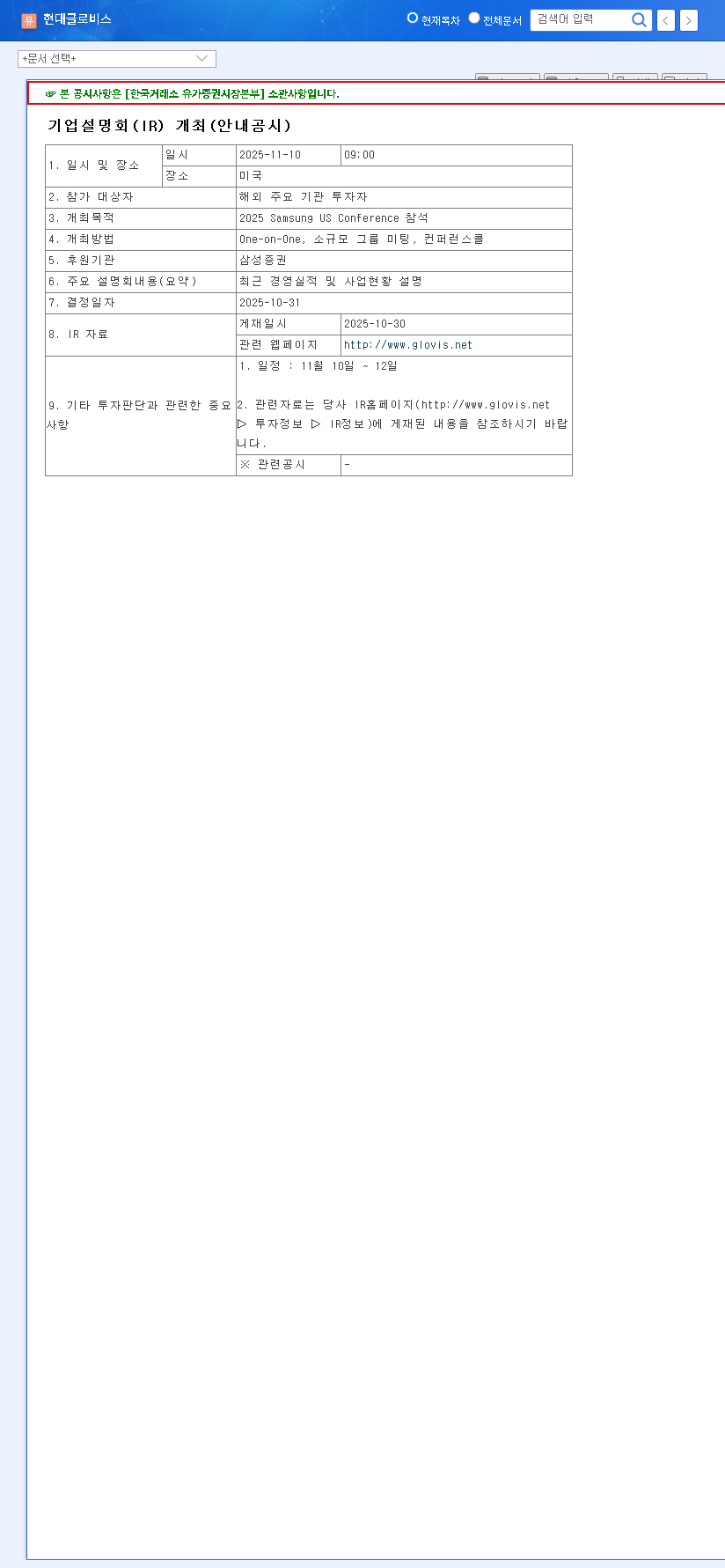
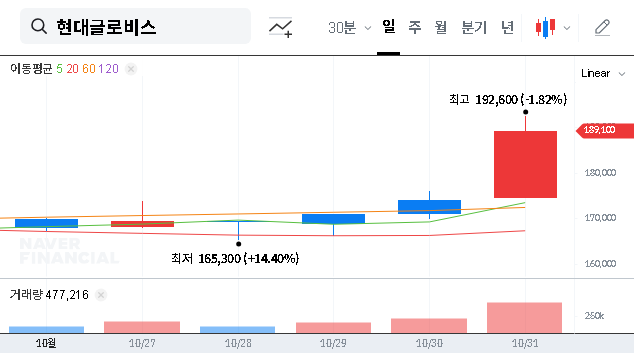
    For investors tracking the global logistics sector, understanding the HYUNDAI GLOVIS investment strategy is crucial. As a core logistics powerhouse within the Hyundai Motor Group, HYUNDAI GLOVIS Co., LTD. (086280) is at a pivotal juncture. The company has announced an upcoming Investor Relations (IR) session at Citi’s 2025 Korea Corporate Day on November 17, 2025. This event is more than a standard earnings call; it’s a critical window into the company’s future growth roadmap, strategic investments, and vision for navigating a complex global market. This comprehensive HYUNDAI GLOVIS analysis will dissect the company’s fundamentals, explore its ambitious new ventures, and provide a clear outlook for your investment decisions.

    We will delve into the key details of the upcoming IR event, assess the strengths and risks facing the company, and evaluate how macroeconomic trends could impact the HYUNDAI GLOVIS stock. For official corporate disclosures related to this event, please refer to the Official Disclosure (DART).

    Decoding the Core HYUNDAI GLOVIS Investment Strategy

    HYUNDAI GLOVIS operates on a foundation of three robust business pillars: comprehensive logistics, global distribution, and shipping. With a formidable market capitalization of 12.42 trillion KRW and a network spanning 37 overseas subsidiaries, the company has built a stable revenue base, heavily synergistic with the Hyundai Motor Group. However, the company’s forward-looking strategy is what truly captures investor attention.

    Pioneering Future Growth: EV Batteries and Green Energy

    A cornerstone of HYUNDAI GLOVIS’ future growth lies in its aggressive expansion into next-generation industries. The company is making significant investments in two key areas:

    • EV Battery Recycling & Logistics: As the electric vehicle market explodes, managing the battery lifecycle has become a multi-billion dollar opportunity. HYUNDAI GLOVIS is positioning itself as a leader in EV battery collection, storage, and recycling, creating a circular economy that is both profitable and environmentally critical.
    • Eco-Friendly Energy Transportation: The global shift towards cleaner energy sources like Liquefied Natural Gas (LNG) requires specialized logistics. HYUNDAI GLOVIS is expanding its fleet and capabilities to service this growing demand, diversifying its shipping portfolio away from traditional automotive transport.

    By investing heavily in EV battery logistics and green energy transport, HYUNDAI GLOVIS is not just adapting to change—it’s building a resilient and future-proof business model designed for long-term value creation.

    A Balanced Analysis: Strengths vs. Risks

    A thorough HYUNDAI GLOVIS analysis requires a balanced view of its operational advantages and the potential headwinds it faces. Investors should weigh these factors carefully when evaluating the 086280 stock.

    Key Strengths and Opportunities

    • Robust Financial Health: With total assets of 17.2 trillion KRW and significant cash reserves, the company has the financial firepower to fund its growth initiatives and weather economic downturns.
    • Synergy with Hyundai Motor Group: Its intrinsic link to Hyundai Motor and Kia provides a stable, high-volume revenue stream that underpins its entire operation.
    • ESG Leadership: Top-tier ESG ratings, including inclusion in the DJSI World Index, make the stock attractive to a growing class of institutional investors. Learn more about trends in sustainable investing here.
    • Shareholder-Friendly Policies: A commitment to a mid-to-long-term dividend policy demonstrates a focus on delivering value back to its shareholders.

    Potential Risks and Considerations

    • Over-Reliance on Affiliates: A significant portion of revenue comes from Hyundai and Kia. Any slowdown in their sales or a shift in their logistics strategy could directly impact GLOVIS’s bottom line.
    • Shipping Market Volatility: The global shipping industry is notoriously cyclical. While long-term contracts offer a buffer, the company is not immune to fluctuating freight rates and demand.
    • Macroeconomic Headwinds: As a global company, it is exposed to foreign exchange risks (USD, EUR) and vulnerable to shifts in global trade policies and interest rate environments, as discussed by sources like Reuters.

    Investment Outlook: A ‘Strategic Hold’ Recommendation

    Considering the balance of powerful fundamentals against external market risks, a ‘Strategic Hold’ opinion is appropriate for the HYUNDAI GLOVIS stock at this time. The company’s stable core business combined with its significant long-term growth potential in new sectors provides a compelling reason to maintain a position.

    However, investors should use the upcoming IR event as a key checkpoint. The focus should be on gaining clarity on the following points:

    • New Business Monetization: Look for concrete timelines and revenue projections for the EV battery and green energy divisions.
    • Diversification Progress: Seek updates on efforts to grow revenue from non-affiliated clients to reduce dependency on the Hyundai Motor Group.
    • Capital Allocation Plans: Understand how the company plans to deploy its substantial cash reserves for R&D, acquisitions, and shareholder returns.

    The November 17th IR event will be a defining moment. If management effectively communicates a clear and credible path to realizing its future growth ambitions, it could serve as a powerful catalyst for the HYUNDAI GLOVIS stock. Conversely, a lack of specifics could temper market enthusiasm. For now, patience and close monitoring are the most prudent strategies.

    (086280) HYUNDAI GLOVIS Stock: A Deep Dive Into Their 2025 Investment Strategy 관련 이미지
  • (365340) SungEel HiTech’s ₩50B Convertible Bond Burn: A Strategic Boost for Shareholder Value?

    (365340) SungEel HiTech’s ₩50B Convertible Bond Burn: A Strategic Boost for Shareholder Value?

    In a bold financial maneuver, battery recycling specialist SungEel HiTech Co., Ltd. has announced its decision to extinguish ₩50 billion in SungEel HiTech convertible bonds. This move, executed amidst a challenging secondary battery market and macroeconomic headwinds, is being positioned as a decisive step to bolster shareholder value and prevent share dilution. But is this bond burn a genuine turning point for the company’s struggling stock, or a temporary fix for deeper financial issues?

    This comprehensive analysis delves into the strategic rationale behind the decision, its potential impact on the SungEel HiTech stock price, and what investors should be watching for in the coming months. We’ll break down the company’s current financial health and provide a clear outlook on whether this move can truly pave the way for a sustainable recovery.

    The Landmark Decision: Extinguishing ₩50 Billion in Convertible Bonds

    On November 10, 2025, SungEel HiTech’s board of directors passed a resolution to extinguish the entire ₩50 billion worth of its third-tranche convertible bonds (CBs), a decision that was finalized on November 12, 2025. This action, officially documented in the company’s public filing (Official Disclosure), effectively removes these bonds from existence. By repurchasing and canceling its own bonds, the company eliminates the potential for them to be converted into new shares, an event that would dilute the ownership stake of existing shareholders.

    In corporate finance, extinguishing convertible bonds is a clear signal to the market. It demonstrates management’s confidence in the company’s future and a direct commitment to protecting and enhancing shareholder value.

    Why Now? The Context Behind the Bond Burn

    This decision wasn’t made in a vacuum. It comes at a critical juncture for SungEel HiTech, which has been grappling with significant financial and market-related challenges. Understanding this context is key to evaluating the move’s long-term effectiveness.

    Deteriorating Financial Health

    The company’s fundamentals have shown signs of strain, raising concerns among investors:

    • Revenue Decline: In the first half of 2025, revenue fell by 8.8% year-over-year to ₩64.01 billion, driven by a slowdown in the EV market which impacted secondary battery material sales.
    • Widening Losses: Operating losses grew to ₩32.9 billion due to a higher cost of goods sold and increased administrative expenses, highlighting profitability challenges.
    • Soaring Debt: The debt-to-equity ratio surged from 202.25% to an alarming 287.72%, signaling increased financial risk.
    • Negative Cash Flow: Operating cash flow turned negative at ₩-32.15 billion, raising questions about the company’s ability to generate cash from its core operations.

    Unfavorable Market Conditions

    External factors have further compounded SungEel HiTech’s problems. The sustained slowdown in the global battery recycling and EV industries has directly hurt performance. Additionally, currency volatility and high interest rates pose ongoing risks to profitability and increase the burden of debt servicing. While new EU regulations on waste battery recycling present a long-term opportunity, their immediate benefits are muted by low market utilization, a trend affecting the entire sector.

    Analyzing the Impact of the SungEel HiTech Convertible Bonds Extinguishment

    The decision to burn the bonds will have a multifaceted impact on the company.

    • Positive: The primary benefit is the immediate enhancement of shareholder value by eliminating dilution risk. It also directly improves the balance sheet by reducing total debt and lowering the debt-to-equity ratio, which can restore a degree of investor confidence and improve long-term financial stability.
    • Neutral: This is a financial engineering move, not an operational one. It does not inherently increase revenue or improve profit margins. Therefore, its direct contribution to solving the company’s core performance issues is limited. The ₩50 billion cash outflow was for maturing bonds, so it doesn’t create a new burden but rather settles an existing one.
    • Negative: The ₩50 billion cash outlay could temporarily strain liquidity. Given the company’s negative operating cash flow, careful management of remaining cash reserves will be absolutely critical to navigate the upcoming quarters without issue.

    Investor Outlook: Cautious Optimism Required

    For investors, the extinguishment of the SungEel HiTech convertible bonds is a welcome sign of proactive financial management. It demonstrates a commitment to shareholder interests and helps clean up the balance sheet. However, this action alone is not a silver bullet.

    The fundamental challenges of declining revenue and poor profitability remain. A sustained turnaround in the SungEel HiTech stock price will depend entirely on the company’s ability to strengthen its core business and improve its operational performance. Any stock price rally based solely on this news may be short-lived unless it is followed by tangible improvements in upcoming quarterly reports.

    Key Factors to Monitor:

    • Performance Improvement: Watch for any signs of revenue growth or margin improvement in the second half of 2025.
    • Cash Flow Management: Scrutinize the company’s ability to manage its cash reserves and return to positive operating cash flow.
    • Market Recovery: Keep an eye on the broader EV and battery recycling markets for signs of a rebound. More information on such instruments can be found from authoritative sources like Reuters Financial.

    The investment thesis is one of ‘cautious observation.’ While the bond extinguishment is a positive step, the fundamental recovery of SungEel HiTech’s business remains the most critical driver for long-term investment success.

    (365340) SungEel HiTech's ₩50B Convertible Bond Burn: A Strategic Boost for Shareholder Value? 관련 이미지
  • (017860) DS DANSUK Q3 2025 Earnings Analysis: Profit Turnaround & 2026 Stock Outlook

    (017860) DS DANSUK Q3 2025 Earnings Analysis: Profit Turnaround & 2026 Stock Outlook

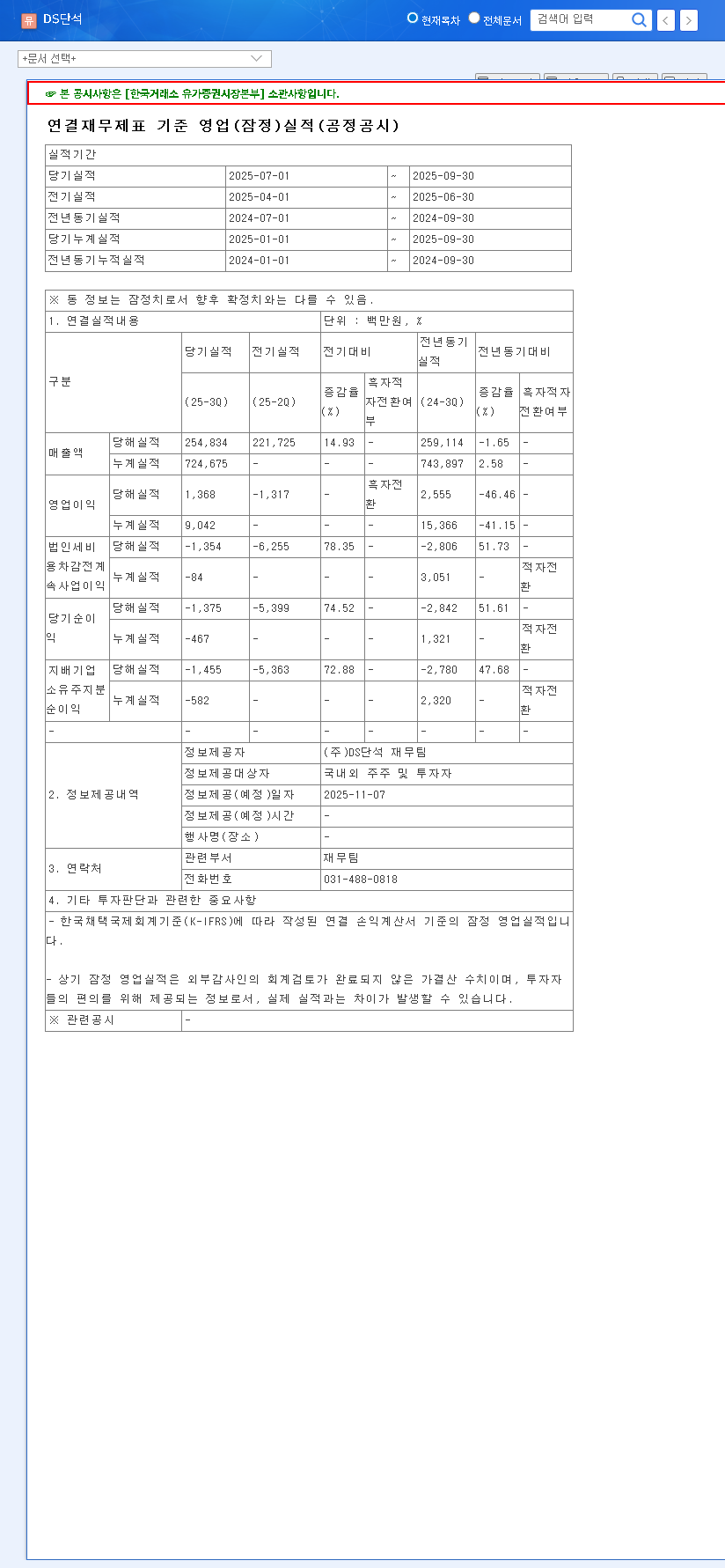
    The latest DS DANSUK earnings report for Q3 2025 has captured significant market attention, revealing a pivotal turnaround in operating profit. DS DANSUK CO., LTD. (KRX: 017860) announced provisional earnings that signal a potential recovery, yet also highlight persistent financial challenges. This comprehensive analysis will dissect the DS DANSUK Q3 2025 performance, evaluate its underlying fundamentals, and provide a forward-looking investment strategy for investors monitoring the company’s stock trajectory.

    While the swing back to operating profitability is a significant milestone, the persistent net loss and macroeconomic headwinds require a cautious and informed investment approach. We will explore both the opportunities and the risks ahead.

    Deep Dive into DS DANSUK’s Q3 2025 Earnings Report

    The provisional results for the third quarter present a mixed but cautiously optimistic picture. The headline figures, which you can verify in the Official Disclosure (DART), show a significant sequential improvement.

    Key Financial Metrics Unpacked

    • Revenue: Reached KRW 254.8 billion, a healthy 14.9% increase from the previous quarter (QoQ), signaling a rebound in business activity.
    • Operating Profit: A notable turnaround to KRW 1.4 billion from a loss of KRW 1.3 billion in Q2 2025. This suggests that operational efficiency measures and cost controls are beginning to yield results.
    • Net Income: Remained in the red at KRW -1.5 billion. While still a loss, it’s a significant improvement from the KRW -5.4 billion loss in the prior quarter, indicating that non-operating pressures are easing but not eliminated.

    This quarterly performance, when viewed against the volatile backdrop of the past year, marks a critical inflection point. The company has navigated from a KRW 3.2 billion operating loss in Q4 2024 to a KRW 9.0 billion profit in Q1 2025, followed by a dip back into loss in Q2. The Q3 recovery suggests a potential stabilization, which is a core tenet of our DS DANSUK investment strategy.

    The Dual Narrative: Recovery Signals vs. Lingering Risks

    Understanding the future of DS DANSUK requires balancing the promising aspects of its business model with the very real challenges it faces in the current economic climate.

    The Bull Case: ESG Tailwinds and Operational Gains

    The positive momentum is rooted in both internal improvements and external market trends. The operating profit turnaround is not just a number; it reflects tangible progress in cost management and production efficiency. Furthermore, DS DANSUK’s core business segments—bio-energy, battery recycling, and plastic recycling—are perfectly aligned with global ESG (Environmental, Social, and Governance) mandates. As governments and corporations worldwide intensify their focus on sustainability, the demand for DS DANSUK’s services is set for long-term structural growth. This trend is well-documented by major financial news outlets like Reuters’ Sustainable Business section.

    The Bear Case: Financial Burdens and Macroeconomic Headwinds

    Despite the operational recovery, significant hurdles remain. The persistent net loss is a major concern, primarily driven by high interest expenses from a substantial debt load. This financial burden restricts flexibility and reinvestment capacity. Moreover, the company is exposed to several macroeconomic risks:

    • Currency & Commodity Volatility: Fluctuations in the won/dollar exchange rate and international oil prices directly impact the profitability of its bio-energy division.
    • Capacity Utilization: Key divisions like plastic recycling are still operating at low utilization rates, which hampers overall profitability until demand or operational throughput increases.
    • Interest Rate Environment: A prolonged period of high global interest rates will continue to strain the company’s finances due to its debt obligations.

    Investment Outlook and Strategic Recommendations

    Given the complex factors at play, a nuanced investment approach is necessary. A thorough DS DANSUK stock analysis must differentiate between short-term catalysts and long-term value drivers.

    Short-Term (1-3 Months)

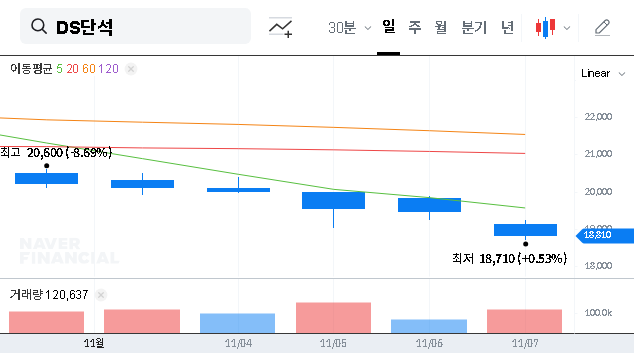
    The positive Q3 2025 earnings could provide a short-term boost to investor sentiment, potentially leading to a technical rebound in the stock price. However, the persistent net loss and recent stock declines may cap this upside. Investors should watch for follow-through momentum and signs that the market believes this recovery is sustainable.

    Mid-to-Long-Term (6+ Months)

    The long-term thesis rests on two pillars: sustained profitability and the successful execution of its ESG-centric business model. For long-term value to be unlocked, DS DANSUK must:

    • Achieve a consistent net profit turnaround to begin deleveraging and strengthening its balance sheet.
    • Increase capacity utilization in its core recycling segments to improve margins.
    • Show concrete progress and revenue generation from any announced new business ventures.

    The company’s alignment with powerful trends in the circular economy is its greatest asset. For more information on this topic, you can read our guide to circular economy investing.

    Conclusion: A Cautious but Watchful Stance

    The DS DANSUK Q3 2025 earnings report marks a hopeful step forward, but the journey to sustainable profitability is far from over. Investors should view this as a potential turnaround story that is still in its early stages. A prudent strategy involves closely monitoring the upcoming Q4 earnings and the company’s 2026 business plan for concrete evidence that the operational improvements are durable and that a plan is in place to resolve the underlying financial weaknesses. The potential is significant, but the risks demand careful and continuous evaluation.

    (017860) DS DANSUK Q3 2025 Earnings Analysis: Profit Turnaround & 2026 Stock Outlook 관련 이미지
  • (365340) SungEel HiTech Stock Analysis: Orion’s Major Sale & What It Means for Investors

    (365340) SungEel HiTech Stock Analysis: Orion’s Major Sale & What It Means for Investors

    The market for SungEel HiTech stock has been buzzing after a significant filing revealed a major institutional investor, Orion Asset Management, drastically reduced its holdings. This news has left many retail and institutional investors asking a critical question: Is this a sign of trouble ahead, or simply a strategic portfolio adjustment? For anyone holding or considering a SungEel HiTech investment, understanding the nuances of this event is paramount.

    This comprehensive analysis will dissect the details of Orion’s stake sale, evaluate the current financial health and market position of SungEel HiTech, and provide a clear, forward-looking perspective. We’ll explore both the bullish tailwinds and the bearish headwinds to help you navigate the volatility and make a well-informed decision about the future of your SungEel HiTech stock position.

    The Catalyst: Orion Asset Management’s Stake Reduction

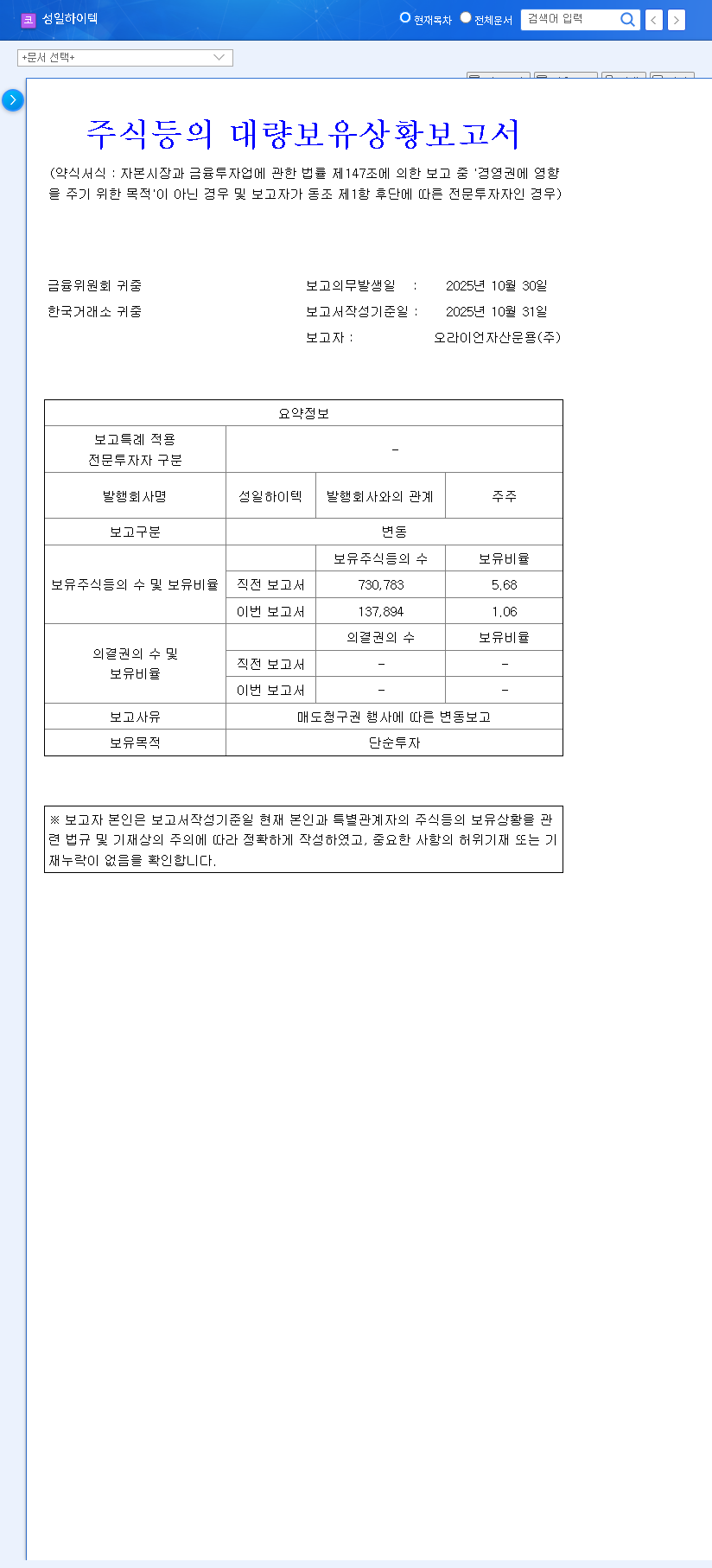
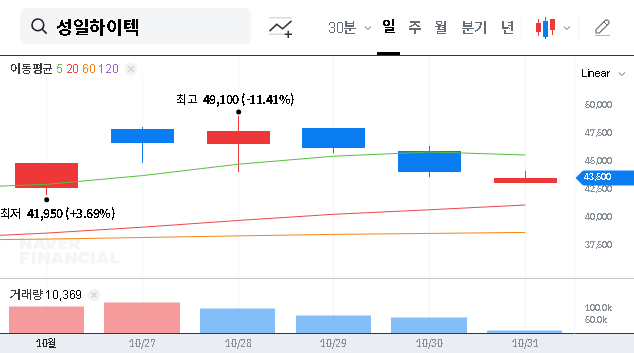
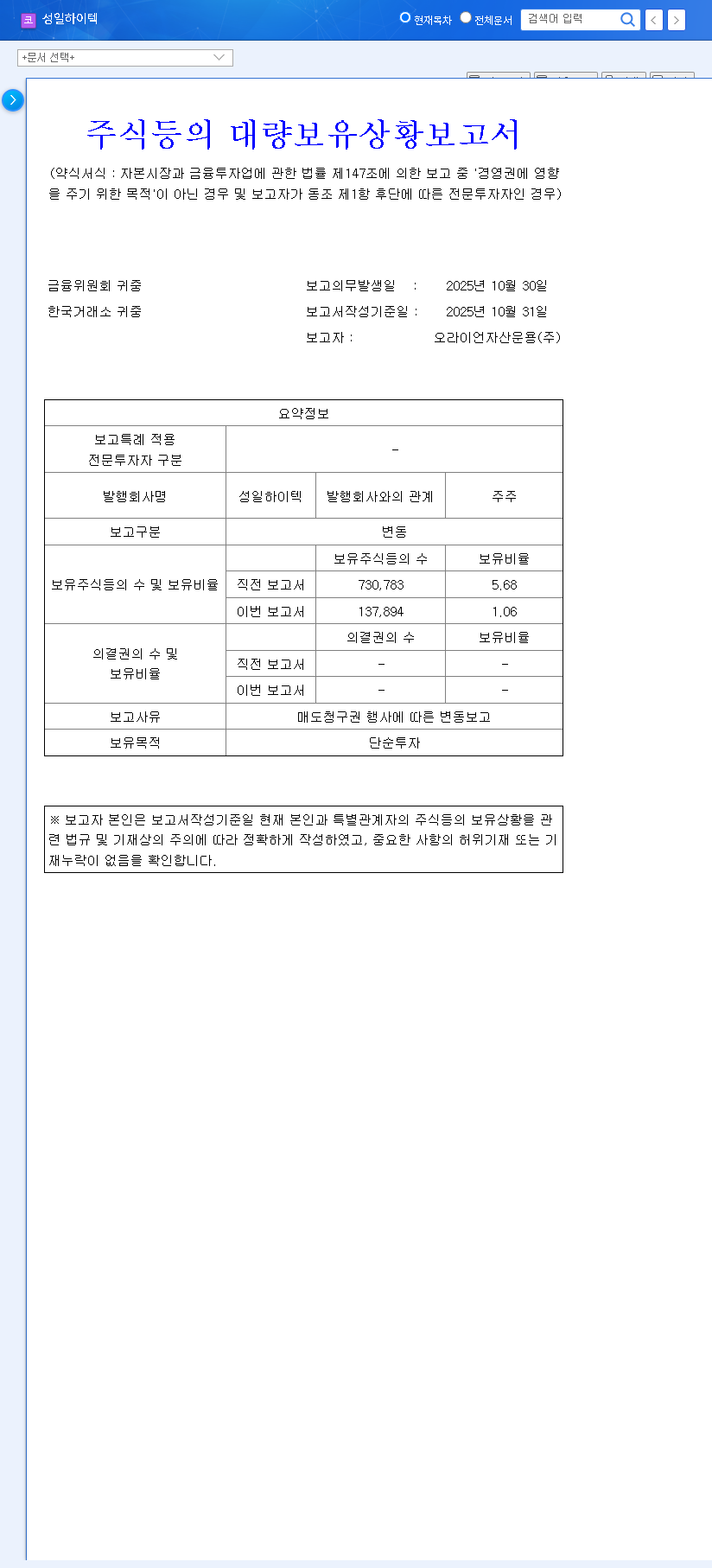
    On October 31, 2025, Orion Asset Management officially disclosed a substantial reduction in its stake in SungEel HiTech Co., Ltd. (365340). According to the filing, their ownership plummeted from 5.68% down to just 1.06%, a divestment of 4.62 percentage points. The full details can be verified in the Official Disclosure (DART).

    Crucially, this change wasn’t a standard open-market sell-off. It occurred as Orion Asset Management exercised its call option on convertible bonds (CBs). This detail is important because it suggests the move was tied to a pre-existing financial instrument and its maturity, rather than a sudden loss of faith in SungEel HiTech’s core business. For an institutional investor whose stated purpose was “simple investment,” this could be interpreted as a strategic capital management decision or profit-taking maneuver.

    Fundamental Deep Dive: Is SungEel HiTech Stock a Buy?

    To truly perform a SungEel HiTech stock analysis, we must look beyond a single transaction and examine the company’s underlying strengths and weaknesses.

    The Bull Case: Long-Term Growth and Industry Tailwinds

    • Explosive Industry Growth: SungEel HiTech is a key player in the secondary battery (EV battery) recycling industry. With the global shift to electric vehicles, the volume of end-of-life batteries is set to skyrocket, creating a massive, long-term demand for its services.
    • Favorable Regulatory Environment: Strict regulations like Europe’s Critical Raw Materials Act (CRMA) and EU battery recycling mandates are not obstacles but powerful catalysts. They force manufacturers to use recycled materials, creating a guaranteed market for companies like SungEel HiTech.
    • Global Expansion: The company is actively building a global footprint, highlighted by its new facility in Indiana, USA. This expansion positions it to serve key automotive markets directly and build a resilient global value chain.

    The Bear Case: Short-Term Performance and Financial Strain

    • Deteriorating Financials: In the first half of 2025, SungEel HiTech reported a 28.5% decrease in sales and swung to an operating loss. This is a direct result of the global EV market slowdown, as reported by sources like Bloomberg, coupled with falling raw material prices and heightened competition.
    • High Debt Load: The company’s debt-to-equity ratio has surged to 287.72%. In a high-interest-rate environment, this level of debt creates a significant burden on profitability due to escalating interest payments.
    • Reduced R&D Investment: A noticeable cut in R&D spending raises concerns about the company’s ability to maintain its technological edge in developing next-generation recycling for LFP and solid-state batteries.

    The core challenge for any SungEel HiTech investment is balancing the immense long-term potential of the battery recycling industry against the company’s immediate financial and operational headwinds.

    Market Impact and Investment Strategy

    Orion’s sale will likely have a negative short-term impact on the SungEel HiTech stock price. The introduction of a large block of shares can create a supply-demand imbalance, while the departure of a major institutional name may spook less-confident investors. This creates downward pressure.

    However, from a long-term perspective, this is more of a technical market event than a fundamental red flag. The core growth story of battery recycling remains intact. Therefore, a prudent investment strategy should be two-tiered:

    • Short-Term (Cautious): Acknowledge the potential for further price declines due to share overhang. A wait-and-see or staggered buying approach is advisable. Avoid making large commitments until the stock price finds a stable support level.
    • Long-Term (Conditional Optimism): The company’s long-term appeal is strong, but conditional. Investors should closely monitor key performance indicators before building a large position. This includes a return to profitability, successful ramp-up of the Indiana plant, and a clear strategy to manage its debt. For more on this sector, see our guide to investing in recycling technology stocks.

    Frequently Asked Questions (FAQ)

    Q1: Why did Orion Asset Management sell its SungEel HiTech stock?

    Orion reduced its stake from 5.68% to 1.06% by exercising a call option on convertible bonds. This suggests the action was part of a pre-planned capital management strategy related to that specific financial instrument, rather than a sudden negative verdict on the company’s future.

    Q2: Should I be worried about SungEel HiTech’s recent financial performance?

    Yes, the H1 2025 performance decline and high debt are significant concerns that require close monitoring. However, these are weighed against the company’s strong position in a high-growth industry, creating a classic risk/reward scenario for investors.

    Q3: What are the biggest growth drivers for SungEel HiTech?

    The primary growth drivers are the accelerating adoption of electric vehicles, which creates a future supply of batteries to recycle, and tightening government regulations that mandate the use of recycled materials in new batteries, effectively guaranteeing future demand.

    (365340) SungEel HiTech Stock Analysis: Orion's Major Sale & What It Means for Investors 관련 이미지
  • (365340) SungEel HiTech Convertible Bond: An Investor’s Deep Dive on Growth vs. Share Dilution

    (365340) SungEel HiTech Convertible Bond: An Investor’s Deep Dive on Growth vs. Share Dilution

    In a significant financial move, leading battery recycling company SungEel HiTech Co., Ltd. has announced a decision to issue 53 billion KRW worth of convertible bonds (CBs). This news immediately sparks a critical debate among investors: Is this a strategic masterstroke to fuel growth, or does it signal a coming burden of share dilution for existing shareholders? This analysis unpacks the details of the SungEel HiTech convertible bond issuance to provide a clear roadmap for your investment strategy.

    We will explore the rationale behind this capital raise, weigh the potential benefits against the inherent risks, and outline key factors every investor should monitor moving forward. Understanding this financial instrument is key to assessing the future value of your SungEel HiTech stock.

    This 53 billion KRW convertible bond represents a pivotal moment for SungEel HiTech, balancing on the fine line between aggressive expansion and protecting shareholder value. The outcome will depend entirely on the strategic execution of its growth plans.

    Understanding the SungEel HiTech CB Issuance

    First, let’s clarify what a convertible bond is. It’s a hybrid security that starts as a loan (bond) to the company but includes an option for the bondholder to convert it into a predetermined number of the company’s common shares at a later date. It offers investors the safety of a bond with the upside potential of an equity investment. For a more detailed explanation, you can refer to authoritative sources like Investopedia.

    SungEel HiTech has opted for a private placement to raise 53 billion KRW, which is approximately 9.5% of its market capitalization. This method allows for faster capital acquisition from a select group of investors, often institutional or private equity funds.

    Key Details of the Bond Issuance

    The terms of the SungEel HiTech convertible bond are crucial for analysis. Here are the officially disclosed details:

    • Issuance Amount: 53 billion KRW
    • Conversion Price: 41,336 KRW (This is the price at which bonds can be converted into shares. The risk of share dilution increases if the stock price rises significantly above this level.)
    • Coupon Rate / Yield to Maturity: 1.0% / 4.0% (These rates represent the interest paid to bondholders and the total return if held to maturity, impacting the company’s financial expenses.)
    • Conversion Period: October 27, 2026 – September 27, 2030 (This long window gives bondholders flexibility but creates a prolonged period of potential stock overhang.)

    For complete verification of these terms, investors can consult the Official Disclosure on the DART system (Source).

    The Strategic Rationale: Fueling the Growth Engine

    A capital raise of this magnitude isn’t arbitrary. SungEel HiTech operates in the highly competitive and capital-intensive battery recycling industry. The funds are likely earmarked for critical growth initiatives, which could include:

    • Facility Expansion: Building new hydro-metallurgical plants (‘Hydrocenters’) in key markets like North America or Europe to meet soaring demand from EV manufacturers.
    • Research & Development: Investing in next-generation recycling technologies to improve recovery rates of critical minerals like lithium, cobalt, and nickel, thereby boosting profit margins.
    • Working Capital: Securing a stable supply chain of used batteries (‘black mass’) requires significant upfront capital.

    Pros vs. Cons: An Investor’s Viewpoint

    The Upside: Enhanced Growth and Flexibility

    The primary benefit is securing capital for long-term growth without immediate, large-scale share dilution that would come from a direct stock offering. If the company invests this capital wisely and generates returns that exceed the cost of debt, it can create substantial long-term value that far outweighs the future dilution. This financial flexibility allows SungEel HiTech to compete aggressively in the global battery recycling investment landscape.

    The Downside: The Shadow of Dilution and Debt

    The most significant risk is the share dilution that will occur if and when bondholders convert their debt to equity. If all bonds are converted, it would increase the total number of shares outstanding, reducing the ownership percentage and earnings per share for existing shareholders. Furthermore, until conversion, the bonds add to the company’s debt load, and the interest payments are a recurring financial obligation.

    Investor Action Plan: What to Watch Now

    Navigating the SungEel HiTech CB issuance requires active monitoring. Here’s what to focus on:

    • Capital Allocation: Watch for official announcements on how the 53 billion KRW is being deployed. The success of these investments is the key to offsetting dilution.
    • Stock Price vs. Conversion Price: Track the stock’s performance relative to the 41,336 KRW conversion price. A sustained price well above this level makes conversion more likely.
    • Quarterly Earnings: Scrutinize financial reports for revenue growth, margin improvement, and updates on expansion projects. Strong performance can absorb the impact of dilution.

    In conclusion, the SungEel HiTech convertible bond is a calculated risk. It provides the necessary fuel for the company’s ambitious growth plans in a booming industry. For investors, the challenge is to determine whether the potential rewards of this expansion will ultimately create more value than the dilution it may cause. Careful and continuous monitoring will be essential.

    (365340) SungEel HiTech Convertible Bond: An Investor's Deep Dive on Growth vs. Share Dilution 관련 이미지
  • (017860) DSdanseok IR 2025: A Complete Investment Strategy & Stock Analysis

    (017860) DSdanseok IR 2025: A Complete Investment Strategy & Stock Analysis

    The upcoming DSdanseok IR (Investor Relations) conference, scheduled for October 17, 2025, is a pivotal event for investors. As a key player in the eco-friendly circular economy, DSdanseok’s presentation will offer critical insights into its bioenergy, battery recycling, and plastic recycling divisions. This deep dive will analyze the company’s fundamentals, the potential impact of the IR on DSdanseok stock, and provide a comprehensive DSdanseok investment strategy for both current and prospective shareholders. Understanding the nuances of this event is essential for making an informed decision in a rapidly evolving market.

    The company will be participating in the Daishin New Growth Industry Corporate Day, with the IR session set for 1:10 PM. The primary goals are to enhance shareholder value and foster transparent communication. For official details, please refer to the company’s Official Disclosure (Source: DART).

    DSdanseok at a Glance: A Circular Economy Pioneer

    DSdanseok has positioned itself as a leader in the circular economy, a model focused on eliminating waste and promoting the continual use of resources. This forward-thinking approach is not just environmentally responsible but also aligns with global ESG (Environmental, Social, and Governance) investment trends. The company’s core operations are segmented into three high-potential areas:

    • Bioenergy: This segment, which constitutes over 52% of revenue, focuses on producing biofuels like Sustainable Aviation Fuel (SAF) and bio-marine fuel from renewable sources, catering to the growing demand for greener energy solutions in transportation.
    • Battery Recycling: A significant growth engine (36% of revenue), this division recycles both lead-acid batteries and is expanding into the lucrative secondary (lithium-ion) battery market, driven by the global surge in electric vehicles (EVs).
    • Plastic Recycling: This unit focuses on creating value from plastic waste, a critical component of a sustainable future, though it currently represents a smaller portion of the company’s revenue.

    Analyzing the Impact of the DSdanseok IR

    The Investor Relations event can serve as a powerful catalyst for the company’s stock price, creating both short-term volatility and setting the long-term trajectory. Investors should monitor the event for key announcements and management tone.

    Short-Term Stock Price Reaction

    Immediately following the DSdanseok IR, the market will react to the information presented. A clear, confident roadmap for improving bioenergy profitability and a detailed expansion plan for the battery recycling segment could trigger a positive sentiment shift and a rally in the stock. Conversely, any ambiguity or failure to address concerns about profitability and debt could lead to a sell-off. The Q&A session will be particularly revealing, as management’s ability to handle tough questions will be a key indicator of their preparedness.

    Mid-to-Long-Term Value Creation

    Beyond the initial reaction, the true impact lies in execution. If DSdanseok’s management delivers on the promises made during the IR, it can build lasting investor trust and drive sustained corporate value. Key performance indicators to watch in the quarters following the IR will include margin improvements in the bioenergy sector, securing new contracts in battery recycling, and progress on debt reduction. Consistent and transparent communication, as explained by authoritative sources like Harvard Business Review, is fundamental to long-term valuation.

    The core challenge for DSdanseok is to translate its compelling green-tech narrative into consistent financial performance. This IR is their platform to prove that their growth strategy is not just visionary, but also viable and profitable.

    A Smart DSdanseok Investment Strategy

    Developing a sound DSdanseok investment strategy requires a balanced view of its strengths and weaknesses. While the company’s alignment with ESG trends is a major advantage, investors must critically assess its financial health and operational efficiency.

    Key Questions for Investors to Consider:

    • Profitability Plan: Does management present a credible plan to reverse the operating loss in the bioenergy segment? Look for specifics on cost control and product innovation.
    • Battery Recycling Roadmap: How detailed is the growth plan for secondary battery recycling? Are there clear targets for capacity, market share, and revenue? For more context, you can read our Deep Dive into the Battery Recycling Market.
    • Financial Discipline: What is the strategy for managing the high debt ratio and improving cash flow? A clear deleveraging plan is essential for long-term stability.
    • Macro-Risk Mitigation: How is the company prepared to handle volatility in exchange rates, interest rates, and raw material prices?

    In conclusion, the DSdanseok IR is more than just a presentation; it’s a critical stress test of the company’s strategy and leadership. For diligent investors, it offers a unique opportunity to look beyond the headlines and assess the fundamental, long-term value of a company at the heart of the sustainable economy. The feasibility and specificity of the plans presented will be the ultimate determinant of investor confidence and the future of DSdanseok stock.

    (017860) DSdanseok IR 2025: A Complete Investment Strategy & Stock Analysis 관련 이미지
  • DS Danseok Stock Buyback Analysis: A Bullish Signal? Key Issues and Investment Strategies

    DS Danseok Stock Buyback Analysis: A Bullish Signal? Key Issues and Investment Strategies 대표 차트 이미지

    1. DS Danseok’s Stock Buyback: What Happened?

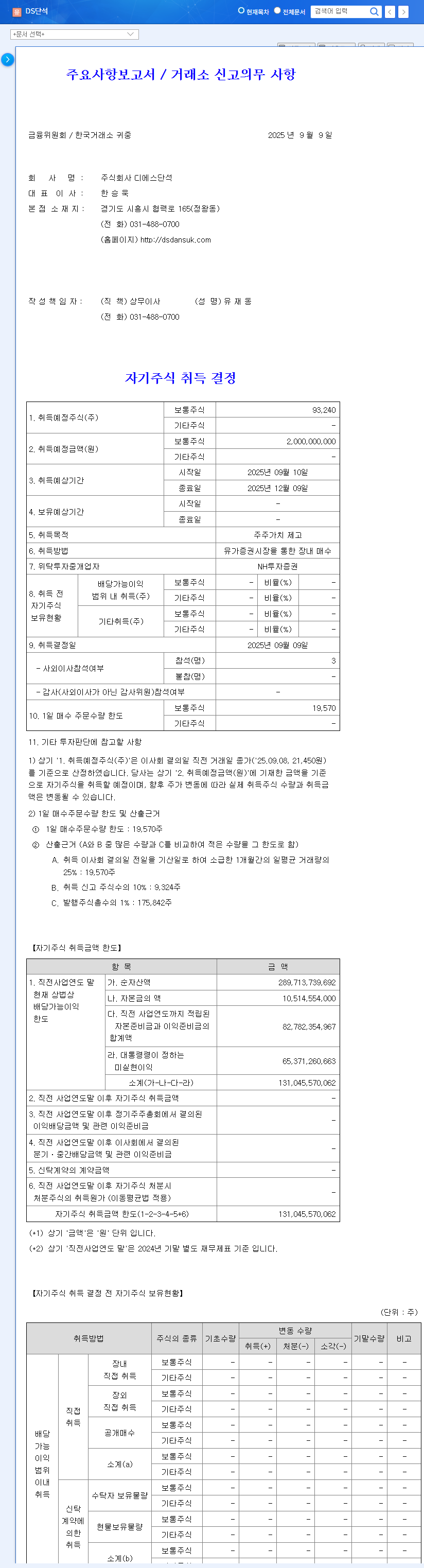
    On September 9, 2025, DS Danseok announced a KRW 2 billion stock buyback program. The stated objective is ‘enhancing shareholder value,’ and the company plans to repurchase 93,240 shares through open market purchases on the stock exchange.

    2. Why the Buyback?

    Stock buybacks are typically conducted to stabilize stock prices and enhance shareholder value. In DS Danseok’s case, recent underperformance in the bioenergy sector has weakened its stock price. This buyback can be interpreted as a strategic move to alleviate investor concerns and create momentum for a rebound.

    3. Impact on Stock Price?

    • Short-term impact: Buybacks reduce the number of outstanding shares, which can increase earnings per share (EPS). They can also signal the company’s commitment to defending its stock price, potentially improving investor sentiment.
    • Long-term impact: If shares are retired after repurchase, it can contribute to long-term shareholder value. However, the effectiveness of the buyback may be limited without improvements in the bioenergy sector’s performance.

    4. What Should Investors Do?

    DS Danseok has a business portfolio aligned with ESG trends and significant growth potential, including expansion into the SAF market and strengthening its battery recycling business. However, uncertainties remain, including the recovery of the bioenergy sector, raw material prices, and exchange rate fluctuations. Investors should carefully consider these factors before making investment decisions.

    Frequently Asked Questions

    Do stock prices always go up after a buyback?

    While buybacks are generally seen as a positive signal, they don’t guarantee a stock price increase. Various factors like company performance and market conditions influence stock prices.

    What is the outlook for DS Danseok?

    Both positive factors (ESG management, SAF market growth) and negative factors (weak bioenergy sector performance) exist. A balanced perspective is crucial for investment considerations.

    DS Danseok Stock Buyback Analysis: A Bullish Signal? Key Issues and Investment Strategies 관련 이미지
    DS Danseok Stock Buyback Analysis: A Bullish Signal? Key Issues and Investment Strategies 관련 이미지
  • IS Dongseo Wins Wondae-2 Redevelopment Project: Stock Outlook and Investment Strategy


    IS Dongseo Wins Wondae-2 Redevelopment Project: Stock Outlook and Investment Strategy 대표 차트 이미지


    1. IS Dongseo Wins Wondae-2 Redevelopment Project: What Does It Mean?

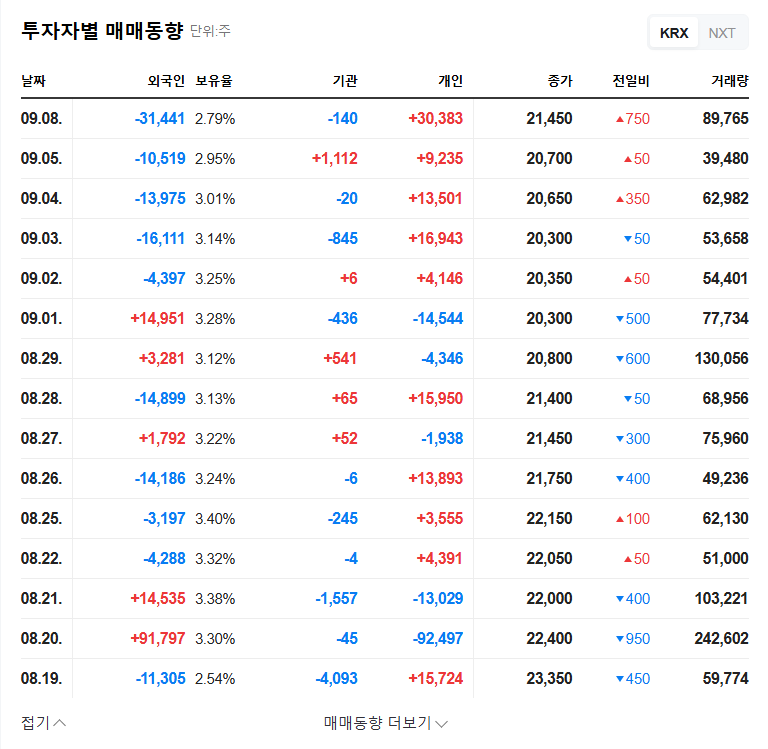
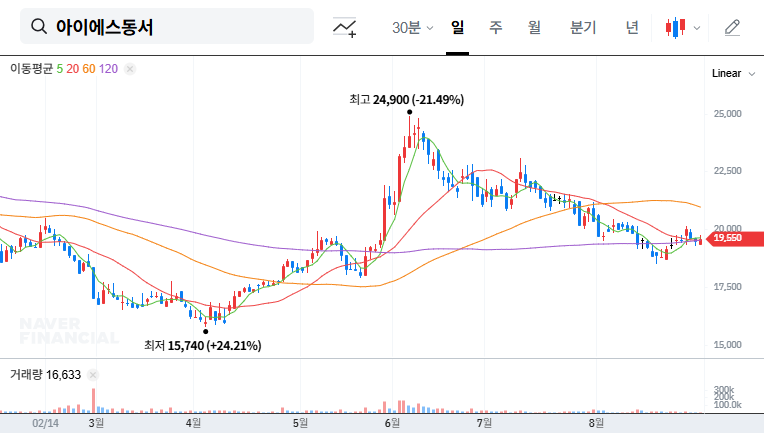
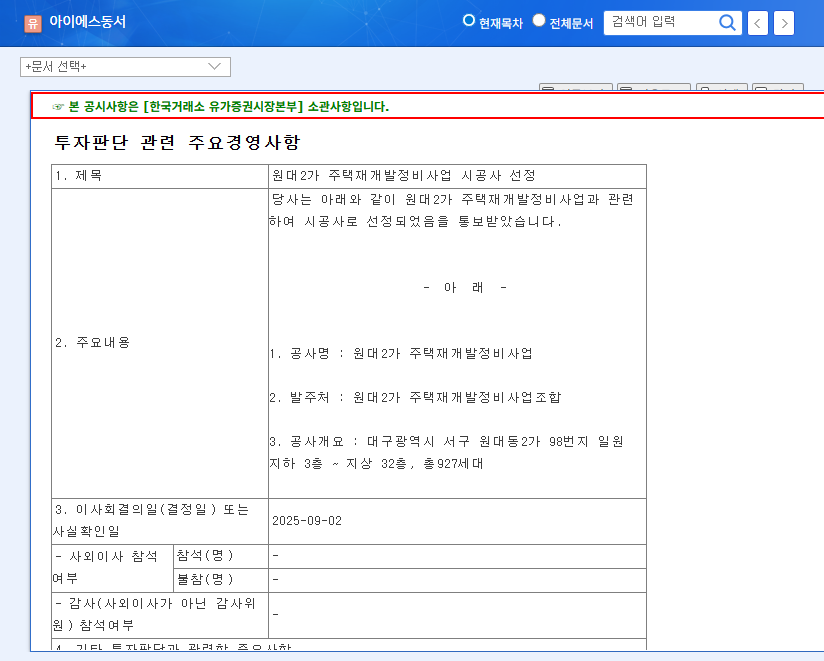
    IS Dongseo was selected as the contractor for the Wondae-2 residential redevelopment project (927 units) in Daegu on September 2nd. This contract is welcome news for IS Dongseo, which has been facing challenges due to the recent downturn in the construction market.

    2. Why is it Important? – Fundamental Impact Analysis

    Positive Aspects

    • • Expected improvement in sales and profitability through securing new orders in the construction sector
    • • Potential for business expansion in the Daegu area and further order opportunities
    • • Contribution to long-term financial stability
    • • Improved investor sentiment and potential stock price momentum
    • • Expected synergy with the battery recycling business

    Negative/Limited Aspects

    • • Limited impact on short-term earnings
    • • Continued downturn in the construction market and PF risks
    • • Difficulty in securing profitability due to intensified competition in the construction industry

    3. So, What Should We Do? – Investment Strategy

    Short-term Investment

    New orders can have a positive impact on stock prices in the short term, but it may take time for earnings to improve. Short-term investors should be mindful of market sentiment and stock price volatility.

    Mid- to Long-term Investment

    IS Dongseo’s mid- to long-term investment value depends on the growth of the battery recycling business, the recovery of the construction sector’s profitability, and its ability to manage financial risks. While this contract is a positive sign, continuous monitoring is necessary.

    Key Monitoring Points

    • • Trends in additional construction project orders
    • • Performance and profitability of the battery recycling business
    • • Interest rate fluctuations and PF risk management
    • • Changes in the macroeconomic environment (interest rates, exchange rates)


    FAQ: Investing in IS Dongseo – What are your questions?

    Q: What are IS Dongseo’s main businesses?

    A: IS Dongseo engages in construction, concrete, environment, and battery recycling businesses. Recently, they have been focusing on investments in the battery recycling business as a future growth engine.

    Q: How will this redevelopment project contract affect IS Dongseo’s stock price?

    A: In the short term, there is a possibility of improved investor sentiment and a rise in stock price. However, the long-term impact depends on the recovery of the construction market and the growth of the battery recycling business.

    Q: What are the key points to watch out for when investing in IS Dongseo?

    A: The downturn in the construction market, high debt levels, and PF-related risks are investment risk factors. It is also essential to continuously monitor the performance and profitability improvement trend of the battery recycling business.


    IS Dongseo Wins Wondae-2 Redevelopment Project: Stock Outlook and Investment Strategy 관련 이미지
    IS Dongseo Wins Wondae-2 Redevelopment Project: Stock Outlook and Investment Strategy 관련 이미지


  • Yulho’s Rights Offering: Opportunity or Risk? An In-depth Analysis for Investors

    Yulho's Rights Offering: Opportunity or Risk? An In-depth Analysis for Investors 대표 차트 이미지

    1. What Happened? Yulho Announces Rights Offering

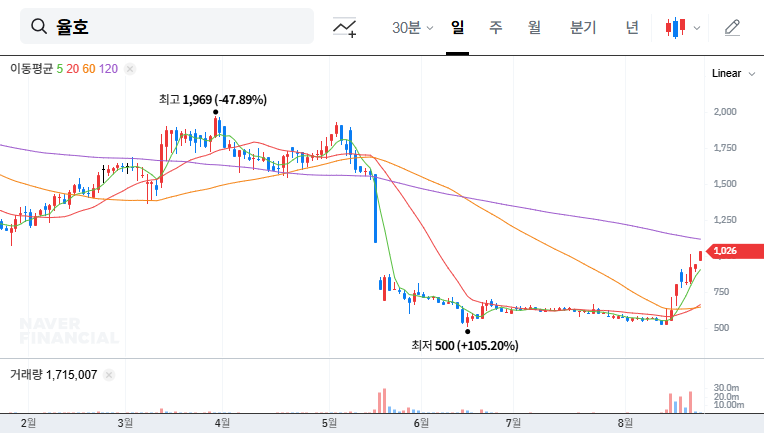
    On August 25, 2025, Yulho announced that it is considering a rights offering to raise capital for investments in new businesses, such as battery recycling, waste treatment, and AI.

    2. Why the Rights Offering? Yulho’s Current Situation and Funding Needs

    Beyond its existing IT infrastructure business, Yulho is pursuing various new ventures for future growth. These investments require substantial capital, and the company’s net loss of 4.5 billion won and debt-to-equity ratio of 167.60% in the first half of 2025 pose financial challenges. The rights offering aims to improve Yulho’s financial structure and secure funding for these new ventures.

    3. What’s Next? Potential Benefits and Risks of the Rights Offering

    • Potential Benefits: Improved financial structure, increased investment in new businesses.
    • Potential Risks: Stock dilution, uncertainty of funding success.

    The rights offering is a double-edged sword. Successful funding can pave the way for growth, while failure could lead to stock price decline and increased financial burden.

    4. What Should Investors Do? Key Investment Considerations

    • Review the terms of the rights offering (offering price, size, participants).
    • Monitor the performance of new businesses (e.g., operation of the battery recycling plant, progress of waste treatment projects).
    • Track improvements in financial health (debt-to-equity ratio, operating cash flow).
    • Analyze the impact of macroeconomic indicators (interest rates, exchange rates, commodity prices).

    Frequently Asked Questions

    What is a rights offering?

    A rights offering allows existing shareholders to purchase newly issued shares at a discounted price. This provides companies with a way to raise capital.

    When will Yulho’s rights offering be finalized?

    The rights offering is currently under review, and no details have been finalized. Further announcements will be made through official disclosures.

    How will the rights offering affect Yulho’s stock price?

    While the increased number of shares could lead to dilution, the anticipated business expansion from the funding could also positively influence the stock price.

    Yulho's Rights Offering: Opportunity or Risk? An In-depth Analysis for Investors 관련 이미지
    Yulho's Rights Offering: Opportunity or Risk? An In-depth Analysis for Investors 관련 이미지