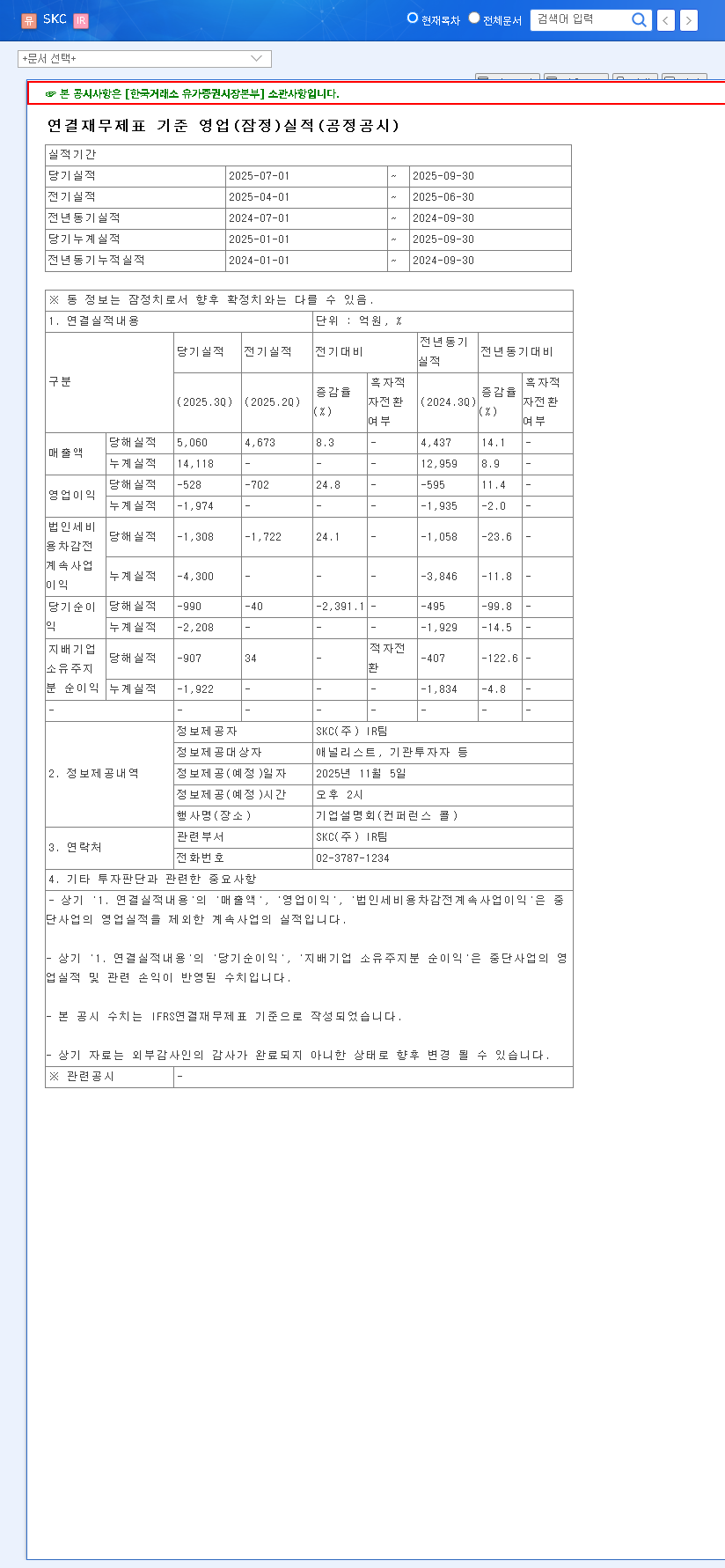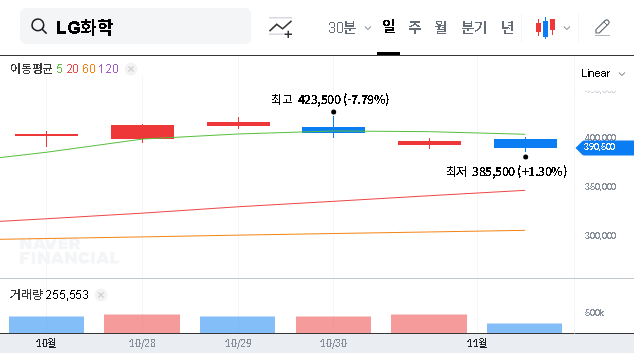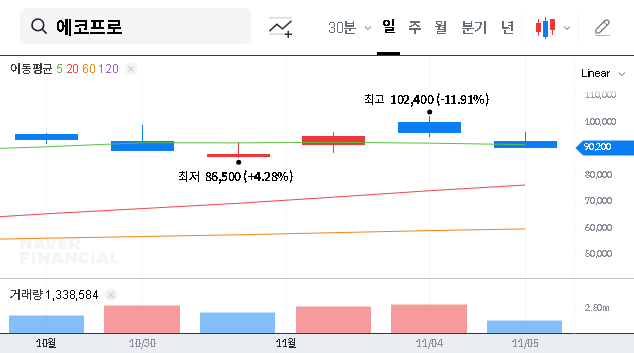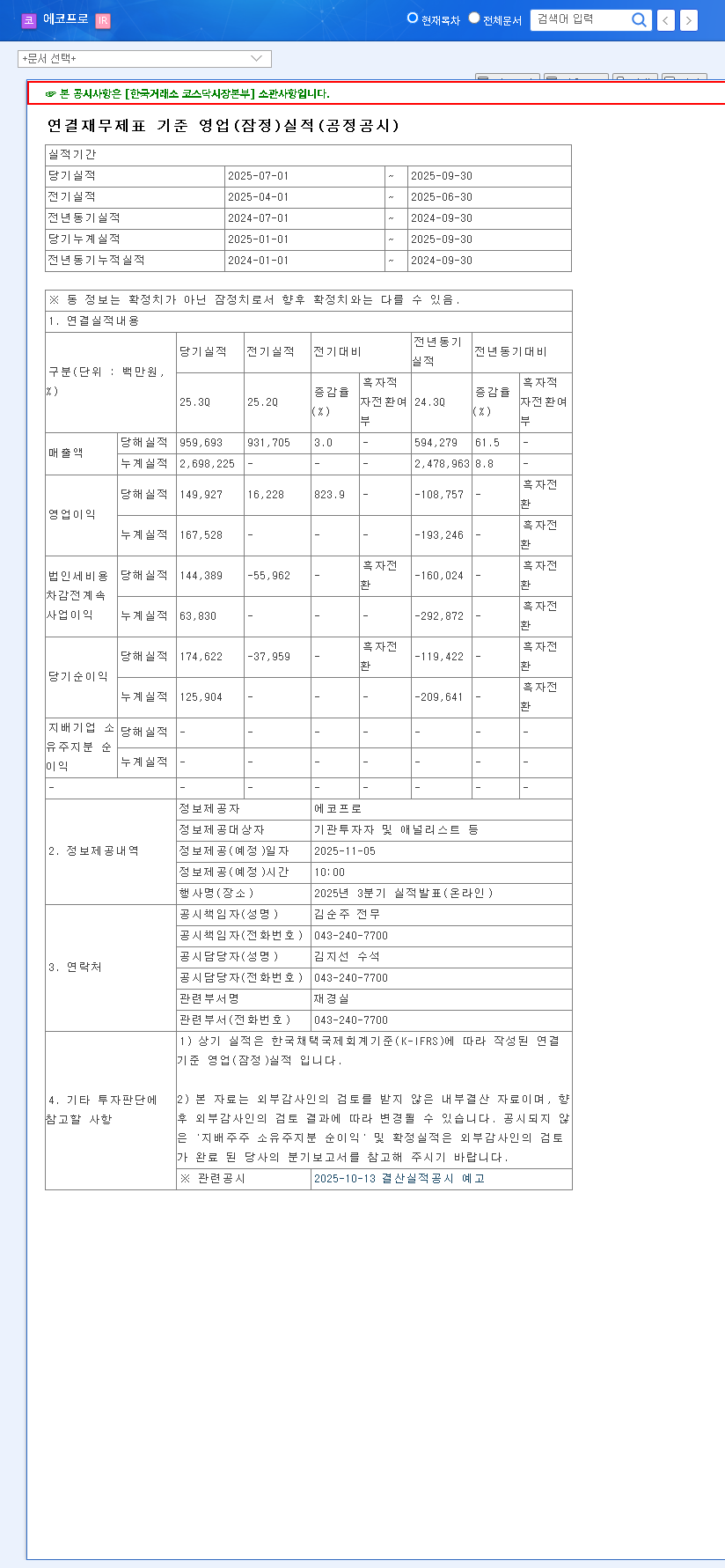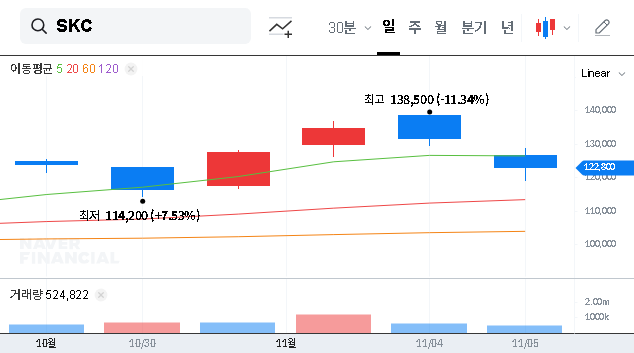
The recent news surrounding the potential SKC LTD divestiture of its subsidiary, SK PIC Global, has sent ripples through the investment community. This isn’t just a simple asset sale; it’s a clear signal of a major strategic pivot, representing a fundamental realignment of SKC’s business portfolio toward high-growth industries. For investors, this moment is critical, filled with both immense opportunity and significant risk.
This comprehensive analysis will unpack the layers of this strategic move. We will explore the motivations behind the SK PIC Global sale, evaluate the company’s shift towards future growth drivers, and assess the potential impact on SKC’s financial health and stock performance. Our goal is to provide investors with the detailed insights needed to navigate this transformative period.
What’s Driving the SKC LTD Divestiture?
On October 14, 2025, reports surfaced suggesting that SKC LTD had initiated the process to sell its stake in SK PIC Global, a key player in its chemical business segment. While the company has been cautious in its public statements, the underlying strategy is clear: streamline operations and redeploy capital into more promising sectors.
According to its official disclosure, SKC LTD is “reviewing various strategic options to enhance corporate value, including the sale of our stake in SK PIC Global, but nothing has been definitively confirmed at this time.” A follow-up disclosure is expected within three months. (Official Disclosure)
Strategic Pivot: A Focus on High-Growth Sectors
The core motivation behind this SKC LTD divestiture is a deliberate shift away from the traditional, cyclical chemical industry towards markets with exponential growth potential. This SKC portfolio realignment is focused on two key areas:
Future Growth Drivers: Batteries & Semiconductors
- •Secondary Battery Materials: With the global explosion in electric vehicle (EV) demand, materials like copper foil (a core product of SKC’s subsidiary SK Nexilis) are critical components. Focusing here allows SKC to ride a powerful secular growth wave.
- •Semiconductor Materials: The rise of AI, data centers, and advanced computing has created immense demand for high-performance semiconductor components like test sockets and blank masks. This is a high-margin business central to modern technology.
However, this strategic shift is not without its challenges. The chemical business, while less dynamic, has been a stable source of revenue. Its sale could lead to short-term revenue declines and earnings volatility until the newer businesses can fully scale and achieve consistent profitability.
Analyzing the Financial Ripple Effects
The financial implications of the SK PIC Global sale are profound. A successful transaction could significantly de-leverage the company’s balance sheet and provide a substantial cash infusion for future investments.
Improving Financial Health
As of the first half of 2025, SKC’s debt-to-equity ratio stood at a high 188.47%. The proceeds from the divestiture could be used to pay down debt, reducing interest expenses and strengthening the company’s financial foundation. This improved stability is crucial as the company navigates the capital-intensive expansion of its battery and semiconductor operations.
Navigating Macroeconomic Headwinds
SKC operates in a complex global environment. Investors must monitor several macroeconomic factors:
- •Currency Fluctuations: As a major exporter and importer, SKC’s profitability is highly sensitive to changes in the USD/KRW exchange rate.
- •Interest Rates: Global interest rate policies directly affect the company’s borrowing costs and overall financial burden.
- •Commodity Prices: While the chemical business divestiture reduces direct exposure, prices of raw materials for battery components remain a key cost factor.
Investment Outlook: An In-Depth SKC Stock Analysis
The SKC LTD divestiture marks a pivotal moment, requiring a balanced SKC stock analysis. While the long-term vision is compelling, near-term uncertainties warrant a cautious approach. For further reading, consider this deep dive into the semiconductor materials market.
The Bull Case (Potential Upside)
- •Enhanced Corporate Value: Focusing on high-growth markets could lead to a significant re-rating of the company’s valuation over the long term.
- •Improved Financials: A successful sale would clean up the balance sheet, reduce financial risk, and provide capital for growth.
- •Higher Profit Margins: The battery and semiconductor businesses have the potential for much higher profitability than the legacy chemical segment.
The Bear Case (Potential Risks)
- •Execution Risk: The success of the pivot depends on flawlessly executing the global expansion of new businesses, which faces intense competition.
- •Short-Term Profitability Gap: The new businesses are still facing operating losses, and it may take time for them to offset the lost earnings from the chemical division.
- •Market Volatility: The growth sectors SKC is targeting are subject to market cycles and technological shifts, as reported by industry analysts like Bloomberg.
Key Questions for Investors
As SKC LTD moves forward, investors should seek answers to the following questions:
What are the main reasons for the potential divestiture?
The primary goal is to sharpen the company’s focus on high-growth sectors like secondary battery materials (copper foil) and semiconductor materials, unlocking long-term corporate value by moving away from the more traditional chemical business.
How might this impact SKC LTD’s stock price?
In the short term, uncertainty may cause stock volatility. However, if the market views the business restructuring as a positive strategic shift, it could lead to long-term optimism. The final sale terms and future performance of the core businesses will be the ultimate drivers.
What should investors monitor going forward?
Key items to watch include the specific details of the SK PIC Global sale (price, terms), the profitability trajectory of the battery and semiconductor divisions, the company’s overall cost management, and the impact of macroeconomic trends on business operations.