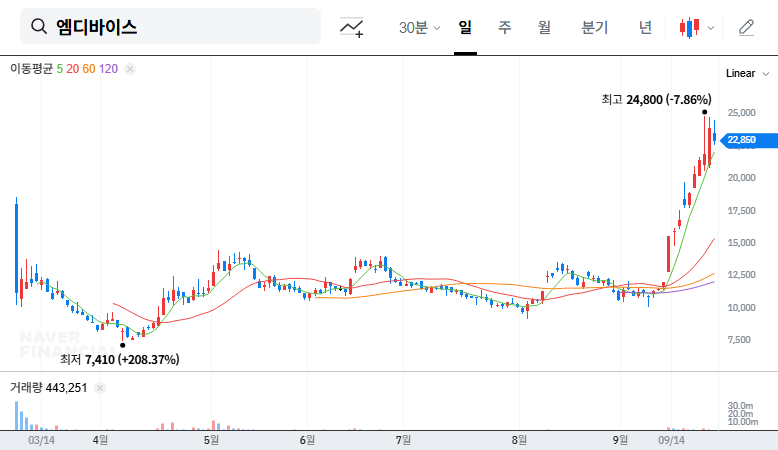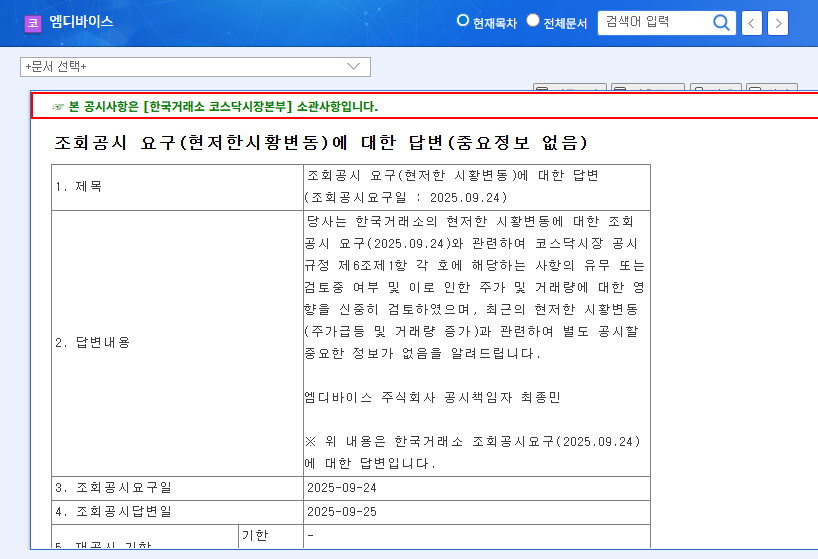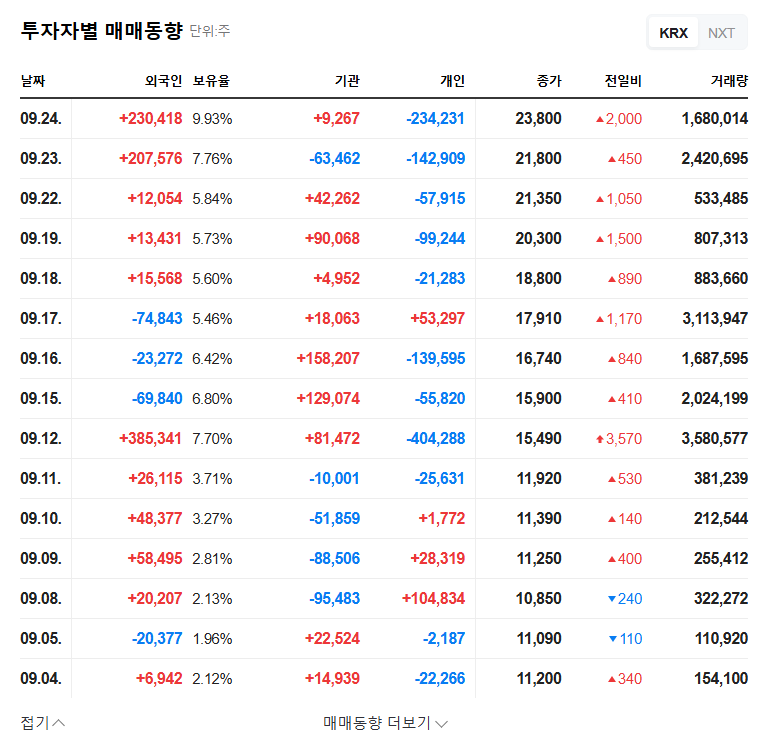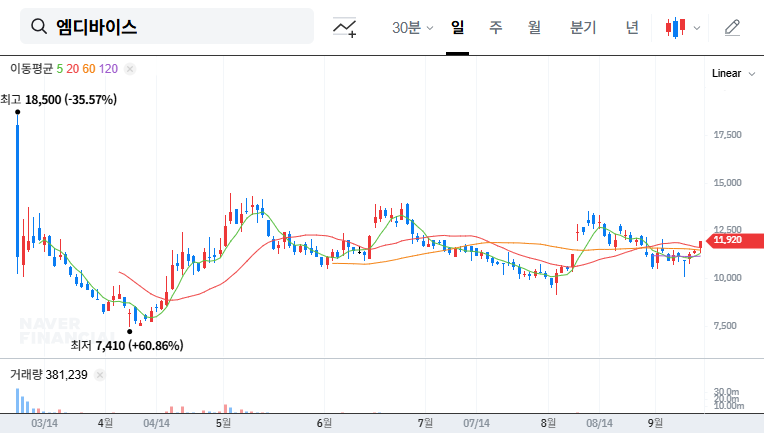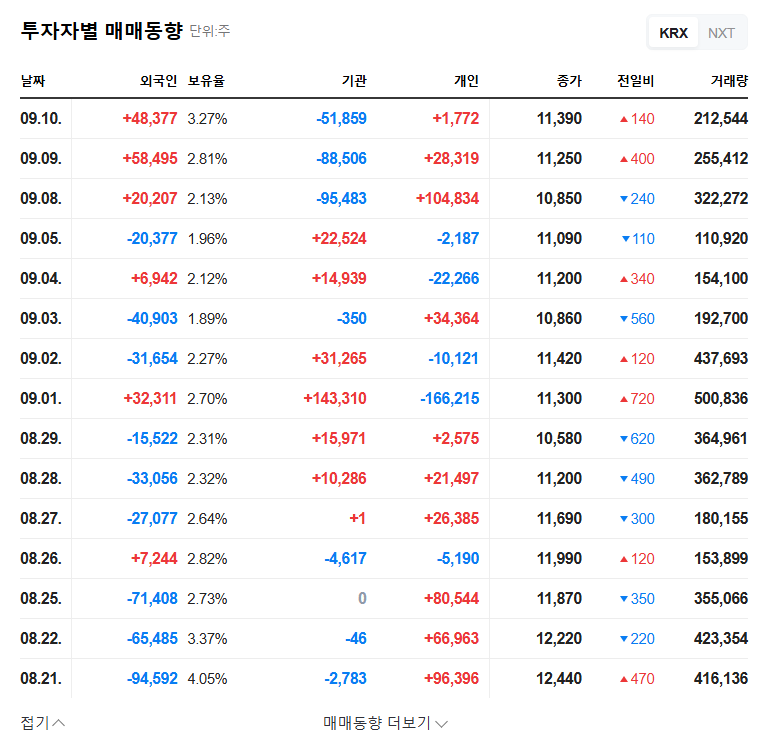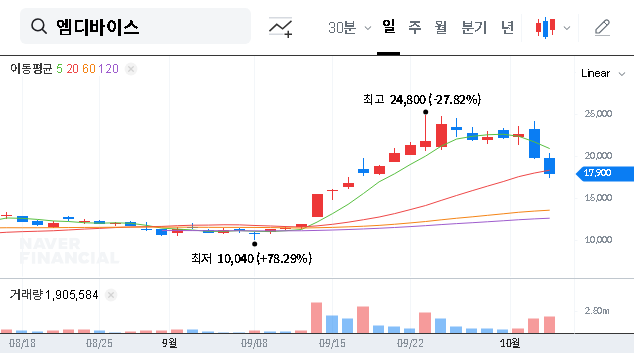
When a global investment giant like Morgan Stanley makes a move, the market pays attention. Recently, the spotlight has turned to Korean tech firm Mdevice (226590), following a significant shareholding report filed by the bank. While officially labeled a ‘simple investment,’ this action has ignited discussions about the company’s future and its implications for the Mdevice stock. What untapped potential did one of the world’s most sophisticated financial institutions see in this enterprise SSD specialist?
This in-depth analysis unpacks the Morgan Stanley Mdevice investment, examining Mdevice’s core business strengths, financial stability, and the critical risk factors that investors must consider. We will explore what this high-profile interest could mean for Mdevice’s corporate value and long-term stock performance.
Understanding the ‘why’ behind a major institutional investment is key to unlocking insights about a company’s trajectory. Morgan Stanley’s involvement is more than just a transaction; it’s a signal of perceived value.
The Filing: A Closer Look at Morgan Stanley’s Position
On October 10, 2025, Morgan Stanley & Co. International plc disclosed its holding in Mdevice shares. While the final reported stake fell just below the 5% threshold, the trading activity leading up to the announcement reveals a dynamic and strategic approach. The key details, according to the Official Disclosure (DART), are as follows:
- •Reporting Entity: Morgan Stanley & Co. International plc/UK
- •Holding Purpose: Simple Investment
- •Final Holding: 4.86%
- •Reason for Report: The stake briefly exceeded 5%, triggering a mandatory report, followed by a voluntary filing as the holding dropped below 5% on October 2, 2025.
The active trading between September 30 and October 2 shows that Morgan Stanley was not a passive buyer. This period of purchases and sales suggests a calculated strategy to build and adjust a position. The fact that they held over 5%, even for a short time, is a significant indicator of serious interest in the Mdevice growth potential.
Unpacking Mdevice’s Growth Potential
What fundamentals attracted a global powerhouse? A review of Mdevice’s business reveals a company with a solid core and ambitious plans for the future.
Core Business and Competitive Edge
Mdevice has established a strong foothold in the enterprise Solid-State Drive (SSD) market, a sector benefiting from the explosive growth of data centers, cloud computing, and AI. This serves as the company’s primary growth engine.
- •Differentiated Technology: The company stands out with in-house developed SIP-based BGA SSDs, superior electromagnetic shielding, and robust security features—critical for enterprise clients.
- •Future-Facing Ventures: Mdevice is not resting on its laurels. It plans to expand into the Advanced Package (AVP) and CXL network semiconductor markets, positioning itself for the next wave of technological demand. For more information on market dynamics, you can review analysis from sources like major technology research firms.
Strong Financial Health
In H1 2025, Mdevice demonstrated solid financial performance with improved operating and net profit margins. Recent capital increases have strengthened its balance sheet, and a healthy debt-to-equity ratio of 15.4% indicates low financial risk. This stability provides a solid foundation for funding future growth and innovation, something investors in Mdevice stock will be watching closely.
Navigating the Inherent Risks
Despite the positive outlook, a prudent investor must also weigh the potential risks associated with the Mdevice (226590) profile.
- •Customer Concentration: An overwhelming 93.24% of revenue comes from a single Chinese client (Company H). This heavy reliance is a significant vulnerability to geopolitical shifts or changes in that client’s business.
- •Currency Exposure: With most transactions in USD, the company’s profitability is highly sensitive to exchange rate fluctuations between the Korean Won and the US Dollar.
- •Operational Efficiency: Current SSD production utilization sits at a low 28.43%. Improving this figure is critical for maximizing profitability and return on assets. Investors might want to explore our guide on analyzing tech company fundamentals for more context.
Analyzing the Impact on Mdevice Stock (226590)
The simple investment purpose declared by Morgan Stanley implies a focus on capital gains rather than a corporate takeover. This is fundamentally a vote of confidence in Mdevice’s intrinsic value and future growth prospects.
In the short-term, the active trading could introduce volatility to the Mdevice stock price. However, in the mid-to-long-term, the sustained interest from a premier global institution can act as a powerful catalyst, attracting other investors and potentially boosting the stock’s momentum. The current 4.86% stake leaves room for further accumulation, a key factor to monitor.
Frequently Asked Questions (FAQ)
Why did Morgan Stanley invest in Mdevice?
Morgan Stanley’s investment was for ‘simple investment’ purposes, likely driven by Mdevice’s strong growth in the enterprise SSD market, unique technological advantages, and promising new ventures in the AVP and CXL semiconductor sectors.
What does a ‘simple investment’ signify for Mdevice stock?
This term indicates the investment goal is to profit from the appreciation of the Mdevice stock price, not to influence management or pursue an acquisition. It is a bullish signal regarding the company’s long-term value.
What are the primary risks for Mdevice investors?
The main risks are the high dependency on a single Chinese customer (over 93% of revenue), sensitivity to USD exchange rate volatility, and currently low production utilization, which could impact margins.
How should I interpret future moves from Morgan Stanley?
Any additional purchases, especially if the stake crosses the 5% threshold again, would be a strong positive signal. Conversely, consistent selling could create short-term downward pressure. Monitoring their filings is crucial for any investor in Mdevice.
Disclaimer: This analysis is for informational purposes only and is based on publicly available data. All investment decisions should be made based on your own research and risk tolerance.