Tag: Automotive Semiconductor

  • (396270) Nextchip Co., Ltd. Stock: A Deep Dive on Daishin Securities’ Investment

    (396270) Nextchip Co., Ltd. Stock: A Deep Dive on Daishin Securities’ Investment

    The recent news of Daishin Securities acquiring a significant stake in Nextchip Co., Ltd. through convertible bonds has sent ripples through the investment community. This move raises a critical question: is this a vote of confidence that could rescue Nextchip from its financial turmoil, or is it merely a speculative play that adds more uncertainty to the company’s future? This comprehensive analysis delves into the official disclosure, Nextchip’s financial health, and the strategic implications for investors considering Nextchip stock.

    The Catalyst: Daishin Securities’ Strategic Stake

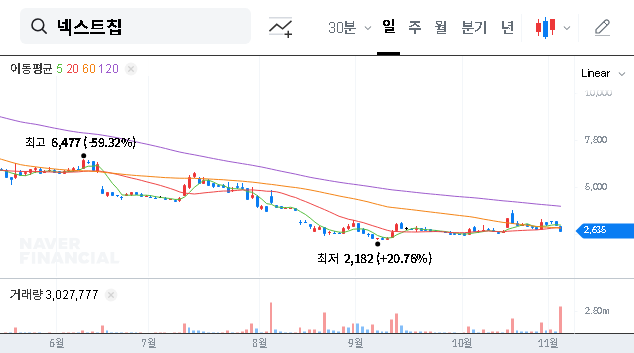
    On November 10, 2025, a pivotal development unfolded as Daishin Securities filed a ‘Report on the Status of Large Shareholdings.’ This report, submitted for simple investment purposes, confirmed their acquisition of Nextchip’s convertible bonds, resulting in a reported 9.21% stake. You can view the Official Disclosure on DART for complete details. Typically, when a reputable securities firm takes a notable position in a company, the market interprets it as a positive sign of underlying value. However, to truly understand the potential of Nextchip stock, we must look beyond this single event and scrutinize the company’s precarious financial foundation.

    Unpacking Nextchip’s Financial Crisis

    While the Daishin Securities news might spark short-term optimism, the reality for Nextchip Co., Ltd. is one of severe financial vulnerability. A clear-eyed view of its balance sheet reveals significant red flags that any prudent investor must consider.

    As of the first half of 2025, Nextchip is in a state of capital impairment, with total liabilities exceeding total assets. This is a critical warning sign regarding the company’s long-term solvency.

    Key Financial Weaknesses

    • Capital Impairment: With liabilities of KRW 46.64 billion surpassing assets of KRW 44.96 billion, the company is technically insolvent, a major concern for financial stability.
    • Persistent Losses: The company posted a significant operating loss of KRW 7.45 billion and a net loss of KRW 10.49 billion in H1 2025, continuing a troubling trend of unprofitability.
    • Declining Revenue: Sales have plummeted, with core products like automotive Image Signal Processors (ISP) and AHD solutions underperforming. New ventures in robotics and drones have yet to contribute meaningfully to the top line.

    Despite securing KRW 30 billion via convertible bonds in 2023 and a KRW 7.6 billion rights offering in 2025, these measures have been insufficient to resolve the deep-seated capital impairment issue. Continuous heavy investment in R&D, while necessary for future growth, further strains the company’s cash flow in the short term.

    Market Opportunity vs. Current Performance

    The irony for Nextchip Co., Ltd. is that it operates in sectors with immense growth potential. The disconnect between market opportunity and the company’s financial results is at the heart of the investment dilemma.

    High-Growth Automotive Semiconductors

    The market for automotive semiconductors is booming, fueled by the rapid adoption of Advanced Driver-Assistance Systems (ADAS) and the progression toward fully autonomous vehicles. Global safety mandates, such as Europe’s GSR II, are making features like driver monitoring and advanced cameras standard, creating sustained demand for Nextchip’s core technologies. For more context, you can read our Guide to Investing in the Semiconductor Sector.

    The Double-Edged Sword of Convertible Bonds

    Daishin’s investment was made through convertible bonds, a hybrid security that acts like a bond but can be converted into company stock. While this provides Nextchip with crucial funding, it presents a future risk. If Daishin converts these bonds to stock, it will increase the number of outstanding shares, potentially diluting the value for existing shareholders. Understanding how convertible bonds work is essential for any Nextchip stock investor. This mechanism adds another layer of volatility and is a key factor to monitor.

    Investor Action Plan: Navigating the Uncertainty

    Investing in Nextchip at this juncture is a high-risk, high-reward proposition. The involvement of Daishin Securities provides a glimmer of credibility, but it doesn’t erase the fundamental financial challenges. A prudent investment decision requires careful monitoring of several key areas.

    Key Monitoring Points:

    • Path to Profitability: Watch for tangible signs of operational turnaround, such as improved margins, cost controls, and rising sales revenue.
    • New Business Traction: Look for concrete revenue generation from the robotics and drone sectors, moving from potential to actual performance.
    • Daishin’s Next Moves: Closely track whether Daishin converts its bonds, sells its stake, or becomes more actively involved in the company’s strategy.
    • Capital Structure: Monitor for any additional fundraising efforts, as resolving the capital impairment is non-negotiable for long-term survival.

    Ultimately, investors must prioritize Nextchip’s fundamental recovery over short-term market hype. The road ahead is uncertain, but for those with a high tolerance for risk, the potential alignment with the growing automotive semiconductors market could offer significant upside if the company can navigate its financial crisis.

    Frequently Asked Questions (FAQ)

    Why did Daishin Securities invest in Nextchip Co., Ltd.?

    Daishin Securities acquired Nextchip’s Convertible Bonds for simple investment purposes. This suggests their analysis identified significant potential long-term value in the company, possibly tied to its technology and market position, despite its current financial state.

    What is Nextchip’s current financial status?

    As of H1 2025, Nextchip is in a state of capital impairment (liabilities exceed assets) and is experiencing continuous operating and net losses, along with a significant year-over-year decrease in sales revenue.

    How could the CB acquisition affect Nextchip’s stock price?

    In the short term, it may boost investor sentiment and the stock price. However, in the long term, if the bonds are converted to stock, it could lead to share dilution, potentially putting downward pressure on the stock price.
  • (195870) HAESUNG DS Q3 2025 IR & Earnings Call: A Deep Dive for Investors (195870)

    (195870) HAESUNG DS Q3 2025 IR & Earnings Call: A Deep Dive for Investors (195870)

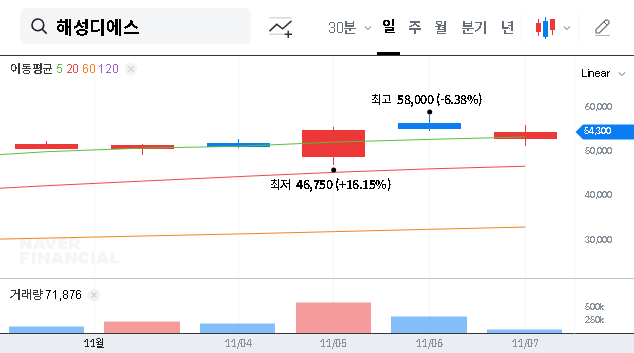
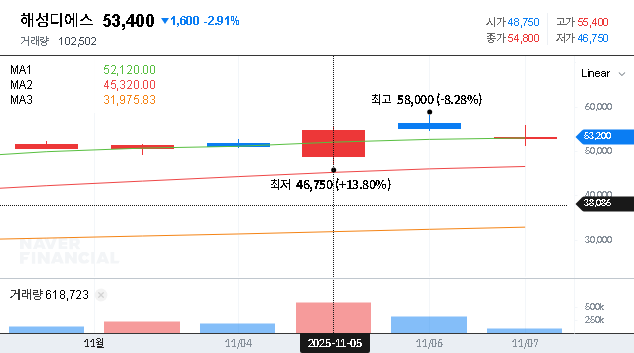
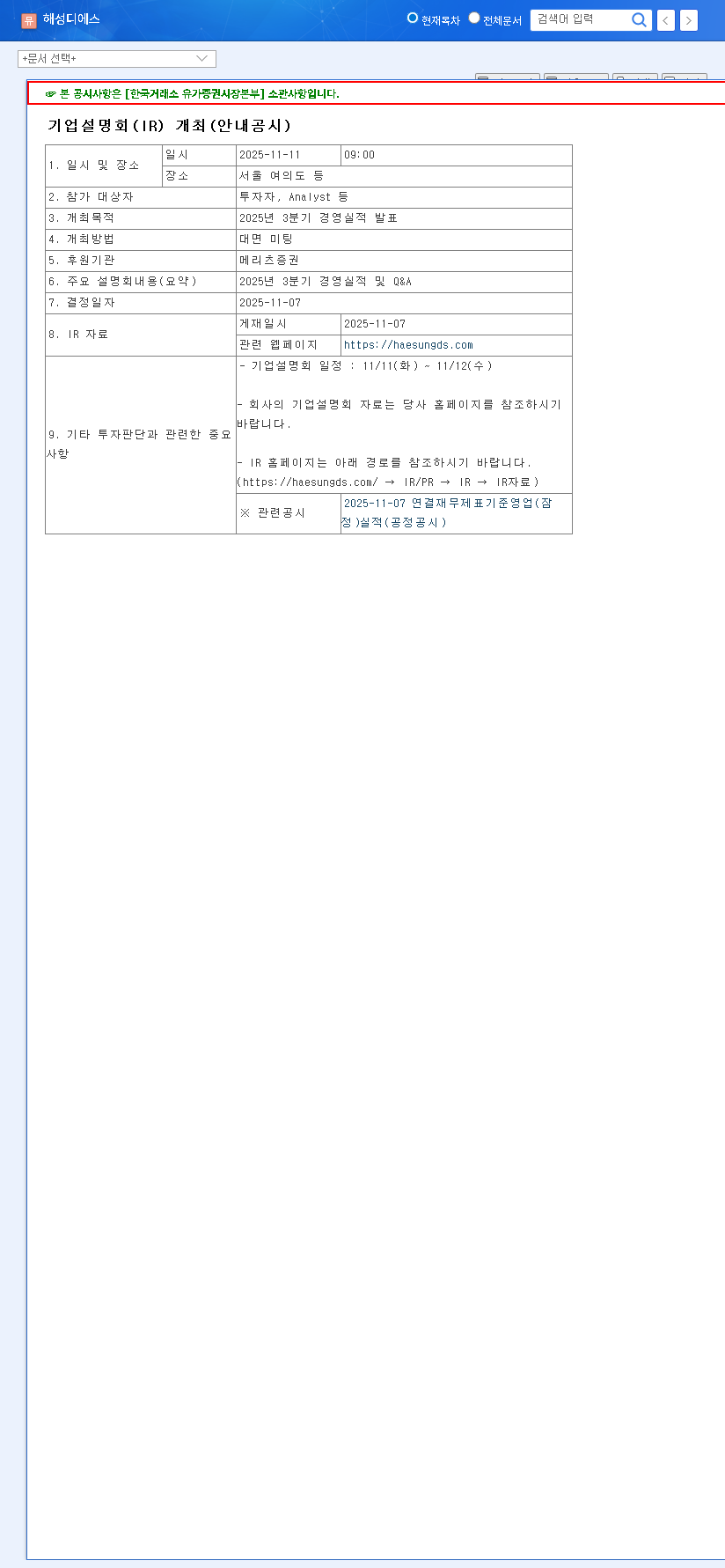
    The semiconductor industry is at a critical juncture, and all eyes are on HAESUNG DS Co.,Ltd. (195870) as it prepares for its pivotal HAESUNG DS Q3 2025 IR. The company has officially scheduled its Investor Relations (IR) conference to announce third-quarter earnings on November 11, 2025. This event is far more than a routine financial update; following a challenging first half of the year, this IR will serve as a crucial test of management’s strategy and the company’s resilience. Investors and market analysts are eagerly awaiting insights into the company’s future trajectory, particularly concerning its automotive semiconductor business and plans to combat rising costs.

    This comprehensive analysis will delve into the core fundamentals of HAESUNG DS, evaluate the key growth drivers and pressing challenges, and outline what investors should be listening for during the upcoming HAESUNG DS earnings call. We will provide a strategic roadmap to help you interpret the results and make informed decisions about your investment in HAESUNG DS stock.

    The Event: HAESUNG DS Q3 2025 IR Conference Details

    HAESUNG DS, a key player in the semiconductor packaging materials sector, will present its Q3 2025 performance and outlook on November 11, 2025, at 9:00 AM KST. The announcement comes at a time of heightened investor scrutiny due to a notable decline in revenue and profitability during the first half of 2025. The complete details of the event can be found in the Official Disclosure. This IR is a prime opportunity for the leadership team to restore market confidence and articulate a clear path forward.

    A Fundamental Look: Strengths and Weaknesses

    To understand the stakes of the upcoming investor relations event, we must first diagnose the company’s current financial health and strategic positioning based on recent performance.

    Positive Catalysts: The Growth Engine

    • Automotive Semiconductor Boom: The global shift to electric vehicles (EVs) and advanced driver-assistance systems (ADAS) is fueling unprecedented demand for automotive-grade semiconductors. As a leading supplier of lead frames, HAESUNG DS is perfectly positioned to capitalize on this secular growth trend, which many analysts believe is still in its early innings. For more context, you can explore broad semiconductor market forecasts.
    • Elite Customer Base & Tech Edge: The company boasts long-standing, stable relationships with global giants like Infineon, ST Microelectronics, and NXP. This blue-chip client roster, combined with proprietary technologies like PPF plating, creates a significant competitive moat.
    • Investing in the Future: Strategic investments in R&D and new facilities, particularly for its emerging graphene business, signal a clear commitment to securing long-term growth beyond its current core operations.

    Negative Headwinds: The Challenges Ahead

    • Recent Performance Dip: The decline in H1 2025 revenue and profitability cannot be ignored. The sluggishness in the Package Substrate division is a particular concern, requiring a clear turnaround strategy. We cover this topic in more detail in our guide to the role of package substrates.
    • Macroeconomic Pressures: Volatility in raw material prices (especially copper), coupled with currency exchange rate fluctuations, poses a direct threat to profit margins. Effective hedging and cost-management strategies are paramount.
    • Intensifying Competition: The lead frame market is not without its rivals. Aggressive pricing from Chinese competitors could erode market share and put downward pressure on profitability if not countered with superior technology and service.

    The upcoming HAESUNG DS Q3 2025 IR is more than a financial report; it’s a referendum on the company’s ability to navigate short-term headwinds and capitalize on its significant long-term opportunities in the automotive sector.

    Investor Action Plan: What to Watch For

    Given the mixed signals, a ‘wait-and-see’ approach is prudent. The current investment opinion is Neutral pending the outcomes and clarity provided in the IR. A rational investment decision can only be made after a thorough assessment of the conference. Here are the critical points to focus on:

    Key Questions for the HAESUNG DS Q3 2025 IR

    • Q3 Earnings Recovery: Did the company reverse the negative trend from the first half? Look for sequential and year-over-year revenue growth and margin improvement.
    • Automotive Division Momentum: How much did the automotive lead frame business contribute to the results? Management should provide concrete data and a strong outlook for this key segment.
    • Package Substrate Turnaround: What is the specific plan to revive the underperforming Package Substrate division? Vague promises won’t suffice; investors need a clear, actionable strategy.
    • Risk Management Clarity: How is the company mitigating the impact of volatile raw material costs and currency fluctuations?
    • Future Growth Roadmap: Are there concrete timelines and expected milestones for new ventures like the graphene business?

    Ultimately, the confidence and transparency of the management team during the Q&A session will be as important as the numbers themselves. Their ability to address concerns directly will be a major factor in shaping post-IR market sentiment for the HAESUNG DS stock.

    Disclaimer: This analysis is for informational purposes only and does not constitute investment advice. All investment decisions should be made at the investor’s own discretion and responsibility.

    (195870) HAESUNG DS Q3 2025 IR & Earnings Call: A Deep Dive for Investors (195870) 관련 이미지
  • (195870) HAESUNG DS Q3 2025 Earnings Analysis: A Deep Dive Into Their Stock & Future

    (195870) HAESUNG DS Q3 2025 Earnings Analysis: A Deep Dive Into Their Stock & Future

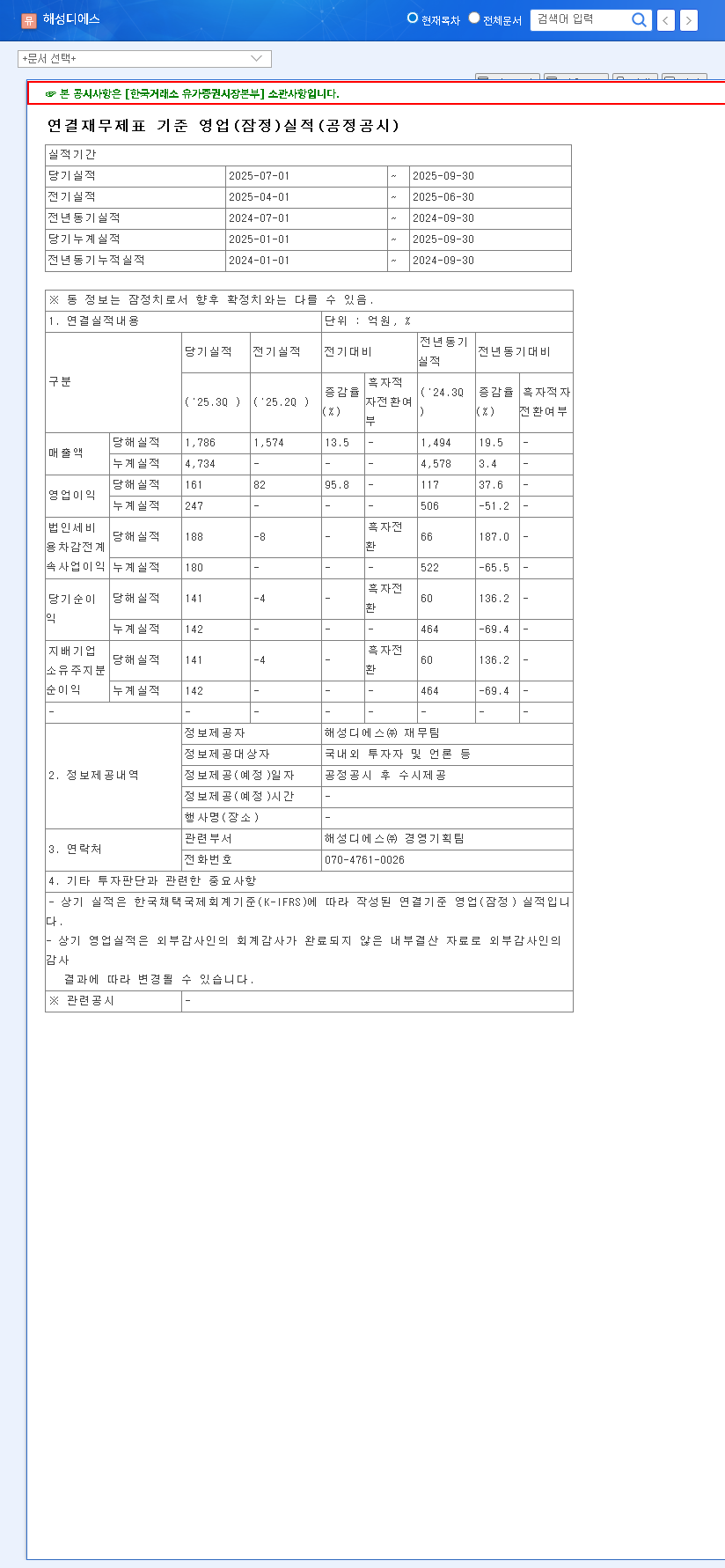
    The latest HAESUNG DS Q3 2025 earnings report has sent a strong positive signal across the semiconductor industry. HAESUNG DS Co.,Ltd. (195870), a pivotal South Korean semiconductor component manufacturer, announced preliminary results that not only recovered from a sluggish second quarter but decisively surpassed market expectations. This performance suggests more than a simple rebound; it could herald a broader semiconductor market recovery and ignite new growth momentum for the company.

    This comprehensive analysis will unpack the significance of this earnings surprise, exploring the underlying financial and business factors. We will examine what these robust results mean for investors and how they might shape future stock prices and investment strategies. Join us as we explore the current valuation and future potential of HAESUNG DS.

    HAESUNG DS Q3 2025 Earnings: A Decisive Beat

    HAESUNG DS announced its preliminary Q3 2025 results, showcasing a remarkable recovery that significantly outperformed consensus estimates. According to their Official Disclosure, the figures point to a successful turnaround from the slowdown experienced in the previous quarter.

    Key Financial Highlights:
    Sales Revenue: 178.6 billion KRW (+3% vs. estimate of 174.2B KRW)
    Operating Profit: 16.1 billion KRW (+18% vs. estimate of 13.6B KRW)
    Net Profit: 14.1 billion KRW (+26% vs. estimate of 11.2B KRW)

    The double-digit beats in operating and net profit are particularly noteworthy, signaling a profound improvement in profitability that goes beyond mere revenue growth. This suggests strong operational efficiency and a successful strategic focus.

    Core Drivers Behind the Strong Performance

    This impressive turnaround is not a temporary anomaly but the result of several converging positive factors within the company’s core business segments and strategic execution.

    Resurgence in Key Business Segments

    The recovery in revenue was powered by two primary areas:

    • Solid Growth in Lead Frames: The global demand for automotive semiconductors continues to surge, directly benefiting HAESUNG DS’s automotive lead frame business. As a market leader in this niche, the company capitalized on the expanding EV market and the increasing electronic content in modern vehicles.
    • Stabilization of Package Substrates: The decline in the package substrate segment, a key concern in the first half of the year, appears to have bottomed out. This stabilization, coupled with the lead frame growth, created a powerful dual engine for revenue generation.

    Mastery in Profitability and Cost Management

    The significant outperformance in profit margins points to successful internal initiatives. The company likely implemented a combination of efficient production cost management and an improved product mix, prioritizing high-margin products. By focusing on high-value offerings, HAESUNG DS effectively protected its bottom line even amidst volatile raw material prices, a testament to its operational strength.

    HAESUNG DS Stock Analysis & Investment Outlook

    The outstanding HAESUNG DS Q3 2025 earnings report is poised to have a significant impact on investor sentiment and the company’s valuation. However, a nuanced approach is required when considering both short-term and long-term investment horizons.

    Short-Term Momentum vs. Long-Term Fundamentals

    In the short term, this earnings surprise will likely act as a strong positive catalyst, attracting buying interest and potentially driving the stock price upward. For a deeper understanding of market dynamics, investors can review related articles on broader semiconductor industry trends.

    For a long-term HAESUNG DS stock analysis, investors must consider several key variables:

    • Sustainability: Is this a one-time rebound or the beginning of a sustained growth phase? Future earnings reports will be critical.
    • Financial Health: The strong Q3 performance will help offset the financial burdens from H1 investments, but diligent monitoring of the balance sheet is necessary.
    • External Risks: The company’s ability to navigate raw material price volatility (e.g., gold) and currency fluctuations remains a key determinant of long-term profitability.

    Future Growth Engines and Challenges

    While the current business is thriving, HAESUNG DS is also investing in next-generation technologies. The development of its graphene business is a key long-term growth driver. Graphene, a revolutionary material, has vast potential in electronics, and successful commercialization could open up significant new markets. For more on this material, authoritative sources like Graphene-Info provide excellent background.

    Moving forward, the key challenge for HAESUNG DS will be to maintain its Q3 momentum while managing investment efficiency and financial stability. The market will be closely watching for sustained recovery in the package substrate segment and continued dominance in the automotive lead frame market.

    Disclaimer: This analysis is based on publicly available information and is for informational purposes only. It is not intended as financial or investment advice. All investment decisions should be made based on the investor’s own research and judgment.

    (195870) HAESUNG DS Q3 2025 Earnings Analysis: A Deep Dive Into Their Stock & Future 관련 이미지
  • (054450) TelechipsInc. Earnings Shock (054450): Q3 2025 Analysis for Investors

    (054450) TelechipsInc. Earnings Shock (054450): Q3 2025 Analysis for Investors

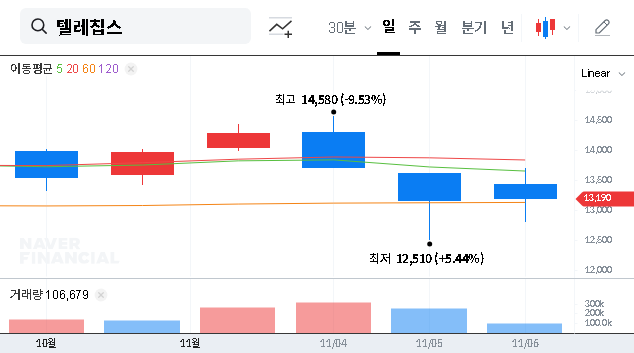
    The latest TelechipsInc. earnings report for Q3 2025 has sent ripples of concern through the investment community. On November 6, 2025, the automotive semiconductor firm TelechipsInc. (054450) released preliminary results that significantly missed market consensus, triggering what is commonly known as an ‘earnings shock.’ This event raises critical questions about the company’s operational health, growth trajectory, and the future of TelechipsInc. stock. For investors, understanding the depth of these issues is paramount to making informed decisions. This comprehensive analysis will dissect the TelechipsInc. Q3 2025 performance, explore the underlying causes, and outline the potential path forward for the company.

    Dissecting the TelechipsInc. Q3 2025 Earnings Shock

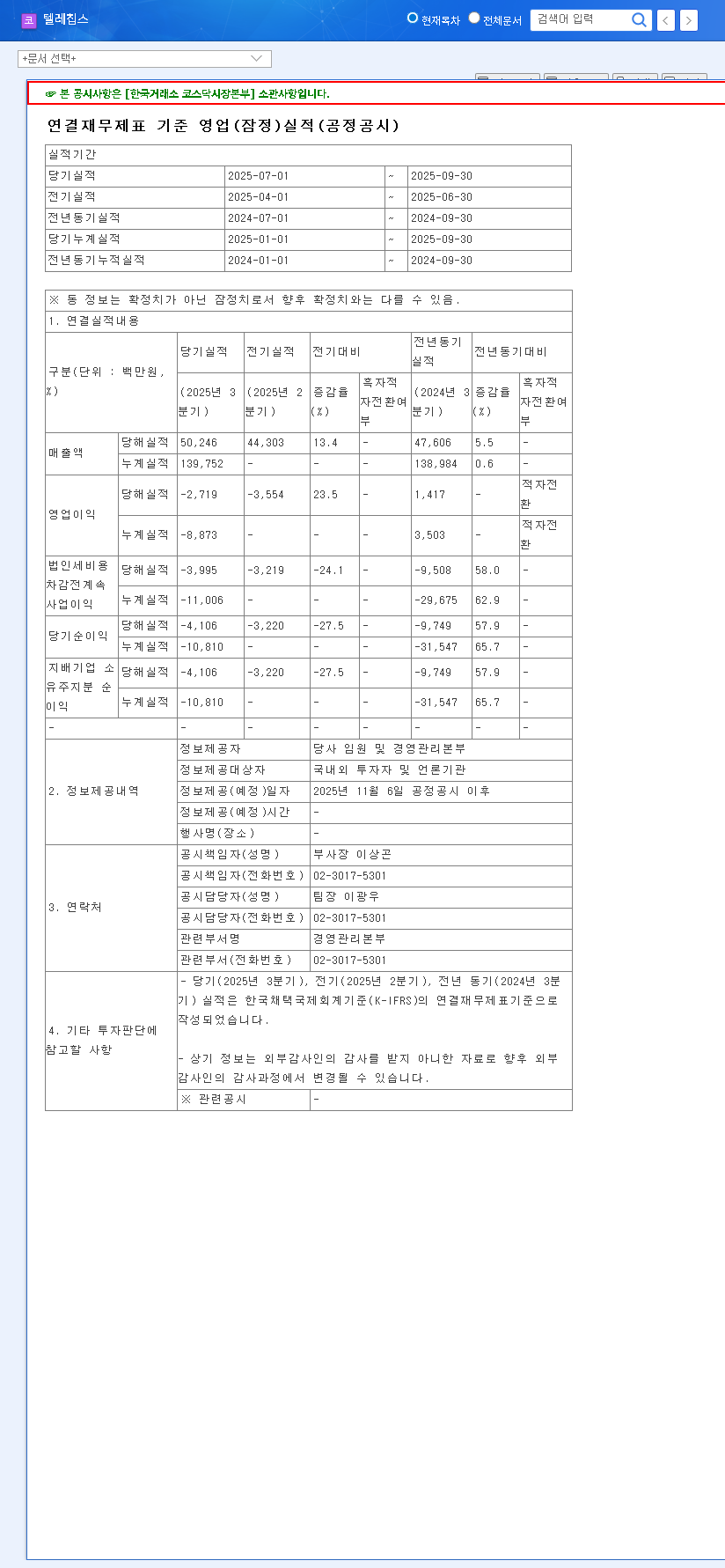
    An ‘earnings shock’ occurs when a company’s reported earnings are drastically different from Wall Street analysts’ expectations. In the case of the 054450 earnings, the deviation was not just a miss—it was a staggering plunge into the red. The preliminary consolidated financial results, which can be verified in the Official DART Disclosure, revealed severe underperformance.

    Here are the headline figures that alarmed the market:

    • Revenue: KRW 50.2 billion, which was 3% below the market estimate of KRW 51.6 billion.
    • Operating Profit: A loss of KRW -2.7 billion, a shocking 2800% below the consensus estimate of a KRW 0.1 billion profit.
    • Net Profit: A loss of KRW -4.1 billion, an even more dramatic 4200% below the estimated KRW 0.1 billion profit.

    The massive swing from an expected break-even or slight profit to substantial operating and net losses indicates deep-seated problems within TelechipsInc.’s operations and cost structure, moving far beyond a simple revenue shortfall.

    Unpacking the Deterioration: What Went Wrong?

    Understanding the drivers behind this poor performance is crucial. While a single quarter doesn’t define a company, the trend for TelechipsInc. earnings reveals an accelerating pattern of fundamental weakness that began earlier in the year.

    Slowing Growth and Plummeting Profitability

    Although Q3 revenue showed a marginal increase year-over-year, it failed to meet expectations, signaling that the company’s growth engine may be sputtering. More alarmingly, profitability metrics have fallen off a cliff. The operating loss of KRW -2.7 billion is a stark reversal from the KRW 1.4 billion profit recorded in Q3 2024. This points to a dual problem: decelerating revenue growth combined with a significant failure to control costs. Whether this is due to rising supply chain expenses, heavy R&D investment with delayed returns, or increased competition remains a key question for management to answer. For context on market-wide semiconductor trends, investors often consult sources like industry reports from major financial news outlets.

    A Troubling Quarterly Trend

    This isn’t an isolated incident. A look at the past few quarters shows a consistent decline. After posting operating profits in 2024, TelechipsInc. swung to an operating loss in Q1 2025, and those losses have persisted and, in some cases, widened. This trend suggests systemic issues rather than a one-off bad quarter. You can compare this with our analysis of TelechipsInc.’s Q2 2025 results to see the developing pattern.

    The Q3 report confirms a negative trend of deteriorating core profitability. The key concern for investors is the lack of visibility into when, or if, this trend can be reversed, which will undoubtedly weigh heavily on the TelechipsInc. stock price.

    Impact on Fundamentals and Stock Price Outlook

    The fallout from this earnings shock is expected to be significant, impacting both the company’s financial health and investor perception.

    • Worsening Financial Health: Sustained losses erode a company’s cash reserves and increase its reliance on debt. The company’s debt-to-equity ratio has already been climbing, from 92.27% in 2022 to an estimated 114.65% in 2024, and these losses will only exacerbate the issue.
    • Eroded Investor Confidence: Missing revenue targets casts doubt on growth prospects. Missing profit targets by such a wide margin destroys confidence in management’s ability to execute its strategy and control costs.
    • Intensified Stock Price Pressure: Poor fundamentals almost always translate to a lower stock price. The negative sentiment following these 054450 earnings will likely lead to analyst downgrades and selling pressure, accelerating the downward trend seen since 2020.

    The Path to Recovery: A Conservative Approach is Warranted

    For TelechipsInc. to regain investor trust and stabilize its stock, a clear and decisive turnaround plan is essential. Key areas of focus must include:

    Achieving Tangible Results in New Ventures

    The company has identified future growth engines like ADAS (Advanced Driver-Assistance Systems) and automotive gateways. It is now critical to demonstrate meaningful revenue and market share gains in these segments to prove its long-term strategy is viable.

    Implementing Strict Cost Controls

    Management must aggressively pursue cost efficiency measures to stop the financial bleeding. This includes optimizing the supply chain, reducing inefficient operational expenses, and ensuring that R&D spending is directly tied to commercially viable products.

    Providing a Clear Earnings Outlook

    Most importantly, the market needs visibility. TelechipsInc. must communicate a credible plan for returning to profitability. Without a clear roadmap and evidence of a turnaround in the upcoming Q4 results and 2026 guidance, investor sentiment will likely remain deeply negative.

    In conclusion, the TelechipsInc. Q3 2025 results are a significant red flag. Until the company can demonstrate a clear and sustainable path back to profitability and growth, a highly conservative and cautious investment approach is strongly advised.

    (054450) TelechipsInc. Earnings Shock (054450): Q3 2025 Analysis for Investors 관련 이미지
  • (108320) LX Semicon Q3 2025 Earnings Analysis: Pivoting to Automotive Semiconductors

    (108320) LX Semicon Q3 2025 Earnings Analysis: Pivoting to Automotive Semiconductors

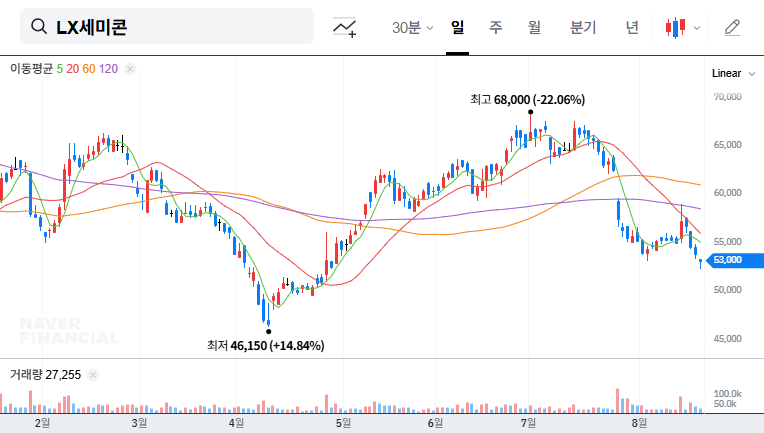
    As LX Semicon Co., Ltd. prepares for its Q3 2025 earnings call on November 4, 2025, the investment community is keenly watching. This report offers a comprehensive analysis of the key factors shaping the company’s future, focusing on the critical LX Semicon earnings performance and its strategic pivot towards the high-growth automotive semiconductors market. While facing headwinds in the traditional display sector, the company is laying the groundwork for a significant transformation. This analysis will dissect the financials, explore new growth engines, and identify the crucial questions that need answers during the upcoming investor relations (IR) event.

    The official announcement for the IR event can be viewed in the company’s public filing. (Source: Official Disclosure).

    Q3 2025 Preview: Beyond the Numbers

    The Q3 2025 LX Semicon earnings report will be a pivotal moment. While the display market’s volatility has impacted recent performance, the long-term story is about diversification and strategic repositioning. Investors should look beyond the headline revenue and profit figures to understand the progress being made in new, more profitable ventures.

    “Our future growth is inextricably linked to our success in the automotive sector. We are not just entering a new market; we are building a new foundation for LX Semicon’s long-term value and resilience.”

    Fundamental Analysis: A Tale of Two Businesses

    The Legacy Business: Display Driver ICs

    The first half of 2025 saw revenue of KRW 854.8 billion and an operating profit of KRW 69.9 billion, a decline attributed to a challenging display market. However, LX Semicon’s core display driver IC business remains a strong cash generator with deep technological expertise. The ongoing industry shift to OLED technology presents a continuous opportunity. Despite the cyclical nature of this market, the company’s financial health is robust, with a remarkably low debt-to-equity ratio of 32.6%, providing a stable platform for investment in new areas.

    The Growth Engine: LX Semicon’s Automotive Semiconductor Strategy

    The most exciting part of LX Semicon’s story is its aggressive push into automotive semiconductors. This is not a minor diversification but a fundamental strategic pivot. The global electric vehicle (EV) market is expanding at an exponential rate, and with it, the demand for sophisticated electronics. LX Semicon is targeting two key areas:

    • Microcontroller Units (MCUs): These are the ‘brains’ of modern vehicles, controlling everything from infotainment systems to powertrain management. LX Semicon’s expertise in complex IC design gives it a credible entry point into this lucrative market.
    • Thermal Substrates: As EVs become more powerful, managing heat is critical for performance and safety. The thermal substrate business, which began mass production in April 2025, is a key enabler for high-power electronics and is poised for significant growth.

    Investment Thesis: Key Factors to Monitor

    For investors evaluating semiconductor stocks, understanding both the opportunities and risks is vital. Here’s a breakdown of what to watch in the upcoming earnings call, a topic we also covered in our previous semiconductor market analysis.

    Positive Catalysts

    • New Business Traction: Any announcement of new design wins, partnerships, or a faster-than-expected ramp-up in the thermal substrate and MCU businesses could significantly boost investor confidence.
    • Financial Resilience: The company’s low debt and stable financial footing allow it to weather market cycles and invest in R&D for long-term growth.
    • Favorable Macro Tailwinds: As a 99% exporter, a strong USD against the KRW can provide a positive tailwind to reported revenues and profitability.

    Potential Risks

    • Display Market Weakness: A prolonged downturn in the display market could continue to drag on overall financial performance, masking progress in new ventures.
    • Customer Concentration: A significant portion of revenue (over 10%) comes from two major customers, creating concentration risk if those relationships sour.
    • Execution Risk: The transition to automotive semiconductors is complex and capital-intensive. Delays in mass production or failure to secure key automotive clients could hinder the growth narrative.

    Conclusion: The Road Ahead for Investors

    The Q3 2025 LX Semicon earnings announcement is more than a financial report; it’s a progress report on a company in transformation. While short-term price action may be tied to whether results beat or miss consensus, long-term value will be determined by the execution of its automotive semiconductors strategy. Investors should scrutinize management’s commentary on the production schedules, customer pipeline, and market outlook for its new growth engines. LX Semicon is at a crucial juncture, and this IR event will provide the clearest view yet of the road ahead.

    (108320) LX Semicon Q3 2025 Earnings Analysis: Pivoting to Automotive Semiconductors 관련 이미지
  • (332570) Pentastone Electronics Exchange Claim: A Deep Dive on Stock Impact & Future Growth

    (332570) Pentastone Electronics Exchange Claim: A Deep Dive on Stock Impact & Future Growth

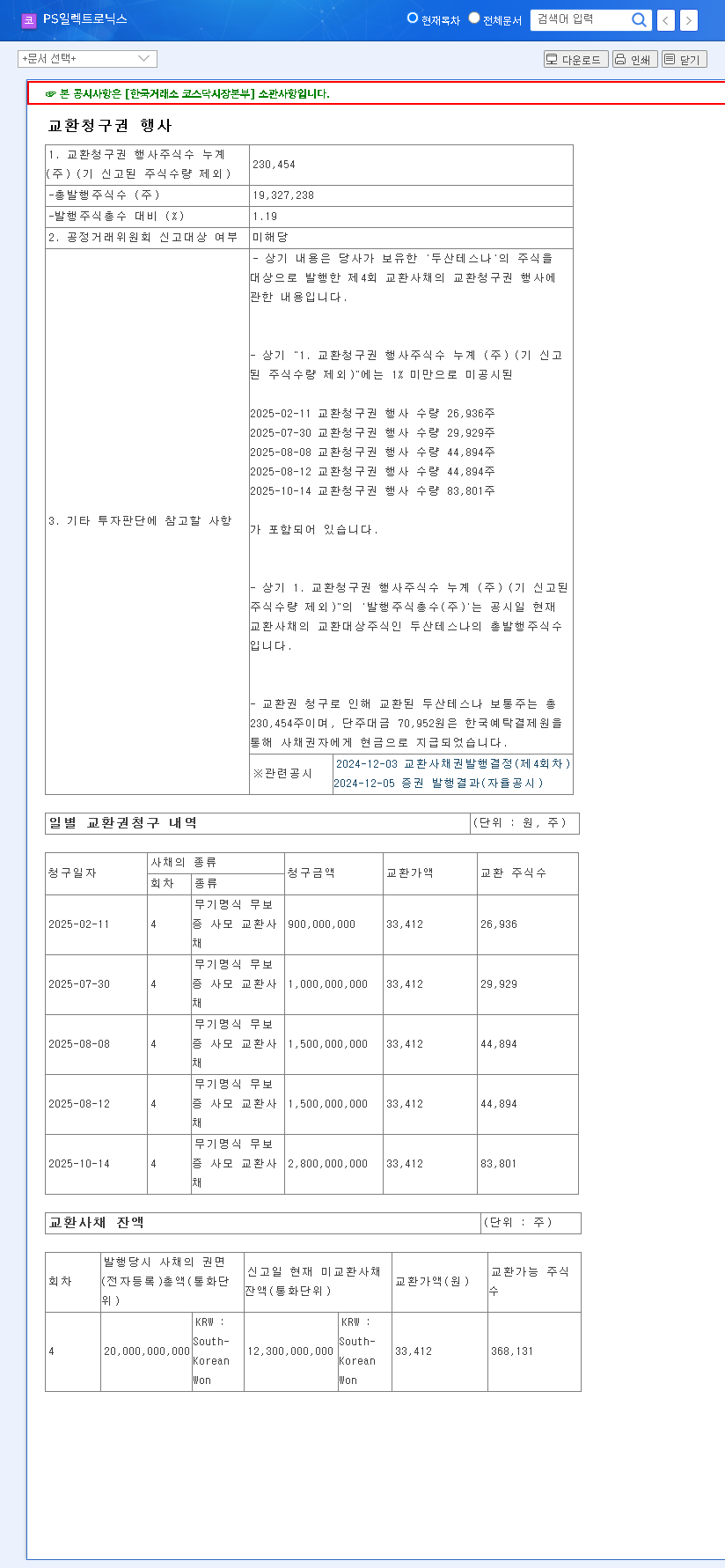
    The recent Pentastone Electronics exchange claim announcement on October 14, 2025, has sent ripples through the investment community. With 230,454 shares entering the market, immediate concerns about stock dilution are understandable. However, a deeper analysis reveals a more nuanced story—one of strategic capital restructuring and a pivot towards high-growth sectors. This report provides a comprehensive breakdown of the event, its true impact on the Pentastone Electronics stock, and the burgeoning potential in its new business ventures.

    We’ll move beyond the headlines to examine the company’s fundamental health, the critical disparity between the conversion and current stock prices, and the powerful growth engines in smart factory automation and automotive RF FEMs. This analysis will equip investors with the insights needed to navigate the short-term noise and identify long-term opportunities.

    Decoding the Pentastone Electronics Exchange Claim

    On October 14, 2025, Pentastone Electronics filed an official disclosure regarding the exercise of exchange claims. In simple terms, this means investors who held the company’s convertible bonds chose to convert that debt into company stock. The key details are as follows:

    • Total Shares Converted: 230,454 (representing 1.19% of market capitalization)
    • Uniform Conversion Price: 33,412 KRW
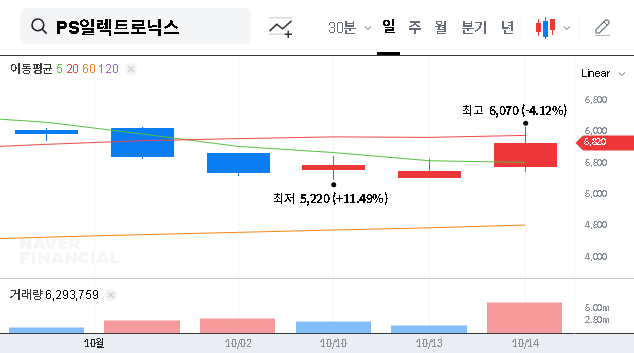
    • Stock Price (as of Oct 14): 5,820 KRW
    • Official Disclosure: Source

    The most critical detail is the vast difference between the conversion price (33,412 KRW) and the market price (5,820 KRW). This signals that the conversion was not a move for immediate profit-taking, but rather a strategic, long-term alignment by bondholders with the company’s future.

    Fundamental Analysis: Strengths and Weaknesses

    Understanding the Pentastone Electronics exchange claim requires looking at the company’s core financial and operational health. The capital raised from these original bonds was earmarked for growth, and now we can assess the results.

    Positive Catalysts: Fueling Future Growth

    • Smart Factory & Diversification: The acquisition of Youngjin Hitech Co., Ltd. propelled Pentastone into the high-growth smart factory automation market. This sector, which integrates IoT and AI into manufacturing, is poised for massive expansion as industries globally seek efficiency gains. You can read more about this market’s potential in this Gartner report on industrial automation.
    • Explosive RF Component Growth: The company’s core business in RF Front-End Modules (FEMs) is thriving. Revenue from automotive RF FEMs surged an incredible 112.9% year-over-year, driven by the proliferation of connected vehicles and 5G technology.
    • Return to Profitability: Pentastone achieved an operating profit of 3.64 billion KRW in the first half of 2025, a significant turnaround demonstrating the success of its diversification and cost management strategies.

    Risk Factors & Headwinds

    • Elevated Debt Ratio: Despite the conversion, the debt-to-equity ratio remains high at 82.2%. Managing this leverage is crucial for long-term financial stability.
    • Inventory Management: A decreased inventory turnover of 1.6 times raises concerns about potential valuation losses and efficiency.
    • Macroeconomic Pressures: As an exporter, Pentastone is vulnerable to foreign exchange volatility (USD/KRW) and rising global interest rates, which could impact margins and costs.

    Impact Analysis: Short-Term vs. Long-Term Outlook

    The primary effect of the Pentastone Electronics exchange claim is the conversion of debt into equity. This fundamentally strengthens the balance sheet but also increases the number of outstanding shares.

    Short-Term: Minimal Dilution, Increased Scrutiny

    Concerns about stock dilution are valid, but the impact here is expected to be limited. The 1.19% increase in outstanding shares is not substantial. More importantly, because the conversion price is so far above the market price, there is no incentive for these new shareholders to sell and create downward pressure. The main short-term effect will be increased market attention on the company’s strategic direction.

    Mid-to-Long-Term: A Bet on Growth

    The long-term outlook is where the story gets exciting. By converting debt to equity, Pentastone improves its financial health, lowers its debt-to-equity ratio, and solidifies its capital base for future investments. The success of this move hinges entirely on the performance of its new growth engines. If the smart factory automation and automotive RF FEM businesses continue their current trajectory, the value created will far outweigh the minor share dilution. For more on this, check out our deep dive into the automotive RF FEM market.

    Investor Takeaway: A Strategic ‘Hold’

    Pentastone Electronics is at a pivotal moment. The company possesses powerful growth drivers but must navigate significant financial and macroeconomic risks. The exchange claim exercise should be viewed as a positive structural adjustment, not a red flag.

    Our recommendation is a ‘Hold’ or ‘Watch’. Investors should closely monitor the following key points in upcoming quarterly reports:

    • Revenue and profit contribution from the smart factory division.
    • Sustained growth momentum in the automotive RF FEM market share.
    • Tangible progress in reducing the overall debt-to-equity ratio.
    • Strategies for managing inventory and mitigating currency risks.

    Successful execution in these areas could unlock significant value, making the current Pentastone Electronics stock price an attractive entry point for long-term investors.

    (332570) Pentastone Electronics Exchange Claim: A Deep Dive on Stock Impact & Future Growth 관련 이미지
  • (054450) Telechips SoC Contract (₩77.2B): A Deep Dive for Investors

    (054450) Telechips SoC Contract (₩77.2B): A Deep Dive for Investors

    The Telechips SoC contract, a monumental deal valued at ₩77.2 billion, has sent ripples through the automotive semiconductor market. For Telechips, a leading South Korean fabless company, this agreement represents more than just a significant revenue boost; it’s a potential turning point after a challenging first half in 2025. This contract, accounting for over 41% of its projected 2024 revenue, serves as a powerful testament to its technological leadership in System on Chip (SoC) design.

    This in-depth analysis will dissect the Telechips SoC contract, evaluate its profound impact on the company’s fundamentals, and explore the strategic considerations for investors. We will weigh the opportunities against the potential risks to provide a comprehensive outlook on this pivotal development.

    Deconstructing the Landmark Telechips SoC Contract

    On October 10, 2025, Telechips publicly disclosed the single largest sales and supply contract in its recent history. The scale and nature of this agreement are critical to understanding its future impact. A System on Chip (SoC) is an integrated circuit that combines all major components of a computer or electronic system into a single chip, crucial for modern vehicle intelligence.

    Key Contract Details

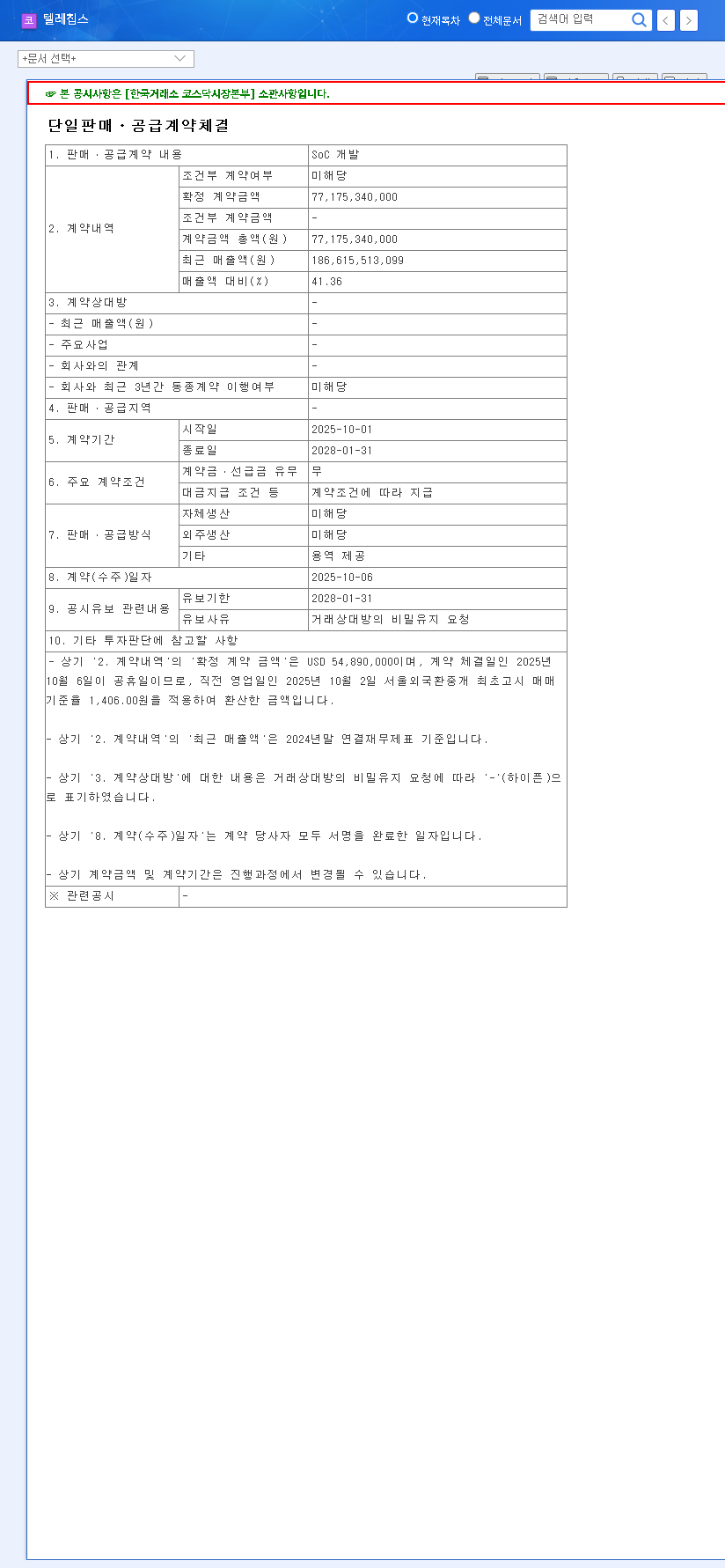
    • Contract Value: ₩77.2 billion
    • Contract Type: Automotive SoC Development & Supply
    • Duration: October 1, 2025 – January 31, 2028 (28 months)
    • Revenue Impact: Represents 41.36% of estimated 2024 annual revenue
    • Official Disclosure: The details have been made public via an Official Disclosure (DART Source).

    The contract’s focus on SoC development is particularly significant, as it solidifies Telechips’ position at the forefront of the high-growth automotive technology sector, specifically in Advanced Driver-Assistance Systems (ADAS) and in-vehicle infotainment (IVI).

    This contract is not just a financial windfall; it’s a strategic validation of Telechips’ R&D direction and a critical step towards securing long-term, predictable revenue streams in a volatile market.

    Positive Impacts on Fundamentals and Growth

    For a company that faced headwinds in early 2025, this deal is a powerful catalyst for a fundamental rebound. Here’s how the Telechips investment thesis is strengthened:

    1. Revenue Stability & Top-Line Growth

    The ₩77.2 billion will be recognized over the 28-month contract period, providing a stable and predictable revenue foundation. This helps insulate the company from short-term market fluctuations and provides a clear path to reversing the sales decline observed previously. It allows for better long-term financial planning and resource allocation.

    2. Reinforcing Core Competencies

    This project centers on ADAS and IVI, the brain of the modern vehicle. Successfully executing this contract will enhance Telechips’ intellectual property and expertise, making it a more attractive partner for global automakers. This aligns perfectly with the explosive growth in the automotive semiconductor market, which demands increasingly complex chips.

    3. Path to Improved Profitability

    Large, long-term contracts can lead to significant economies of scale in R&D and production. By absorbing fixed costs more efficiently, Telechips has a clear opportunity to improve its operating margins, which had been under pressure. This could be the momentum needed for a sustainable earnings rebound.

    Risks and Investor Considerations

    While overwhelmingly positive, a thorough Telechips stock analysis requires acknowledging potential risks. Prudent investors should keep the following factors in mind:

    • Execution Risk: Developing cutting-edge SoCs is complex. Delays or cost overruns could impact profitability. The undisclosed nature of the counterparty also adds a layer of uncertainty regarding the partnership’s stability.
    • Margin Pressure: While the deal offers scale, it is crucial to monitor if the underlying factors that previously impacted profitability (e.g., high R&D spend, competitive pricing) are effectively managed throughout the contract’s lifecycle.
    • Macroeconomic Factors: The global semiconductor industry is subject to geopolitical tensions, supply chain disruptions, and currency fluctuations. As noted in recent market intelligence reports, these external factors can influence costs and demand.

    Investor Action Plan & Future Outlook

    The Telechips SoC contract undoubtedly brightens the company’s outlook. For investors, the key is to monitor the execution and its translation into financial performance.

    Key Metrics to Watch:

    • Gross & Operating Margins: Look for quarter-over-quarter improvements as revenue from the contract begins to flow.
    • R&D Expenses: Ensure research and development costs remain disciplined relative to the new revenue scale.
    • Future Announcements: Watch for news on the counterparty or additional design wins that build on this momentum.

    In conclusion, this contract is a significant de-risking event for Telechips. It provides a clear growth runway and reaffirms its competitive edge in the high-value automotive semiconductor space. While diligent monitoring is essential, the deal marks a compelling opportunity for investors to re-evaluate the company’s long-term potential.

    (054450) Telechips SoC Contract (₩77.2B): A Deep Dive for Investors 관련 이미지
  • Nextchip (396270) Announces 243 Billion Won Rights Offering: A Sign of Recovery or Another Crisis?


    Nextchip (396270) Announces 243 Billion Won Rights Offering: A Sign of Recovery or Another Crisis? 대표 차트 이미지


    Nextchip Announces 243 Billion Won Rights Offering: What Happened?

    On September 2, 2025, Nextchip announced a rights offering to raise 243 billion won. The funds will be used for operating expenses (51 billion won) and debt repayment (192 billion won). Market attention is focused on whether this rights offering will be a lifeline for Nextchip, which is on the brink of collapse.

    Why Did Nextchip Decide on a Rights Offering?

    Nextchip is currently facing a severe financial crisis, with complete capital impairment. In the first half of 2025, sales decreased by 44% year-on-year, and the company recorded an operating loss of 74 billion won. The rights offering appears to be an unavoidable measure to resolve the liquidity crisis caused by soaring current liabilities and alleviate the pressure of repaying maturing convertible bonds.

    What Impact Will the Rights Offering Have on Nextchip?

    Positive aspects: In the short term, the influx of 243 billion won will alleviate the liquidity crisis and reduce debt burden. It can also help maintain business continuity and R&D investment.

    Negative aspects: Share dilution due to the increase in the number of outstanding shares is inevitable. Also, a rights offering in a state of capital impairment can lead to a decline in investor confidence. If the funds raised are not used efficiently or if the new business fails, the financial crisis could deepen.

    What Should Investors Check?

    • Use of funds plan: Closely monitor whether the funds are efficiently used for operating expenses and debt repayment.
    • Convertible bond risk management: Check for countermeasures against the maturity of convertible bonds and the possibility of early redemption requests.
    • New business performance: Continuously check the performance of new businesses, such as entry into the automotive semiconductor, robot, and drone markets.
    • Financial structure improvement: Continuously monitor the improvement trend in the financial structure after the rights offering.

    Nextchip’s rights offering may help secure short-term liquidity, but it has limitations in solving fundamental problems. Investors should carefully consider the risk factors and make a prudent judgment on the possibility of the company’s turnaround.


    Frequently Asked Questions (FAQ)

    How will Nextchip’s rights offering affect the stock price?

    Generally, a rights offering leads to a share dilution effect due to the increased number of outstanding shares. There is a high possibility of a short-term stock price decline, but the long-term impact will depend on the use of the funds raised and the company’s performance improvement.

    Should I invest in Nextchip’s rights offering?

    Currently, Nextchip is in a state of complete capital impairment, carrying high investment risks. Investment decisions should be made carefully, considering the use of funds plan, the possibility of financial structure improvement, and the performance of new businesses.

    Is there a possibility of Nextchip’s recovery?

    The possibility of Nextchip’s recovery depends on how efficiently the funds raised are used and whether visible results can be achieved in new businesses. Although there are positive factors such as the growth of the automotive semiconductor market, the situation is highly uncertain.


    Nextchip (396270) Announces 243 Billion Won Rights Offering: A Sign of Recovery or Another Crisis? 관련 이미지
    Nextchip (396270) Announces 243 Billion Won Rights Offering: A Sign of Recovery or Another Crisis? 관련 이미지


  • Nextchip’s Rights Offering: A Lifeline or a Dilution Risk?

    Nextchip's Rights Offering: A Lifeline or a Dilution Risk? 대표 차트 이미지

    1. Decoding Nextchip’s Rights Offering

    Nextchip announced a rights offering on September 1, 2025, aiming to raise about 1 billion KRW. The offering price is set at 3,700 KRW, representing a substantial discount to the current market price. This move aims to partially address the company’s capital impairment and secure operating funds.

    2. The Rationale: A Deep Dive into Capital Impairment

    Nextchip is currently grappling with severe capital impairment. Despite future growth potential, its financial difficulties threaten the company’s very existence. The rights offering seeks to partially alleviate this impairment and secure funds for R&D and business expansion.

    3. Impact on Investors: Weighing the Pros and Cons

    • Positive Aspects: Short-term liquidity relief, potential for improved financial structure
    • Negative Aspects: Share dilution due to the low offering price, limited impact on resolving fundamental financial issues, potential need for further fundraising

    While downward pressure on the stock price is expected in the short term, the company’s long-term growth potential should be considered.

    4. Investor Action Plan: Navigating the Uncertainty

    • Existing Shareholders: Carefully evaluate participation in the rights offering
    • Potential Investors: Explore opportunities for bargain purchases during potential price drops, closely monitor financial improvement trends and business performance

    Nextchip’s future remains uncertain. Investment decisions should be made cautiously and based on thorough due diligence.

    Q: Should I participate in Nextchip’s rights offering?

    A: Existing shareholders should carefully consider the potential share dilution due to the low offering price. Instead of blindly participating, thoroughly analyze the company’s long-term growth prospects and financial health.

    Q: Is Nextchip a good investment right now?

    A: Nextchip is currently facing severe capital impairment. Before making any investment decisions, closely monitor the company’s efforts to improve its financial situation and business performance, and fully acknowledge the risks involved.

    Nextchip's Rights Offering: A Lifeline or a Dilution Risk? 관련 이미지
    Nextchip's Rights Offering: A Lifeline or a Dilution Risk? 관련 이미지
  • Haesung DS IR Analysis: Q2 2025 Earnings and Future Outlook

    Haesung DS IR Analysis: Q2 2025 Earnings and Future Outlook 대표 차트 이미지

    1. Haesung DS Q2 Earnings and Key Issues

    Haesung DS reported KRW 294.9 billion in revenue and KRW 8.6 billion in operating profit for the first half of 2025, reflecting a challenging period. Declining PC and server markets impacted package substrate sales, and rising raw material prices contributed to decreased profitability. However, leadframe sales benefited from increasing demand for automotive semiconductors, and the company is actively pursuing new growth engines like graphene technology.

    2. Key IR Takeaways and Investor Expectations

    Investors are looking for concrete explanations of the Q2 results and positive signals regarding future prospects. Specifically, they seek clarity on strategies to reverse declining profitability, progress in graphene development, and plans to capitalize on the growing automotive semiconductor market.

    3. Investment Implications and Key Checkpoints

    • Carefully analyze the IR presentation to assess changes in fundamentals and growth potential.
    • Examine the company’s specific plans for improving profitability and their feasibility.
    • Continuously monitor external factors, including intensifying competition in the leadframe market, the pace of semiconductor market recovery, and growth trends in the automotive semiconductor market.
    • Evaluate Haesung DS’s ability to manage potential risks, such as raw material price fluctuations, exchange rate volatility, and financial burdens.

    This IR meeting will be a crucial indicator of Haesung DS’s future. Investors should carefully analyze the information presented and reassess their investment strategies accordingly.

    What are Haesung DS’s main businesses?

    Haesung DS primarily manufactures leadframes (79%) and package substrates (21%), key components in semiconductors. The company holds a strong position in the automotive semiconductor leadframe market.

    How has Haesung DS been performing recently?

    The company reported KRW 294.9 billion in revenue and KRW 8.6 billion in operating profit for the first half of 2025, showing a trend of declining sales and profitability. However, the increasing demand for automotive semiconductors is a positive factor.

    What is the outlook for Haesung DS?

    The global semiconductor market recovery and growth in the automotive semiconductor market are positive, but intensifying competition in the leadframe market and raw material price volatility warrant caution. The company’s efforts to secure new growth engines like graphene technology are crucial.

    Haesung DS IR Analysis: Q2 2025 Earnings and Future Outlook 관련 이미지
    Haesung DS IR Analysis: Q2 2025 Earnings and Future Outlook 관련 이미지