A significant development has emerged for investors in SAMSUNG E&A CO.,LTD, as the company now faces a major international arbitration request from a key Thai client. This news introduces a new layer of uncertainty, prompting questions about the potential ramifications for the company’s financial health and the performance of SAMSUNG E&A stock. This article provides a comprehensive analysis of the SAMSUNG E&A arbitration, delving into the core issues, potential impacts, and strategic considerations for current and prospective investors.
The Heart of the Matter: The Arbitration Claim
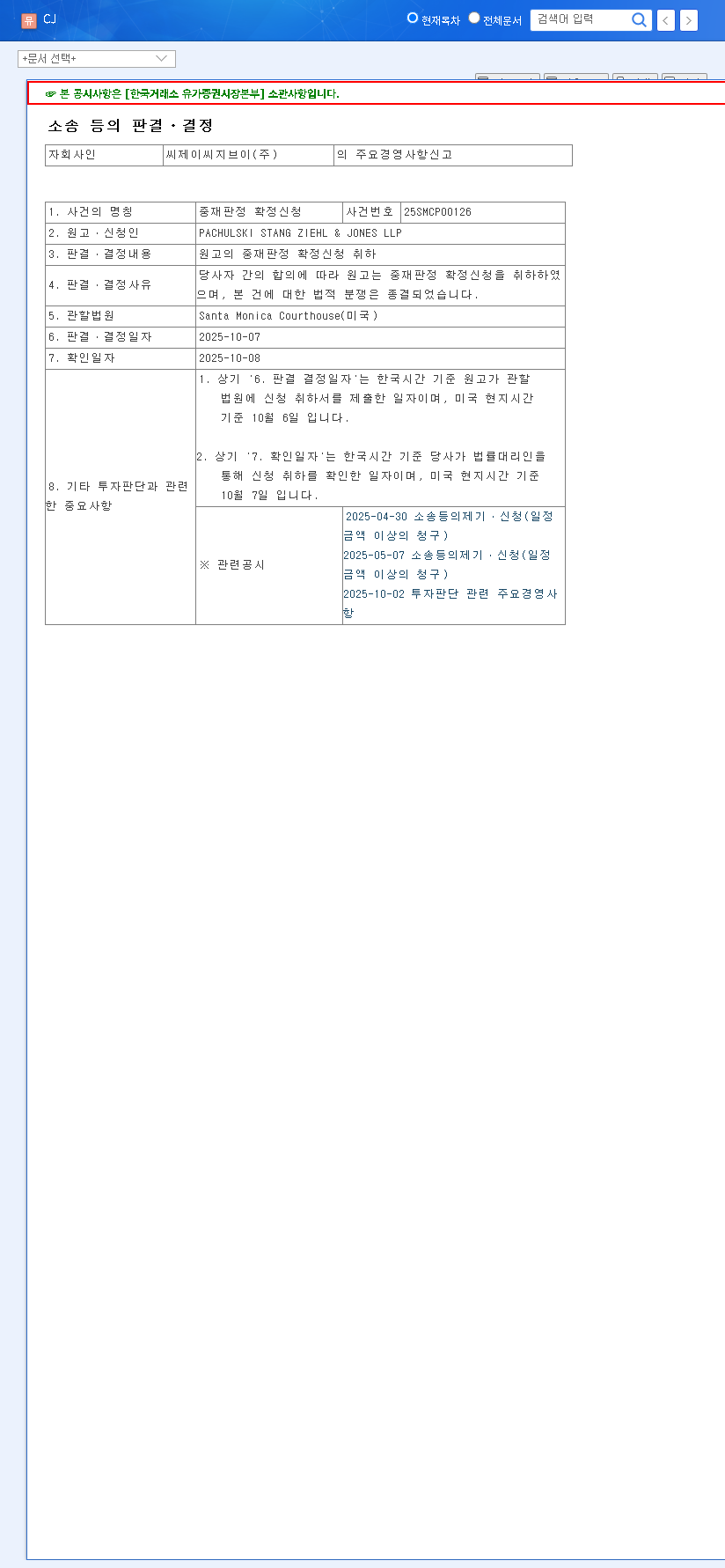
SAMSUNG E&A CO.,LTD officially announced that it has received a request for arbitration from Thai Oil Public Limited Company (TOP). The dispute centers on the large-scale Clean Fuels Project (CFP) in Thailand, a significant undertaking for both parties. The core of the claim involves TOP seeking damages for what it alleges are remaining construction costs and a loss of profit resulting from the project’s termination. The proceedings are slated to be held at the prestigious Singapore International Arbitration Centre, a common venue for major international commercial disputes.
The information regarding this legal challenge was disclosed by the company to ensure transparency with the market. You can view the complete filing directly from the source. Official Disclosure (DART).
While the arbitration request does not halt SAMSUNG E&A’s core operations, it casts a significant shadow of financial and reputational uncertainty that investors cannot afford to ignore. The final outcome could set a precedent for how the market views the company’s project execution capabilities.
Analyzing the Potential Impacts on SAMSUNG E&A
The Thai Oil arbitration poses a multi-faceted threat to SAMSUNG E&A. Understanding each potential area of impact is crucial for a complete risk assessment.
1. Direct Financial Exposure
The most immediate risk is financial. A ruling in favor of the claimant could force SAMSUNG E&A CO.,LTD to pay substantial damages. As the specific claim amount has yet to be finalized, a cloud of uncertainty hangs over the company’s balance sheet. This potential liability could strain cash reserves, impact profitability, and affect the company’s ability to fund future projects. Legal fees and associated costs will also add to the financial burden, regardless of the outcome.
2. Reputational and Business Risk
In the global Engineering, Procurement, and Construction (EPC) industry, reputation is paramount. A protracted and public dispute can damage a company’s credibility and client trust. This SAMSUNG E&A arbitration could make it more challenging to secure new large-scale overseas contracts, as potential clients may become warier of project execution risks. The outcome will be closely watched by competitors and partners alike.
3. Impact on SAMSUNG E&A Stock
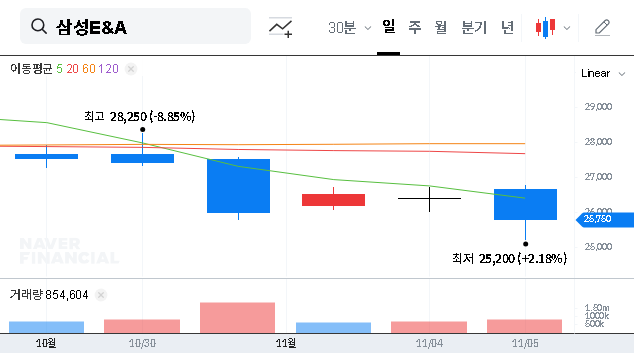
Markets dislike uncertainty. With no clear analyst consensus on the company’s outlook, this arbitration news is a significant negative catalyst. We can anticipate heightened volatility for SAMSUNG E&A stock as investor sentiment sours. The share price is likely to remain under pressure until there is more clarity on the potential financial damages and the company’s mitigation strategy. This period of ambiguity can lead to a sell-off from risk-averse investors.
Macroeconomic Factors Magnifying the Risk
The current global economic climate further complicates the situation for SAMSUNG E&A. Several external factors could exacerbate the financial strain from the arbitration:
- •High KRW/USD Exchange Rate: A weaker won against the dollar increases the cost of imported materials and could inflate the real value of any potential damages awarded in foreign currency.
- •Elevated Interest Rates: Persistently high interest rates in the US and Korea increase corporate borrowing costs. This makes managing any large, unexpected financial payout from the arbitration more challenging.
- •Volatile Commodity Prices: Fluctuations in oil and material prices create an unfavorable and unpredictable environment for the entire EPC industry, adding another layer of operational risk. For further reading, industry analysis from sources like Reuters can provide broader context.
Strategic Outlook and Investor Action Plan
Given the circumstances, a prudent and cautious approach is warranted. Investors should actively monitor developments and consider the following steps. This situation is a reminder of the inherent risks in the sector, a topic we cover more deeply in our article on Understanding EPC Project Risks.
- •Monitor Disclosures: Pay close attention to all official company announcements and regulatory filings related to the arbitration proceedings.
- •Re-evaluate Risk: Assess how this new potential liability fits within your investment portfolio’s risk tolerance.
- •Wait for Clarity: Until the scope of the financial damages becomes clearer, the risk-to-reward ratio for SAMSUNG E&A stock appears unfavorable. A period of observation may be the wisest course of action.
Frequently Asked Questions (FAQ)
What is the core issue of the SAMSUNG E&A arbitration?
The arbitration was initiated by Thai Oil Public Limited Company over the Clean Fuels Project (CFP). They are claiming damages for project termination, including remaining construction costs and lost profits.
How significant is the potential financial impact?
The financial impact is currently unknown but could be substantial. An unfavorable ruling could negatively affect SAMSUNG E&A’s cash flow and overall financial health. The uncertainty itself is a major risk factor for investors.
What is the likely effect on SAMSUNG E&A’s stock price?
The news is a negative catalyst that is expected to weaken investor sentiment and potentially lead to a decline in the stock price. Increased volatility is likely until the arbitration outcome is resolved.