Tag: AprilBio

  • AprilBio’s Convertible Bond Exercise: Impact on Investors


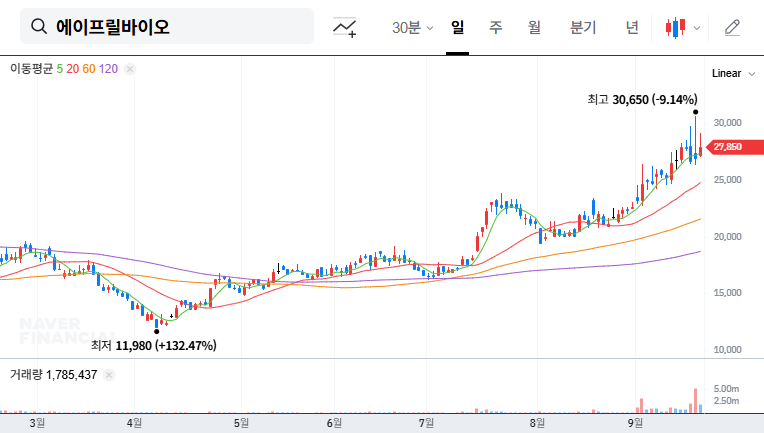
    AprilBio's Convertible Bond Exercise: Impact on Investors 대표 차트 이미지


    AprilBio’s Convertible Bond Exercise Explained

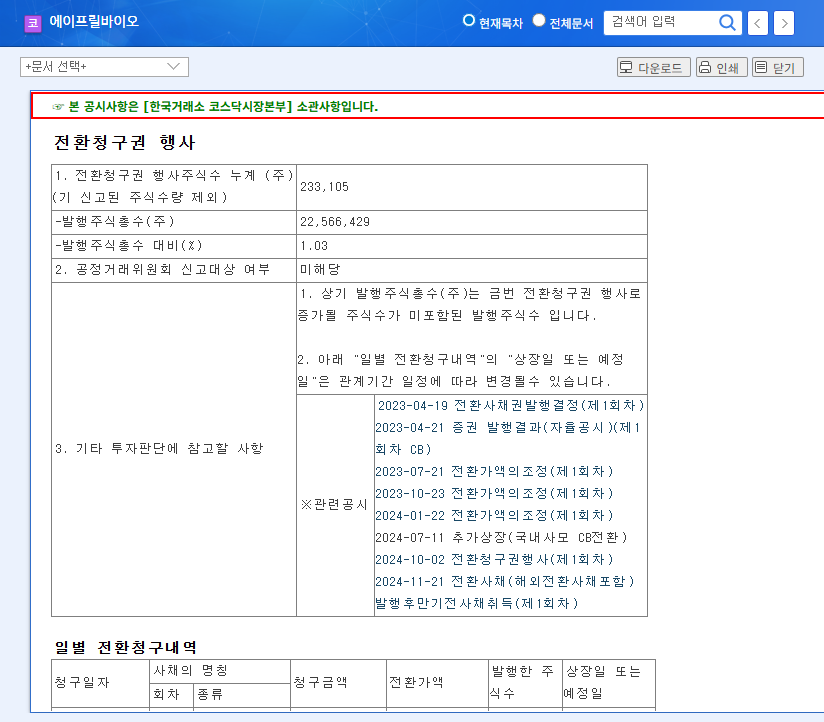
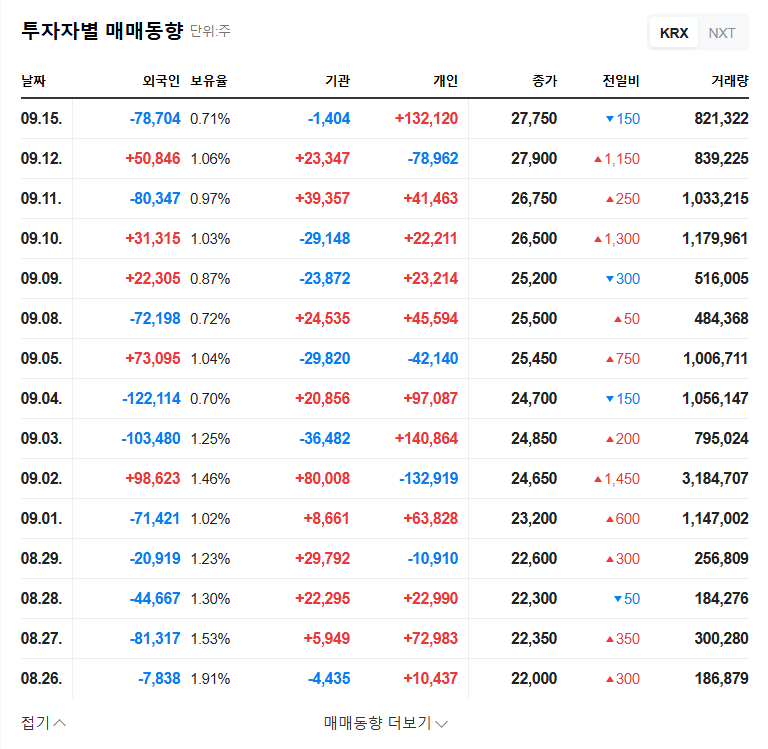
    On September 18, 2025, AprilBio announced the exercise of its first convertible bond (CB). This signifies that CB holders have opted to convert their bonds into shares, resulting in the issuance of 233,105 new shares, representing approximately 1.03% of the company’s market capitalization. The conversion price is set at ₩12,828, significantly higher than the current stock price of ₩234.

    Why is the Convertible Bond Exercise Important?

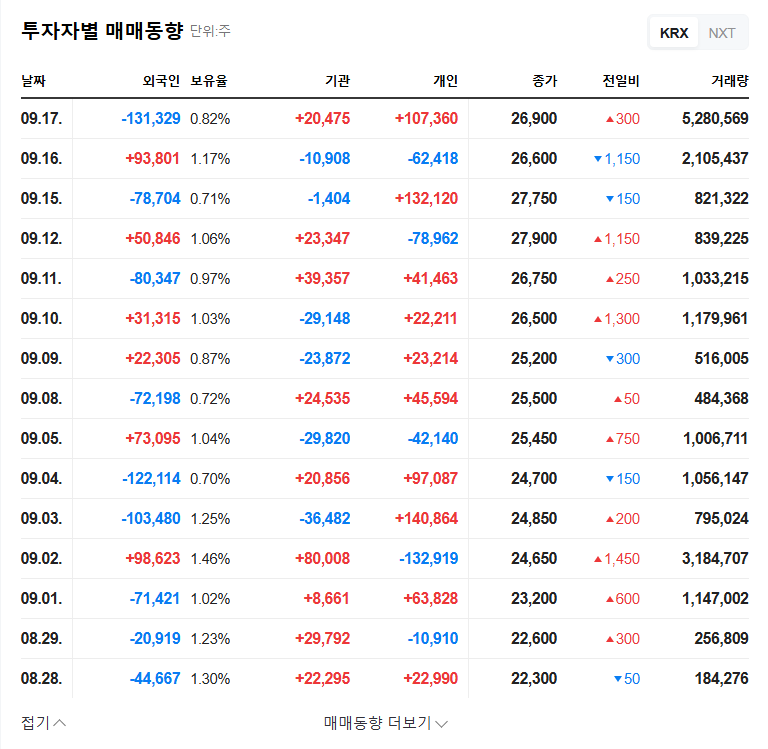
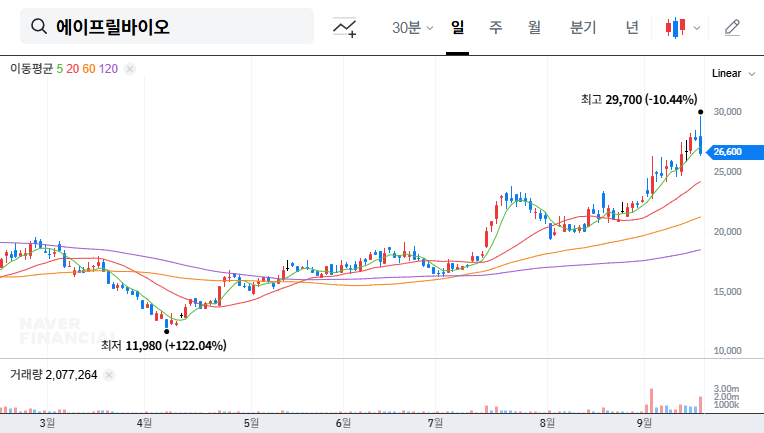
    The exercise of convertible bonds can lead to a dilution effect, decreasing the value of existing shares. Additionally, the substantial gap between the current stock price and the conversion price may negatively impact investor sentiment. However, the relatively small number of shares issued compared to the market capitalization and the fact that this reflects the decisions of existing CB holders suggest that the market impact might be limited.

    What Should Investors Do?

    • Short-term perspective: Concerns about dilution could increase stock price volatility. Maintaining a cautious stance and monitoring the market situation is advisable.
    • Long-term perspective: AprilBio’s core value lies in its innovative SAFA platform technology and promising pipeline. Investment decisions should be based on a long-term view, considering clinical trial results, new licensing agreements, and other positive business outcomes.

    Key Pipeline and Future Outlook

    AprilBio boasts a diverse pipeline, including APB-A1 for autoimmune diseases (licensed to Lundbeck) and APB-R3 for inflammatory diseases (licensed to Evommune Inc.). Future clinical progress and licensing agreements are expected to significantly influence the stock price. Furthermore, investors should monitor the company’s collaborations with global pharmaceutical companies and its efforts to improve its financial health.


    FAQ

    Does the exercise of convertible bonds only have a negative impact on the stock price?

    Not necessarily. While there are short-term concerns about dilution, the company’s fundamentals and growth potential have a greater long-term impact on the stock price.

    What is AprilBio’s core technology?

    It’s the SAFA (Serum Albumin Fab-Associated) platform technology, which extends the serum half-life of therapeutic proteins, reducing the frequency of administration and improving efficacy.

    What should investors be cautious about?

    It’s crucial to carefully review clinical trial results, licensing agreement outcomes, and financial health, making investment decisions from a long-term perspective.


    AprilBio's Convertible Bond Exercise: Impact on Investors 관련 이미지
    AprilBio's Convertible Bond Exercise: Impact on Investors 관련 이미지


  • AprilBio Stock Forecast: Major Shareholder Stake Changes and Their Impact


    AprilBio Stock Forecast: Major Shareholder Stake Changes and Their Impact 대표 차트 이미지


    1. What Happened? Changes in AprilBio’s Shareholder Structure

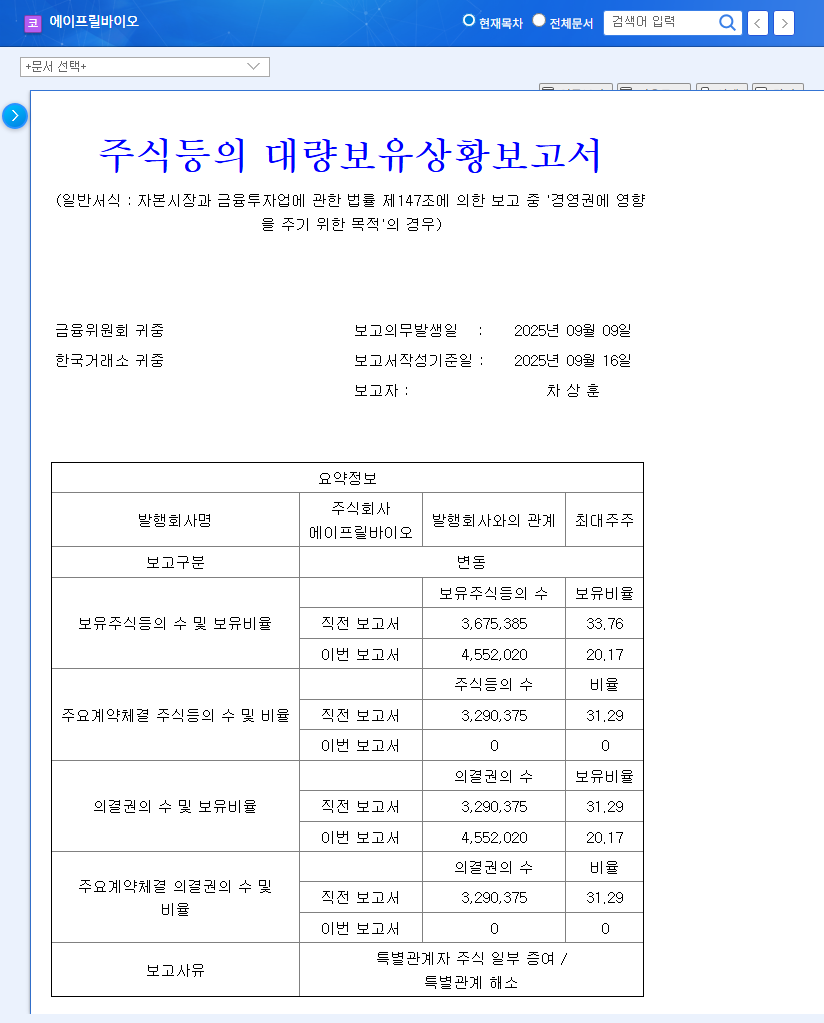
    The stake held by CEO Sang-Hoon Cha and related parties decreased from 33.76% to 20.17%. This was due to gifts within the family and some over-the-counter sales by related parties. This is interpreted as a part of personal asset management or tax planning rather than a weakening of management control. However, the future movements of major shareholders require continuous monitoring.

    2. Why is it Important? Potential for Short-Term Stock Volatility

    The decrease in the stake of major shareholders may have a negative impact on the stock price in the short term. However, if there is no significant change in the company’s fundamentals, this impact is expected to be limited.

    3. AprilBio’s Corporate Value: Fundamental Analysis

    AprilBio is a promising new drug development company based on SAFA platform technology. Technology transfer agreements with global pharmaceutical companies such as Lundbeck and Evommune demonstrate the company’s technological prowess. The clinical development results of key pipelines such as APB-A1 and APB-R3 will be the key drivers of future stock prices.

    4. What Should Investors Do? Action Plan

    • Continuous monitoring of major shareholder changes: Pay attention to the reasons for stake changes and future moves of Sang-Hoon Cha and other related parties.
    • Focus on clinical development results of key pipelines: Focus on announcements regarding the clinical results of APB-A1 and APB-R3.
    • Monitoring macroeconomic and industry trends: Establish an investment strategy by considering interest rate fluctuations and global bio market trends.


    FAQ

    Does the decrease in CEO Sang-Hoon Cha’s stake signify a change in management?

    Currently, it’s not an immediate threat to management, but it’s necessary to monitor future changes.

    What is AprilBio’s core technology?

    It is developing new drugs with advantages such as increased half-life and low immunogenicity based on the SAFA platform technology.

    What are AprilBio’s main pipelines?

    These include APB-A1 (autoimmune diseases) and APB-R3 (inflammatory diseases), which are currently in clinical development.

    What are the precautions for investing in AprilBio?

    Clinical development results and changes in major shareholder stakes should be closely monitored. It should be noted that bio investment has high growth potential but also carries risks.


    AprilBio Stock Forecast: Major Shareholder Stake Changes and Their Impact 관련 이미지
    AprilBio Stock Forecast: Major Shareholder Stake Changes and Their Impact 관련 이미지


  • AprilBio H1 2025 Earnings Analysis: Licensing Success and Future Growth Potential

    1. AprilBio H1 2025 Earnings Analysis: What Happened?

    AprilBio recorded revenue of KRW 2.172 billion (a 90.5% decrease YoY), an operating loss of KRW 2.657 billion, and a net loss of KRW 2.499 billion in H1 2025. The revenue decline is attributed to the recognition of most of the milestone payments from the previous year’s licensing agreement in 2024. However, the global licensing agreements and clinical progress of key pipelines APB-A1 (autoimmune disease) and APB-R3 (inflammatory disease) are positive developments.

    2. Positive Factors Despite Revenue Decline: Why Does it Matter?

    Despite the short-term revenue decline, the licensing agreements validate the competitiveness of the SAFA platform technology and contribute to securing future R&D investment resources. High liquidity (KRW 86.806 billion in cash and short-term financial assets) and a low debt ratio (8.23%) demonstrate financial stability, enabling continued R&D investment.

    3. AprilBio’s Future: What’s Next?

    The clinical progress of APB-A1 and APB-R3, the possibility of additional licensing agreements, and the development of next-generation platform technology (REMAP) are key factors that will determine AprilBio’s future growth. Investors should pay particular attention to the results of the Phase 1b clinical trial for APB-A1 and the Phase 2 clinical trial for APB-R3.

    4. Key Information for Investors: What Actions Should Be Taken?

    AprilBio has high growth potential, but the uncertainties inherent in drug development must be considered. Investors should continuously monitor clinical results, licensing performance, and changes in the market environment, and make prudent investment decisions.

    What is AprilBio’s core technology?

    The SAFA platform technology extends the half-life of protein therapeutics, reducing the frequency of administration and enhancing efficacy.

    What are AprilBio’s main pipelines?

    APB-A1 (autoimmune disease treatment) and APB-R3 (inflammatory disease treatment) are the main pipelines.

    How was AprilBio’s H1 2025 performance?

    AprilBio recorded revenue of KRW 2.172 billion (a 90.5% decrease YoY), an operating loss of KRW 2.657 billion, and a net loss of KRW 2.499 billion.