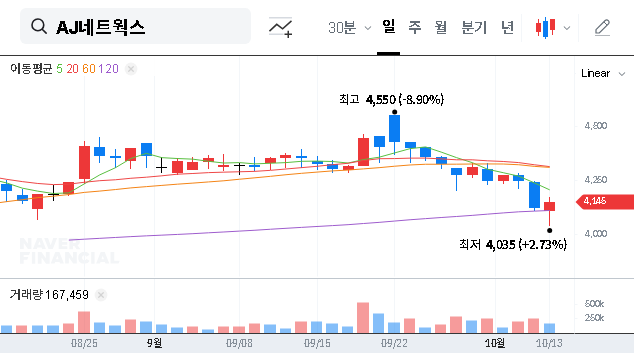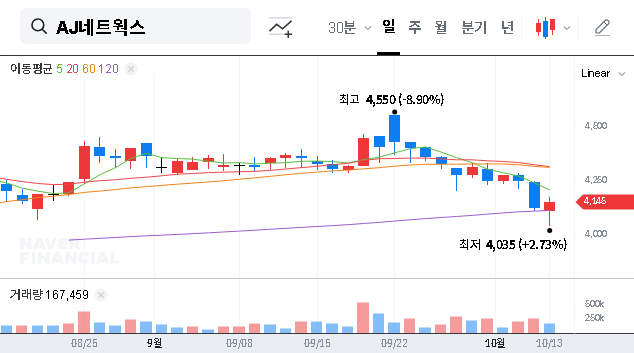
This comprehensive AJ Networks stock analysis delves into the recently disclosed major shareholding report, a key event capturing the attention of the investment community. While the increase in management’s stake seems minor on the surface, it warrants a closer look. We will explore what this move signifies for investor confidence, examine the current state of AJ Networks fundamentals, and assess the broader macroeconomic environment to provide a clear investor outlook and strategic insights.
Deconstructing the AJ Networks Shareholding Report
On October 28, 2025, AJ Networks Co., Ltd. filed a Major Shareholding Status Report, revealing subtle but important shifts in ownership. The changes were driven by open-market purchases by special affiliate Shin Ki-yeon, acting in concert with representative reportee Moon Deok-young. You can view the complete filing in the Official Disclosure (DART). Here are the key takeaways:
- •Previous Shareholding: 55.84%
- •New Shareholding: 55.93%
- •Net Change: A modest increase of 0.09 percentage points (33,849 shares).
- •Stated Purpose: The shares are explicitly held for the purpose of influencing management, signaling a strong commitment to the company’s direction.
An increase in the management stake, even a small one, is often interpreted as a bullish signal. It suggests that those with the most intimate knowledge of the company believe its shares are undervalued and have confidence in its future growth trajectory.
Current State of AJ Networks Fundamentals
A thorough AJ Networks stock analysis must look beyond shareholding changes and into the core health of the business. The company presents a mixed but compelling picture based on its 2025 half-year report.
Positive Catalysts & Strengths
- •Diversified Rental Portfolio: AJ Networks is successfully expanding beyond its #1 position in aerial work platforms into high-growth areas like IT devices, industrial safety equipment, and even robotics. This diversification mitigates risk and opens new revenue streams.
- •Solid Financial Footing: With a consolidated debt-to-equity ratio of a healthy 93.2% and a return to positive operating cash flow, the company’s financial structure is stable and can support future growth initiatives.
- •Global Expansion: Strategic overseas expansion, particularly through its U.S. subsidiary (AJ Rental, Inc.), is a positive long-term driver for global competitiveness and revenue diversification.
Negative Factors & Potential Headwinds
- •Profitability Squeeze: Despite sales growth, consolidated operating profit and net income have declined. This points to margin pressure, potentially from increased competition or operational inefficiencies that need to be addressed.
- •Underperforming Subsidiaries: The overseas subsidiaries in the U.S. and Vietnam are currently a drag on profitability. A clear turnaround strategy for these units is a critical challenge for management.
- •Competitive Landscape: The equipment rental market has low barriers to entry, leading to intense competition. AJ Networks must continuously innovate to differentiate its services and protect its market share.
Macroeconomic Environment: The Broader Context
No company operates in a vacuum. The following macroeconomic factors could significantly impact the investor outlook for AJ Networks:
- •Rising Interest Rates: With benchmark rates climbing globally (e.g., US Fed rate at 4.25-4.50%), borrowing costs for capital-intensive businesses like AJ Networks will increase, potentially impacting profitability and investment plans. For more on this, see analysis from sources like Bloomberg.
- •Currency Volatility: Fluctuations in the EUR/KRW and USD/KRW exchange rates directly affect the profitability of overseas operations and the cost of imported equipment.
- •Energy & Logistics Costs: Elevated crude oil prices can increase operational expenses, particularly for the company’s logistics and distribution segments.
Investment Strategy and Final Recommendations
The AJ Networks shareholding report is a vote of confidence from management. However, its immediate impact on stock price is likely to be muted. The market will be looking for tangible proof that the company can overcome its profitability challenges. For a deeper understanding of the sector, you might also read our guide on How to Analyze the Equipment Rental Market.
Investors should adopt a strategy of cautious optimism. The core business is stable, but the headwinds are real. Long-term success will hinge on management’s ability to execute its growth and efficiency plans.
- •Monitor Key Metrics: Pay close attention to quarterly earnings reports, focusing on operating margins, the performance of overseas subsidiaries, and cash flow generation.
- •Track Insider Activity: Any further share acquisitions by management could serve as a powerful leading indicator of their confidence in the company’s turnaround efforts.
- •Assess Macro Trends: Keep an eye on the macroeconomic indicators discussed above, as they will create either tailwinds or headwinds for the company’s performance.
Disclaimer: This analysis is for informational purposes only and does not constitute investment advice. The ultimate responsibility for investment decisions rests with the individual investor.