Tag: Agriculture

  • (002100) KYUNGNONG CORPORATION (002100) Stock Analysis: Insider Buying & Future Growth

    (002100) KYUNGNONG CORPORATION (002100) Stock Analysis: Insider Buying & Future Growth

    An investment analysis of KYUNGNONG CORPORATION (002100) reveals a compelling story, highlighted by recent insider share acquisitions that signal strong management confidence. When executives like CEO Yong-jin Lee increase their personal stake, it often speaks louder than any press release. But is this confidence justified by the company’s fundamentals? This comprehensive analysis will explore the significance of this move, dissect the performance of Kyungnong’s core business segments, evaluate its financial health, and outline a strategic outlook for potential investors.

    This isn’t just a minor stock purchase; it’s a powerful declaration from the management team about their belief in KYUNGNONG CORPORATION’s long-term value and commitment to stable, responsible governance.

    Insider Buying: A Closer Look at the Numbers

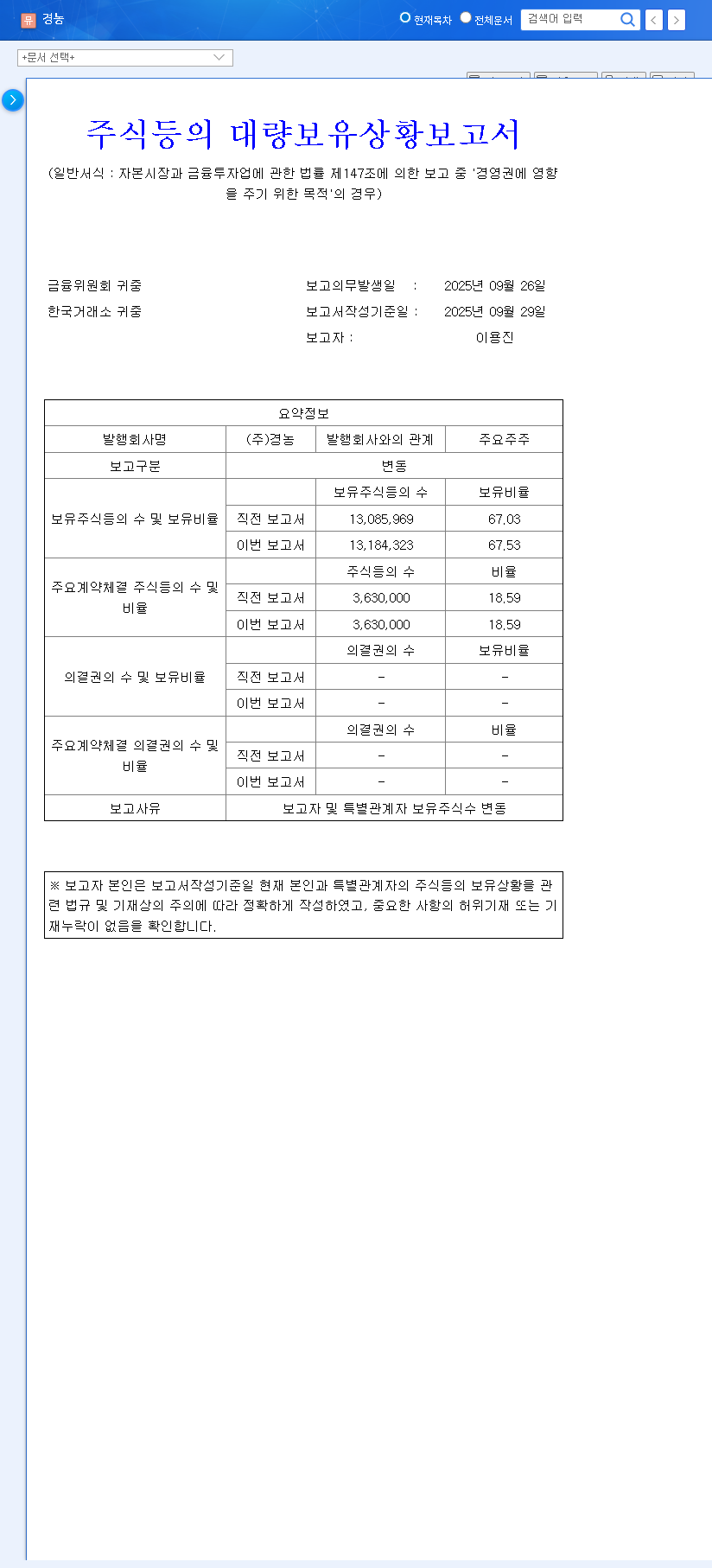
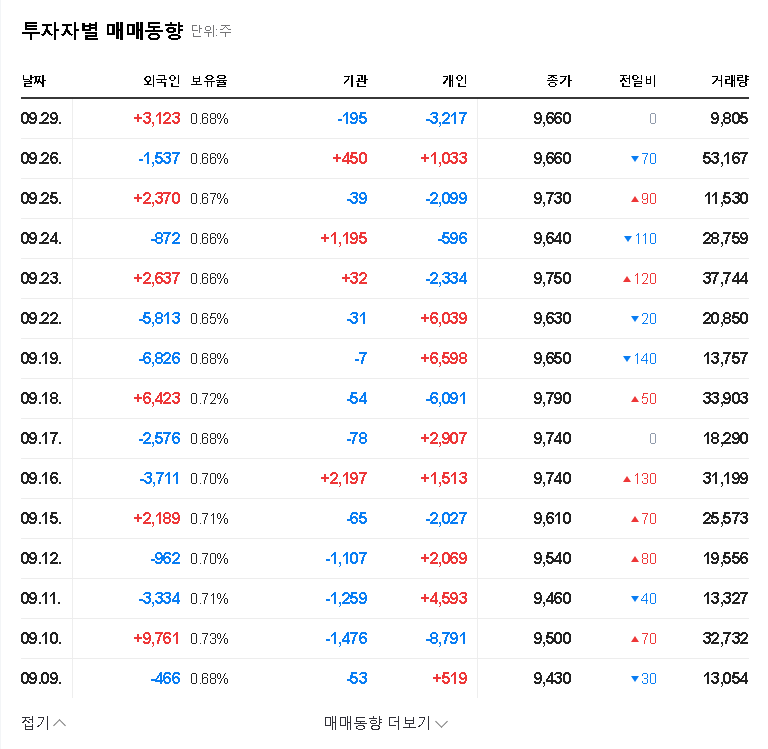
    On November 12, 2025, a significant event unfolded for those following the Kyungnong stock. According to the official disclosure filed with DART, key insiders, including CEO Yong-jin Lee and other special affiliates, increased their collective holdings. While the percentage increase was a modest 0.08 points—from 67.53% to 67.61%—the strategic implication is substantial. You can view the Official Disclosure here.

    This action, explicitly stated to be for the purpose of influencing management rights, reinforces the leadership’s commitment to steering the company towards long-term growth. It serves as a bulwark against potential hostile takeovers and allows the executive team to focus on strategic execution rather than short-term market pressures. For investors, this is often interpreted as a bullish signal, suggesting that those with the most intimate knowledge of the company foresee a bright future.

    Core Business and Growth Engine Analysis

    A complete Kyungnong analysis must go beyond shareholder movements and delve into the operational heart of the company. KYUNGNONG CORPORATION’s strength is built on a diversified foundation with a clear vision for the future.

    Agrochemicals: The Stable Foundation

    The agrochemical division remains the company’s primary revenue driver, accounting for the vast majority of sales. With robust year-over-year growth, this segment benefits from the global imperative of food security and agricultural efficiency. Stable raw material prices have helped ease cost burdens, and the demand for effective crop protection products is inelastic. The future here involves expanding into eco-friendly agricultural materials, a market segment experiencing rapid growth as sustainability becomes a key focus for farmers worldwide.

    Fertilizers (Joby Subsidiary): Navigating Challenges

    The fertilizer business, operated through its subsidiary Joby, faces a more challenging landscape. Decreasing domestic cultivated land and intense competition have put pressure on revenue. However, the company is not standing still. The strategic pivot towards developing high-value-added functional fertilizers and strengthening marketing efforts is a proactive measure to reclaim profitability and market share. This transformation is crucial for the segment’s long-term viability.

    Smart Farms: The High-Growth Future

    Perhaps the most exciting aspect of the Kyungnong investment thesis is its smart farm business. Though still in its early stages, this segment is showing explosive growth, perfectly aligning with government policies fostering agricultural technology. By leveraging proprietary technology under its ‘Signit’ brand, Kyungnong is positioning itself as a leader in a sector poised for rapid expansion. As detailed in reports on the global smart agriculture market, the integration of IoT, data analytics, and automation is revolutionizing farming. The key risk here is a reliance on imported materials, making the business sensitive to currency fluctuations.

    Financial Health and Investor Action Plan

    While the operational outlook has clear strengths, a review of the company’s financials reveals areas that require diligent monitoring. The increase in short-term borrowings could lead to higher interest expenses, and a decrease in operating cash flow highlights the need for more efficient working capital management. On the positive side, retained earnings are consistently accumulating, bolstering the company’s financial soundness and its capacity for future dividends.

    For those considering an investment in KYUNGNONG CORPORATION, the recent insider buying is a clear vote of confidence. However, a prudent strategy should focus on the fundamentals. Investors should watch for the following:

    • Smart Farm Growth: Track revenue growth and market penetration of the ‘Signit’ brand as key indicators of successful execution.
    • Profitability Improvements: Monitor margins in the core agrochemical business and the turnaround progress in the fertilizer segment.
    • Working Capital Efficiency: Look for improvements in operating cash flow and management of accounts receivable. This is critical for financial stability.
    • Shareholder Returns: With enhanced dividend capacity, pay attention to announcements regarding shareholder-friendly policies. For further reading, you can learn more about investing in the agricultural tech sector.

    In conclusion, the combination of stable management, a robust core business, and a promising new growth engine makes KYUNGNONG CORPORATION a compelling company to watch. The long-term performance of the Kyungnong stock will ultimately be determined not by this single act of insider buying, but by the company’s ability to execute its strategic vision and strengthen its financial footing.
    (002100) KYUNGNONG CORPORATION (002100) Stock Analysis: Insider Buying & Future Growth 관련 이미지
    (002100) KYUNGNONG CORPORATION (002100) Stock Analysis: Insider Buying & Future Growth 관련 이미지
  • Hyosung O&B Q2 2025 Earnings Disappoint: What Investors Need to Know


    What Happened? Hyosung O&B’s Q2 2025 Performance

    Hyosung O&B posted KRW 3.9 billion in revenue and KRW -0.4 billion in operating income for Q2 2025, marking a significant downturn and a return to losses. These figures fell far short of market projections, reversing the positive momentum seen in the latter half of 2024.

    Why the Decline? Analyzing the Factors

    The decline is attributed to a decrease in domestic sales and increased operating expenses. The rising KRW/USD exchange rate and increasing US interest rates likely added pressure on Hyosung O&B, given its reliance on imported raw materials.

    What’s Next? Investment Strategies

    In the short term, a cautious approach is recommended due to the potential for further stock price decline. For the long term, investors should consider the growth potential of the eco-friendly agricultural materials market and the company’s relatively stable financial structure. However, careful monitoring of risk factors, including earnings volatility, raw material price fluctuations, and intensifying competition, is crucial.

    Action Plan for Investors

    • Short-term investors: Maintain a cautious stance, prepare for potential further stock price declines.
    • Long-term investors: Closely monitor the company’s H2 2025 earnings report and management’s response, maintain faith in the growth of the eco-friendly market and financial stability, continuously monitor risk factors.


    Frequently Asked Questions (FAQ)

    What is Hyosung O&B’s main business?

    Hyosung O&B primarily manufactures and sells organic fertilizers and byproduct fertilizers (compost).

    What are the main reasons for the recent earnings decline?

    The decline is attributed to a combination of decreased domestic sales, increased operating expenses, a rising KRW/USD exchange rate, and higher US interest rates.

    What is the outlook for Hyosung O&B?

    While the short-term outlook is uncertain, long-term prospects may be positive due to the growth of the eco-friendly agricultural materials market and the company’s relatively stable financial position.


  • Hyosung ONB Q3 2025 Earnings Analysis: Sharp Decline in Net Profit Due to Financial Asset Valuation Losses, What’s the Investment Strategy?


    Hyosung ONB Q3 2025 Earnings Analysis: Sharp Decline in Net Profit Due to Financial Asset Valuation Losses, What's the Investment Strategy? 대표 차트 이미지


    1. What Happened?: Q2 Earnings Shock, What’s the Cause?

    Hyosung ONB’s Q2 2025 earnings recorded a significant decline year-on-year, with sales of KRW 2.9 billion, operating profit of KRW 200 million, and a net loss of KRW 600 million. The main cause of the sharp drop in earnings, especially compared to Q1, was the valuation loss on financial assets.

    2. Why Did This Happen?: Double Whammy of Financial Asset Valuation Losses and Business Slump

    • Financial Asset Valuation Losses: The decline in the value of the investment portfolio directly impacted earnings.
    • Business Slump: The sharp drop in sales at subsidiary HYOSUNG ONB (PVT) LTD (-39.5%) and the decline in domestic composted organic fertilizer sales (-13.4%) also contributed to the earnings deterioration.

    3. What’s Next?: Positive Factors and Risks Amidst Uncertainty

    Hyosung ONB has positive factors such as the eco-friendly agricultural trend and government policy support, but whether the financial asset valuation losses will recover and whether operating profit will improve after Q3 will be key variables in future stock price movements. Volatility in raw material prices and exchange rates can also act as risk factors.

    4. What Should Investors Do?: Focus on Risk Management and Fundamental Analysis

    • Risk Management: Closely monitor the valuation trend of financial assets and strengthen risk management measures such as investment portfolio diversification.
    • Fundamental Analysis: Continuously analyze changes in fundamentals, such as strengthening core business competitiveness and improving the performance of overseas subsidiaries.
    • Information Acquisition: Consistently acquire information necessary for investment decisions through corporate disclosures and market analysis data.


    Hyosung ONB Investment, Solve Your Questions with FAQs!

    Q: What caused the sharp decline in Hyosung ONB’s Q2 earnings?

    A: The main cause was the valuation loss on financial assets. The decline in the value of the investment portfolio directly impacted earnings.

    Q: What is Hyosung ONB’s main business?

    A: Their main business is manufacturing and selling organic and byproduct fertilizers. They operate 5 domestic factories and a subsidiary in Sri Lanka. ‘Mixed oil cake (pellet)’ accounts for the largest portion of sales.

    Q: What should investors be aware of when investing in Hyosung ONB?

    A: Investors should pay close attention to the recovery of financial asset valuation losses, improvement in operating profit after Q3, and volatility in raw material prices and exchange rates. Risk management, such as investment portfolio diversification, is also important.


    Hyosung ONB Q3 2025 Earnings Analysis: Sharp Decline in Net Profit Due to Financial Asset Valuation Losses, What's the Investment Strategy? 관련 이미지
    Hyosung ONB Q3 2025 Earnings Analysis: Sharp Decline in Net Profit Due to Financial Asset Valuation Losses, What's the Investment Strategy? 관련 이미지


  • Woori Sone F&G Stock Forecast: EZ Holdings Increases Stake, Is it an Investment Opportunity?

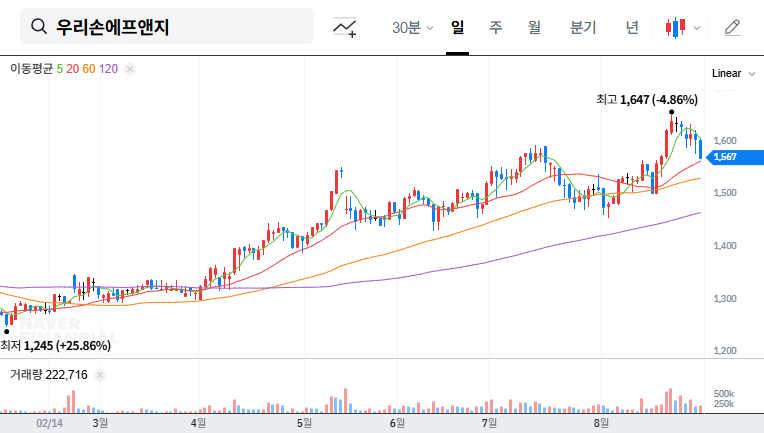
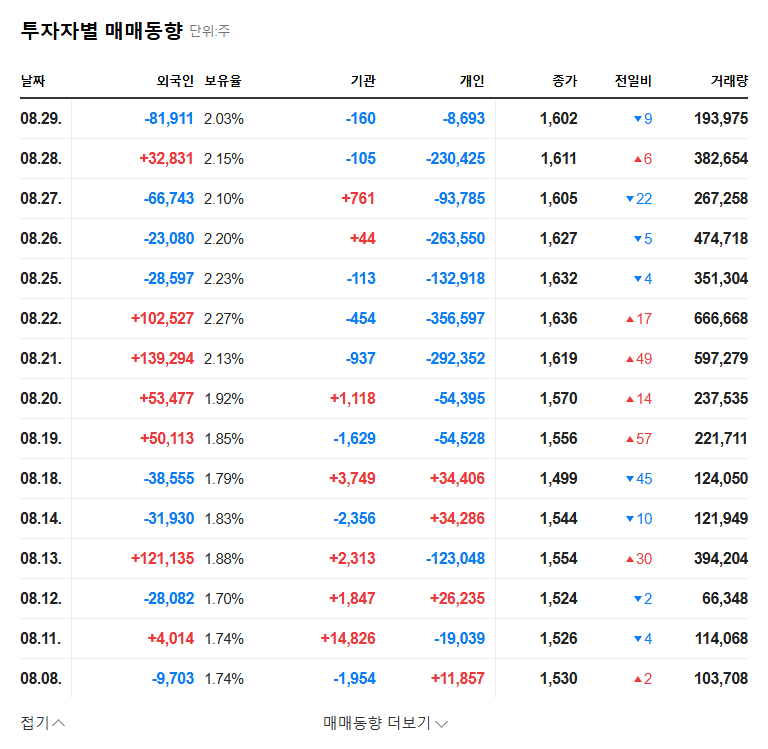
    Woori Sone F&G Stock Forecast: EZ Holdings Increases Stake, Is it an Investment Opportunity? 대표 차트 이미지

    1. Why Did EZ Holdings Increase Its Stake?

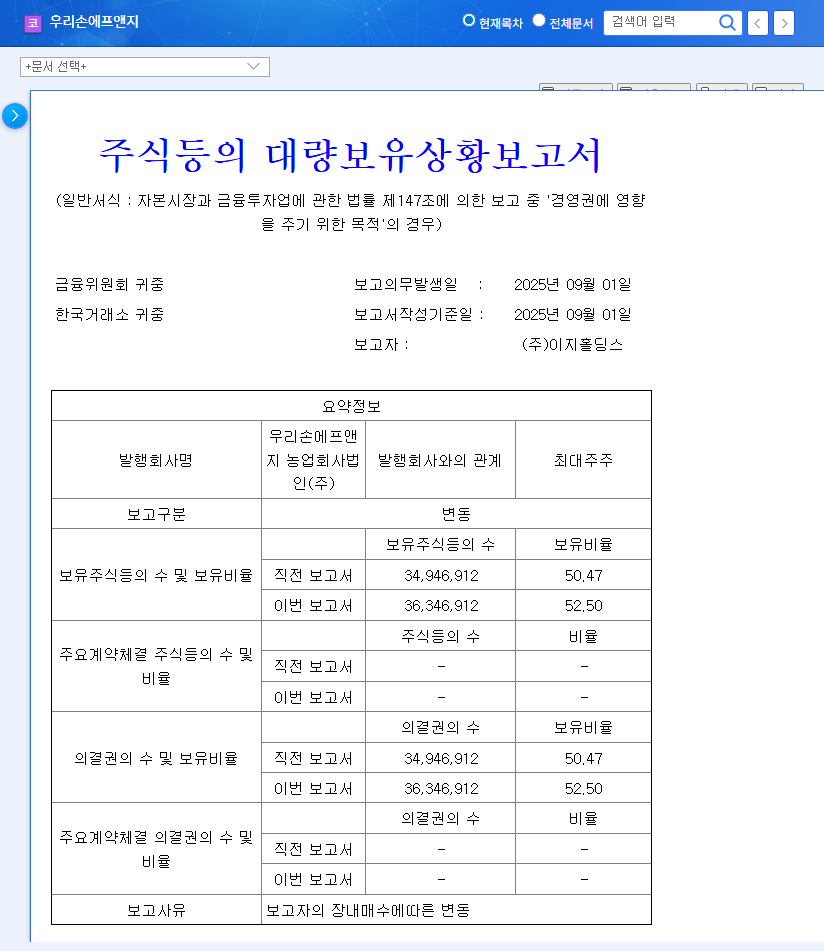
    EZ Holdings increased its stake in Woori Sone F&G from 50.47% to 52.50% through open market purchases over five days. This is interpreted as a strategic move to strengthen management control and expand influence. The majority shareholder’s active investment suggests a strong belief in the company’s future growth potential.

    2. What is the Current Situation of Woori Sone F&G?

    Woori Sone F&G recorded solid earnings in the first half of 2025. Rising pork prices and stable operations in the processed food distribution business drove growth. However, sluggish overseas business and interest rate fluctuation risks remain challenges to overcome.

    • Strengths: Strong performance in the pork business, high quality competitiveness, stable financial structure
    • Weaknesses: Sluggish overseas business, interest rate fluctuation risk

    3. How Will the Stake Increase Affect the Stock Price?

    EZ Holdings’ stake increase is likely to act as a short-term momentum for stock price increase. This is because expectations for management stabilization and growth can stimulate investor sentiment. In the mid-to-long term, the company’s growth strategy is expected to be implemented more effectively in a stable management environment.

    4. What Should Investors Consider?

    Before making an investment decision, several factors should be carefully considered. Positive aspects include the majority shareholder’s stake and solid fundamentals. However, factors such as improvement in the profitability of overseas businesses and the impact of macroeconomic variables can act as investment risks.

    Key Checkpoints:

    • EZ Holdings’ further stake change plans
    • Woori Sone F&G’s earnings improvement and overseas business performance
    • Changes in macroeconomic indicators

    Frequently Asked Questions

    Why did EZ Holdings increase its stake in Woori Sone F&G?

    It is interpreted as a strategic move to strengthen management control and expand influence.

    Will the stake increase have a positive impact on Woori Sone F&G’s stock price?

    It is highly likely to act as a short-term momentum for a stock price increase. Improved investor sentiment and expectations for management stabilization can have a positive impact on the stock price.

    What are the precautions for investment?

    Potential risk factors such as sluggish overseas business and interest rate fluctuation risk should be considered. In addition, the sensitivity of company performance to changes in macroeconomic indicators should be continuously monitored.

    Woori Sone F&G Stock Forecast: EZ Holdings Increases Stake, Is it an Investment Opportunity? 관련 이미지
    Woori Sone F&G Stock Forecast: EZ Holdings Increases Stake, Is it an Investment Opportunity? 관련 이미지
  • Jobi Stock Forecast: Impact of Insider Stake Sale & Investment Strategies

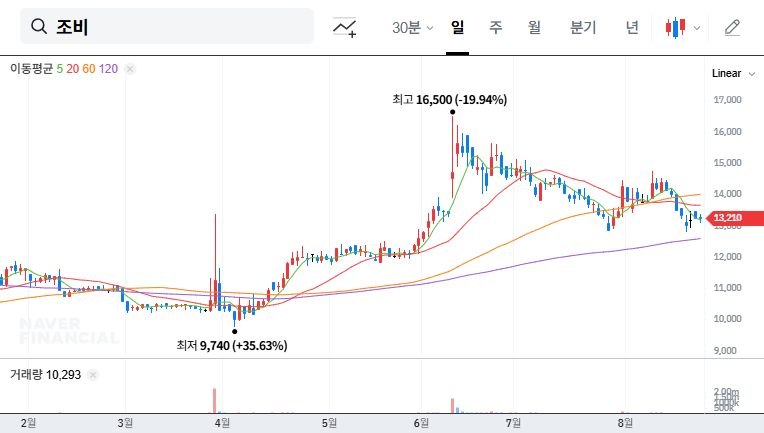
    Jobi Stock Forecast: Impact of Insider Stake Sale & Investment Strategies 대표 차트 이미지

    1. Jobi’s Insider Stake Sale: What Happened?

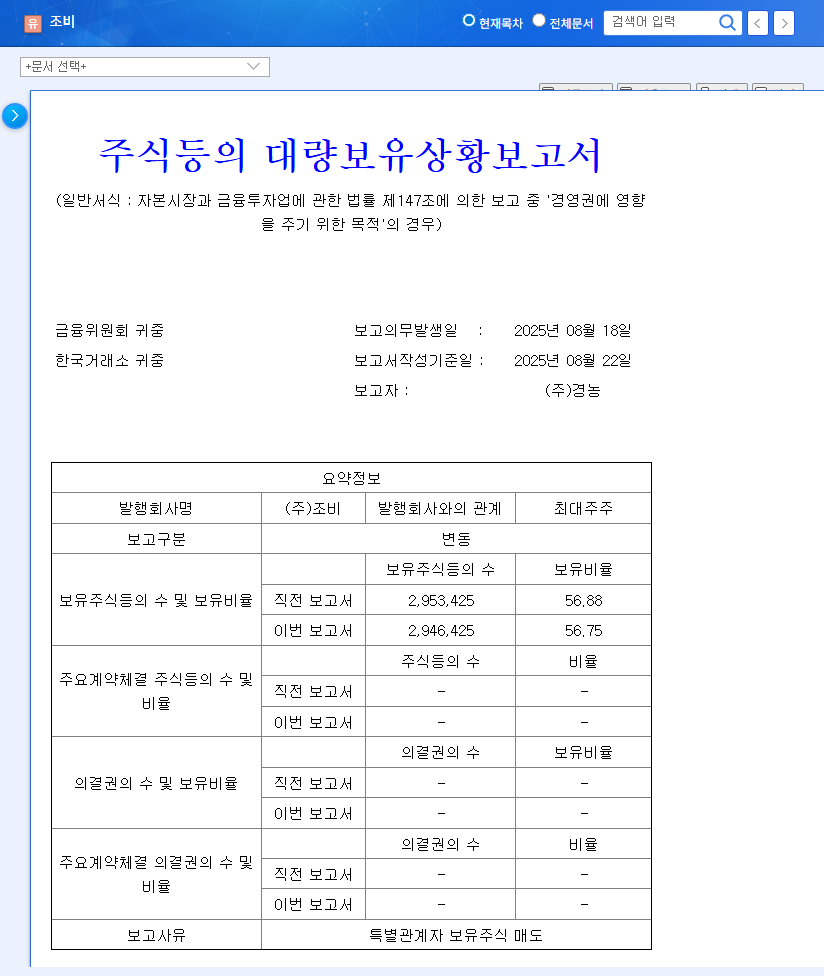
    Leaders Chemical sold 7,000 shares of Jobi stock between August 18th and 20th, 2025. This slightly reduced the total insider stake, including KyungNong Corporation, from 56.88% to 56.75%.

    2. Why Does the Stake Sale Matter?

    While not a direct threat to management control, this stake sale, combined with Jobi’s recent fundamentals, could negatively impact investor sentiment. Despite returning to profitability, continued decline in sales, increasing debt ratio, and high accounts receivable balance could raise concerns among investors. The market may interpret this stake sale as a sell signal from major shareholders, potentially leading to increased stock volatility.

    3. Jobi’s Current Situation and Future Outlook

    Jobi is experiencing declining sales in its fertilizer business, but cost reductions and improved non-operating income have led to a return to profitability. However, the increased debt ratio and high accounts receivable require caution regarding financial soundness. While the company is focusing on developing functional fertilizers to adapt to market trends like smart farms and precision agriculture, tangible results are yet to be seen. External uncertainties, including fluctuations in raw material prices and exchange rates, as well as the possibility of interest rate hikes, also exist.

    4. Action Plan for Investors

    • Short-term Investment Strategy: Monitor stock price fluctuations following the stake sale and take a cautious approach, observing improvements in fundamentals and changes in macroeconomic indicators.
    • Long-term Investment Strategy: Consider various factors comprehensively, including sales recovery and diversification, strengthening financial soundness, securing competitiveness in the functional fertilizer business, managing raw material and exchange rate risks, and changes in macroeconomic indicators.
    Q. Will the insider stake sale affect Jobi’s management control?

    A. The scale of this sale is not large enough to pose a direct threat to management control, but it could be interpreted as a negative signal by the market.

    Q. Is Jobi’s return to profitability sustainable?

    A. Considering the continuous decline in sales, increasing debt ratio, and high accounts receivable, the sustainability of the return to profitability is uncertain. Future sales recovery and strengthening of financial soundness are crucial.

    Q. What should investors be aware of when investing in Jobi?

    A. In the short term, pay attention to stock price volatility following the stake sale. In the long term, continuously monitor sales recovery, strengthening of financial soundness, and new business performance. Also, consider the impact of macroeconomic variables such as raw material prices, exchange rates, and interest rates.

    Jobi Stock Forecast: Impact of Insider Stake Sale & Investment Strategies 관련 이미지
    Jobi Stock Forecast: Impact of Insider Stake Sale & Investment Strategies 관련 이미지
  • NUBO’s IR: Turning a Profit, But What Should Investors Watch For?

    1. NUBO’s IR: What to Expect

    NUBO’s IR meeting, scheduled for 2 PM on August 25th, will present their first-half earnings and management performance, followed by a Q&A session with investors. Detailed explanations of the factors contributing to their return to profitability, the reasons for declining sales, and future business strategies are anticipated.

    2. Profitability, But at What Cost? Key Fundamental Analysis

    NUBO reported profits in both operating income and net income for the first half. However, sales decreased compared to the same period last year, and both debt-to-equity ratio and net debt-to-EBITDA ratio increased. This creates a mixed picture for potential investors.

    • Positive Factors: Return to operating profit, diversified business portfolio, overseas market expansion, patented technologies.
    • Negative Factors: Declining sales, increasing debt ratio, exchange rate and raw material price volatility, intensified competition.

    3. Key IR Checkpoints: What Investors Should Focus On

    Investors should pay close attention to the following during the IR meeting: clear explanations for the structural causes of sales decline and solutions, debt management plans, specific details and feasibility of overseas expansion strategies, and strategies for managing exchange rate and raw material price fluctuations.

    4. Investment Strategy: A Cautious Approach Is Necessary

    Carefully review the information presented during the IR and assess whether the company’s explanations align with market conditions and whether they offer sufficient solutions for risk factors. It’s crucial to make investment decisions based on a long-term perspective rather than being swayed by short-term stock price fluctuations.

    Frequently Asked Questions (FAQ)

    What are NUBO’s main businesses?

    NUBO operates various businesses, including fertilizers, organic farming materials, golf course landscaping, and export of agricultural products and materials. They are actively expanding into overseas markets based on their Controlled Release Fertilizer (CRF) technology.

    What are the key takeaways from this IR?

    Pay close attention to the reasons for declining sales and proposed solutions, debt management plans, specifics of overseas expansion strategies, and how the company plans to navigate exchange rate and raw material price volatility.

    Should I invest in NUBO?

    It is recommended to make investment decisions after thoroughly reviewing the information presented at the IR and verifying if the explanations align with market conditions and sufficiently address risk factors.

  • Kyung Nong’s H1 2025 Earnings: Taking Off with Smart Farms?

    1. Kyung Nong’s H1 2025 Performance: Harmony of Core Business and New Growth Engine

    Kyung Nong achieved consolidated revenue of KRW 114.2 billion, operating profit of KRW 14.4 billion, and net income of KRW 11.5 billion in the first half of 2025. While revenue increased slightly year-over-year, operating profit improved significantly, demonstrating enhanced profitability.

    2. Smart Farms: Kyung Nong’s New Growth Engine

    Kyung Nong’s smart farm business has been steadily growing since its launch in 2022, generating substantial revenue. The growth of the global smart agriculture market and government support policies provide a positive environment for Kyung Nong’s smart farm business. This shows Kyung Nong’s vision to leap beyond a simple agricultural materials company to become a leader in future agriculture.

    3. Positive Factors and Investment Considerations

    • Positive Factors: Cost efficiency, smart farm business growth, strengthened financial soundness, improved performance of subsidiary JOBI.
    • Considerations: Exchange rate and interest rate volatility, intensified market competition, dependence on Nonghyup.

    Investors should consider these factors comprehensively when developing their investment strategies. In particular, it is necessary to monitor changes in the macroeconomic environment and market competition.

    4. Action Plan for Investors

    Kyung Nong’s future stock price is expected to be affected by the specific performance of the smart farm business, information disclosure through IR activities, and changes in the macroeconomic environment. Investors should continuously monitor these factors and make investment decisions.

    Q: What are Kyung Nong’s key financial results for H1 2025?

    A: Consolidated revenue of KRW 114.2 billion, operating profit of KRW 14.4 billion, and net income of KRW 11.5 billion.

    Q: What is the current status of Kyung Nong’s smart farm business?

    A: It has been steadily growing since its launch in 2022 and is generating substantial revenue.

    Q: What should investors be aware of when investing in Kyung Nong?

    A: Pay attention to changes in the macroeconomic environment such as exchange rate and interest rate volatility, and intensified market competition.

  • Udeumji Farm Returns to Profitability in Q2 2025: A True Turnaround?

    1. What Happened? : Udeumji Farm’s Q2 2025 Earnings Analysis

    Udeumji Farm recorded sales of KRW 18.5 billion, operating profit of KRW 1.2 billion, and net income of KRW 0.5 billion in Q2 2025. Both operating profit and net income turned to black compared to Q1, but sales and net income decreased year-over-year. Especially since the operating profit decline was significant compared to the same period last year, it remains to be seen whether this return to profitability will lead to a trend reversal.

    2. Why These Results? : Analyzing the Drivers of Profitability and Risk Factors

    The main factor contributing to the return to profitability is presumed to be a decrease in SG&A expenses compared to the first quarter. However, persistently high SG&A and logistics costs, and increasing debt ratio due to rising borrowings, remain risk factors to consider when investing. In particular, the increasing trend of stock-based compensation and logistics expenses could hinder profitability improvement.

    3. What’s Next? : Future Outlook and Key Observation Points

    The long-term growth potential remains valid based on its smart farm technology and the competitiveness of the ‘Tomango’ brand. However, short-term profitability improvement depends on SG&A expense management, new business performance, and efforts to improve financial soundness. Fluctuations in interest rates and exchange rates will also be key variables.

    • Key Observation Points:
    • – SG&A expense management, especially stock compensation and logistics costs.
    • – Performance of new products and food processing business besides ‘Tomango’.
    • – Management of borrowings and improvement of financial structure.
    • – Strategies to address fluctuations in interest rates and exchange rates.

    4. What Should Investors Do? : Investment Strategy

    The current investment opinion on Udeumji Farm is ‘Neutral’. While the return to profitability in Q2 is positive, careful investment decisions should be made considering the sustainability and risk factors comprehensively. It is crucial to continuously monitor the key observation points mentioned above and confirm whether it’s a trend reversal through future earnings announcements.

    Frequently Asked Questions

    What is Udeumji Farm’s main business?

    Udeumji Farm cultivates agricultural products, including tomatoes, based on smart farm technology and sells them under the brand ‘Tomango’. They are also pursuing smart farm-related technology businesses and food processing businesses.

    What was the main reason for the return to profitability in Q2?

    A decrease in SG&A expenses compared to Q1 is analyzed as the main reason for the return to profitability. However, since sales and profits decreased year-over-year, it is necessary to wait and see if this is a trend reversal.

    What should I be aware of when investing in Udeumji Farm?

    It is necessary to carefully examine the high SG&A and logistics expenses, financial burden due to increasing borrowings, and strategies to respond to external environmental changes.

  • Dongbang Agro 2025 Half-Year Earnings Analysis: Solid Revenue Growth, But FX Risk Remains

    1. What Happened to Dongbang Agro in H1 2025?

    Dongbang Agro reported revenue of KRW 144.92 billion in H1 2025, a 4.2% increase year-over-year. Leveraging a strong partnership with the National Agricultural Cooperative Federation (NACF), which accounts for 33% of their revenue, they maintain a 12% market share. However, rising exchange rates led to derivative valuation losses, impacting profitability.

    2. Why the Fluctuation in Performance?

    • FX Volatility: Dongbang Agro’s heavy reliance on imported raw materials makes them vulnerable to exchange rate fluctuations. The rising exchange rates directly impacted profitability through derivative valuation losses.
    • External Factors: Increases in international oil prices and freight rates have also put pressure on profitability by increasing raw material and logistics costs.

    3. So, What’s Next?

    Dongbang Agro’s future hinges on managing FX volatility, efficient execution of new investments, R&D outcomes, and adapting to changing market conditions. A robust FX hedging strategy and developing new product lines for growth will be crucial.

    4. What Actions Should Investors Take?

    Investors should closely monitor FX trends, Dongbang Agro’s risk management capabilities, and the progress and outcomes of new investments. A long-term investment strategy that considers the company’s growth potential, rather than focusing solely on short-term profitability fluctuations, is recommended.

    Q: What was Dongbang Agro’s revenue in H1 2025?

    A: KRW 144.92 billion, a 4.2% increase year-over-year.

    Q: What caused Dongbang Agro’s decline in profitability?

    A: Derivative valuation losses due to rising exchange rates were the primary cause.

    Q: What should investors consider when evaluating Dongbang Agro?

    A: Key factors to monitor include FX volatility, risk management capabilities, and the performance of new investments.

  • JOBI Stock Forecast: Major Shareholder Divestment, What’s Your Investment Strategy?

    What Happened?: Analysis of Major Shareholder Divestment

    Leaders Chemical, a specially related party of Kyung Nong, JOBI’s major shareholder, sold 3,600 shares, slightly decreasing its stake from 56.95% to 56.88%. Although the scale of the sale is not large, changes in the stake of major shareholders can lead to various interpretations in the market.

    Why the Divestment?: Background and Impact Analysis

    The background of Leaders Chemical’s divestment has not been disclosed, but it is generally likely for asset management or cash securing purposes. The small decrease in stake is expected to have a limited direct impact on management rights. However, the market may interpret the major shareholder’s divestment as a negative signal in the short term.

    JOBI’s Current Situation: Fundamental and Market Trend Analysis

    JOBI successfully turned to profit in Q1 2025, but sales decreased compared to the same period last year. Rising raw material prices and intensifying market competition are ongoing risk factors. However, investment plans in response to the growth of the smart agriculture and functional fertilizer market are positive.

    • Positive Factors: Return to profit in Q1, response to the functional fertilizer market, and facility investment plans.
    • Negative Factors: Declining sales, high dependence on imported raw materials, short-term debt burden, and exchange rate and interest rate volatility.

    What’s Next?: Investment Strategy

    This change in stake may cause short-term investor sentiment to shrink, but considering the trend of fundamental improvement and market conditions, a limited correction is expected. In the medium to long term, fundamental improvement, strengthening competitiveness in the functional fertilizer market, and efficient risk management are expected to have a positive impact on the stock price. Investors should be mindful of short-term volatility and make prudent investment decisions by comprehensively considering future earnings announcements and changes in macroeconomic indicators.

    How will the major shareholder’s divestment affect JOBI’s stock price?

    In the short term, there may be downward pressure on the stock price due to shrinking investor sentiment, but a limited correction is expected as the change in stake is not significant.

    What is the outlook for JOBI?

    There are positive factors such as turning to profit in the first quarter and strategies to respond to the growth of the functional fertilizer market, but there are also uncertainties such as rising raw material prices and intensifying competition.

    What should I be aware of when investing in JOBI?

    Be mindful of short-term stock price volatility and invest carefully by comprehensively considering future earnings announcements and changes in macroeconomic indicators.