Tag: ADC

  • (475830) Orum Therapeutics Shareholder Report: A Deep Dive for Investors (475830)

    (475830) Orum Therapeutics Shareholder Report: A Deep Dive for Investors (475830)

    Investors in Orum Therapeutics, Inc. (475830) are closely analyzing a recent disclosure that has sparked considerable market debate. An official Report on Major Shareholder Holdings revealed a significant shift in ownership stakes, including a reduction by a key figure with management influence. This news has created a classic dilemma: is this a signal of internal doubt, creating short-term pressure on Orum Therapeutics stock, or merely a transient event that presents a buying opportunity for those focused on the company’s impressive long-term growth potential?

    This comprehensive analysis will dissect the Orum Therapeutics shareholder report, evaluate the company’s robust fundamentals, explore the immediate and future impacts, and provide a strategic action plan for investors. Our goal is to equip you with the insights needed to navigate the current volatility and make well-informed decisions.

    Deconstructing the Major Shareholder Report

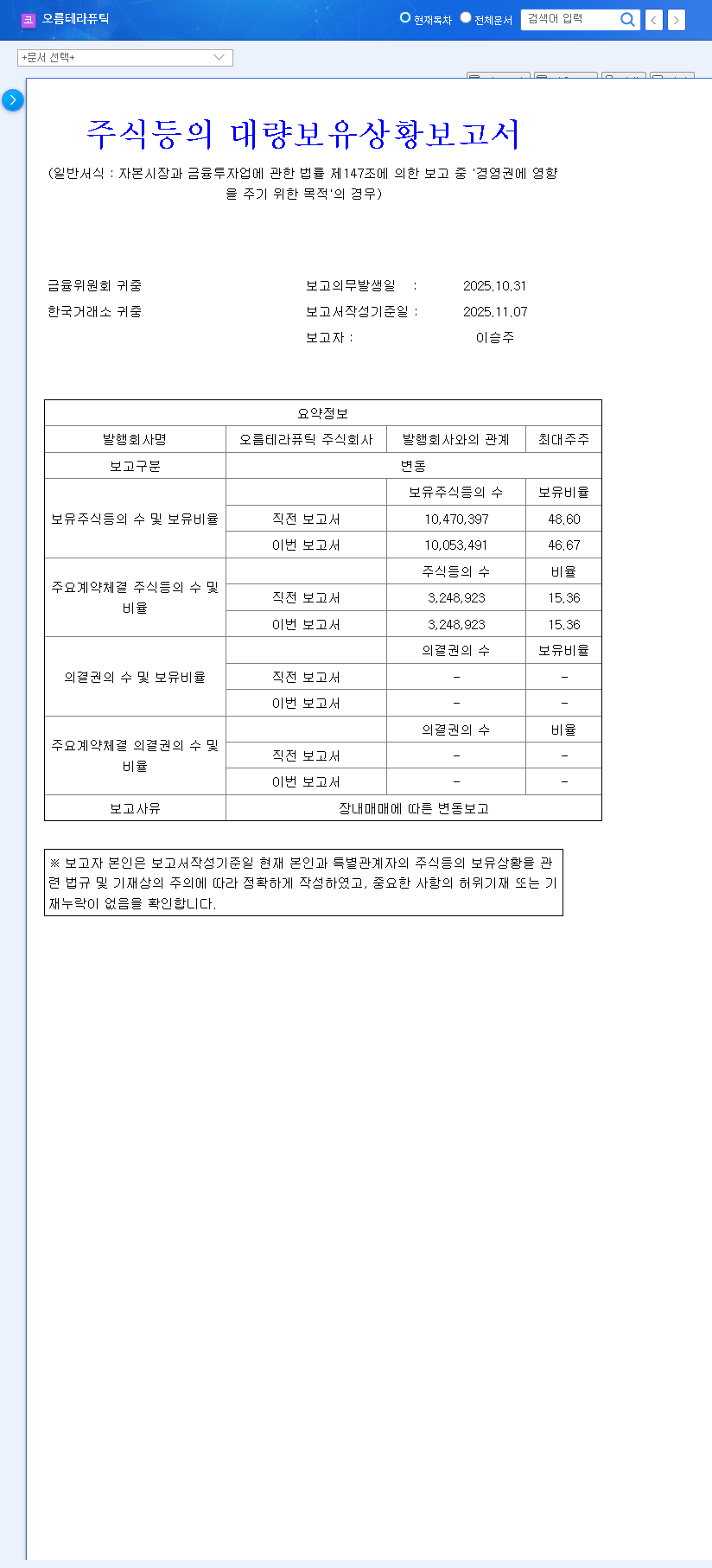
    On November 7, 2025, Orum Therapeutics released a mandatory disclosure detailing changes in the holdings of its principal shareholders. As detailed in the Official Disclosure filed with DART, the key takeaways are:

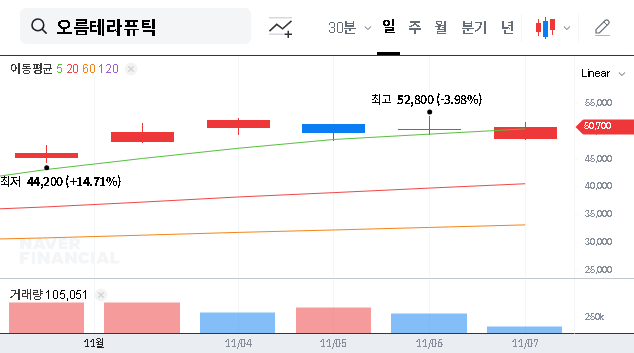
    • Stake Reduction by Key Figure: Mr. Lee Seung-joo, identified as a reporting representative with management influence, reduced his personal shareholding from 48.60% to 46.67%.
    • Broad-Based Selling: The change was not isolated. It occurred via open market sales involving multiple venture capital funds and other major shareholders liquidating a substantial number of shares in a concentrated period.

    Why Orum Therapeutics’ Fundamentals Remain Compelling

    Despite the market’s reaction to the shareholder news, it is crucial to separate ownership changes from the company’s intrinsic operational value. The core fundamentals of Orum Therapeutics remain exceptionally strong.

    Groundbreaking Technology and Pipeline

    Orum’s competitive edge is built on two innovative platforms: Antibody-Drug Conjugates (ADC) and its proprietary TPD² (Dual-precision Targeted Protein Degradation) technology. The TPD² platform is particularly noteworthy as it aims to eliminate disease-causing proteins entirely, a next-generation approach to cancer therapy. The immense potential of this technology has been validated by major industry players:

    • A major technology transfer agreement for the ORM-6151 candidate with Bristol Myers Squibb (BMS).
    • A significant out-licensing deal for the TPD² platform with Vertex Pharmaceuticals.

    These partnerships not only provide non-dilutive funding but also serve as powerful external validation of Orum’s scientific leadership. Progress on these and other pipeline candidates continues smoothly, setting the stage for future revenue streams and value creation. For more information on navigating this sector, you can review our complete guide to biotech investing.

    The core investment thesis for Orum Therapeutics hinges on whether you believe the short-term market noise from share sales outweighs the long-term, fundamental value of its groundbreaking pipeline and validated technology.

    Analyzing the Market Impact

    Short-Term: Heightened Volatility and Negative Sentiment

    In the immediate term, the large-scale selling by insiders and early investors is an undeniable headwind. The market often interprets such moves as a negative signal, leading to downward pressure on the Orum Therapeutics stock price. This can create a cycle of weakened investor sentiment, particularly as it raises questions about management stability, even if unfounded. It’s also common for venture funds to realize profits after a successful IPO and lock-in period, a factor that contributes to selling pressure but doesn’t necessarily reflect on the company’s future prospects.

    Mid-to-Long-Term: A Focus on Milestones and Value

    Looking beyond the immediate noise, the long-term outlook is dictated by execution. The shareholder reshuffle is only a negative if it signals deeper issues. However, all current evidence suggests the company’s technological foundation is sound. A temporary dip in the stock price could, therefore, be viewed as an attractive entry point for new investors with a longer time horizon. Future value will be driven by clinical trial data, regulatory approvals from bodies like the Food and Drug Administration (FDA), and the potential for new partnerships.

    Investor Strategy: Navigating the Volatility

    Given the circumstances, a differentiated approach is required based on your investment timeline.

    • For Short-Term Traders: Caution is paramount. The current negative sentiment and selling overhang could lead to further price declines. It may be wise to remain on the sidelines and monitor how the market absorbs the selling pressure before considering a new position.
    • For Long-Term Investors: The focus should remain on the fundamentals, which are unchanged. A stock price decline based on shareholder rotation, rather than a clinical or business setback, can represent a significant buying opportunity. The key is to continuously monitor clinical progress and company communications.

    In conclusion, while the Orum Therapeutics shareholder report has introduced short-term uncertainty, the company’s innovative technology and strategic partnerships form a solid foundation for long-term growth. Prudent investors should avoid impulsive reactions and instead use this event to reassess their position based on the company’s powerful intrinsic value.
    (475830) Orum Therapeutics Shareholder Report: A Deep Dive for Investors (475830) 관련 이미지
  • (287840) IntoCell’s ITC-6146RO: A Deep Dive into the FDA IND Submission and ADC Technology

    (287840) IntoCell’s ITC-6146RO: A Deep Dive into the FDA IND Submission and ADC Technology

    The world of biotech investment is closely watching IntoCell, Inc., a pioneering company in Antibody-Drug Conjugate (ADC) platform technology. The firm recently announced a major milestone: the successful submission of its Investigational New Drug (IND) application to the U.S. Food and Drug Administration (FDA) for its proprietary anti-cancer drug candidate, ITC-6146RO. This critical step prepares the ground for Phase 1 clinical trials and signals a significant move towards global market entry for IntoCell’s innovative oncology treatment.

    This FDA IND submission is far more than a regulatory formality; it is a powerful validation of IntoCell’s advanced ADC technology by one of the world’s most rigorous regulatory agencies. This analysis delves into the specifics of ITC-6146RO, the implications of this achievement for IntoCell’s business outlook, and the potential risks and rewards for investors.

    Understanding ITC-6146RO and the FDA IND Submission

    On October 31, 2025, IntoCell officially completed its IND application for ITC-6146RO, marking the achievement of a key corporate goal. An IND application is the first crucial step required to administer a new drug candidate to humans, representing the culmination of extensive non-clinical safety and efficacy studies. For a biotech company, securing an FDA IND clearance is a monumental achievement that opens the door to the largest biopharmaceutical market in the world.

    Details of the Phase 1 Clinical Trial

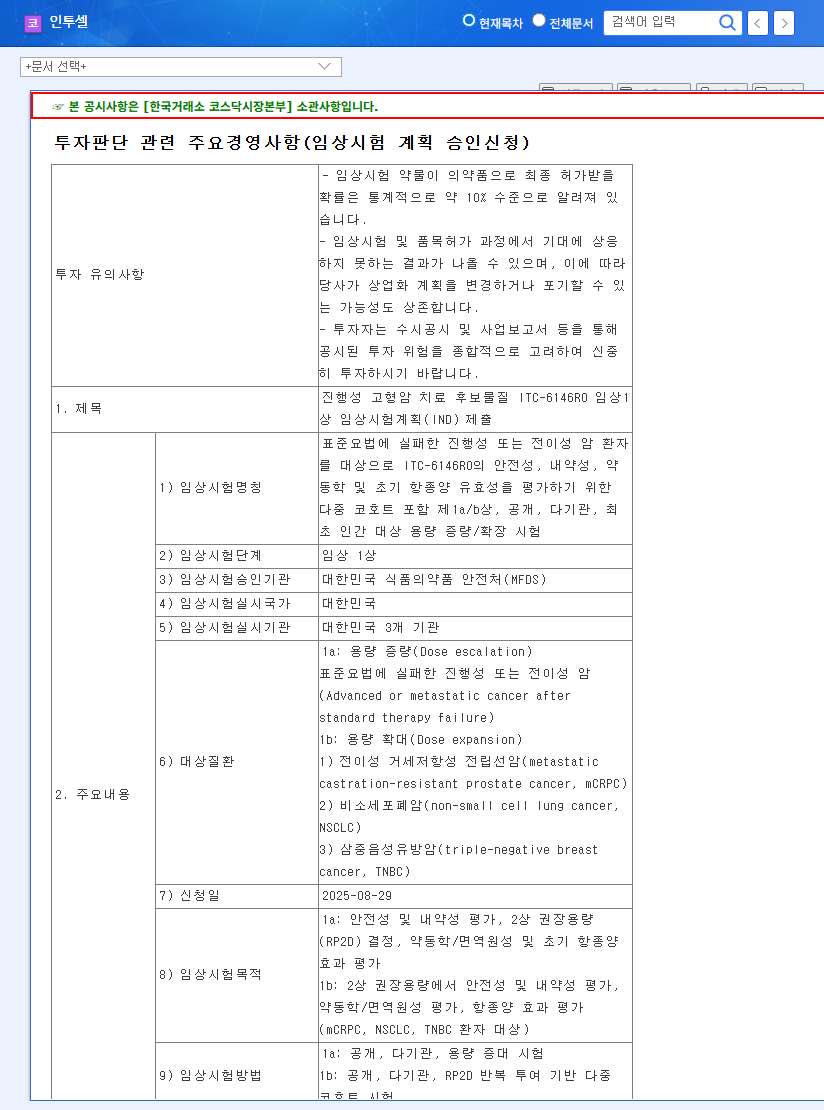
    The upcoming Phase 1a/b clinical trial for ITC-6146RO is an open-label, multi-center, first-in-human dose escalation and expansion study. Its primary objectives are:

    • To evaluate the safety and tolerability of the drug in patients with advanced or metastatic cancer who have exhausted standard therapies.
    • To study its pharmacokinetics (how the drug moves through the body).
    • To assess preliminary anti-tumor efficacy.

    The Phase 1b expansion will specifically target challenging cancers, including Metastatic Castration-Resistant Prostate Cancer (mCRPC), Non-Small Cell Lung Cancer (NSCLC), and Triple-Negative Breast Cancer (TNBC).

    IntoCell’s Core Competency: Advanced ADC Technology

    At the heart of IntoCell’s innovation is its proprietary Antibody-Drug Conjugate platform. ADCs are a powerful class of drugs designed to act like guided missiles, delivering potent chemotherapy agents directly to cancer cells while sparing healthy tissue. You can learn more about the fundamentals of ADC technology on our blog. IntoCell’s key technological advantages include:

    • OHPAS™ Linker Platform: This technology enhances the stability of the ADC in the bloodstream, preventing the premature release of the toxic payload. It ensures the drug is selectively cleaved and activated only inside the target cancer cells.
    • PMT™ Platform: This platform minimizes the non-selective uptake of the drug by normal, healthy cells. This precision targeting is crucial for reducing side effects and improving the therapeutic window.

    This differentiated technology suite forms the basis of IntoCell’s business model, which is focused on generating revenue through early-stage clinical pipeline out-licensing and strategic partnerships with global pharmaceutical companies.

    Investment Analysis: Opportunities and Risks

    Positive Catalysts from the FDA IND Submission

    The IND submission for ITC-6146RO is a significant de-risking event that enhances investor confidence. The progression of a key pipeline into the clinical stage validates the company’s scientific approach and business model. It also accelerates opportunities for technology out-licensing discussions with major pharmaceutical players, which could dramatically improve IntoCell’s financial structure. As is common in the biotech sector, this news is expected to provide positive stock price momentum, driven by heightened expectations for future growth.

    Overall, the U.S. FDA IND submission for ITC-6146RO is a profoundly positive event for IntoCell, signaling a crucial turning point in its medium-to-long-term growth trajectory. Combined with substantial cash assets from its IPO and the robust growth of the global ADC market, IntoCell’s future outlook is bright.

    Potential Risks and Considerations for Investors

    Despite the optimism, investing in biotech carries inherent risks. The FDA IND submission is only the beginning of a long and expensive journey. Clinical trial success is never guaranteed; data from Phase 1 trials, which primarily focus on safety, can lead to success, delays, or outright failure. According to the National Cancer Institute, the path through clinical development is fraught with uncertainty.

    Furthermore, clinical trials require substantial capital, and R&D expenditures are expected to rise, increasing the short-term financial burden. This is compounded by the recent termination of a license agreement with ABL Bio, which affects short-term profitability and makes securing new partnerships even more critical. Finally, the ADC technology market is intensely competitive, and ITC-6146RO must demonstrate a clear competitive advantage in its clinical results to succeed.

    Investors should carefully monitor the progress and results of the Phase 1 clinical trial for ITC-6146RO and watch for new technology out-licensing agreements. While the IND submission is a major step forward, long-term value will be determined by clinical data and commercial execution. For full transparency, refer to the company’s Official Disclosure filed with regulatory authorities.

    (287840) IntoCell's ITC-6146RO: A Deep Dive into the FDA IND Submission and ADC Technology 관련 이미지
  • (141080) LegoChem Biosciences Treasury Stock Disposal: A 2025 Investor’s Analysis

    (141080) LegoChem Biosciences Treasury Stock Disposal: A 2025 Investor’s Analysis

    The recent news about the LegoChem Biosciences treasury stock disposal has sparked questions among investors. On the surface, a multi-billion KRW transaction seems significant. But is this event a routine corporate procedure to reward employees, or does it signal underlying issues that shareholders should be concerned about? This comprehensive analysis dives deep into the context, impact, and future outlook for investing in LegoChem, providing the clarity you need to make informed decisions.

    The Announcement: A Breakdown of the Disposal

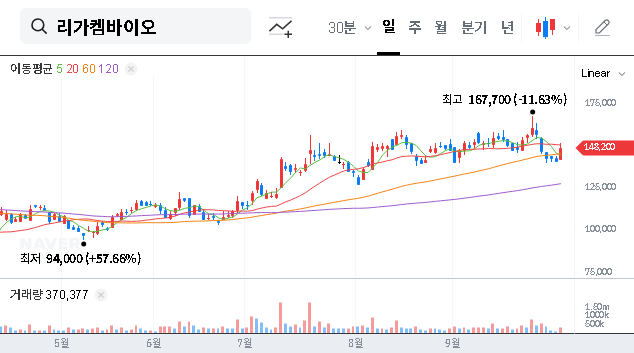
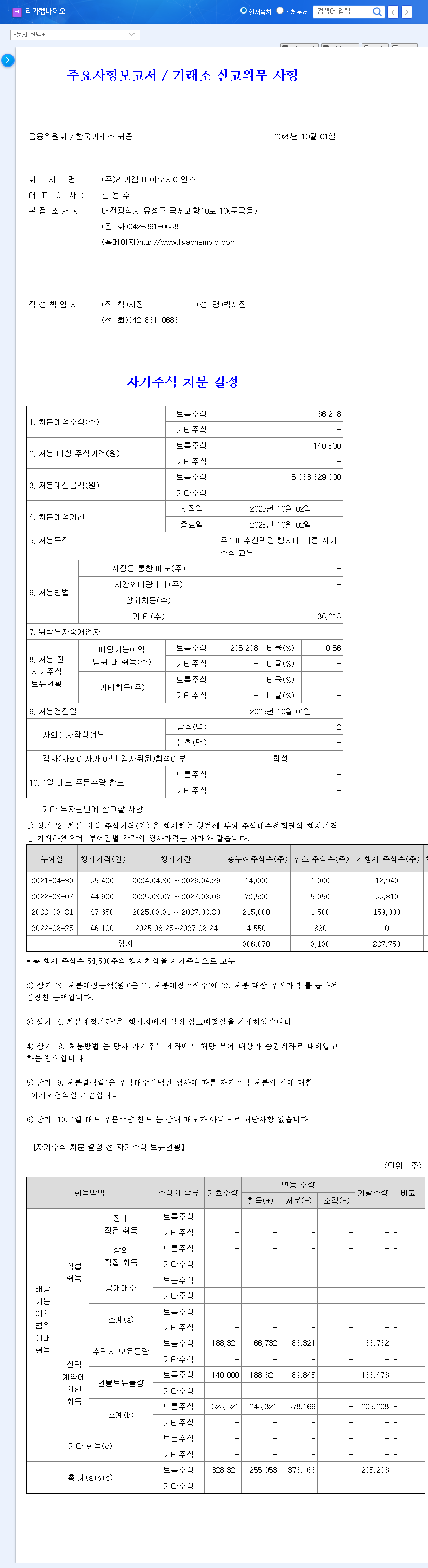
    On October 1, 2025, LegoChem Biosciences Inc., a prominent R&D specialist in novel drug development, formally disclosed its decision to dispose of 36,218 of its common treasury shares. This block of shares holds an approximate market value of KRW 5.1 billion. The announcement, detailed in the ‘Report on Major Matters (Decision to Dispose of Treasury Shares),’ clarifies the transaction’s singular and specific purpose: to fulfill obligations arising from a stock option exercise by employees. You can view the complete filing here: Official Disclosure: View DART Report.

    Behind the Decision: LegoChem’s Corporate DNA

    To understand this decision, one must first understand LegoChem Biosciences. The company is a global leader in medicinal chemistry, with a primary focus on developing Antibody-Drug Conjugate (ADC) anticancer therapies. This move is deeply rooted in the company’s operational and financial structure.

    Pioneering ADC Technology

    LegoChem’s core value proposition is its proprietary next-generation ADC technology platform, ConjuALL. Think of ADCs as ‘smart bombs’ for fighting cancer; they combine a targeted antibody that seeks out cancer cells with a potent drug payload to destroy them, minimizing damage to healthy tissue. This innovative approach has attracted massive attention, leading to technology transfer agreements with leading global pharmaceutical companies like Janssen and AMGEN, totaling approximately KRW 9.4 trillion in potential value. This technological edge is the engine of the company’s long-term growth prospects.

    Financial Health and R&D Investment

    Like many clinical-stage biotechnology firms, LegoChem’s financials exhibit high revenue volatility tied to the timing of technology transfer milestones. The company experiences ongoing operating losses, a direct result of its heavy and necessary investment in research and development. In the first half of 2025, R&D expenses accounted for a staggering 91.80% of revenue. This high cash burn is not a sign of distress but rather a hallmark of a company committed to groundbreaking innovation. The stock option exercise, therefore, is a strategic tool to motivate and retain the elite scientific talent required for this intensive R&D work.

    This treasury stock disposal is not a financial maneuver affecting market fundamentals, but an internal mechanism to reward and incentivize the brilliant minds driving LegoChem’s long-term value.

    Impact on LegoChem Stock Analysis: Bull vs. Bear

    The Positive Case: Employee Confidence and Motivation

    The primary positive takeaway is the boost to employee morale and motivation. By facilitating the stock option exercise, the company rewards its team for past achievements and aligns their interests with those of shareholders. In the hyper-competitive biotech industry, retaining top-tier talent is paramount. This action signals that employees are confident in the company’s future, as they are choosing to exercise their options—an inherently bullish act. The clear and transparent purpose of the disposal also prevents market speculation and misunderstanding.

    The Neutral Case: Limited Short-Term Impact

    From a purely financial perspective, the event’s impact is minimal. Because this transaction uses existing treasury shares rather than issuing new ones, there is no dilution of shareholder equity. Furthermore, a KRW 5.1 billion transaction is negligible when compared to LegoChem’s multi-trillion KRW market capitalization and its KRW 9.4 trillion pipeline of technology transfer deals. Therefore, the event causes no material change to the company’s fundamentals and is unlikely to have a direct or lasting effect on the short-term stock price.

    Investor Action Plan: Focus on the Fundamentals

    A savvy LegoChem stock analysis must look past minor events like this and focus on the core drivers of the company’s value. The company’s destiny is tied to its scientific breakthroughs, not its treasury stock management. Investors should direct their attention to the following key catalysts:

    • ADC Pipeline Clinical Success: The single most important factor is the progress of clinical trials for its core ADC drug candidates. Positive data from Phase II and Phase III trials can be transformative, leading to major stock re-ratings.
    • Additional Technology Transfer Deals: Watch for announcements of new partnerships and licensing agreements. Each new deal validates the ConjuALL platform and provides non-dilutive funding in the form of upfront payments and future milestones.
    • Global Competitive Landscape: The ADC market is dynamic and increasingly competitive. Investors should monitor the progress of competitors and stay informed about broader technological trends in oncology.

    In conclusion, the LegoChem Biosciences treasury stock disposal is a non-event for the long-term investment thesis. It is a standard operational procedure that reflects positively on internal company morale. True value for investors will be unlocked not by share transfers, but by scientific and clinical success. The focus should remain squarely on the company’s innovative ADC technology and pipeline, which holds the key to its future growth and market leadership.

    (141080) LegoChem Biosciences Treasury Stock Disposal: A 2025 Investor's Analysis 관련 이미지
  • Curient’s Dual Payload ADC Deal: Game Changer or Gamble?


    Curient's Dual Payload ADC Deal: Game Changer or Gamble? 대표 차트 이미지


    Curient’s Dual Payload ADC Deal: What Does it Mean?

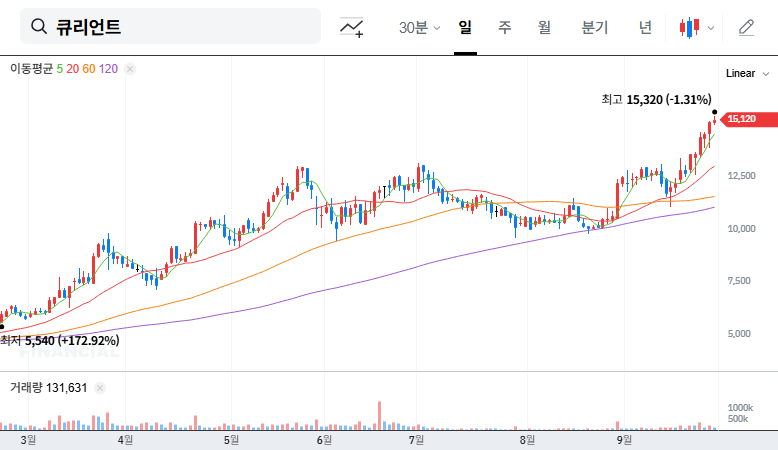
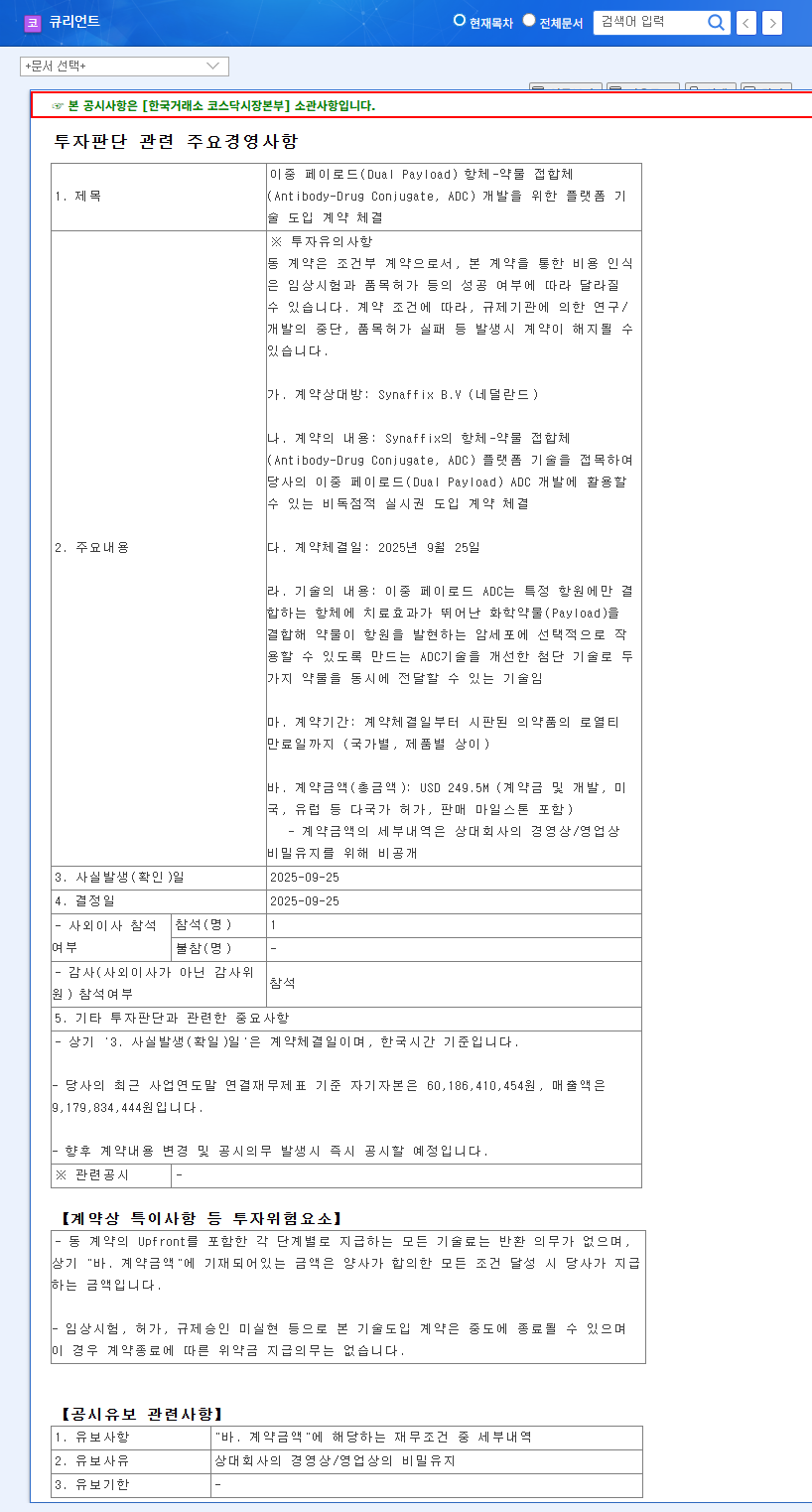
    On September 25, 2025, Curient signed a $249.5 million deal with Synaffix B.V. to acquire their dual payload ADC platform technology. This allows Curient to leverage Synaffix’s cutting-edge ADC technology to accelerate the development of next-generation cancer treatments.

    Why Dual Payload ADCs Matter

    Dual payload ADCs deliver two drugs simultaneously to cancer cells. They offer the potential for increased efficacy and overcoming drug resistance, positioning them as a potential game changer in cancer therapy. This deal provides Curient with a growth engine in the rapidly expanding ADC market and potential synergies with existing pipelines like Mocaciclib and Adricetinib.

    What Investors Should Consider

    While this deal marks a positive step towards Curient’s long-term growth, investors should consider the following risks:

    • Financial Burden: The $249.5 million in upfront and milestone payments could strain Curient’s finances.
    • Clinical Development Uncertainty: Drug development is inherently risky, and there’s no guarantee of success for dual payload ADC technology.
    • Increased Stock Volatility: Clinical trial results and milestone payment timings could lead to increased stock volatility.

    Investment Action Plan

    Curient’s move into dual payload ADCs is innovative but warrants cautious investment. Closely monitor clinical results, financial strategy, and competitive landscape. Focus on a long-term perspective rather than short-term stock fluctuations. The current analyst rating is ‘Neutral’.


    Frequently Asked Questions

    What are dual payload ADCs?

    They are next-generation antibody-drug conjugates that deliver two anti-cancer drugs simultaneously to cancer cells, potentially improving efficacy and overcoming drug resistance.

    What does this deal mean for Curient?

    It provides Curient entry into the rapidly growing ADC market and a potential growth engine, along with potential synergies with their existing drug pipeline.

    What are the key investment considerations?

    The financial burden of the deal, the inherent uncertainty of clinical development, and the potential for increased stock volatility are all factors investors should consider.


    Curient's Dual Payload ADC Deal: Game Changer or Gamble? 관련 이미지
    Curient's Dual Payload ADC Deal: Game Changer or Gamble? 관련 이미지


  • Legochem Bio Enters ADC Collaboration with GO THERAPEUTICS: Investment Analysis


    Legochem Bio Enters ADC Collaboration with GO THERAPEUTICS: Investment Analysis 대표 차트 이미지


    1. What Happened?

    On September 9, 2025, Legochem Bio signed a joint research and antibody technology licensing agreement with GO THERAPEUTICS for the development of new antibody-drug conjugates (ADCs). Through this agreement, Legochem Bio plans to develop new ADCs by incorporating GO THERAPEUTICS’ antibody technology. The agreement is conditional upon regulatory approval and can be terminated if research and development is discontinued or if product approval fails. The financial details of the agreement were not disclosed.

    2. Why Does It Matter?

    This agreement holds significant implications for strengthening and expanding Legochem Bio’s ADC pipeline. The introduction of new antibody technology can complement the existing pipeline and increase the possibility of developing new ADCs. Furthermore, the collaboration with a US biotech company serves as an opportunity to demonstrate Legochem Bio’s technological prowess in the global market and increases the potential for future licensing and commercialization.

    3. So What?

    • Positive Outlook: Successful joint research may lead to the development of new ADC candidates, securing additional milestone and royalty revenue, and strengthening global market competitiveness.
    • Potential Risks: The inherent uncertainties of clinical development, the difficulty in assessing the value due to non-disclosure of the agreement amount, and the volatility of the KRW/USD exchange rate should be considered.

    4. What Should Investors Do?

    This agreement is a positive factor that supports Legochem Bio’s long-term growth potential. However, due to uncertainties such as the progress of clinical development and regulatory approvals, a cautious approach is necessary when making investment decisions. It is crucial to closely monitor future disclosures and market conditions while formulating an investment strategy.


    Frequently Asked Questions (FAQ)

    What is the agreement with GO THERAPEUTICS about?

    It is a joint research agreement for the development of new ADCs and a licensing agreement for Legochem Bio to incorporate GO THERAPEUTICS’ antibody technology.

    Why is this agreement important for Legochem Bio?

    It is expected to contribute to the strengthening and expansion of the ADC pipeline, validation of technological capabilities, and securing future growth engines.

    What are the key points to consider for investment?

    Uncertainties in clinical development, non-disclosure of the agreement amount, and KRW/USD exchange rate fluctuations should be considered.


    Legochem Bio Enters ADC Collaboration with GO THERAPEUTICS: Investment Analysis 관련 이미지


  • Intocell Applies for Phase 1 IND for Anticancer Drug: Investment Opportunity Analysis

    Intocell Applies for Phase 1 IND for Anticancer Drug: Investment Opportunity Analysis 대표 차트 이미지

    What Happened?

    Intocell announced on August 29, 2025, that it had completed the application for Investigational New Drug (IND) approval for a Phase 1 clinical trial of its anti-B7-H3 antibody-drug conjugate (ADC), ITC-6146RO, in Korea. ITC-6146RO is Intocell’s core pipeline, and this IND application is a significant milestone marking the entry into the clinical stage.

    Why is it Important?

    This IND application is a significant event showcasing Intocell’s differentiated ADC platform technology and growth potential. ITC-6146RO, developed based on OHPAS linker and PMT technology, is expected to demonstrate high efficacy and safety compared to existing anticancer treatments and contribute to securing a competitive edge in the global ADC market.

    What’s Next?

    Once the IND is approved and the Phase 1 clinical trial verifies safety and efficacy, the possibility of technology transfer and partnership agreements is expected to increase, positively impacting Intocell’s future revenue generation. Furthermore, successful clinical results are likely to enhance market confidence and act as a momentum for stock price increases.

    What Should Investors Do?

    • Monitor Clinical Progress: After IND approval, investors should closely watch the results of Phase 1 clinical trials and the progress towards subsequent clinical phases.
    • Check for Technology Transfer and Partnership Opportunities: Successful clinical results can lead to technology transfer and partnerships, so pay attention to related news.
    • Analyze Competitors: Analyze the competitive landscape of the ADC market and evaluate Intocell’s relative competitiveness.
    • Check Financial Soundness: It is crucial to confirm funding plans for continued R&D and the company’s financial stability.
    • Consider Risk Factors: Make informed investment decisions by considering potential risks such as the possibility of clinical trial failure, regulatory approval uncertainty, and intensifying competition.
    What are Intocell’s core technologies?

    Intocell’s core competencies are its OHPAS linker platform and PMT technology. The OHPAS linker has advantages in drug applicability, blood stability, and drug release rate, while PMT technology aims to improve the therapeutic index (TI) by minimizing normal cell entry.

    What is ITC-6146RO?

    ITC-6146RO is Intocell’s core pipeline anti-B7-H3 ADC. B7-H3 is a protein expressed in various cancer cells, and ITC-6146RO targets it for anticancer effects.

    When will the IND be approved?

    The timing of IND approval depends on the MFDS’s review schedule and is difficult to predict accurately.

    Intocell Applies for Phase 1 IND for Anticancer Drug: Investment Opportunity Analysis 관련 이미지
    Intocell Applies for Phase 1 IND for Anticancer Drug: Investment Opportunity Analysis 관련 이미지
  • Orum Therapeutics Stock Forecast: Analyzing the Large Shareholding Report and Investment Strategy

    Orum Therapeutics Stock Forecast: Analyzing the Large Shareholding Report and Investment Strategy 대표 차트 이미지

    1. What Happened?

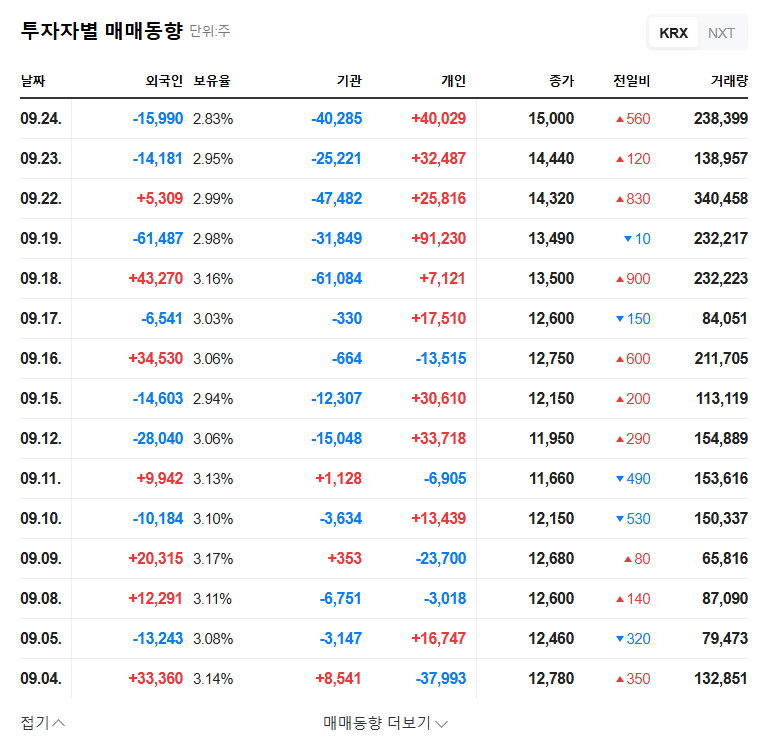
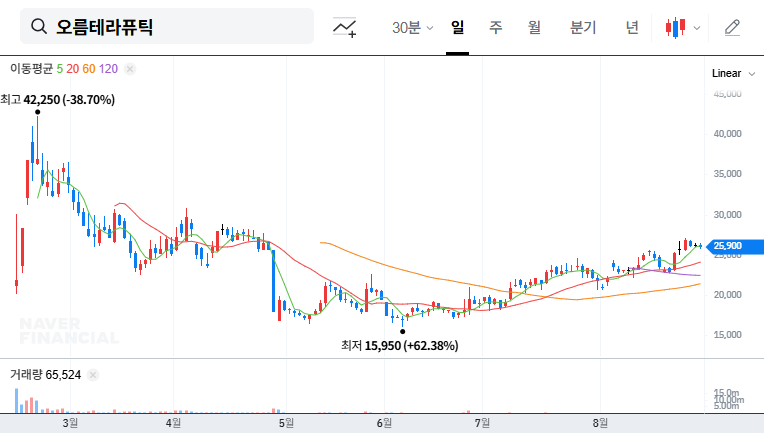
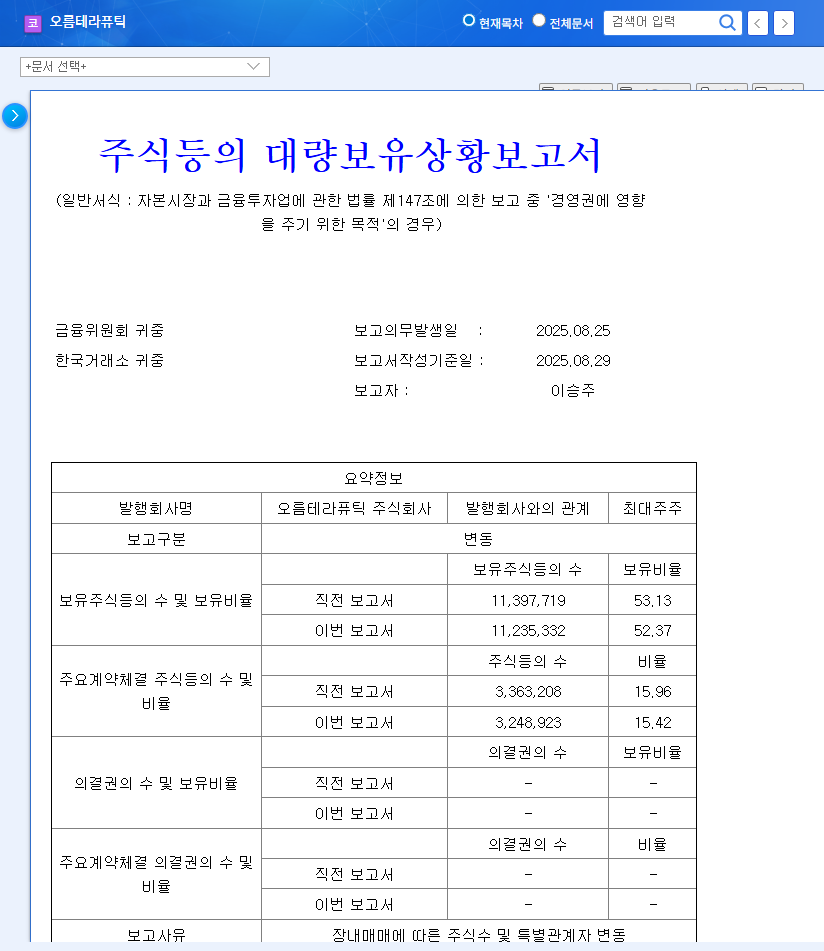
    The combined stake of Lee Seung-ju and related parties in Orum Therapeutics decreased from 53.13% to 52.37%, a 0.76%p drop. This was mainly due to over-the-counter sales by various investors.

    2. Why the Sell-off?

    Several factors could be at play, including fund maturity, portfolio rebalancing, or early investment recovery by investment partnerships. It’s likely unrelated to the company’s direct fundraising plans.

    3. How Will This Impact the Stock Price?

    • Short-term Impact: Increased selling pressure may lead to a short-term decline in the stock price.
    • Long-term Impact: While management control remains unaffected for now, continued stake sales could raise concerns about management stability. The report itself doesn’t directly impact the company’s fundamentals. The progress of ORM-6151 clinical trials and the fulfillment of the Vertex Pharmaceuticals contract terms will likely be more influential factors.

    4. What Should Investors Do?

    Instead of reacting to short-term price fluctuations, investors should monitor the company’s technological development, clinical results, partnership performance, and fundraising plans from a long-term perspective. The growth potential of DAC technology and key pipelines, as well as partnerships with BMS and Vertex, are positive factors. However, accumulated losses, high R&D costs, the possibility of designation as a managed stock and delisting, and foreign exchange risks are negative factors to consider.

    What does the Orum Therapeutics large shareholding report mean?

    This report discloses changes in the stakes of major shareholders. It provides investors with clues about changes in the company’s governance structure and potential future stock price movements.

    What is Orum Therapeutics’ core technology?

    Orum’s core technology is DAC (Degrader-Antibody Conjugates), which combines ADC and TPD technologies, particularly the TPD² platform. It’s gaining attention as a next-generation anticancer therapy with the potential for high therapeutic efficacy and low side effects.

    What are the key investment considerations?

    As a technology growth company, high R&D expenses and accumulated losses can pose financial risks. Also, the success of clinical trials and technology transfer agreements can significantly impact the future stock price, requiring continuous monitoring. The possibility of being designated as a managed stock and subsequent delisting should also be considered.

    Orum Therapeutics Stock Forecast: Analyzing the Large Shareholding Report and Investment Strategy 관련 이미지
    Orum Therapeutics Stock Forecast: Analyzing the Large Shareholding Report and Investment Strategy 관련 이미지
  • Ligand Pharmaceuticals Achieves LCB97 Milestone Payment: Investment Analysis and Future Outlook

    Ligand Pharmaceuticals Achieves LCB97 Milestone Payment: Investment Analysis and Future Outlook 대표 차트 이미지

    1. LCB97 Milestone Payment: What Happened?

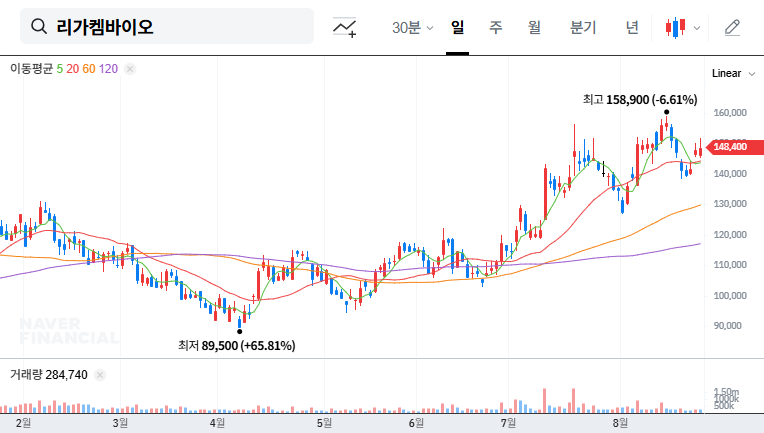
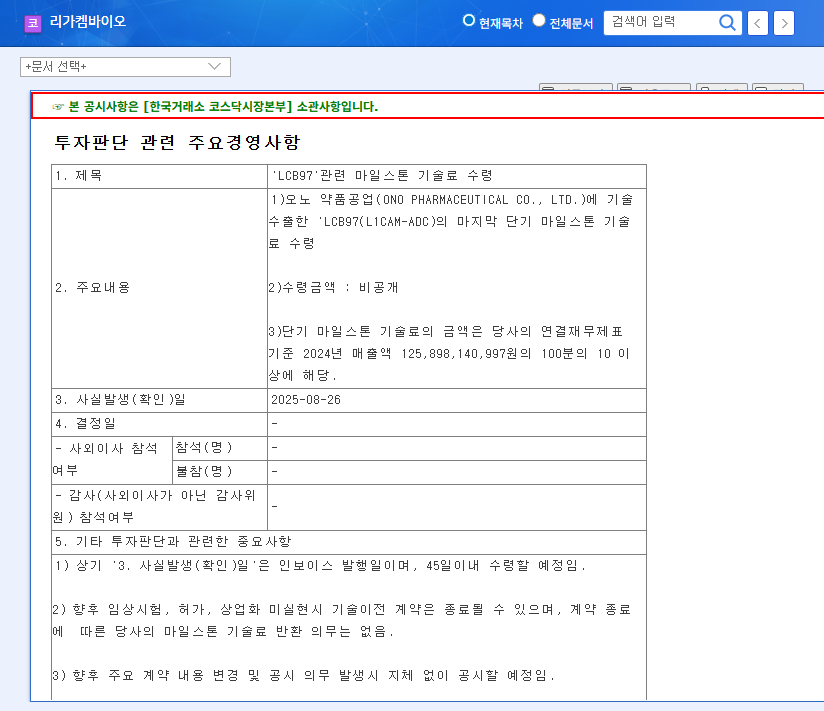
    Ligand Pharmaceuticals received the final short-term milestone payment related to LCB97 (L1CAM-ADC), which was licensed to Ono Pharmaceutical. While the exact amount remains undisclosed, it is estimated to be over 10% of Ligand’s 2024 revenue.

    2. Why is it Important?: Fundamental and Market Expectation Analysis

    This milestone payment has a significantly positive impact on Ligand’s fundamentals. It directly contributes to increased revenue and improved profitability, while also reaffirming the value of the ADC pipeline and providing positive momentum for future licensing and negotiations. Furthermore, it is expected to strengthen financial soundness, secure R&D investment capacity, and improve investor sentiment. Considering the high growth potential of the ADC market and Ligand’s technological prowess, the market views this news positively, and based on past licensing and milestone achievements, there is a high probability of a stock price increase.

    3. So What Should We Do?: Investment Implications

    This milestone payment enhances the investment appeal of Ligand Pharmaceuticals. Short-term stock price momentum can be expected, and long-term growth potential is also likely to be strengthened. However, potential risks, such as the uncertainty due to the undisclosed payment amount and the need to secure continuous revenue sources, should also be considered. Therefore, investors should continuously monitor the development status and performance of other ADC pipelines besides LCB97 and make prudent investment decisions.

    Q: How will the LCB97 milestone payment affect Ligand’s stock price?

    A: It is highly likely to provide short-term upward momentum for the stock price. In the long term, it is expected to further strengthen the company’s growth story through the successful development and commercialization of the ADC pipeline.

    Q: What is ADC, Ligand’s core technology?

    A: ADC (Antibody-Drug Conjugate) is a technology that combines antibodies and drugs to target and treat cancer cells. It is attracting attention as the next-generation anticancer drug due to its high therapeutic effect and low side effects.

    Ligand Pharmaceuticals Achieves LCB97 Milestone Payment: Investment Analysis and Future Outlook 관련 이미지
  • Intocell (287840) Investment Analysis: ADC Technology vs. Lack of Profitability, What’s the Future?

    1. What Happened? Analysis of Intocell’s 2025 Semi-Annual Results

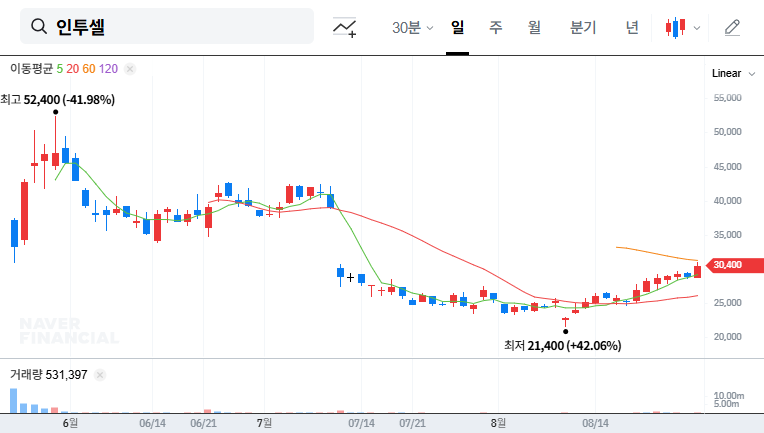
    Intocell recorded zero sales, an operating loss of 3.7 billion won, and a net loss of 3.8 billion won in its 2025 semi-annual report. Even considering that it is a research and development-focused company, the results are disappointing. In particular, the issue of contract termination with a specific partner has increased market concerns.

    2. Why These Results? Fundamental Analysis

    • Strengths: Excellent ADC platform technology (OHPAS, PMT), diverse pipeline (ITC-6146RO, etc.), collaboration with major pharmaceutical companies, secured patents, government support
    • Weaknesses: Chronic deficit, high R&D expenses, declining sales, contract termination issue

    Intocell’s core competitiveness lies in its innovative ADC platform technology. However, the difficulty in generating profits and high R&D expenditures continue to be a burden.

    3. What’s Next? Market Conditions and Outlook

    The ADC market is expected to have high growth. If Intocell’s technology is recognized in the market, it can achieve significant growth. However, key events such as clinical trial results, new partnership agreements, and technology transfer must be successful. Macroeconomic conditions, interest rates, and exchange rate fluctuations can also affect Intocell’s growth.

    4. What Should Investors Do? Action Plan

    In the short term, investors should be wary of stock price volatility. From a long-term perspective, it is necessary to closely monitor the progress of clinical trials, the status of partnership agreements, and the success of technology transfer. Investors should keep in mind that investment decisions are their own responsibility.

    What is Intocell’s core technology?

    Intocell possesses antibody-drug conjugate (ADC) platform technologies, OHPAS and PMT. These technologies offer high versatility, stability, and efficacy, providing differentiated competitiveness.

    What is Intocell’s main pipeline?

    Intocell’s main pipeline is ITC-6146RO, a B7-H3 targeted ADC candidate. It is currently preparing to enter Phase 1 clinical trials, and additional pipelines such as HER3 and PSMA are also under development.

    What should I be aware of when investing in Intocell?

    Intocell has high growth potential, but it has not yet generated profits and continues to record losses. In addition, stock price volatility can be high depending on clinical trial results and partnership agreements, so caution is advised when investing.

  • Engchem Life Sciences H1 2025 Earnings: Uncovering Opportunities Amidst Setbacks?

    1. Engchem Life Sciences H1 2025 Earnings Analysis

    Engchem Life Sciences reported revenue of KRW 16.4 billion, an operating loss of KRW 3.6 billion, and a net loss of KRW 3 billion (preliminary) for the first half of 2025. Compared to the same period last year, revenue decreased by 10.9%, and the operating loss widened. The decline in sales of bio-lubricants and raw materials for pharmaceuticals is identified as the main cause.

    2. Uncovering Opportunities Amidst Setbacks: Growth Momentum Analysis

    Despite the weak performance, Engchem Life Sciences still possesses notable growth momentum.

    • EC-18 Pipeline: Development of the EC-18 pipeline is progressing smoothly, with Phase 2 clinical trials for oral mucositis completed and IND approval obtained for Phase 2 clinical trials for atopic dermatitis. The possibility of future global licensing out is also anticipated.
    • Entry into ADC/DAC Therapeutics: By investing in TargetLink Therapeutics, Engchem has secured an ADC/DAC therapeutic pipeline, establishing a future growth engine.
    • Bio-lubricant Business: The bio-lubricant business, aligning with ESG trends, can provide a stable revenue base.

    3. Key Checkpoints for Investors

    Investors considering investment should carefully review the following:

    • Profitability Improvement Strategy: It’s essential to check the company’s response strategy to declining sales and continued operating losses.
    • Pipeline Development Progress: Continuous monitoring of the uncertainties in pipeline development, including EC-18 clinical results and the possibility of technology transfer, is crucial.
    • Financial Soundness: While the debt-to-equity ratio has improved, the financial burden from continuous R&D investment must be considered.

    4. Investment Strategy: A Cautious Approach is Necessary

    Engchem Life Sciences holds growth potential through innovative new drug development and business diversification. However, given the current poor performance and financial uncertainties, a cautious investment approach is necessary. Investment strategies should be adjusted depending on future pipeline development achievements and profitability improvements.

    What are Engchem Life Sciences’ main businesses?

    Engchem Life Sciences is engaged in new drug development (focused on EC-18), raw materials for pharmaceuticals, health functional foods, and bio-lubricants. They are also conducting research in AI drug discovery and senotherapeutics.

    How was Engchem Life Sciences’ performance in H1 2025?

    They recorded revenue of KRW 16.4 billion, an operating loss of KRW 3.6 billion, and a net loss of KRW 3 billion (preliminary). Revenue decreased by 10.9% year-over-year, and the operating loss widened.

    What is Engchem Life Sciences’ main pipeline?

    EC-18 is the main pipeline, and they are conducting development for indications such as oral mucositis, ARS, and atopic dermatitis.