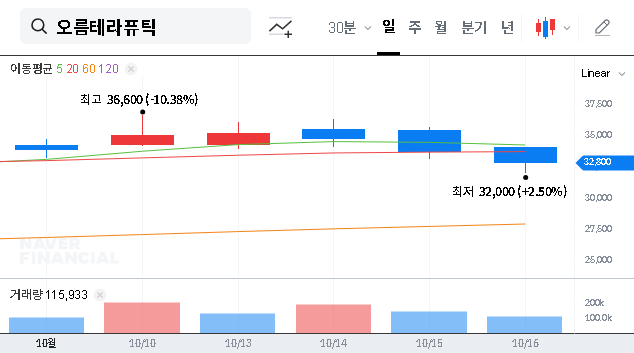
The recent Orum Therapeutics shareholder changes have sent ripples through the investment community, raising critical questions about the company’s future. When key executives and venture capital funds adjust their positions, it’s a signal that savvy investors must analyze carefully. This report, based on the company’s ‘Report on Status of Large Shareholding’, provides a comprehensive breakdown of these events and what they mean for the Orum Therapeutics stock price and your long-term investment strategy.
Understanding the nuances behind share sales by insiders and early investors is crucial. It’s not always a red flag, but it always warrants a deeper investigation into the company’s fundamental health and growth trajectory.
In-Depth Analysis of the Orum Therapeutics Shareholder Changes
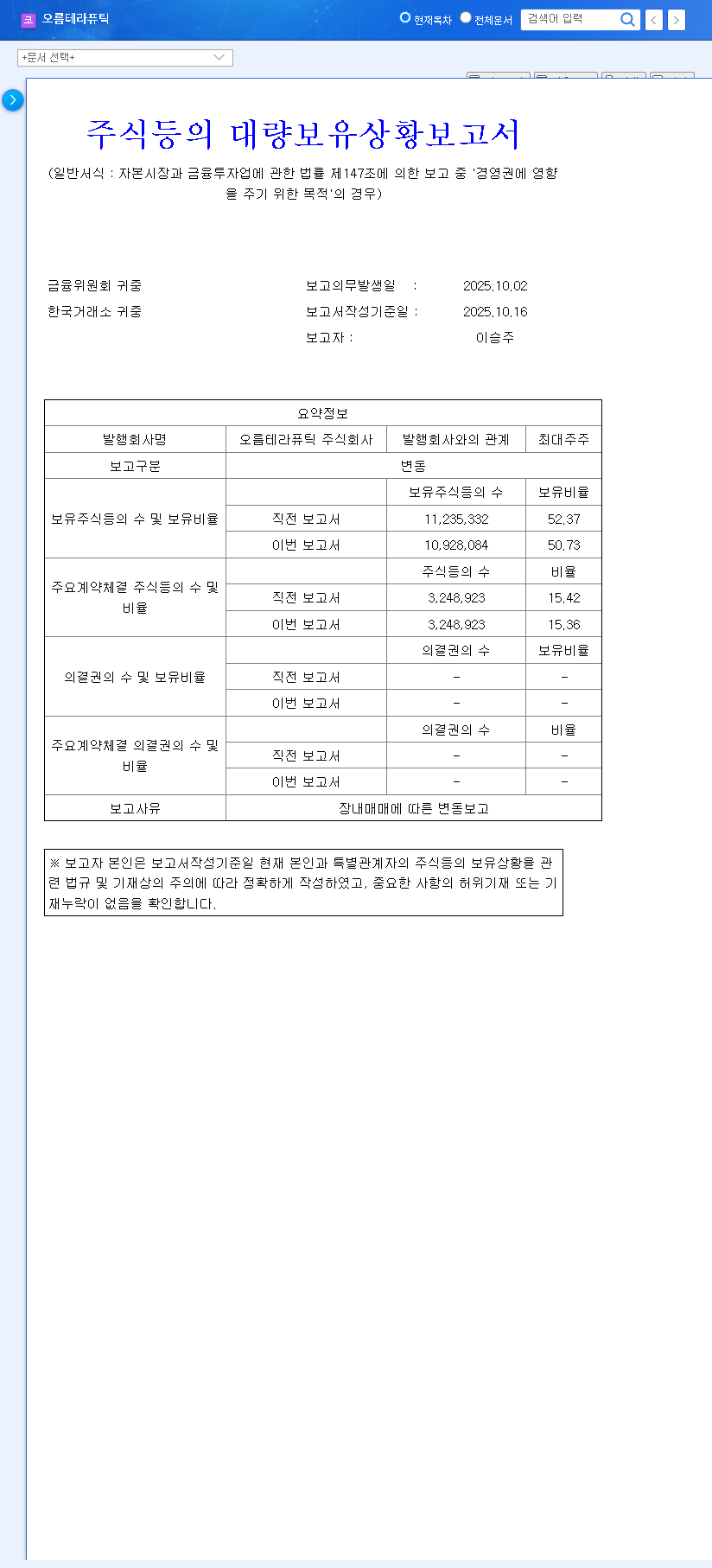
According to the Official Disclosure filed with DART (view report here), several key stakeholders have adjusted their holdings. This activity, executed through market trading, provides a window into the current strategies of the company’s most significant financial backers.
1. CEO Lee Seung-ju’s Share Sale
CEO Lee Seung-ju sold 43,874 shares, which adjusted his ownership from 52.37% to a still-commanding 50.73%. While any sale by a CEO can cause temporary market anxiety, the key takeaway here is that he maintains a majority stake. This action ensures that stable management control remains firmly in place, mitigating risks of a hostile takeover or drastic shifts in corporate direction. The stated purpose was related to ‘influence on management rights,’ but the retention of over 50% is the most critical fact for investors.
2. Venture Capital and Institutional Exits
A consortium of early investors, including IMM Venture Fund, KTBN Venture Investment, and DS Asset Management, also engaged in market sales. It’s essential to view these moves within the context of their business model. Venture capital funds have a lifecycle; they invest early and aim to exit after a company matures or goes public to deliver returns to their own investors. These sales are often part of a planned, phased exit strategy rather than a sudden loss of faith in the company’s future. For more on this, you can read about the typical venture capital lifecycle on high-authority financial sites.
Implications for Your Orum Therapeutics Investment
These shareholder movements create both short-term headwinds and potential long-term opportunities. A prudent investor must weigh both sides.
Short-Term Impact: Potential Stock Price Volatility
The coordinated sale by multiple large shareholders can create significant selling pressure. This supply of shares hitting the market may lead to a temporary dip in the Orum Therapeutics stock price. Market sentiment can be fragile, and news of insider sales, even when strategic, can trigger bearish behavior. However, because CEO Lee Seung-ju’s control is not in jeopardy, a catastrophic price collapse due to management instability is highly unlikely.
Mid- to Long-Term Impact: Company Value & Growth
From a long-term perspective, these Orum Therapeutics shareholder changes could be a net positive. The exit of early-stage venture capitalists makes room for new institutional investors with different time horizons and strategic goals. If Orum Therapeutics continues to deliver on its pipeline and business fundamentals, this shift could present an attractive entry point for those who believe in the company’s core value proposition. The primary risk is if the divestment continues unabated, which could signal deeper concerns about future growth that are not yet public.
Strategic Checklist for Investors
Given the limited market analysis currently available for Orum Therapeutics, investors must conduct their own due diligence. Here are the key areas to monitor:
- •CEO Shareholding Trends: Keep a close watch on any further sales by CEO Lee Seung-ju. A gradual reduction is less concerning than a large, sudden sale. Crossing below the 50% threshold would be a major event to re-evaluate.
- •Institutional Flow: Monitor who is buying the shares being sold. Are new, reputable long-term funds taking positions? This can be a strong bullish indicator. For help, you might check our guide on how to perform a biotech stock analysis.
- •Business Fundamentals: The most important factor. Scrutinize financial reports, press releases on clinical trial progress, and updates on the company’s R&D pipeline. Strong fundamentals will always be the ultimate driver of long-term value.
- •Market & Competitor Landscape: How does Orum Therapeutics stack up against its competitors? Is its technology gaining traction or facing new challenges?
Conclusion: A Call for Prudent Observation
In conclusion, the recent Orum Therapeutics shareholder changes are not an immediate cause for alarm, but they demand heightened vigilance. The CEO’s retained majority control provides a bedrock of stability. The key for investors is to look past the short-term noise and focus on the underlying business performance and the evolving composition of its major shareholders. The current situation calls for a cautious, analytical approach rather than a reactive one.
Disclaimer: This analysis is based on publicly available information. All investment decisions carry risk and are the sole responsibility of the investor. We recommend consulting with a financial professional before making any trades.
Leave a Reply