Tag: 432470

  • (432470) KNS 46-Series Battery Deal: In-Depth Stock Analysis & Future Outlook

    (432470) KNS 46-Series Battery Deal: In-Depth Stock Analysis & Future Outlook

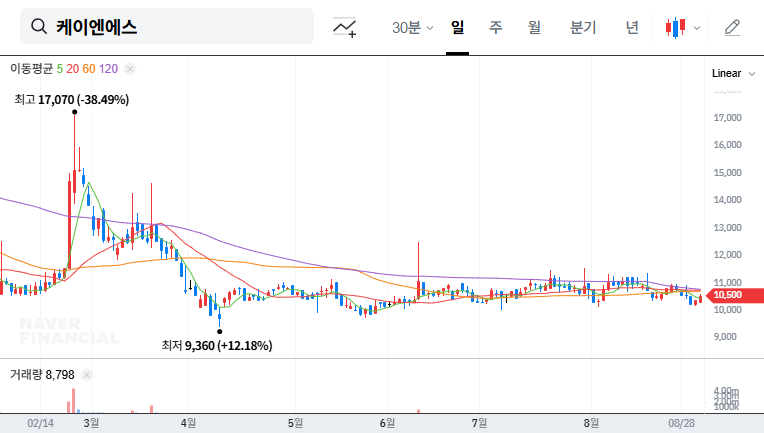
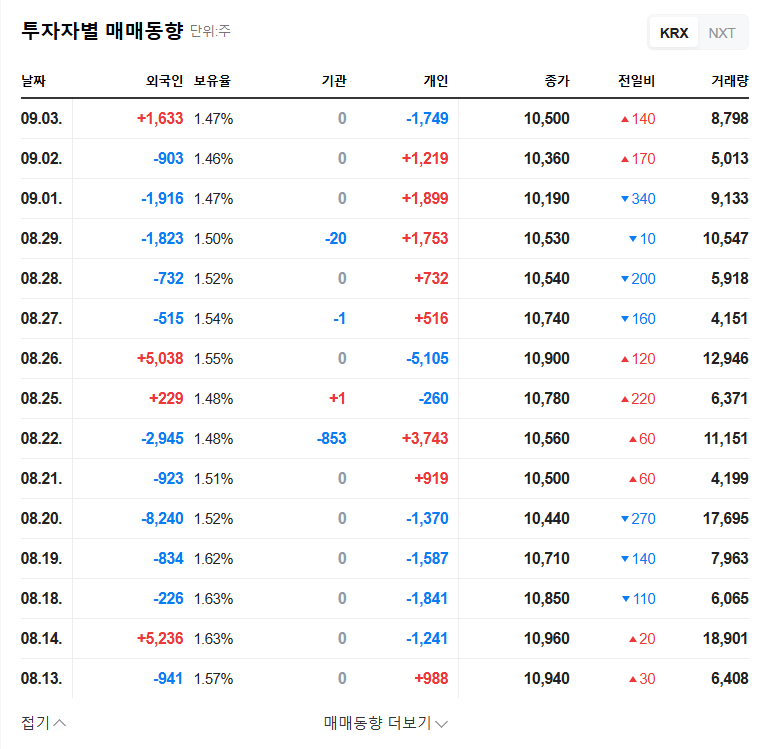
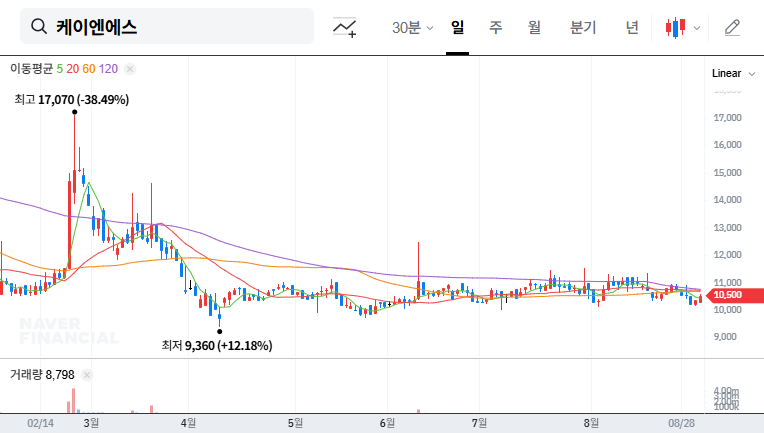
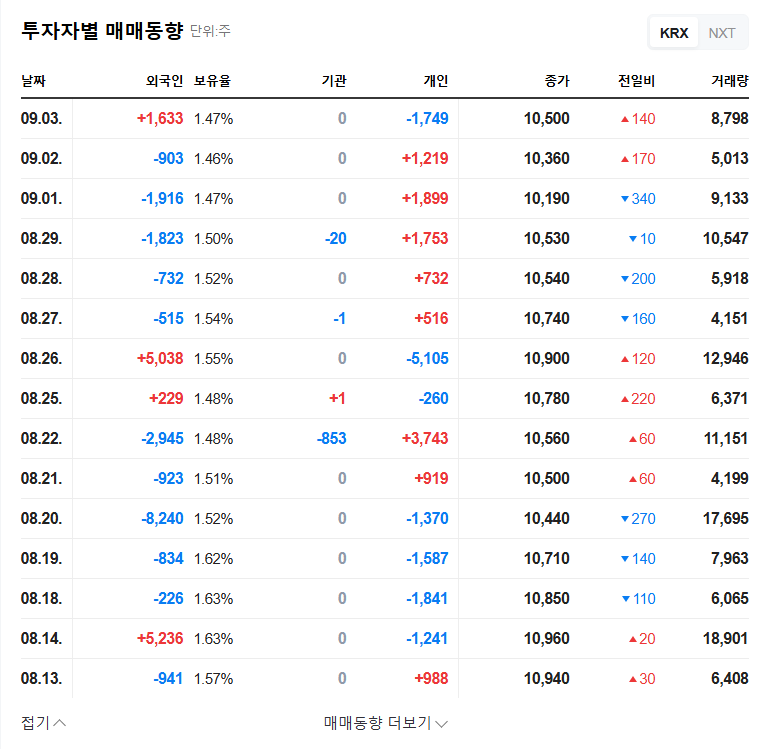
    In a significant development for the electric vehicle (EV) supply chain, KNS CO., LTD (432470) has announced a major KRW 8 billion supply contract for its KNS 46-series battery component equipment. This deal, made with a prominent domestic secondary battery manufacturer, represents a pivotal moment for the company, accounting for nearly 30% of its projected annual revenue. As the EV and secondary battery market navigates a period of correction and intense competition, this contract raises a critical question: Is this a powerful catalyst for KNS’s long-term growth, or a temporary boost amidst persistent market challenges? This analysis will provide a comprehensive look at the deal’s implications, KNS’s financial health, and the strategic road ahead.

    Deconstructing the Landmark KRW 8 Billion Contract

    On November 12, 2025, KNS formalized an agreement to supply ‘cylindrical 46-series battery component assembly and inspection equipment’. The contract, valued at KRW 8 billion, is set to run for approximately seven months until June 30, 2026. The full details can be verified in the Official Disclosure (DART). This deal is not just significant for its size (29.68% of estimated 2025 revenue) but for its strategic positioning. The 46-series batteries (like Tesla’s 4680 cell) are hailed as a next-generation technology, promising higher energy density, lower costs, and improved performance. By securing this order for crucial manufacturing equipment, KNS validates its technological prowess and establishes a critical foothold in this high-growth segment of the EV battery manufacturing landscape.

    This contract is more than just revenue; it’s a strategic entry into the future of EV batteries. Success here could unlock a pipeline of high-value orders as the industry transitions to 46-series cells.

    KNS Fundamentals: A Picture of Growth and Caution

    Strong Revenue vs. Profitability Headwinds

    KNS has demonstrated impressive top-line growth, with consolidated sales in Q3 2025 surging by 49% year-on-year, largely driven by its ‘automotive parts automation equipment’ division. However, this growth has not fully translated to the bottom line. A lagging operating profit growth rate suggests potential margin compression or rising operational costs. This divergence between revenue and profit is a key area of concern for investors and requires careful monitoring, especially concerning the profitability of this new KNS 46-series battery equipment contract.

    Financial Health and Debt Management

    A significant red flag is the sharp increase in the company’s consolidated debt-to-equity ratio, which stood at 51.13% at the end of Q3 2025. This rise, attributed to business combinations and convertible bond issuances, puts financial health management in the spotlight. While the revenue from the new order will help, it is crucial that this income contributes to deleveraging the balance sheet over the long term. A high debt burden can limit future investment and increase vulnerability to interest rate fluctuations.

    Navigating a Turbulent Market Environment

    The external environment for KNS is a mix of opportunity and risk. The global slowdown in EV market growth, as reported by sources like leading industry analysts, directly impacts demand for secondary battery equipment. Furthermore, the competitive landscape is shifting. The rise of Chinese LFP battery manufacturers and their expanding global market share present a structural challenge to the dominance of Korea’s three major battery producers, who are key clients for companies like KNS. This makes diversification and technological leadership, as shown by the cylindrical battery equipment deal, more critical than ever.

    • Positive Catalyst: The contract provides a much-needed revenue boost and enhances market confidence in KNS’s technological edge.
    • Market Validation: Securing a deal in the next-generation 46-series segment strengthens customer trust and future sales prospects.
    • Persistent Risks: High debt, uncertain profitability, and a challenging macroeconomic backdrop remain significant hurdles.

    Conclusion & Investment Strategy

    The KRW 8 billion deal for KNS 46-series battery equipment is undeniably a positive milestone. It offers a short-term boost to revenue and investor sentiment while positioning the company in a strategically vital market segment. However, this optimism must be tempered by a realistic assessment of the underlying risks. The path to sustainable growth for KNS depends on its ability to translate this technological win into tangible profitability and to diligently manage its financial health.

    For investors, a ‘Cautious but Watchful’ stance is prudent. While the news may fuel short-term stock price momentum, long-term value will be unlocked by KNS’s ability to improve its financial structure and secure follow-up orders. Key metrics to monitor include the profit margins reported from this contract in upcoming quarterly earnings and any announcements regarding further debt reduction. A comprehensive KNS stock analysis must balance the excitement of this deal with the fundamental challenges that remain.

    (432470) KNS 46-Series Battery Deal: In-Depth Stock Analysis & Future Outlook 관련 이미지
    (432470) KNS 46-Series Battery Deal: In-Depth Stock Analysis & Future Outlook 관련 이미지
  • KNS Issues ₩10B Convertible Bonds: Opportunity or Risk?

    KNS Issues ₩10B Convertible Bonds: Opportunity or Risk? 대표 차트 이미지

    1. What Happened? – Convertible Bond Issuance

    KNS announced on September 3, 2025, the issuance of privately placed convertible bonds totaling ₩10 billion. The conversion price is set at ₩11,400, significantly higher than the current stock price of ₩347. The payment date is September 11, and the conversion period is from September 11, 2026, to August 11, 2030.

    2. Why the CB Issuance? – Funding and Growth Drivers

    KNS plans to utilize the secured funds for operational and investment purposes. This is interpreted as a strategy to secure short-term liquidity and long-term growth drivers through investments in new businesses. KNS has recently been actively expanding into new areas such as direct production of secondary battery components and solar power generation.

    3. So, What’s the Impact? – Coexistence of Opportunity and Risk

    • Positive Aspects:
      • High growth in the auto parts automation equipment sector
      • Securing future growth engines through new businesses
      • Potential upward pressure on stock price due to potential profit-taking by CB investors if the stock price rises
    • Negative Aspects:
      • Interest burden from CBs and potential dilution effect due to future stock conversion
      • Possibility of market anxiety due to the high conversion price compared to the current low stock price
      • Short-term decline in sales in the secondary battery automation equipment sector
      • Potential risks from exchange rate fluctuations

    4. What Should Investors Do? – Prudent Approach and Close Monitoring

    While KNS has growth potential, a cautious investment approach is necessary in the short term, considering the CB issuance and current stock price. It is advisable to make investment decisions by closely monitoring future earnings trends, new business performance, and stock price movements.

    What are Convertible Bonds?

    Convertible bonds (CBs) are financial instruments that combine the stability of bonds with the potential for stock-like returns. They offer the right to convert into shares of the issuing company after a certain period.

    How does CB issuance affect stock prices?

    In the short term, there may be a positive impact due to funding, but in the long term, there is a possibility of stock dilution due to increased shares from conversion.

    What is the investment outlook for KNS?

    While there is growth potential, a cautious approach is needed considering the current stock price and CB issuance. It’s crucial to monitor future earnings improvements and new business performance.

    KNS Issues ₩10B Convertible Bonds: Opportunity or Risk? 관련 이미지
    KNS Issues ₩10B Convertible Bonds: Opportunity or Risk? 관련 이미지
  • KNS (432470) IR Analysis: Growth Strategies Amidst Slowing EV Market

    1. KNS IR: Key Takeaways and Analysis

    Despite a slight decline in sales, KNS achieved significant profitability improvement in the first half of 2025, with operating profit more than doubling year-on-year. This success can be attributed to an increased focus on high-margin automated equipment for auto parts and cost reduction efforts. However, with a potential slowdown looming in the global EV market, KNS is actively pursuing new growth engines, including direct production of secondary battery components through a joint venture in China and expansion into the solar power business.

    2. Why Pay Attention to KNS’s IR?

    This IR is expected to provide answers to investors’ key questions, including the sustainability of improved profitability, growth strategies for new businesses, and strategies to address the global EV market slowdown. Of particular interest is how KNS plans to strengthen its market competitiveness based on its core technological advantages, such as the development of 4680 battery equipment and increased CID equipment production speed.

    3. Key IR Checkpoints and Investment Strategies

    • Sustainable Profitability: Look beyond short-term gains and examine KNS’s long-term profitability strategy.
    • New Business Growth Roadmap: Scrutinize the specific goals and implementation plans for the secondary battery and solar energy businesses.
    • Market Slowdown Response: Analyze the company’s concrete response plans, including strategies for the Chinese market and business diversification.

    The information presented at the IR and management’s responses will be crucial indicators of KNS’s future growth potential. Investors should carefully analyze this information to assess the company’s value from a long-term investment perspective.

    Frequently Asked Questions

    What are KNS’s main businesses?

    KNS manufactures automated equipment for auto parts, secondary battery equipment, and solar power generation equipment.

    What are the key takeaways from this IR?

    The main points of interest are sustainable profitability improvement, new business growth strategies, and responses to the global EV market slowdown.

    What is the outlook for KNS?

    While KNS shows high growth potential through expansion into the secondary battery and solar energy markets, its response to changing market conditions will be crucial.

  • KNS (432470) H1 2025 Earnings Report Analysis: Improved Profitability, but Proceed with Caution

    1. KNS H1 2025 Performance: What Happened?

    KNS reported revenue of KRW 26.6 billion (a slight decrease YoY), operating profit of KRW 1.73 billion (a 114.0% increase YoY), and net income of KRW 2.25 billion for H1 2025. Q2 2025 showed revenue of KRW 13 billion, operating profit of KRW 0.6 billion, and net income of KRW 1 billion. This represents a decrease in both revenue and operating profit compared to Q1 2025, while net income remained stable.

    2. What Drove the Performance Changes?

    The decline in revenue is attributed to weakness in the secondary battery automation equipment sector. However, robust growth in the automotive parts automation equipment segment partially offset this decline. The substantial increase in operating profit is likely due to successful profitability improvement efforts.

    3. Investing in KNS: What Should You Do Now?

    KNS demonstrates positive aspects, including improved profitability, growth in the automotive parts automation equipment sector, and pursuit of new business ventures. However, potential risks exist, such as a possible slowdown in the EV market, intensifying competition, and exchange rate volatility. Consider the following factors before making an investment decision:

    • Recovery of the secondary battery automation equipment sector
    • Sustainable growth potential of the automotive parts automation equipment segment
    • Success of new business ventures (direct production of secondary battery components and solar power generation)
    • Macroeconomic environment and exchange rate fluctuations

    It’s crucial to analyze the company’s long-term growth potential and business competitiveness rather than focusing solely on short-term stock price fluctuations.

    What are KNS’s main businesses?

    KNS’s primary businesses are secondary battery automation equipment and automotive parts automation equipment. The automotive parts automation equipment segment, in particular, is experiencing significant growth.

    How did KNS perform in H1 2025?

    While revenue slightly decreased YoY, operating profit increased substantially, indicating improved profitability.

    What are the key investment considerations for KNS?

    Investors should consider potential risks such as a possible EV market slowdown, increasing competition, and exchange rate volatility. Analyzing long-term growth potential rather than short-term stock price fluctuations is essential.