Tag: 317830

  • (317830) SP SYSTEMS Treasury Share Disposal: A Deep Dive Analysis for Investors

    (317830) SP SYSTEMS Treasury Share Disposal: A Deep Dive Analysis for Investors

    The recent announcement of the SP SYSTEMS treasury share disposal has sent ripples through the investment community. This strategic financial maneuver is more than just a line item on a balance sheet; it’s a critical signal about the company’s future ambitions, financial health, and long-term growth trajectory. For investors, it raises pivotal questions: Is this a catalyst for significant growth, or does it signal impending stock price volatility?

    This comprehensive analysis will dissect the decision, explore the mechanics of the deal, and provide actionable insights for current and prospective shareholders of SP SYSTEMS. We will delve into the core reasons, potential impacts, and what you need to watch for in the coming months.

    By leveraging treasury shares to issue exchangeable bonds, SP SYSTEMS aims to fuel its expansion in high-growth sectors like robotics and electric vehicles without immediate shareholder dilution.

    The Details of the Treasury Share Disposal

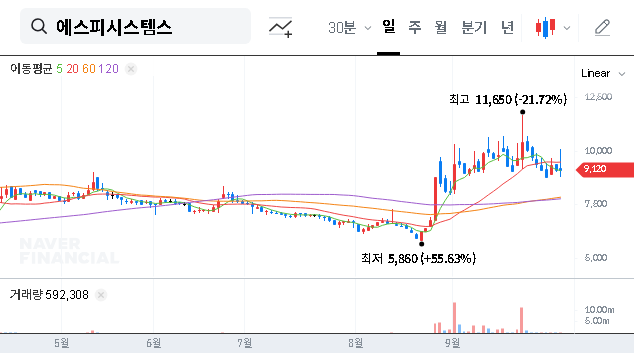
    On October 31, 2025, SP SYSTEMS CO., LTD. officially announced its plan to dispose of 603,100 common shares. This block of shares represents approximately 5.6% of the total shares outstanding and is valued at around 6.9 billion KRW. As per the Official Disclosure on DART, these treasury shares are not being sold on the open market. Instead, they will serve as the underlying asset for a private placement of exchangeable bonds (EBs).

    What Are Exchangeable Bonds?

    Understanding this financial instrument is key to the SP SYSTEMS analysis. Unlike convertible bonds, which convert into new shares of the issuing company, exchangeable bonds are debt securities that can be exchanged for shares of a different company that the issuer holds in its portfolio. In this case, investors in the EBs can later exchange their bonds for the existing treasury shares of SP SYSTEMS. This method of fundraising is often chosen to raise capital with potentially lower interest costs and without the immediate dilutive effect of issuing new stock. For a deeper explanation, you can refer to authoritative sources like Investopedia’s guide on corporate bonds.

    Strategic Rationale: Why is SP SYSTEMS Making This Move Now?

    The timing of the SP SYSTEMS treasury share disposal is directly linked to its current operational landscape and future growth ambitions.

    • Fueling Growth Engines: The primary objective is to secure capital for strategic investments. SP SYSTEMS is heavily involved in the booming smart factory, secondary battery, and EV industries. This capital injection is expected to fund R&D and expand its Robotics and ICT business divisions.
    • Improving Profitability: The H1 2025 financial report indicated persistent operating losses. This fundraising is a proactive step to alleviate financial pressure, strengthen the balance sheet, and build a foundation for a sustainable return to profitability.
    • Capitalizing on a Strong Order Book: With a robust order backlog of 113.9 billion KRW, the company has confirmed future revenue streams. However, executing large-scale projects requires significant upfront capital, which this fundraise will provide.

    Market Impact: Opportunities and Risks for SP SYSTEMS Stock

    This decision presents a dual-sided scenario for the market and requires a nuanced assessment.

    The Positive Outlook

    • Enhanced Financial Structure: Raising capital via EBs improves financial soundness without immediately increasing the debt-to-equity ratio in the same way as a traditional loan.
    • Growth Momentum: Fresh capital can accelerate the development and deployment of new technologies, helping the company secure a larger market share.
    • Limited Immediate Dilution: Because it’s a private placement of EBs, there is no immediate flood of new shares hitting the public market, which mitigates concerns of instant value dilution for existing shareholders.

    Potential Risks and Considerations

    • Short-Term Volatility: The overhang of 5.6% of total shares potentially entering the market in the future could create short-term selling pressure and increase stock price volatility.
    • Future Dilution Risk: If and when bondholders exercise their option to exchange the bonds for shares, it will dilute the ownership stake of existing shareholders. The exchange price and timing are critical variables to watch.
    • Execution is Key: The success of this move hinges entirely on the company’s ability to translate the new capital into tangible profits. A failure to improve fundamental profitability would render the fundraising ineffective.

    Investor Checklist: What to Monitor Next

    For those invested in SP SYSTEMS stock, a cautious but watchful approach is warranted. Focus on these key areas:

    • Use of Proceeds: Monitor company disclosures for specific details on how the capital is deployed. Look for announcements related to new R&D projects, factory expansions, or strategic acquisitions.
    • Profitability Trends: The most crucial metric will be the trend in operating profit from H2 2025 onwards. Is the company turning the corner and converting its backlog into profit?
    • Bond Terms and Conversion Price: Pay close attention to the exchange price set for the bonds. A high exchange price is favorable for current shareholders as it makes dilution less likely. For more on this, you can read our guide to corporate finance strategies.

    Frequently Asked Questions (FAQ)

    Q1: Why is SP SYSTEMS disposing of its treasury shares?

    SP SYSTEMS is disposing of treasury shares to raise capital by issuing exchangeable bonds. This funding is earmarked for new investments and business expansion, particularly to enhance its competitiveness in high-growth industries like smart factories and secondary batteries, and to improve its overall financial health.

    Q2: How will this treasury share disposal affect SP SYSTEMS’ stock price?

    In the short term, the potential for 5.6% of shares to eventually enter the market could cause price volatility. However, the long-term impact depends on success. If the capital is used effectively to drive growth and profitability, it could have a very positive effect on the stock price, outweighing the initial concerns.

    Q3: What do the exchangeable bonds mean for existing shareholders?

    Initially, there is no dilution. Exchangeable bonds are a form of debt. The risk of dilution only materializes if and when the bondholders decide to convert their bonds into shares. Investors should monitor the conversion price—a price significantly higher than the current stock price is a good sign for existing shareholders.

    (317830) SP SYSTEMS Treasury Share Disposal: A Deep Dive Analysis for Investors 관련 이미지
  • (317830) SP SYSTEMS Exchangeable Bond: A Deep Dive into the ₩6.9B Issuance & Investment Strategy

    (317830) SP SYSTEMS Exchangeable Bond: A Deep Dive into the ₩6.9B Issuance & Investment Strategy

    The recent announcement of the SP SYSTEMS Exchangeable Bond (EB) issuance has sent ripples through the investment community. The company’s decision to raise ₩6.9 billion through this financial instrument presents a classic dilemma for shareholders: is this a strategic move to fuel growth, or a prelude to painful share dilution? With a zero-percent interest rate and an exchange price above the current market value, the deal has attractive features. However, understanding the full picture requires a deeper analysis of the company’s financial health, the macroeconomic climate, and the specific terms of the issuance.

    This comprehensive guide will dissect the SP SYSTEMS EB deal, analyze the potential outcomes, and provide a clear, actionable investment strategy for current and prospective shareholders.

    Decoding the ₩6.9 Billion SP SYSTEMS Exchangeable Bond

    On October 31, 2025, SP SYSTEMS CO.,LTD. filed a disclosure detailing its private placement of Exchangeable Bonds. An Exchangeable Bond is a type of hybrid debt security that can be exchanged for a specific number of shares of a different company’s stock (in this case, treasury stock of SP SYSTEMS itself). Here are the critical details from the official filing:

    • Total Issuance Amount: ₩6.9 billion, representing 5.60% of the company’s market capitalization.
    • Issuance Method: Private Placement, indicating it was offered to a select group of institutional investors.
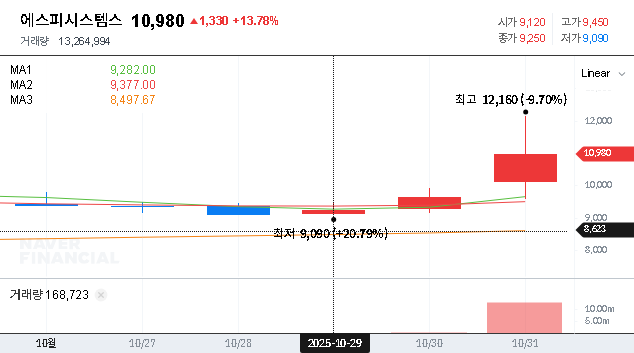
    • Exchange Price: ₩11,446 per share, a premium over the current price of ₩10,980.
    • Interest Rates: A remarkable 0.0% for both the coupon rate and the maturity rate, meaning SP SYSTEMS pays no interest on this debt.
    • Exchange Period: Investors can begin exchanging the bonds for shares from December 10, 2025, through October 10, 2030.

    The 0% interest rate is a significant vote of confidence from the private investors, suggesting they believe the true value lies in the potential stock appreciation, not in fixed-income returns.

    A Deep Dive into SP SYSTEMS’ Financial Health

    To understand why this fundraising is necessary, we must look at the company’s current financial standing. SP SYSTEMS is at a crossroads, balancing technological prowess with operational challenges.

    Profitability and Performance

    The company reported an operating loss in the first half of 2025, largely due to underperformance in its ICT and battery component divisions. This highlights a pressing need for capital to either restructure these segments or double down on high-growth areas. On the bright side, the core robotics business is showing a strong order backlog, representing a significant growth engine that requires investment to scale.

    Debt and Financial Structure

    A key concern for investors is the rising debt-to-equity ratio, which has climbed from 44.77% in 2022 to a more concerning 83.64% in 2024. This trend indicates increasing financial leverage and risk. The EB issuance, while technically debt, is structured in a way to potentially convert to equity, which could help manage this ratio if the stock performs well. However, if the stock languishes, the company will be on the hook to repay the ₩6.9 billion principal in 2030.

    The Double-Edged Sword: Growth vs. Share Dilution

    The primary debate surrounding the SP SYSTEMS Exchangeable Bond centers on its potential impacts—both positive and negative.

    The Bull Case: A Catalyst for Growth

    • Cost-Free Capital: Securing ₩6.9 billion at a 0% interest rate is a major financial win, minimizing the cost of capital and allowing funds to be deployed directly into value-creating projects.
    • Fueling the Robotics Engine: This capital infusion could be exactly what SP SYSTEMS needs to expand its robotics division, fulfill its order backlog, and capture a larger market share in a booming industry. For more on this sector, see our Guide to Robotics Industry Stocks.
    • Stock Price Signal: The premium exchange price (₩11,446) implies that both the company and the investors believe the stock’s true value is higher than its current price, which could attract new buyers.

    The Bear Case: The Specter of Share Dilution

    • Share Dilution Risk: This is the most significant risk. If and when bondholders exchange their bonds, the number of outstanding shares will increase. This means each existing share represents a smaller piece of the company, potentially reducing Earnings Per Share (EPS) and depressing the stock price.
    • Repayment Obligation: If the company’s stock price fails to rise above the ₩11,446 exchange price, investors will not convert their bonds. In this scenario, SP SYSTEMS will have to repay the full ₩6.9 billion principal in 2030, which could strain its finances.
    • Market Overhang: The existence of these potential new shares can create a market ‘overhang,’ where some traders may be hesitant to buy, knowing a large block of shares could be issued if the price rises.

    Investment Strategy & Action Plan

    Given the balance of opportunities and risks, a cautious but watchful approach is recommended. The success of this SP SYSTEMS investment hinges on management’s execution.

    Investors should focus on the following key areas:

    • Monitor Fund Utilization: Watch for official company announcements detailing exactly how the ₩6.9 billion will be used. A clear, strategic plan focused on the high-growth robotics division would be a strong positive signal.
    • Track Key Financial Metrics: Keep a close eye on quarterly earnings reports. Look for improvements in operating margins, a stabilization of the debt-to-equity ratio, and tangible revenue growth from the robotics segment.
    • Review Primary Sources: For complete due diligence, investors should review the primary filing themselves. You can find the Official Disclosure via the DART report for firsthand information.

    In conclusion, the SP SYSTEMS Exchangeable Bond is not an inherently good or bad event, but a strategic tool. Its ultimate impact on shareholder value will be determined by whether the capital generates a return that outweighs the potential dilution. The next few quarters will be critical in revealing whether this move was a masterstroke in corporate finance or a sign of underlying financial pressure.

    (317830) SP SYSTEMS Exchangeable Bond: A Deep Dive into the ₩6.9B Issuance & Investment Strategy 관련 이미지
  • (317830) SP Systems Stock: Analysis of ₩8.9B Robot Contract & Future Outlook

    (317830) SP Systems Stock: Analysis of ₩8.9B Robot Contract & Future Outlook

    Investors watching SP Systems stock (KRX: 317830) have received a significant piece of news amid a period of sluggish performance. The company has announced a major ₩8.9 billion contract, raising critical questions: Is this the catalyst needed for a stock price rebound, or do underlying financial weaknesses warrant continued caution? This comprehensive investor analysis will dissect the contract’s details, evaluate the company’s current financial health, and provide a clear outlook on what this means for the future of SP Systems.

    The Landmark ₩8.9 Billion Robot System Contract

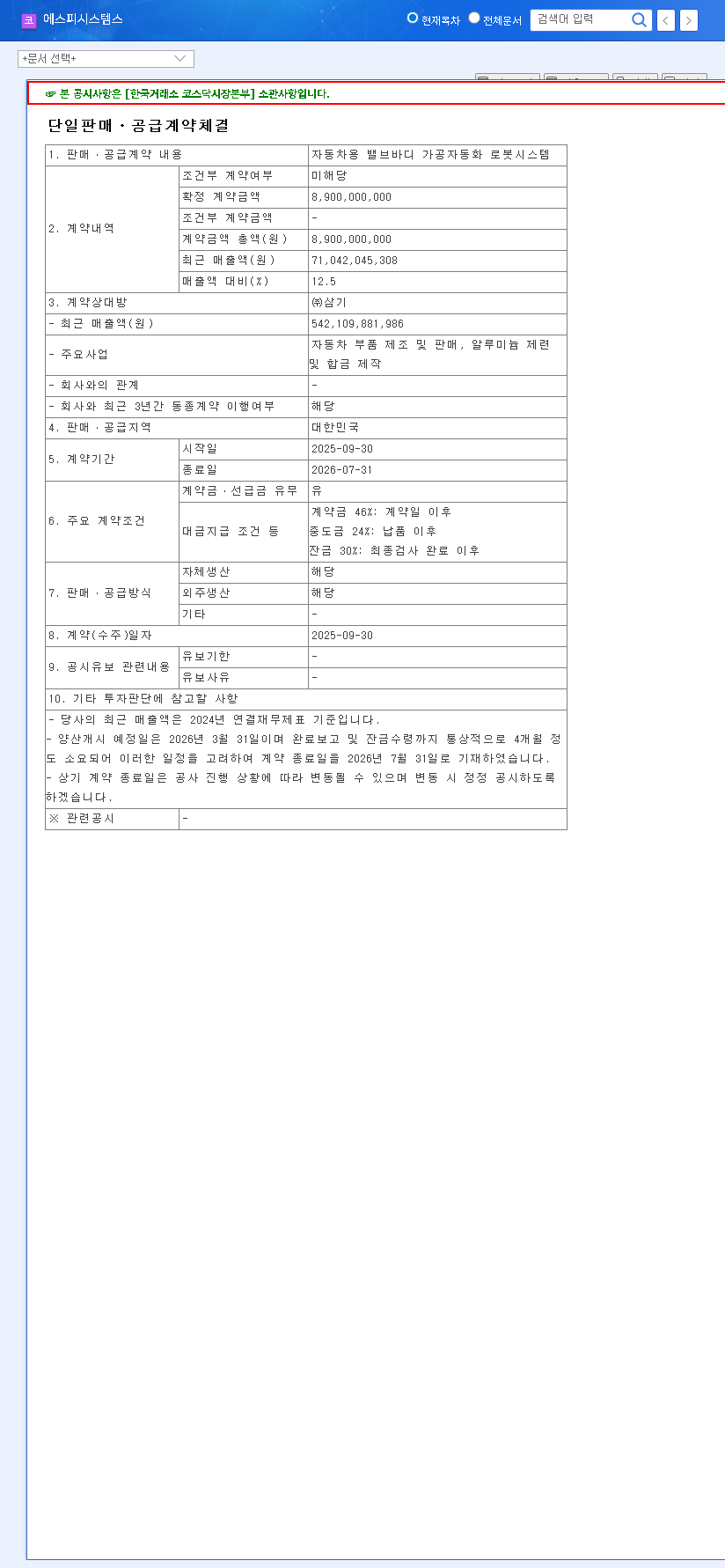
    On September 30, 2025, SP Systems officially disclosed a landmark agreement with Joo Sam Gi to supply a sophisticated automotive valve body processing automation robot system. This type of system is crucial for high-precision manufacturing in the automotive sector, handling complex tasks that demand both speed and accuracy. The deal represents a significant vote of confidence in SP Systems’ core technological capabilities. The official filing provides complete transparency on the agreement (Source: Official DART Disclosure).

    Key details of the contract are as follows:

    • Contract Value: ₩8.9 billion KRW
    • Significance: Represents a substantial 12.5% of the company’s H1 2025 revenue.
    • Contract Period: September 30, 2025, to July 31, 2026 (approximately 10 months).

    Current Financial Health: A Cautious Diagnosis (H1 2025)

    To understand the full impact of this contract, we must first assess the financial landscape SP Systems is currently navigating. The first half of 2025 painted a challenging picture, highlighting areas that require significant improvement before investors can feel confident in a long-term turnaround for the SP Systems stock.

    Despite the promising new contract, the company’s recent performance shows a 9.2% year-on-year revenue decline and a widening operating loss of ₩2.13 billion, underscoring the urgency for this new revenue stream.

    Profitability and Cash Flow Concerns

    The financial statements reveal that all primary business units—Robotics, ICT, and Battery Parts—experienced both revenue declines and operating losses in H1 2025. This broad-based weakness is a key concern. Furthermore, a persistent negative operating cash flow indicates that the company’s core operations are consuming more cash than they generate, putting pressure on liquidity and financial stability.

    Analyzing the Impact on SP Systems Stock

    The ₩8.9 billion SP Systems contract acts as a powerful counter-narrative to the recent financial struggles. However, its true effect on the company’s value will depend on a careful balance of positive catalysts and underlying risks.

    Positive Catalysts for Growth

    • Immediate Revenue Injection: This contract will directly and significantly boost revenue figures over the next year, providing a much-needed lifeline to the top line.
    • Core Business Validation: Securing a major deal for its flagship robot automation system reinforces its technical leadership and market reputation, which can attract future clients.
    • Long-Term Potential: The company’s focus areas—industrial robotics, smart factory ICT solutions, and EV battery components—are aligned with major global growth trends. Read our deep dive into the smart factory industry for more context on this expanding market.

    Potential Risks and Considerations

    • Profitability is Not Guaranteed: Securing revenue is one thing; delivering it profitably is another. Close attention must be paid to the project’s margins. If execution costs are high, the net benefit to the bottom line could be minimal.
    • One-Time vs. Sustained Growth: Is this a one-off success or the start of a trend? The market will be looking for a consistent pipeline of new orders to confirm a genuine business turnaround.
    • Macroeconomic Headwinds: The global economic climate, particularly investment sentiment in the automotive and manufacturing sectors, remains a significant external risk. A slowdown could impact future orders, as noted in recent industry reports from major financial news outlets.

    Investor Action Plan & Final Verdict

    For those evaluating SP Systems stock, a dual-track approach is prudent. The contract undeniably provides short-term positive momentum and could lift the share price from its current slump. However, a long-term investment decision should be withheld until there is clear evidence of two things: sustained profitability from this contract and a tangible pipeline of future orders. The key to unlocking long-term value lies in management’s ability to translate this single victory into a broader operational and financial recovery across all business segments.

    Frequently Asked Questions

    What is the scale of the new SP Systems contract?

    The contract with Joo Sam Gi is valued at ₩8.9 billion KRW, a significant sum that represents 12.5% of SP Systems’ entire revenue from the first half of 2025.

    What are the main business divisions of SP Systems?

    SP Systems operates across three core areas: industrial robot automation systems, ICT solutions (including AI and smart factory software), and manufacturing components for secondary batteries and automobiles.

    What should investors monitor regarding this contract?

    Investors should closely watch the project’s profitability upon completion, the company’s ability to secure follow-on orders of a similar scale, and overall improvements in the company’s operating cash flow and profitability across all divisions.

    (317830) SP Systems Stock: Analysis of ₩8.9B Robot Contract & Future Outlook 관련 이미지