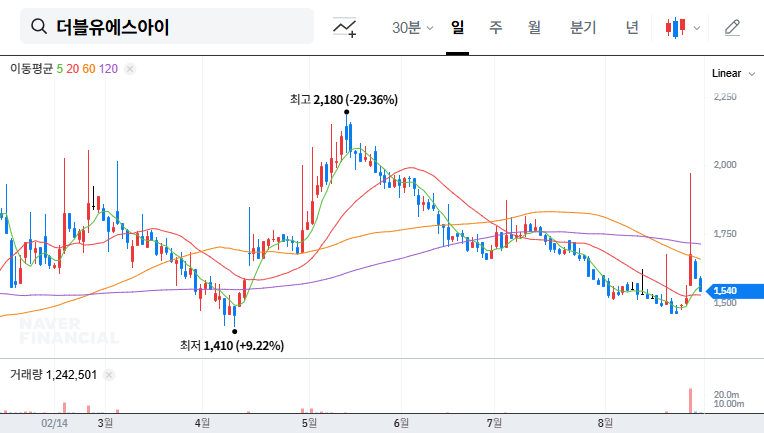
Tag: 299170

  • (299170) WSI Co., Ltd. Convertible Claim Exercise (299170): Full Analysis & Investment Strategy

    (299170) WSI Co., Ltd. Convertible Claim Exercise (299170): Full Analysis & Investment Strategy

    The recent announcement of the WSI Co., Ltd. convertible claim exercise has sent ripples through the investment community, leaving many shareholders and potential investors asking critical questions. This corporate action, involving the conversion of debt into equity, is a pivotal moment for the company (ticker: 299170). It presents both short-term risks, like stock dilution, and long-term opportunities, such as a strengthened financial position. This comprehensive WSI stock analysis will dissect the event, examine the company’s fundamentals, and provide a clear investment strategy to navigate the potential volatility and capitalize on future growth.

    Deconstructing the Convertible Claim Exercise

    At its core, a convertible claim exercise is a mechanism where holders of convertible debt (like convertible bonds or convertible redeemable preferred shares) choose to exchange that debt for a predetermined number of common shares. On November 13, 2025, WSI Co., Ltd. officially announced this action. Understanding the specifics is the first step in a sound 299170 investment strategy.

    Key Details of the Event

    • Event Date: November 13, 2025
    • New Shares Claimed: 604,593 common shares
    • Scheduled Listing Date: November 27, 2025
    • Conversion Price: 1,654 KRW per share
    • Estimated Dilution: Approximately 1.59% of total outstanding shares

    This information, sourced from the company’s Official Disclosure (DART), highlights a crucial point: the conversion price is significantly lower than the recent stock price of 2,385 KRW. This creates an immediate arbitrage opportunity for bondholders, which can influence short-term market dynamics.

    Fundamental Analysis of WSI Co., Ltd.

    To understand the long-term convertible bonds impact, we must look beyond the single event and evaluate the underlying health of the business. WSI is a company in transition, aggressively pursuing diversification to fuel new growth.

    Strengths & Opportunities

    • Strategic Diversification: The acquisition of IntroBiopharma Co., Ltd. has created a more robust, three-pronged business model spanning distribution, pharmaceuticals, and medical robots. This reduces reliance on a single revenue stream.
    • Future-Facing Ventures: Entry into high-growth markets like medical robotics (EasyMedibot Co., Ltd.) and cardiovascular devices shows a forward-thinking strategy to capture future value.
    • Profitability Signals: A recent year-over-year increase in operating profit, driven by these new businesses, suggests the diversification strategy is beginning to bear fruit.

    Weaknesses & Risks

    • Financial Strain: The very convertible debt now being exercised has increased total borrowings, leading to net losses from derivative valuation adjustments and higher interest costs.
    • New Business Uncertainty: The medical robot and cardiovascular ventures are still nascent. They require significant capital and time to prove their market viability and become major revenue contributors.
    • Macroeconomic Headwinds: As explored in our guide to evaluating macroeconomic factors, high interest rates, a strong USD/KRW exchange rate, and volatile oil prices can pressure margins and dampen investor sentiment.

    Stock Price Impact: Short-Term Pain, Long-Term Gain?

    The WSI Co., Ltd. convertible claim exercise creates a classic conflict between short-term market mechanics and long-term corporate health.

    The primary short-term concern is stock dilution. When new shares are created, the ownership stake of existing shareholders is reduced. This can lead to a temporary drop in earnings per share (EPS) and the stock price.

    The Short-Term Outlook: Navigating Volatility

    The introduction of 604,593 new shares, priced well below the market rate, will likely create selling pressure. Investors who converted their bonds may look to lock in quick profits by selling their newly acquired shares. This supply increase could temporarily depress the stock price around the November 27th listing date. However, sophisticated investors, like those who read market analysis from sources like Bloomberg, often anticipate such events, meaning some of this impact may already be priced in.

    The Long-Term Outlook: A Healthier Company

    Looking beyond the immediate market reaction, this event is a net positive for WSI’s balance sheet. By converting debt to equity, the company reduces its liabilities and interest expense. This improves its debt-to-equity ratio, making it a financially sounder entity. The capital infusion is also critical for funding the very growth engines—pharmaceuticals and medical devices—that are key to its long-term success. A successful execution of these new ventures, funded by this move, will ultimately create far more value than the ~1.59% dilution erodes.

    Our Recommended WSI Investment Strategy

    Given the competing factors, a nuanced 299170 investment strategy is required. A one-size-fits-all approach is ill-advised.

    • For Short-Term Traders: A cautious, wait-and-see approach is prudent. The risk of downward pressure post-listing is significant. Monitoring trading volume and price action around November 27th is key before committing capital. Impulsive buying is not recommended.
    • For Long-Term Investors: The focus should be on the execution of the business strategy. This event improves the company’s financial footing to pursue its goals. The potential for a short-term price dip could represent a buying opportunity if you believe in the long-term vision of WSI’s diversified model.

    Ultimately, we recommend a ‘Conservative Wait-and-See’ stance. The potential for long-term upside is real, but the uncertainties surrounding the new ventures and the macroeconomic climate demand patience. Continuously monitor progress on the key initiatives outlined below to make an informed decision.

    Frequently Asked Questions (FAQ)

    What is the main short-term risk of the WSI convertible claim exercise?

    The main short-term risk is stock dilution and selling pressure. The addition of over 600,000 new shares can decrease the value of existing shares and lead to a temporary price drop as new shareholders sell to realize profits.

    How does this event benefit WSI Co., Ltd. in the long run?

    In the long term, it improves the company’s financial health by reducing debt and interest payments. This de-risks the balance sheet and provides the necessary capital to invest in high-growth areas like their pharmaceutical and medical robot divisions, which are crucial for future value creation.

    What should investors monitor moving forward?

    Investors should monitor the revenue growth and profitability of IntroBiopharma, tangible market penetration of the medical robot and cardiovascular businesses, improvements in the debt-to-equity ratio in subsequent quarterly reports, and the company’s response to ongoing macroeconomic trends.

    Disclaimer: This article is for informational purposes only and is based on publicly available data. It does not constitute financial advice. All investment decisions carry risk, and the ultimate responsibility lies with the individual investor.
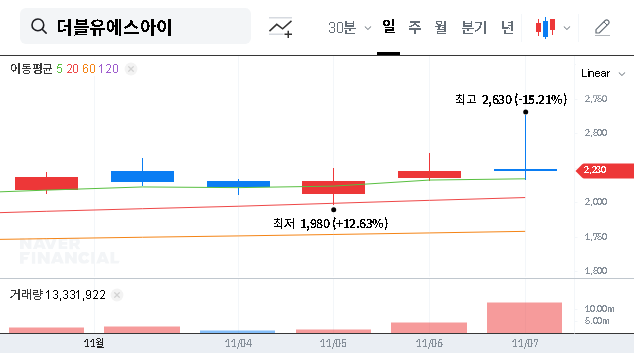
    (299170) WSI Co., Ltd. Convertible Claim Exercise (299170): Full Analysis & Investment Strategy 관련 이미지
  • (299170) WSI Co., Ltd. (299170) Major Shareholder Stake Change: In-Depth Analysis & Stock Impact

    (299170) WSI Co., Ltd. (299170) Major Shareholder Stake Change: In-Depth Analysis & Stock Impact

    A recent disclosure surrounding the WSI Co., Ltd. major shareholder stake change has caught the attention of the market. On November 13, 2025, a filing revealed a shift in the equity held by CEO Park Jeong-seop, a move that, while seemingly minor, can send significant ripples through a company’s stock valuation and perceived stability. For investors tracking WSI Co., Ltd. (299170), especially as it ventures into new growth areas like medical robotics, understanding the nuances of this event is crucial for making informed decisions. This comprehensive analysis will explore the specifics of the change, its potential impact on the WSI stock price, and the strategic considerations for investors moving forward.

    The Specifics of the Stake Change Disclosure

    The core of the event lies in a routine but critical regulatory filing. According to the Official Disclosure on DART, the reporting representative, CEO Park Jeong-seop, confirmed a change in his controlling stake with the stated purpose of influencing management. This was not a single transaction but a series of market activities.

    Key Transaction Details: The major shareholder’s consolidated stake shifted from 51.46% to 50.54%, a net decrease of 0.92%. This resulted from Mr. Park Jae-yong selling 60,000 shares and Mr. Ahn Jin-soo purchasing 7,310 shares in open market transactions between October and November 2025.

    While the overall stake reduction is less than one percent, the key takeaway is that the majority ownership, a critical threshold for absolute management control, remains intact. However, the sale of a substantial 60,000-share block by an insider is what requires deeper analysis.

    Why a Major Shareholder’s Move Matters

    In stock market analysis, the actions of major shareholders and top executives are often seen as powerful signals. This is particularly true when the stated purpose is to influence management control. The sale of shares by an insider can be interpreted in several ways, from simple portfolio diversification to a potential lack of confidence in the company’s short-term prospects. For a company like WSI, which is at a pivotal point of expanding from medical distribution into higher-growth sectors like pharmaceutical R&D and medical robotics, any hint of instability can make investors nervous. This WSI Co., Ltd. major shareholder stake change forces the market to weigh the company’s ambitious growth story against the actions of its key stakeholders.

    WSI Company Analysis: A Tale of Two Narratives

    To understand the potential impact, we must look at the company’s current fundamental health, which presents a mix of compelling growth factors and notable risks.

    • Positive Momentum: WSI is actively pursuing business diversification. The acquisition of IntroBiopharma signals a serious move into pharmaceutical manufacturing, creating potential synergies with its existing distribution network. Furthermore, its foray into medical robot development, including an MOU with China’s Shenjian Teker, opens up a high-potential market. A significant positive is the company’s return to operating profit in Q1 2025, suggesting that cost-control measures and new business lines are beginning to bear fruit.
    • Underlying Risks: The balance sheet reveals financial headwinds. With total borrowings of over 22 billion KRW and a net loss in Q1 2025 driven by derivative valuation losses on convertible bonds, the company’s financial structure is a point of concern. These financial instruments can introduce earnings volatility tied to interest rates and currency fluctuations. Moreover, the success of new ventures like medical robots is far from guaranteed, facing technological hurdles, regulatory approvals, and intense market competition. This duality is a key part of any 299170 company analysis.

    Potential Market Reaction and Stock Price Impact

    The market’s reaction will likely be multifaceted. The disclosure of a major shareholder selling shares typically exerts short-term downward pressure on a stock. The 60,000-share sale is not insignificant and could be perceived as a negative signal, potentially creating an overhang on the WSI stock price. Investors will be watching closely for any follow-up sales from Mr. Park Jae-yong, as this would amplify concerns.

    However, the fact that a majority stake is maintained provides a strong counter-narrative against fears of immediate management instability. The long-term trajectory of the WSI stock price will ultimately depend on a different set of factors: the successful execution of its new business ventures and a tangible improvement in its financial health. Investors can learn more about these principles in our complete guide to fundamental analysis.

    A Prudent WSI Investment Strategy

    Given the blend of positive long-term potential and short-term event-driven risks, a cautious and watchful approach is warranted. The current situation is not a clear buy or sell signal but a call for diligent monitoring.

    • Monitor Insider Activity: Keep a close eye on DART filings for any further changes in shareholdings by key insiders. Stability in the majority stake is paramount.
    • Track Fundamental Progress: Scrutinize upcoming quarterly reports for evidence that the IntroBiopharma acquisition is boosting revenues and for updates on the medical robot development timeline. Look for improvements in the company’s debt levels.
    • Consider Macro Factors: Be aware of macroeconomic trends. As an authoritative source like the Bank of Korea often reports, changes in interest rates and currency exchange rates can directly impact WSI’s financial costs and profitability.

    In conclusion, the WSI Co., Ltd. major shareholder stake change is a noteworthy event that adds a layer of uncertainty. However, it should be viewed within the broader context of the company’s strategic transformation. A prudent WSI investment strategy should prioritize the company’s long-term growth fundamentals over short-term market noise triggered by this disclosure.

    (299170) WSI Co., Ltd. (299170) Major Shareholder Stake Change: In-Depth Analysis & Stock Impact 관련 이미지
  • (299170) WSI Co., Ltd. (299170) Stock Analysis: Inside Life Asset Management’s Major Share Sale

    (299170) WSI Co., Ltd. (299170) Stock Analysis: Inside Life Asset Management’s Major Share Sale

    The recent WSI Co., Ltd. share sale by Life Asset Management, a major institutional investor, has sent ripples through the market, raising critical questions for current and potential investors. This disclosure, detailing a significant reduction in their holdings of WSI (299170), warrants a thorough WSI stock analysis. Why would an institution divest from a company with promising revenue growth? What does this move signal about WSI’s underlying financial health and future prospects? This article provides a comprehensive breakdown of the event, its potential impact, and a strategic roadmap for navigating the resulting market volatility.

    We will dissect WSI’s fundamentals—both the impressive growth story and the concerning profitability challenges—within the context of a volatile macroeconomic environment. By understanding all facets of this situation, investors can make more informed decisions about their position in WSI Co., Ltd.

    The Catalyst: Life Asset Management’s Divestment

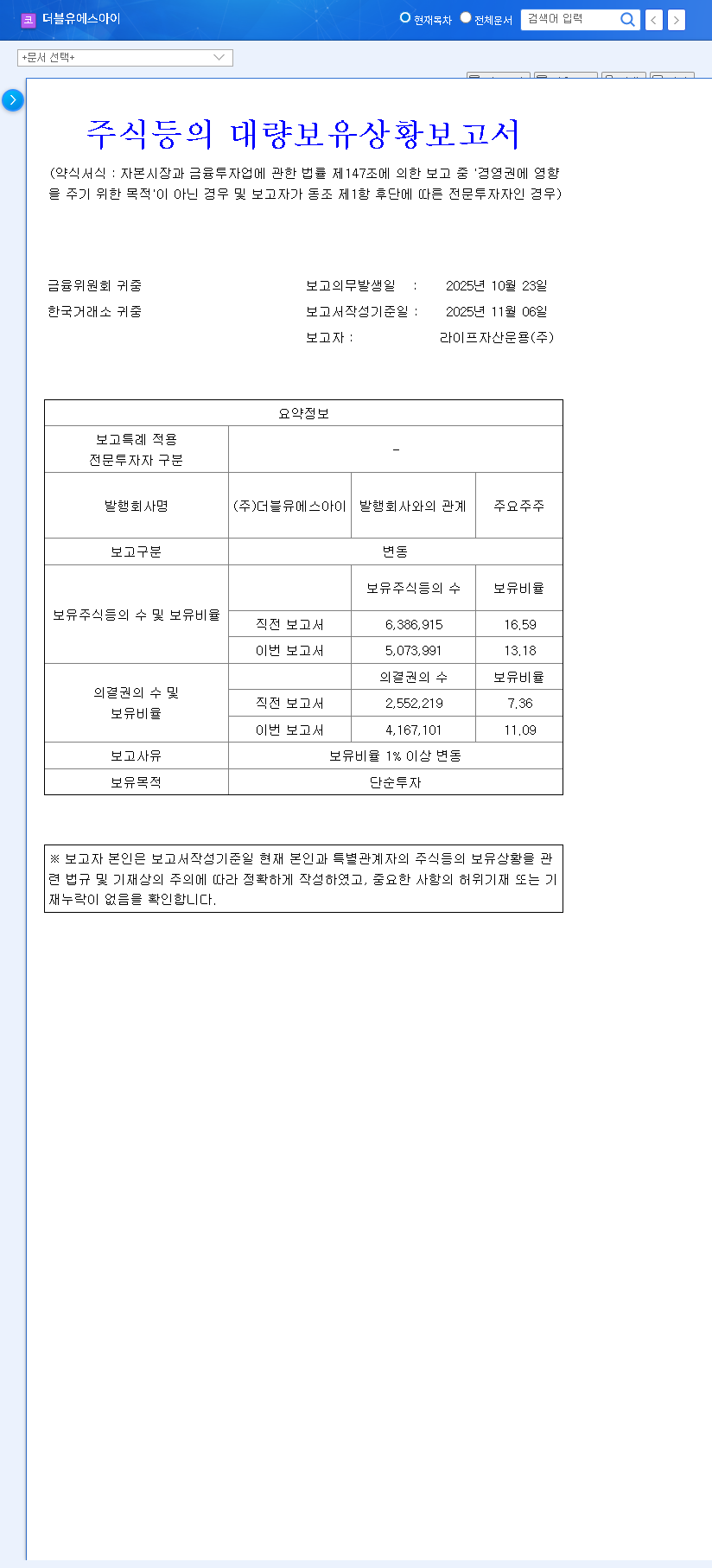
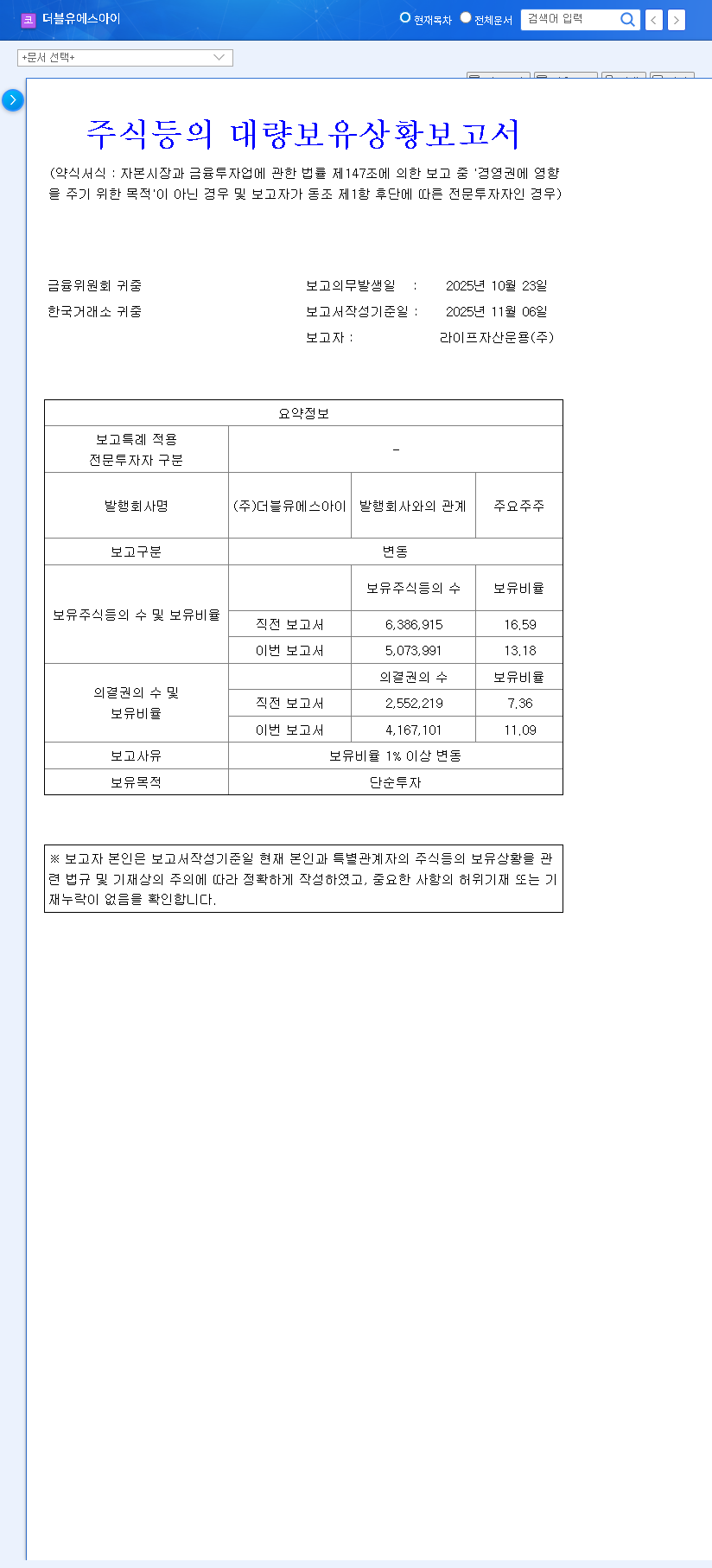
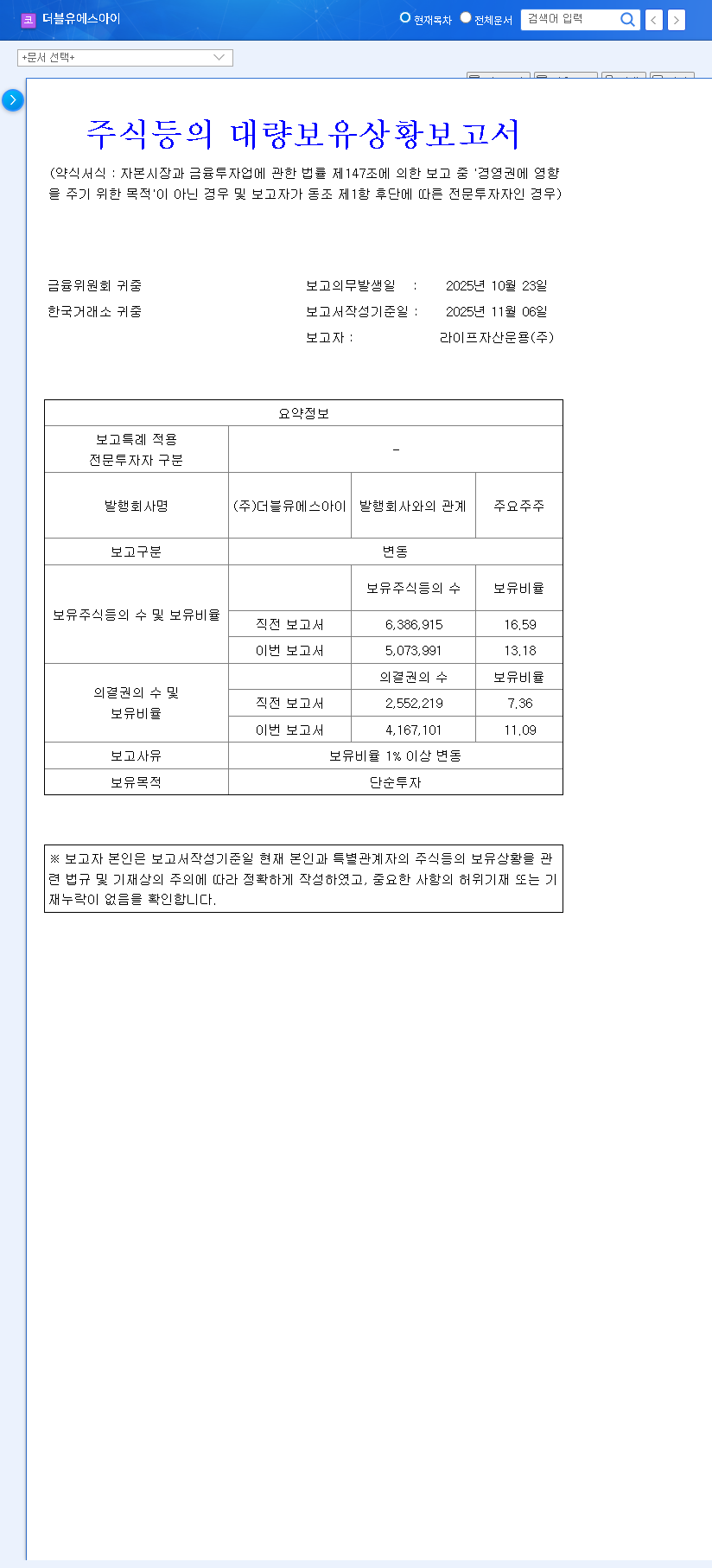
    On November 7, 2025, the market took note of an important filing concerning WSI Co., Ltd. (299170). The ‘Report on the Status of Large Shareholdings (Simplified)’ revealed that Life Asset Management sold approximately 1.03 million shares of WSI. This transaction reduced their significant stake from 16.59% down to 13.18%. For investors, a large-scale sale by a sophisticated institutional player initially holding for ‘simple investment’ purposes is a significant red flag that demands closer inspection. You can view the Official Disclosure here.

    Institutional sell-offs are often interpreted by the market as a leading indicator of underlying issues or a shift in confidence regarding a company’s short-term growth trajectory.

    Analyzing the ‘Why’: WSI’s Financial Landscape

    To understand the rationale behind the WSI Co., Ltd. share sale, we must look at the company’s dual narrative of rapid expansion clashing with profitability pressures and macroeconomic headwinds.

    The Bull Case: Impressive Growth and Diversification

    On the surface, WSI’s growth story is compelling. The company is actively and successfully diversifying its business model beyond its core distribution services.

    • Strategic Expansion: WSI is making calculated moves into high-growth areas like pharmaceutical manufacturing (via the IntroBiopharma acquisition) and medical robotics with its ‘U-Bot’ technology. This signals a strong focus on securing future revenue streams.
    • Robust Revenue Growth: A staggering 60% year-on-year revenue increase in Q1 2025 to KRW 25.808 billion is a testament to the success of these expansion efforts, particularly the integration of IntroBiopharma.

    The Bear Case: Profitability and Financial Health Concerns

    However, beneath the impressive top-line growth, signs of strain are emerging, which likely contributed to Life Asset Management’s decision.

    • Margin Compression: Operating profit grew by only 16.7%, lagging far behind the 60% revenue growth. This indicates that the cost of expansion and rising financial costs (KRW 4.195 billion from convertible bonds) are eating into profits.
    • Net Loss & Weak Cash Flow: The company posted a net loss of KRW 2.438 billion and saw its operating cash flow turn negative. This is a critical concern, as it suggests WSI is burning through cash despite higher sales. For more on this, see our guide to analyzing cash flow statements.
    • Macroeconomic Pressures: A rising USD/KRW exchange rate, sustained high interest rates, and volatile oil prices create a challenging operating environment, increasing import, logistics, and borrowing costs.

    Future Outlook: Navigating Short-Term Turbulence

    The immediate consequence of the WSI Co., Ltd. share sale is likely to be negative investor sentiment for WSI. The market may interpret Life Asset Management’s move as a vote of no confidence in WSI’s ability to manage its short-term financial burdens, overshadowing its long-term growth narrative.

    This could lead to increased downward pressure on the WSI 299170 stock price as other investors may follow suit or adopt a wait-and-see approach. The risk of further sales from the remaining 13.18% stake held by Life Asset Management creates an overhang on the stock. Understanding institutional investor behavior is key; you can learn more from authoritative sources like Investopedia’s analysis of institutional selling.

    Investor Action Plan & Key Monitorables

    Given the heightened uncertainty, a cautious and disciplined approach is warranted. Before making any investment decisions regarding WSI 299170, investors should closely monitor the following key areas:

    • Continued Institutional Flow: Keep a close watch on any further disclosures from Life Asset Management or other major shareholders. Continued selling could signal deeper issues.
    • Upcoming Earnings Reports: The next quarterly report is crucial. Look for tangible evidence of improved profitability, better cost controls, and a return to positive operating cash flow.
    • Business Plan Execution: Monitor progress reports on the integration of IntroBiopharma and the market adoption of the ‘U-Bot’ system. Real-world success in these new ventures is key to justifying the company’s long-term value.

    In conclusion, while the WSI Co., Ltd. share sale by a major institution is a significant headwind causing short-term concern, the company’s long-term growth initiatives remain intact. The path to stock price recovery will depend on WSI’s ability to translate its revenue growth into sustainable profit and manage its financial health effectively in a challenging economic climate.

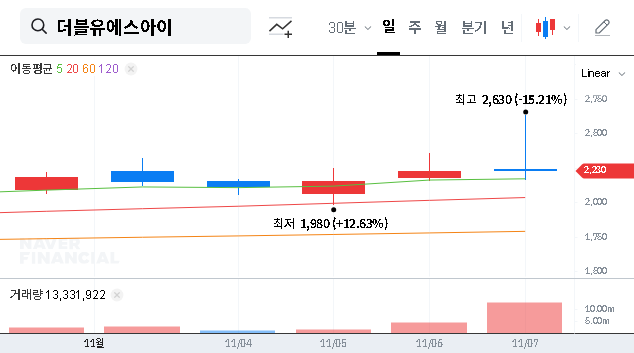
    (299170) WSI Co., Ltd. (299170) Stock Analysis: Inside Life Asset Management's Major Share Sale 관련 이미지
  • (299170) WSI Convertible Bond Exercise: A Deep Dive into Stock Impact & 2025 Investor Strategy

    (299170) WSI Convertible Bond Exercise: A Deep Dive into Stock Impact & 2025 Investor Strategy

    The recent announcement from WSI Co., Ltd. (WSI, 299170) regarding its latest convertible bond exercise has captured the attention of the investment community. This financial maneuver, while common, can have significant ripple effects on a company’s stock price, shareholder value, and overall financial stability. For investors, understanding the nuances of this event is critical to navigating market uncertainty and making informed decisions.

    This comprehensive analysis will delve into the specifics of the WSI convertible bond exercise, evaluate the company’s current fundamental health, and project the potential short-term and long-term impacts. We will provide a clear, actionable investment strategy to help you understand what this means for the future of WSI’s stock.

    Understanding the WSI Convertible Bond Exercise

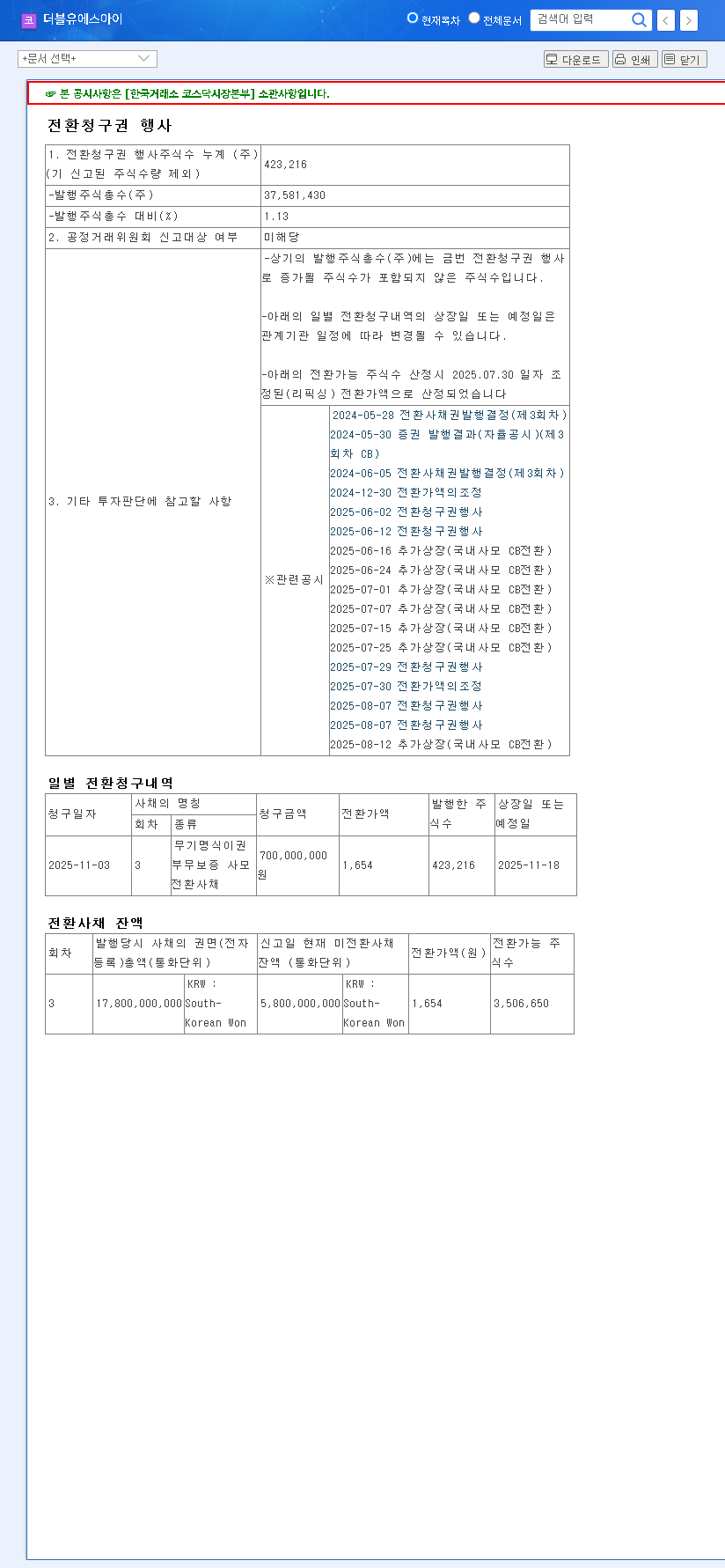
    On November 3, 2025, WSI officially disclosed that holders of its convertible bonds chose to exercise their right to convert debt into equity. In simple terms, investors are swapping their bonds for company shares. For a deeper understanding of the mechanics, you can read more about what convertible bonds are on authoritative financial sites.

    The key details of this specific event, based on the Official Disclosure, are as follows:

    • Total Shares Issued: 423,216 new shares will be listed.
    • Conversion Price: The bonds were converted at a price of KRW 1,654 per share.
    • Market Impact Scale: This volume represents just 1.13% of the current market capitalization, suggesting a limited immediate dilution effect.
    • Listing Date: The new shares are scheduled to begin trading on November 18, 2025.

    This conversion will increase the total number of outstanding shares, which can influence stock price dynamics, especially in the short term.

    WSI Stock Analysis: A Look at the Fundamentals

    To understand the true convertible bond impact, we must look beyond the event itself and conduct a thorough WSI stock analysis. The company is at a crossroads, balancing aggressive expansion with pressing financial challenges.

    Aggressive Expansion into High-Growth Sectors

    WSI is actively investing to secure future revenue streams by diversifying its portfolio. Key initiatives include:

    • Pharmaceuticals: Acquired a stake in Introbiopharma, entering the pharma manufacturing and R&D space.
    • Medical Robotics: Established Easymedibot Co., Ltd. to develop the ‘U-Bot’ surgical assistant robot.
    • Medical Devices: Secured supply contracts for cardiovascular interventional devices and expanded into spinal implant distribution.

    These moves position WSI in lucrative, forward-looking industries. However, such ambitious growth requires significant capital, which leads to the company’s current financial pressures.

    Current WSI Financial Status & Risk Factors

    The company’s 2025 semi-annual report paints a picture of short-term strain. The first half saw a 37.1% year-over-year drop in sales and a 77.4% plunge in operating profit, resulting in a net loss. This is largely attributed to M&A costs, R&D spending, and derivative valuation losses. Furthermore, borrowings have increased to fund this expansion, raising concerns about financial soundness in a high-interest-rate environment. You can learn more about assessing company health in our guide to fundamental analysis.

    The core challenge for WSI is managing its short-term financial burdens while ensuring its long-term growth investments begin to generate returns. The convertible bond exercise is a strategic step in this balancing act.

    Analyzing the Impact of the WSI Convertible Bond Exercise

    This event will have distinct effects in the short and long term.

    Short-Term Outlook: Volatility and Selling Pressure

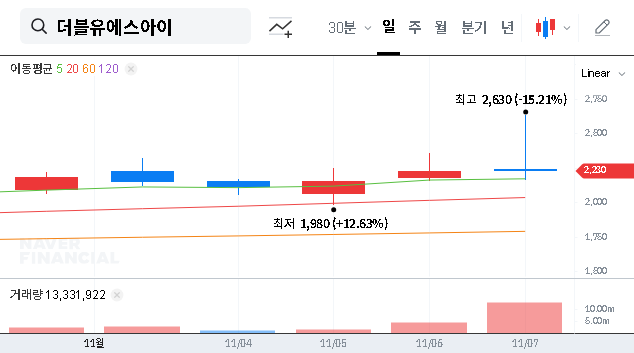
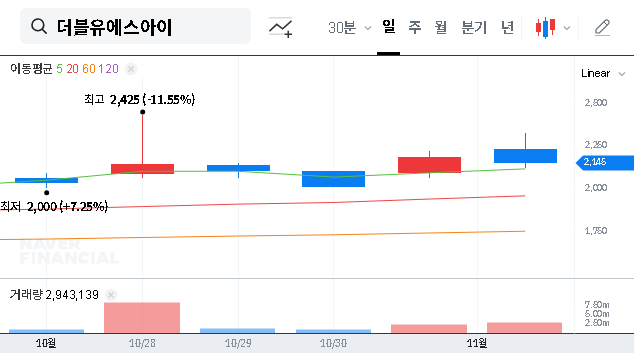
    The most immediate convertible bond impact will likely be increased stock volatility. With the current stock price (KRW 2,145) trading nearly 30% above the conversion price (KRW 1,654), bondholders have a strong incentive to sell their newly acquired shares to lock in profits. This can create a temporary supply-demand imbalance, putting downward pressure on the stock price around the November 18 listing date. The increase in share liquidity could also lead to higher trading volumes.

    Mid- to Long-Term Outlook: A Healthier Balance Sheet

    From a long-term perspective, the WSI convertible bond exercise is a positive development for the company’s financial structure. Key benefits include:

    • Debt Reduction: Converting debt to equity directly lowers the company’s liabilities and reduces its debt-to-equity ratio.
    • Improved Financial Soundness: A stronger balance sheet improves creditworthiness and reduces the burden of interest payments, freeing up cash flow for operations and investment.
    • Limited Dilution: Since the new shares represent only 1.13% of the market cap, the dilution of value for existing shareholders is minimal.

    Investor Strategy & Recommendations

    Considering all factors, investors should adopt a cautious yet watchful approach. The long-term vision is promising, but short-term hurdles are undeniable.

    1. Adopt a Cautious Stance: Acknowledge the risks presented by the recent weak financial performance and the cash burn from expansion before committing capital.

  • 2. Monitor for Performance Turnaround: Pay close attention to upcoming quarterly earnings reports. Look for tangible signs that the company’s investments in pharma and robotics are beginning to translate into revenue and profit growth.

    3. Watch for Further Capital Events: Keep an eye on disclosures for any additional bond exercises or capital increases, as these could further impact the stock’s dynamics.

    4. Plan for Short-Term Volatility: Be prepared for price fluctuations around the new share listing date. This could present a strategic entry point for long-term investors who are confident in the company’s growth story.

    In conclusion, while WSI’s convertible bond exercise signals a positive step towards deleveraging and strengthening its financial foundation, the company’s stock remains a play on future growth. Success hinges on its ability to turn ambitious expansion projects into profitable realities. Continuous monitoring is key.

(299170) WSI Convertible Bond Exercise: A Deep Dive into Stock Impact & 2025 Investor Strategy 관련 이미지
  • WSI (299170) Shareholder Change Analysis: Hidden Meaning and Investment Strategy


    WSI (299170) Shareholder Change Analysis: Hidden Meaning and Investment Strategy 대표 차트 이미지


    What Happened?

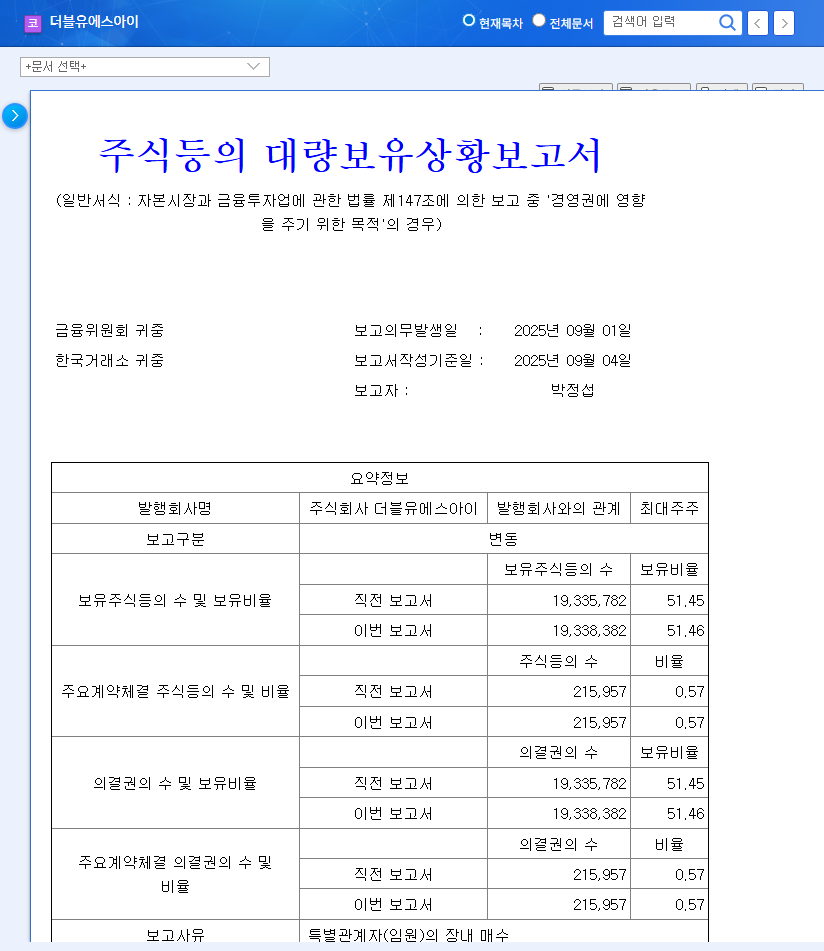
    A special relation shareholder of WSI, Mr. Jin-soo Ahn, purchased 2,600 common shares on the open market on September 1, 2025. This resulted in a slight increase in the stake held by CEO Jeong-seop Park and related parties, from 51.45% to 51.46%.

    Why is this Stake Change Important?

    This change is noteworthy because it involves the representative reporter, who has the objective of influencing management rights. The purchase of shares by a related party can be interpreted as a positive signal, demonstrating management’s commitment to responsible management.

    So What Should I Do? Investment Impact Analysis

    Short-Term Impact

    • Positive: Demonstration of responsible management commitment, potential improvement in investment sentiment.
    • Neutral: Minimal stake change limits direct impact on short-term stock price.

    Mid-to-Long-Term Impact

    • Positive: Management stabilization, momentum for business diversification and new business initiatives.
    • Caution: Requires improvement in financial structure and profitability; otherwise, positive impact on stock price is limited.

    Macroeconomic Impact

    • Macroeconomic uncertainties, such as interest rate hikes and exchange rate fluctuations, could increase WSI’s financial burden.

    Investor Action Plan

    Investors should closely monitor the following:

    • Future earnings improvement trend.
    • Debt management and efforts to improve financial structure.
    • Response to interest rate and exchange rate fluctuations.

    Investment decisions should be based on a thorough analysis of the company’s fundamental financial improvements and business performance, rather than short-term stake changes.


    Frequently Asked Questions (FAQ)

    What are WSI’s main businesses?

    WSI’s main business is pharmaceutical distribution. Recently, through the acquisition of IntroBio Pharma, it expanded into pharmaceutical manufacturing and R&D. WSI is also engaged in medical robot and cardiovascular intervention device businesses.

    Will this stake change have a positive impact on the stock price?

    In the short term, it may positively influence investor sentiment, but it is unlikely that a minimal stake change alone will significantly reverse the stock price. The company’s financial improvement will likely have a greater impact on the stock price.

    What is the most important thing to watch out for when investing?

    WSI is currently facing financial difficulties, including a large deficit and high debt ratio. Therefore, when investing, it is essential to closely monitor efforts to improve the financial structure and the trend of earnings improvement.


    WSI (299170) Shareholder Change Analysis: Hidden Meaning and Investment Strategy 관련 이미지
    WSI (299170) Shareholder Change Analysis: Hidden Meaning and Investment Strategy 관련 이미지


  • WSI (299170) Stock Forecast: Major Shareholder Divestment, Opportunity or Crisis?

    WSI (299170) Stock Forecast: Major Shareholder Divestment, Opportunity or Crisis? 대표 차트 이미지

    1. What Happened? Major Shareholder Stake Decreased by 14.55%

    WSI’s largest shareholder and related parties reduced their stake from 66% to 51.45%, a significant drop of 14.55%. This is due to over-the-counter sales and a decrease in pledged shares from loan repayments. Such a large sale can send a negative signal to the market and lead to downward pressure on the stock price.

    2. Why the Divestment? Liquidity vs. Management Control

    The exact reason for the divestment is unclear, but it is generally related to securing liquidity, improving financial structure, or a change in management control. In the case of WSI, it is presumed to be for securing funds for new business investments or alleviating the high debt burden. However, investors should also consider the possibility of a change in management control and monitor the situation closely.

    3. What’s Next? Short-term Decline vs. Long-term Growth Potential

    In the short term, downward pressure on the stock price is expected. The sale of a major shareholder’s stake negatively impacts investor sentiment. However, if the funds from the sale are effectively used for new business investments and the financial structure improves, a positive impact can be expected in the long term. However, the situation remains uncertain at present.

    4. What Should Investors Do? Conservative Observation and Close Monitoring

    Currently, a conservative approach is recommended. Investors should be aware of the possibility of a stock price decline and closely monitor the company’s financial soundness and new business performance. It is especially crucial to continuously monitor the synergy effect of the pharmaceutical business acquisition, the visibility of results from the medical robot business, and the company’s ability to repay debt. Investors should also pay attention to changes in the macroeconomic environment, such as exchange rate and interest rate fluctuations.

    Is the sale of a major shareholder’s stake a negative signal for the company?

    Generally, the sale of a major shareholder’s stake can be interpreted as a negative signal in the market. This is because the possibility of a change in management control and uncertainty about the major shareholder’s outlook for the company can negatively affect investor sentiment.

    What is the financial status of WSI?

    Despite increased sales, WSI recorded a net loss in the current period due to increased SG&A and financial costs. There are ongoing concerns about financial soundness due to the large amount of total debt and the significant size of convertible bonds and convertible preferred stock.

    Should I invest in WSI?

    Currently, a ‘conservative wait-and-see’ approach is recommended. Careful investment decisions are needed, considering the increased stock price volatility due to the sale of the major shareholder’s stake, continued financial risks, and uncertainties about the performance of new businesses. It is advisable to consider investing after confirming positive changes such as improvements in financial structure and visible results from new businesses.

    WSI (299170) Stock Forecast: Major Shareholder Divestment, Opportunity or Crisis? 관련 이미지
    WSI (299170) Stock Forecast: Major Shareholder Divestment, Opportunity or Crisis? 관련 이미지
  • WSI Co., Ltd. (299170) Semi-Annual Report Analysis: Balancing Business Expansion and Profitability Decline

    1. What Happened? Key Takeaways from the 2025 Semi-Annual Report

    WSI Co., Ltd. is undergoing aggressive business expansion, including medical robot development and pharmaceutical company acquisitions. While the company’s accumulated revenue for the first half of 2025 increased significantly year-over-year, it recorded a net loss, highlighting a decline in profitability.

    2. Why Did This Happen? Reasons for Business Expansion and Profitability Decline

    The revenue increase is attributed to the acquisition of IntroBioPharma and the launch of new businesses. However, high financial costs and non-operating expenses, such as derivative valuation losses, are the main causes of the net loss. Increased inventory due to investments in new businesses is also adding to the financial burden.

    3. What Should Investors Do? Action Plan

    • Monitor New Business Performance: Closely track the performance of the IntroBioPharma acquisition and the medical robot business.
    • Check Financial Health: Continuously monitor the company’s efforts to manage financial costs and improve its financial structure.
    • Analyze Macroeconomic Impact: Analyze the impact of macroeconomic changes, such as interest rates, exchange rates, and oil prices, on WSI’s profitability and business strategy.

    Frequently Asked Questions

    What are the main businesses of WSI Co., Ltd.?

    Based on pharmaceutical/medical device distribution, WSI is establishing vertical integration of distribution-manufacturing-R&D through medical robot manufacturing and pharmaceutical company acquisitions.

    What are the key takeaways from the 2025 semi-annual report?

    While revenue increased, the company recorded a net loss. High financial costs and financial burden from investments in new businesses are key issues.

    What should investors be aware of?

    Investors should consider the performance of new businesses, financial soundness, and macroeconomic changes comprehensively before making investment decisions.

  • WSI (299170) Stock Outlook: What Does Life Asset Management’s 3.34%p Stake Increase Mean?

    1. What Happened? Life Asset Management Acquires Additional 3.34% Stake in WSI

    Life Asset Management purchased an additional 3.34% stake in WSI through on-market purchases between July 31, 2025 and August 6, 2025, resulting in a total ownership of 16.59%. The purpose of the acquisition was stated as ‘simple investment.’

    2. Why? Positive Fundamentals and Growth Potential

    This investment can be interpreted as reflecting Life Asset Management’s positive outlook on WSI’s fundamentals and future growth prospects.

    • Business Diversification: WSI has diversified its business portfolio through the acquisition of IntroBio Pharma, entering the pharmaceutical market, and the establishment of EasyMediBot, a medical robot subsidiary.
    • Solid Performance: WSI recorded robust growth in operating profit and net income in Q1 2025, positively influenced by the IntroBio Pharma acquisition.
    • Strong Financials: WSI maintains a stable capital structure. The acquisition of its headquarters and subsidiaries further strengthens its long-term competitiveness.

    3. What’s Next? Potential Stock Price Momentum, But Volatility Should Be Considered

    This stake increase could boost market interest in WSI and improve investor sentiment. It may signal increased confidence from institutional investors. However, the potential for short-term selling pressure and increased volatility due to macroeconomic uncertainties should also be considered.

    4. Investor Action Plan: Close Monitoring and Prudent Investment

    Investors should closely monitor Life Asset Management’s future actions, WSI’s earnings announcements, and overall market conditions. It is crucial to take a long-term perspective and not be swayed by short-term price fluctuations. Careful analysis of the company’s fundamentals and growth potential is essential for making informed investment decisions.

    What does Life Asset Management’s stake increase in WSI signify?

    Life Asset Management has increased its stake in WSI by 3.34%, reaching a total of 16.59%. This can be seen as a sign of positive sentiment from institutional investors regarding WSI’s growth potential.

    What are the key investment points for WSI?

    Key investment points include business diversification through entry into the pharmaceutical market and medical robotics, robust earnings growth, and a stable financial structure.

    What should investors be cautious about?

    Investors should be aware of potential short-term price volatility and macroeconomic uncertainties. Thorough due diligence and market analysis are crucial before making investment decisions.