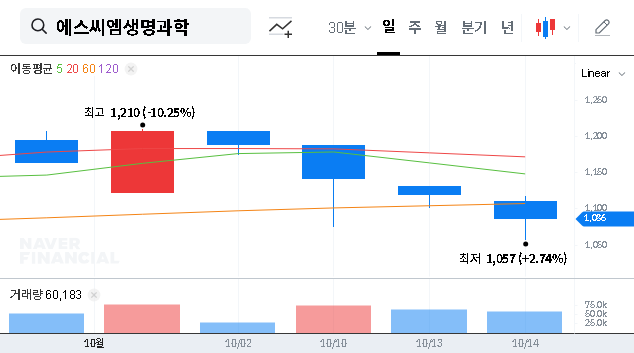
A comprehensive SCM Lifescience investment analysis is more critical than ever for investors navigating the volatile biotech sector. Recent disclosures about a major shareholder’s stake reduction have sent ripples through the market, prompting questions about the company’s stability and future. While such events can trigger short-term stock price fluctuations, seasoned investors know that the true value of a company like SCM Lifescience lies in its fundamental science, clinical progress, and long-term commercialization strategy. This deep dive will dissect the recent events, evaluate the company’s core pipelines and financial health, and provide a clear action plan for assessing your biotech investment strategy.
The Catalyst: Deconstructing the Shareholder Stake Sale
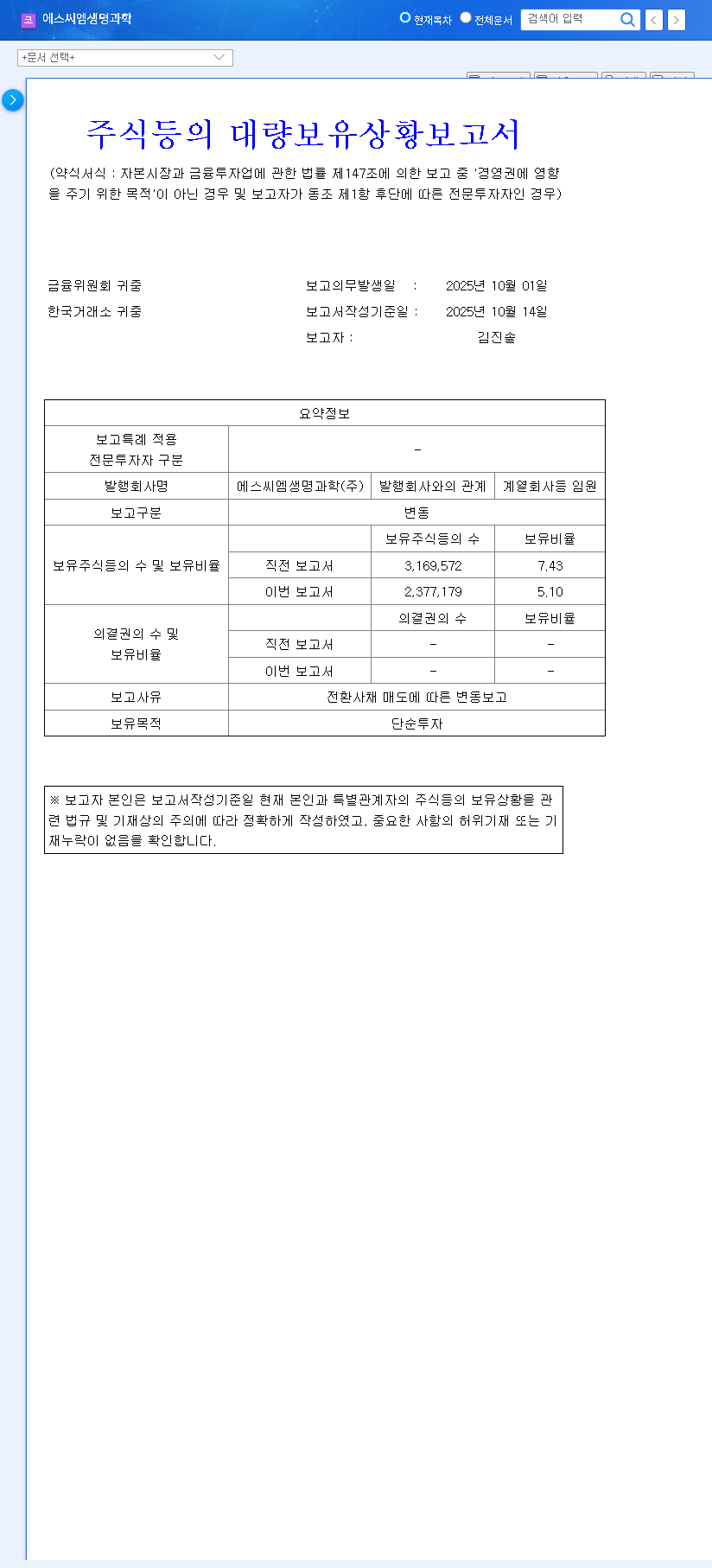
The primary news driving recent attention is the stake reduction by major shareholder Kim Jin-sol. The holding was reduced from 7.43% to 5.10% following the sale of convertible bonds. According to the Official Disclosure (DART Source), this means approximately 790,000 shares, previously held as convertible bonds, were converted into common stock and sold on the open market. This action is often interpreted as an investor deciding to realize profits, recover capital, or reallocate their investment portfolio. While it creates an overhang on the SCM Lifescience stock, it doesn’t intrinsically alter the company’s scientific research or business operations.
Market Impact and Investor Sentiment
The immediate consequences of such a large sale can include:
- •Short-Term Selling Pressure: A significant influx of shares can temporarily depress the stock price as the market absorbs the new supply.
- •Increased Market Float: While potentially creating a supply/demand imbalance, a higher free float can also lead to increased liquidity in the long run.
- •Perception Shift: The market may interpret the sale as a lack of confidence from a key investor, although this is purely speculative without direct knowledge of their motives.
While the shareholder sale creates market noise, the true signal for SCM Lifescience’s future will come from clinical data and partnership agreements, not from a single investor’s exit strategy. The focus must remain on the underlying fundamentals.
Core Business and Pipeline: An SCM Lifescience Analysis
To look beyond the short-term news, a thorough SCM Lifescience investment analysis requires a deep look at its core assets: the stem cell therapy pipeline. The global market for cell and gene therapies is expanding rapidly, a trend detailed in many industry reports from authoritative sources like the FDA and other global regulators.
Promising Clinical Developments
- •SCM-CGH (Graft-versus-Host Disease): The company has completed Phase 2 clinical trial registration and dosing. This is a significant milestone, as GvHD is a serious complication of allogeneic stem cell transplants.
- •SCM-AGH (Acute Pancreatitis, Atopic Dermatitis): Progress is being made toward Phase 3 trials, with partner discussions underway. Success in these common and difficult-to-treat conditions could be transformative.
- •Revenue Diversification: The ‘IRORO’ derma-cosmetic brand provides a secondary, albeit smaller, revenue stream and helps build commercial infrastructure.
Persistent Risks and Challenges
No biotech investment is without significant risk. Investors must weigh the potential against these considerable hurdles:
- •Chronic Deficit Structure: R&D expenses are immense (over 120% of sales), leading to sustained operating losses. The path to profitability is long and uncertain.
- •Clinical and Commercialization Uncertainty: The history of biotech is littered with promising drugs that failed in late-stage trials. For more on this, you can read our guide on understanding clinical trial phases for investors.
- •Management and Governance Issues: Recent changes in the largest shareholder, the liquidation of a US affiliate, and a temporary ban from national R&D projects (Jan 2025 – Dec 2027) are significant red flags that could impact strategy and investor trust.
Investor Action Plan: Key Monitoring Points
A prudent approach is required. Rather than reacting to daily price swings, focus on monitoring these fundamental long-term value drivers:
- •Clinical Trial Data: The single most important catalyst. Watch for announcements on Phase 2 results and the initiation of Phase 3 trials.
- •Financial Health: Track cash burn rate and any future capital raises. A clear plan to manage finances and extend the operational runway is crucial.
- •Partnerships & Licensing (L/O): Securing a partnership with a major pharmaceutical company would provide validation, non-dilutive funding, and commercial expertise.
- •Management Stability: Look for clear communication and resolution regarding the governance issues and R&D project sanctions.
Frequently Asked Questions (FAQ)
Q1: How does the stake sale affect the SCM Lifescience stock price?
The sale can create short-term downward pressure and volatility due to increased share supply. However, it does not change the company’s long-term scientific or business fundamentals, which are the ultimate drivers of value.
Q2: What is SCM Lifescience’s core business model?
The company’s core focus is on developing advanced stem cell therapy treatments for conditions like GvHD and pancreatitis. It also has a secondary derma-cosmetic business for revenue diversification.
Q3: What are the biggest risks for an SCM Lifescience investment?
The primary risks are the high uncertainty of clinical trial success, the continuous need for funding (cash burn), and recent management-related issues, including a temporary ban from national R&D projects.
Leave a Reply