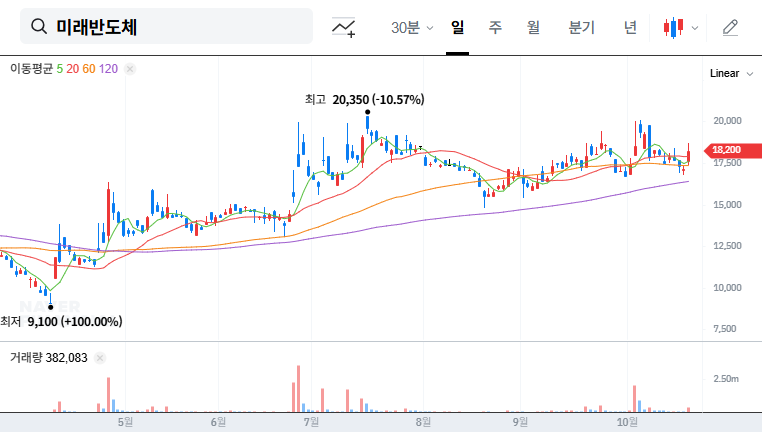
The recent announcement from MIRAI SEMICONDUCTORS CO., LTD. (254490) regarding its decision to issue ₩47 billion in convertible bonds has sent ripples through the investment community. This major capital injection signals ambitious growth plans, but it also introduces the critical risk of stock dilution. For investors, the key question is clear: Is this MIRAI SEMICONDUCTORS convertible bond issuance a strategic masterstroke paving the way for future profits, or a necessary evil that could diminish shareholder value?
This comprehensive analysis will dissect the issuance, providing investors with the clarity needed to navigate this pivotal moment. We will explore the company’s fundamentals, the macroeconomic landscape, and the direct implications of this financial maneuver, culminating in actionable investment strategies for stock 254490.
The ₩47 Billion Issuance: What You Need to Know
On November 6, 2025, MIRAI SEMICONDUCTORS is set to receive ₩47 billion through a private placement of convertible bonds. This strategic move is designed to fortify the company’s financial base and fuel its next phase of growth. For a deeper understanding of what convertible bonds are and how they work, you can explore authoritative financial resources. The key terms of this specific issuance are critical for any 254490 stock analysis:
- •Issuance Method: Private placement to a consortium of major institutional investors, including Samsung Securities, KB Securities, and NH Investment & Securities.
- •Coupon & Yield: Both the coupon rate and maturity yield are set at 0%, indicating investors are betting entirely on capital appreciation through stock conversion.
- •Conversion Price: Set at ₩18,245 per share, a slight premium over the current stock price of approximately ₩17,600.
- •Conversion Period: Bondholders can convert to stock from November 6, 2026, through October 6, 2030.
For complete details, investors can review the Official Disclosure (DART Report).
Why Now? Corporate Health and Market Dynamics
Fundamental Strengths & Weaknesses
An analysis of the H1 2025 report reveals a company at a crossroads. On one hand, MIRAI shows strong revenue growth, positive operating cash flow, and a solid equity base, bolstered by its long-term partnership with Samsung Electronics. However, significant challenges persist. The company’s operating profit margin remains low at 3.04%, and its heavy reliance on a single supplier (99% of sales from Samsung) presents a considerable concentration risk. Furthermore, rising inventory levels and a high borrowing ratio in a volatile currency environment are points of concern that this MIRAI SEMICONDUCTORS convertible bond aims to address.
This capital raise is a strategic move to de-risk the balance sheet and provide the dry powder necessary for R&D and diversification, directly tackling the company’s core weaknesses while doubling down on market opportunities.
Macroeconomic Tailwinds and Headwinds
The broader semiconductor market is poised for long-term growth, driven by insatiable demand from AI, 5G, and automotive sectors. This provides a favorable backdrop for MIRAI’s expansion. However, high interest rates globally increase borrowing costs, while the depreciation of the Korean Won creates a mixed impact—boosting export competitiveness but also increasing the cost of imported raw materials and creating foreign exchange losses. This complex environment makes securing flexible, long-term funding like this convertible bond investment a prudent strategic decision.
The Double-Edged Sword: Growth vs. Dilution
The Bull Case: Fueling Future Growth
The ₩47 billion injection provides MIRAI with significant firepower. This capital can be deployed to enhance operational efficiency, invest in next-generation R&D, and potentially diversify its client base beyond Samsung. Success in these areas could significantly enhance competitiveness and profitability, leading to substantial stock price appreciation. The fact that major financial institutions are participating signals a strong vote of confidence in the company’s long-term vision. This aligns with our internal semiconductor industry outlook report, which highlights the importance of strategic funding.
The Bear Case: The Inevitable Stock Dilution Risk
The primary downside is the stock dilution risk. If and when bondholders convert their debt to equity, the total number of outstanding shares will increase. This means each existing share represents a smaller percentage of the company, potentially reducing earnings per share (EPS) and the stock’s market value. With a conversion price only slightly above the current price, the threshold for this dilution to occur is relatively low. The market often reacts negatively to such announcements in the short term, fearing this future dilution.
Investor Action Plan & Strategic Outlook
Navigating the MIRAI SEMICONDUCTORS convertible bond issuance requires a nuanced strategy based on your investment horizon.
- •Short-Term (3-6 Months): Expect volatility. The market will likely price in the dilution risk, potentially creating downward pressure on the stock. Cautious investors may wish to wait for the dust to settle, while traders might find opportunities in the price swings.
- •Mid-to-Long-Term (1-3+ Years): The focus shifts entirely to execution. Investors should closely monitor how MIRAI utilizes the ₩47 billion. Key performance indicators will be improvements in operating margins, successful R&D outcomes, and any progress in diversifying revenue streams. If the company uses the capital effectively to generate growth that outweighs the dilution, long-term shareholders stand to benefit significantly.
In conclusion, this convertible bond issuance is a calculated risk by MIRAI’s management. It presents a clear trade-off between near-term dilution concerns and long-term growth potential. Informed investors should weigh both sides, aligning their strategy with the company’s progress in converting this new capital into tangible value.
Leave a Reply