Tag: 204020

  • (204020) GRITEE Stock Analysis: Ecomarketing Ups Stake to 12.18% – A Bullish Signal or Simple Bet?

    (204020) GRITEE Stock Analysis: Ecomarketing Ups Stake to 12.18% – A Bullish Signal or Simple Bet?

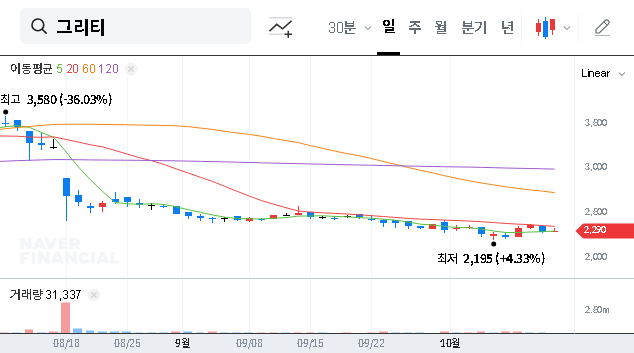
    A recent development in the GRITEE stock analysis landscape has captured the attention of investors. Ecomarketing, a significant shareholder in GRITEE, Inc. (GRITEE), has publicly increased its stake to 12.18%. This move, often seen as a vote of confidence, raises a critical question: Is this a strategic play hinting at a hidden opportunity, or merely a passive ‘simple investment’ with limited impact? This article provides a comprehensive analysis of the situation, exploring the potential upside, inherent risks, and a clear action plan for current and prospective investors.

    We will dissect the official disclosure, delve into the nuances of Ecomarketing’s declared investment purpose, and evaluate the broader context of GRITEE’s position as a small-cap stock. Let’s unpack everything you need to know about this pivotal change in ownership.

    The Disclosure: Ecomarketing Doubles Down on GRITEE

    On October 20, 2025, GRITEE, Inc. filed a ‘Report on Major Shareholder’s Holding of Shares,’ a document that formally announced the change. The details, sourced directly from the Official Disclosure (DART), are as follows:

    • Reporting Entity: Ecomarketing/Republic of Korea
    • Previous Holding: 10.56%
    • Post-Change Holding: 12.18% (An increase of 1.62%)
    • Acquisition Details: The report notes that Mr. Kim Chul-woong executed the purchase of 191,133 shares via market transactions over three consecutive days.
    • Purpose of Holding: Simple Investment

    Potential Bull Case: Why This Major Shareholder Stake Matters

    When a major shareholder increases their position, the market often interprets it as a strong bullish signal. This action by Ecomarketing GRITEE‘s largest institutional holder, could positively impact the stock in several ways:

    1. Signal of Deep Confidence

    Ecomarketing isn’t just a passive observer; they are putting more capital at risk. This suggests a strong belief in GRITEE’s future value, undervalued assets, or upcoming positive catalysts that may not be public knowledge yet. This can inspire confidence in retail and institutional investors alike.

    2. Short-Term Market Catalyst

    The news itself is a powerful catalyst. The pattern of consecutive purchases by an insider can trigger algorithms and alert traders, potentially stimulating short-term buying pressure and driving up the stock price. This increases liquidity and brings more eyes to GRITEE, Inc., which can be beneficial for a small-cap company.

    However, the key to a thorough GRITEE stock analysis lies in understanding the nuance behind the declared ‘simple investment’ purpose. This is where the story gets more complex.

    The Bear Case: Reading Between the Lines

    Despite the initial optimism, a prudent investor must consider the limitations and potential risks associated with this news. A positive signal does not guarantee positive returns.

    The ‘Simple Investment’ Caveat

    This is the most critical factor. A ‘simple investment’ declaration implies that Ecomarketing does not intend to actively influence management, push for strategic changes, or seek board representation. Their goal is purely financial return. This is different from an activist investor who might buy a stake to unlock value by forcing changes. While not inherently negative, it means investors shouldn’t expect this share purchase to catalyze fundamental business improvements.

    The Void of Fundamental Data

    At present, comprehensive information about GRITEE’s business operations, revenue streams, profitability, and debt is limited. Without this fundamental context, it’s impossible to determine if Ecomarketing’s purchase is based on solid intrinsic value or speculative hope. For more on this, investors can learn about evaluating company fundamentals on Investopedia.

    The Perils of Small-Cap Volatility

    With a market capitalization of just 44.7 billion KRW, GRITEE is a small-cap stock. This segment of the market is notoriously volatile. Prices can swing dramatically based on minor news, market sentiment, or the actions of a few large traders. This event could cause a temporary spike, but the stock remains highly susceptible to broader market downturns or a lack of follow-through interest. You can read our guide on small-cap investing here.

    Investor Action Plan: A Prudent Path Forward

    Given the balance of potential and risk, a hasty investment decision is unwise. Ecomarketing’s increased stake is a notable, positive data point, but it should not be the sole basis for an investment. Here are the recommended next steps:

    • Demand Financial Clarity: Wait for GRITEE’s next business reports, earnings calls, and financial statements. A deep dive into their revenue growth, profit margins, and balance sheet is essential to determine the company’s intrinsic value.
    • Monitor Shareholder Activity: Keep a close watch on Ecomarketing. Will they continue to buy shares? Will they change their holding purpose from ‘simple investment’ to something more active? Their future actions will provide more clues.
    • Assess Industry & Market Context: Analyze the health of the industry in which GRITEE operates. A rising tide lifts all boats, but a struggling industry can sink even a promising company. Consider macroeconomic factors that could impact a small-cap stock.

    Disclaimer: This article is for informational purposes only and is based on publicly available data. It does not constitute investment advice or a solicitation to buy or sell securities. All investment decisions should be made with caution and at the investor’s own discretion.

    (204020) GRITEE Stock Analysis: Ecomarketing Ups Stake to 12.18% – A Bullish Signal or Simple Bet? 관련 이미지
  • Gritty Stock Forecast: Major Shareholders Divest All Holdings, What Should Investors Do?

    1. What happened?

    On August 20, 2025, a public announcement revealed that major shareholders of Gritty, including Inhwan Kim and three others, had sold off their entire 6.01% stake. The market’s attention is now focused on the reasons behind the complete disposal of their holdings, which were previously held for ‘simple investment’ purposes.

    2. Why did the major shareholders sell their stakes?

    Gritty has growth potential, boasting a robust brand portfolio including ‘Wonderbra’ and ‘Playtex,’ and strengthening its online channels. However, recent investments in logistics centers and increased borrowings have pushed the debt-to-equity ratio up to 98%, coupled with a decline in operating cash flow. This financial instability may have influenced the shareholders’ decision to sell. The possibility of achieving their ‘simple investment’ goals or profit-taking cannot be ruled out.

    3. So, what will happen to the stock price?

    The large-scale sell-off by major shareholders could negatively impact the stock price in the short term. Downward pressure on the stock price is expected due to weakened investor sentiment and increased selling pressure. However, Gritty’s business competitiveness remains valid, and the growth potential of new brands like ‘huit’ is noteworthy. Future stock price movements will likely depend on further actions by the sellers, the response of institutional investors, and changes in the macroeconomic environment.

    4. What should investors do?

    • Short-term investors: It is advisable to remain on the sidelines and monitor the selling trend. Careful investment decisions should be made after reviewing additional information.
    • Long-term investors: Continuously monitor Gritty’s fundamentals, improvements in financial soundness, and the performance of new businesses to establish a long-term investment strategy.

    Frequently Asked Questions

    Will the sale of major shareholders’ stakes affect Gritty’s management control?

    Although no change in management control is expected from this divestment, it’s crucial to monitor potential changes in shareholder composition in the future.

    How can Gritty’s financial situation be improved?

    Gritty needs to restore its financial health through efficient inventory management, debt reduction efforts, and profitability improvements.

    Should I invest in Gritty?

    Considering the potential for short-term stock price volatility, cautious investment decisions are necessary. It is essential to evaluate the company’s value from a long-term perspective.

  • Gritty: Major Shareholder Sells Stake – What Should Investors Do? (August 2025 Analysis)

    What Happened?

    Gritty’s related parties, Jin-Yu Cha and three others, sold a total of 384,125 shares between July 11 and 14, 2025. This reduced their stake from 5.66% to 3.80%. The reason cited for the sale was ‘simple stock disposal.’

    Why Does It Matter?

    Major shareholder divestment can be interpreted as a negative signal by the market. Coupled with Gritty’s weak Q1 2025 earnings, which showed declining profitability, this sale could further dampen investor sentiment. It may create downward pressure on the stock price in the short term and amplify investor anxieties.

    What Should Investors Do?

    Investors should consider the following:

    • Short-term volatility: Be prepared for potential stock price fluctuations following the report’s release, as the market absorbs the sold shares.
    • Monitor fundamentals: Gritty’s long-term value depends on its ability to improve profitability, enhance cost efficiency, and achieve growth in its core businesses. Closely monitor upcoming earnings releases and management strategies.
    • Seek additional information: While ‘simple stock disposal’ is the stated reason, the size and timing of the sale warrant further investigation. Look for any additional information or context.

    Investor Action Plan

    Avoid impulsive investment decisions. Instead of reacting to short-term market fluctuations, focus on a thorough analysis of Gritty’s fundamentals and future prospects. Closely monitor upcoming earnings announcements and business strategies, and maintain a cautious approach to investment.

    Does major shareholder divestment always lead to a stock price decline?

    Not necessarily, but large-scale selling often creates downward pressure, particularly when there are existing concerns about a company’s fundamentals.

    What were the primary reasons for Gritty’s weak Q1 2025 performance?

    Increased advertising and promotional expenses, coupled with higher financial costs, led to a 41.7% year-over-year decline in operating profit.

    What is the investment outlook for Gritty?

    Short-term volatility is expected. Long-term value hinges on improved profitability and growth in core businesses. Investors should closely monitor future earnings releases and management strategies.