The recent announcement of the OPTUS Pharmaceutical rights issue has sent ripples through the investment community, presenting a critical decision point for current and potential shareholders. This move to raise capital is a double-edged sword: it could fuel significant long-term growth or lead to the immediate risk of stock dilution. For investors, understanding the nuances of this corporate action is paramount to making an informed decision.
This comprehensive analysis will dissect the official disclosure, explore the potential upside, illuminate the inherent risks, and provide a strategic checklist to help you navigate this complex financial event. Our goal is to equip you with the insights needed to balance future growth prospects against the immediate impact on shareholder value.
First, What Exactly is a Rights Issue?
Before diving into the specifics, it’s essential to understand the mechanism at play. A rights issue is a way for a publicly-listed company to raise new capital by offering existing shareholders the opportunity (or ‘right’) to purchase additional new shares. These shares are typically offered at a discount to the current market price. As explained by financial authorities like Investopedia, this method rewards existing shareholders for their loyalty but requires them to decide whether to invest more money, sell their rights, or allow their stake in the company to be diluted.
The OPTUS Pharmaceutical Rights Issue: Key Details
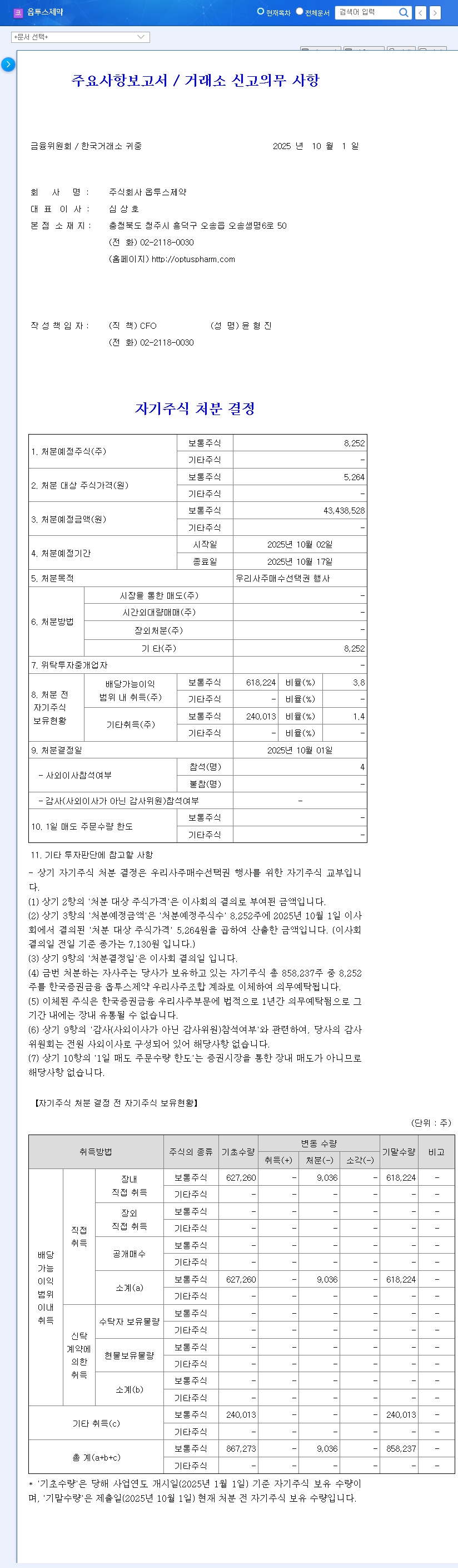
OPTUS Pharmaceutical has laid out the core terms of its common stock rights issue. According to the Official Disclosure filed with DART, the key figures are as follows:
- •Number of New Shares: 1,493,428 common shares
- •Issue Price: KRW 6,696 per share
- •Issue Ratio: Approximately 9% of total outstanding shares
- •Key Participant: Major shareholder, Samchundang Pharmaceutical Co., Ltd.
- •Key Dates: Payment on November 5, 2025; New shares listed on November 19, 2025
The Bull Case: Potential Upside for OPTUS
Fueling Future Growth Drivers
The primary positive impact is the injection of fresh capital. In the pharmaceutical industry, this is vital. The funds raised can be strategically deployed to accelerate new drug development, fund expensive clinical trials, expand research and manufacturing facilities, or enter new markets. This capital can fortify the company’s financial foundation, enabling it to pursue long-term projects that can significantly increase corporate value over time. For more on this, consider reading our guide to pharmaceutical stock analysis.
A Vote of Confidence from a Major Shareholder
The committed participation of the major shareholder, Samchundang Pharmaceutical, is a powerful market signal. It implies that the company’s largest and most informed investor has strong confidence in the management’s strategy and future prospects. This action can significantly enhance market credibility, reassuring smaller investors that the leadership is aligned with long-term growth objectives.
The Bear Case: Risks to Consider
While capital infusion is positive, investors must weigh the immediate consequences of increased share count and the uncertainty surrounding the use of funds.
The Inevitable Risk of Stock Dilution
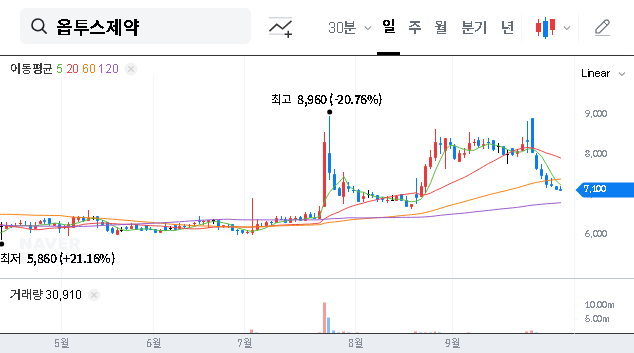
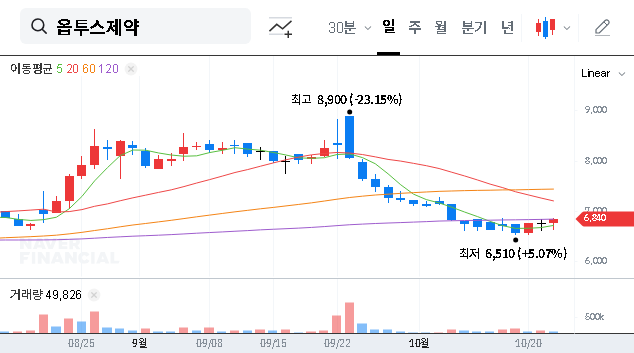
The most immediate negative impact is stock dilution. By issuing nearly 1.5 million new shares, the company increases the total number of shares outstanding. This means each existing share now represents a smaller percentage of ownership in the company, which can decrease earnings per share (EPS). Investors must carefully compare the discounted issue price (KRW 6,696) with the current market price to gauge the severity of the dilution.
Ambiguity in Fund Utilization
Based on the initial disclosure, the specific plan for how the capital will be used is not yet detailed. This vagueness can create market uncertainty. Without a clear, compelling strategy for deploying the funds to generate a high return on investment, investors may worry that the capital will be used inefficiently, negating the benefits of the fundraising and amplifying the pain of stock dilution. This uncertainty often leads to short-term stock price volatility as the market digests the news.
Investor Action Plan & Strategic Checklist
Given the dual nature of the OPTUS Pharmaceutical rights issue, a cautious and well-researched approach is essential. A definitive decision cannot be made on the current information alone. Investors should perform the following due diligence:
- •Monitor for Detailed Disclosures: Watch for follow-up announcements from OPTUS that provide a clear and specific breakdown of the fund utilization plan.
- •Analyze Market & Analyst Consensus: Review reports from securities firms and financial analysts to understand the broader market sentiment and expert opinions on the company’s financial health and growth trajectory.
- •Evaluate Synergy with Samchundang Pharmaceutical: Investigate the potential strategic synergies. How will the closer alignment and capital support from the major shareholder benefit OPTUS’s core business in the long run?
- •Assess Your Own Portfolio: Determine if participating in the rights issue aligns with your personal investment goals, risk tolerance, and portfolio concentration.