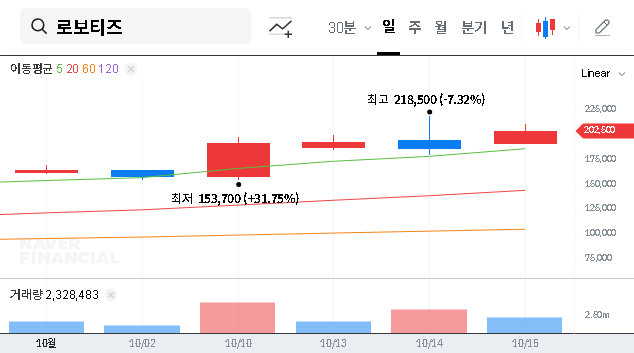
In the dynamic world of high-tech investments, even seemingly minor corporate filings can signal major strategic shifts. A recent disclosure concerning a ROBOTIS shareholding change by CEO Kim Byung-soo has captured the attention of investors focused on the burgeoning robotics sector. While the percentage change is small, it prompts a critical question: Is this a powerful vote of confidence from leadership, or simply procedural noise? This comprehensive ROBOTIS investment analysis will dissect the disclosure, evaluate the company’s core fundamentals, and provide a clear outlook for potential investors.
Deconstructing the ROBOTIS CEO’s Shareholding Report
On October 27, 2025, ROBOTIS filed a ‘Report on Status of Large Shareholding’ detailing a change in CEO Kim Byung-soo’s stake. Understanding the nuances of this report is the first step in a thorough ROBOTIS investment analysis. The official filing can be viewed here: Official Disclosure (DART Source).
Here are the essential details from the disclosure:
- •Reporting Party: Kim Byung-soo (CEO)
- •Purpose of Holding: Influence on management rights
- •Holding Pre-Report: 25.75%
- •Holding Post-Report: 26.22% (a 0.47 percentage point increase)
- •Reason for Change: Exercise and sale of bond with warrants (BW).
The core investment thesis for ROBOTIS hinges on a powerful dynamic: a stable, profitable core business (actuators) funding a high-risk, high-reward venture into the future of autonomous systems and physical AI. The CEO’s increased stake reinforces confidence in this long-term vision.
Fundamental Analysis: ROBOTIS’s Strengths and Weaknesses
To understand the context of the ROBOTIS shareholding change, we must look at the company’s operational landscape, which presents a compelling mix of stable revenue and high-growth potential.
Positive Factors: The Engine of Growth
- •Stable Cash Cow (DYNAMIXEL Actuators): The actuator division is the company’s bedrock. These all-in-one smart actuators are crucial components in robotics research and industrial automation, providing a reliable and profitable revenue stream. The new Y Series expands their application, solidifying this foundation. You can read more about our actuator technology analysis here.
- •Future Growth Drivers (AI & Autonomous Robots): The AI Worker and autonomous robot divisions represent the company’s future. AI Workers, based on Physical AI, aim to solve skilled labor shortages, while autonomous robots tap into the growing market for last-mile delivery and smart city services. Success here could make ROBOTIS a leader among robotics industry stocks.
- •Improving Financials: The company’s financial health is trending upward, with decreasing total liabilities and a successful turnaround to operating profit in H1 2025.
Risk Factors & Considerations
- •New Business Investment: Developing cutting-edge autonomous robots requires significant capital for R&D and infrastructure, which can strain resources in the short term.
- •Credit Rating: A 2024 credit rating downgrade to BBB+ reflects the financial pressures of these long-term investments, a key point for risk-averse investors.
- •Macroeconomic Headwinds: With over 70% of sales from exports, ROBOTIS is sensitive to exchange rate volatility. Rising global interest rates could also increase financing costs.
Investment Implications and Future Outlook
The ROBOTIS CEO‘s decision to increase his stake, even slightly, should be interpreted as a bullish internal signal. It suggests a strong belief in the company’s long-term strategy and its ability to navigate current challenges to unlock future growth. The broader robotics industry is projected for massive expansion, and ROBOTIS is well-positioned to benefit.
Short-Term vs. Long-Term View
In the short term, the 0.47%p change is unlikely to be a major stock price catalyst. The market will be more focused on quarterly earnings and macroeconomic data. However, from a long-term perspective, this action aligns with a narrative of confident, responsible leadership guiding a company with a strong product pipeline. The ultimate success will depend on the commercialization and profitability of the AI Worker and autonomous robot divisions.
Key Monitoring Points for Investors:
- •Performance of the spun-off ROBOTIS AI Co., Ltd.
- •Milestones in revenue generation from new business segments.
- •Continued market dominance and profitability of the DYNAMIXEL actuator business.
- •Improvements in financial metrics and credit rating.
In conclusion, while the shareholding change itself is minor, it serves as a valuable piece of the puzzle in a broader ROBOTIS investment analysis. It reinforces the company’s compelling long-term growth story, which, despite inherent risks, holds significant appeal for investors with a long-term horizon in the robotics technology space.
Leave a Reply