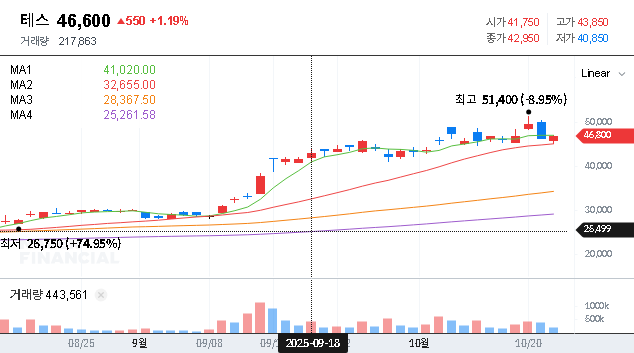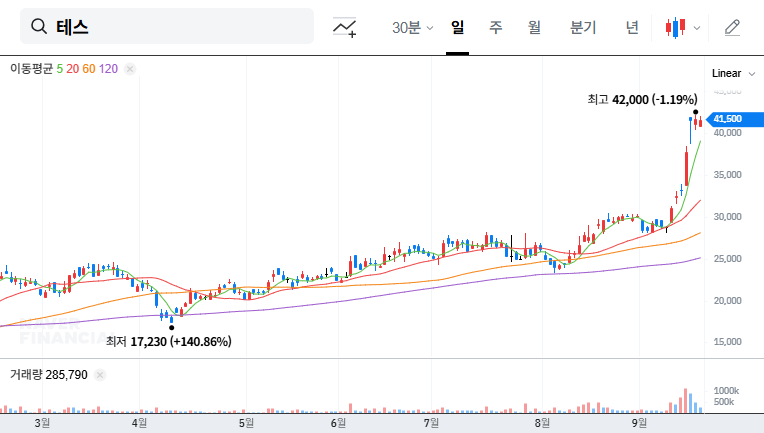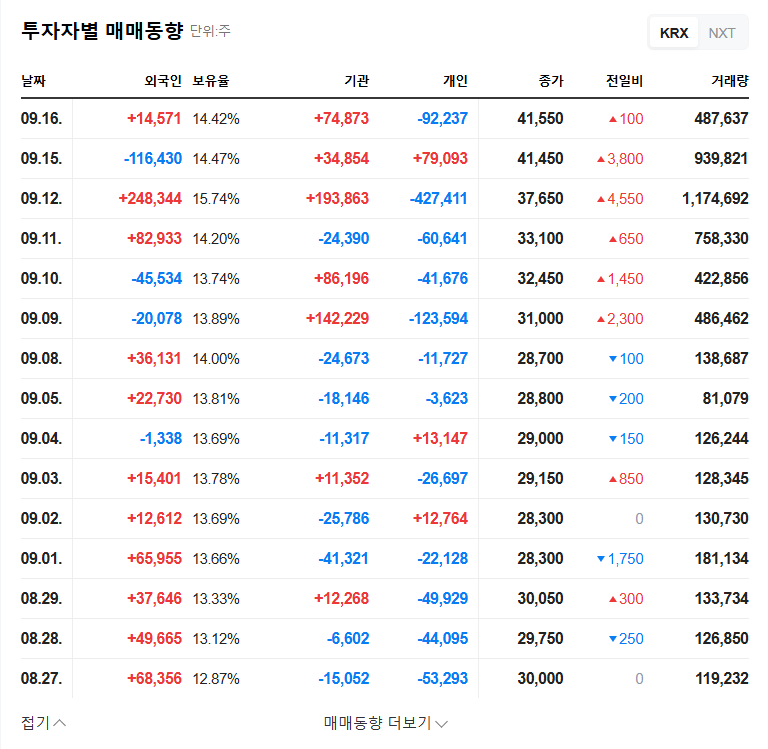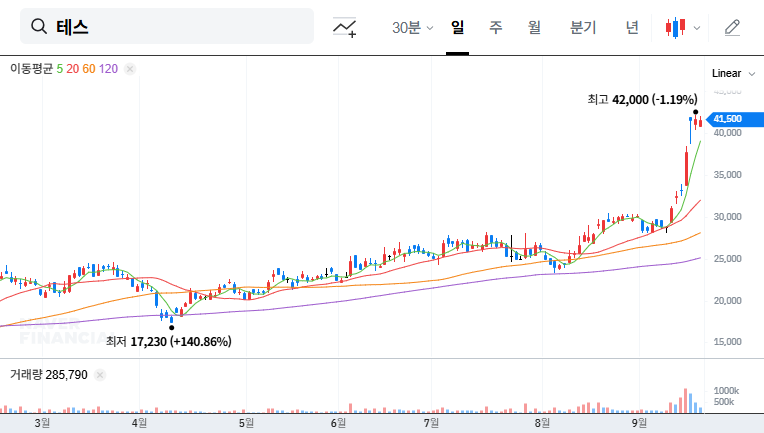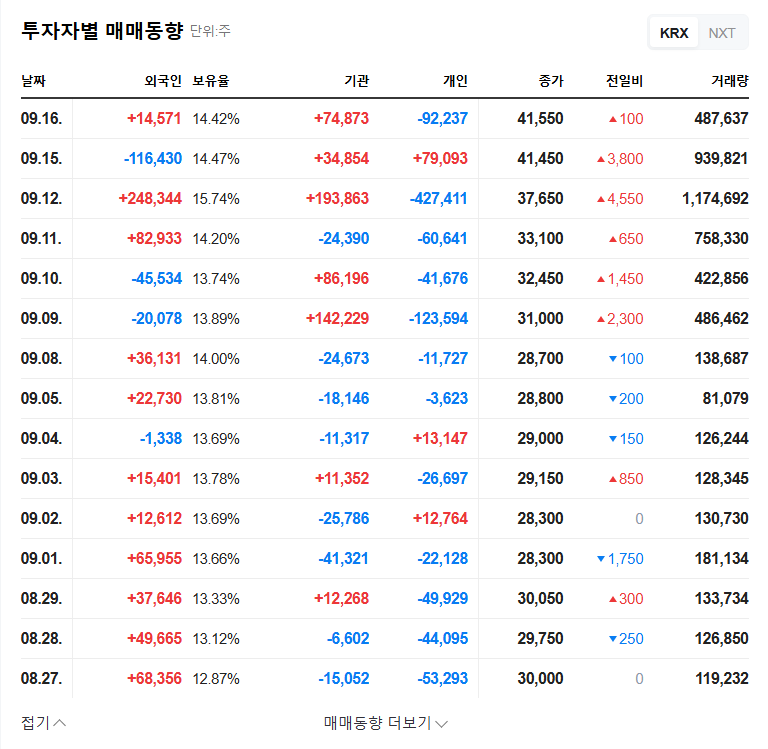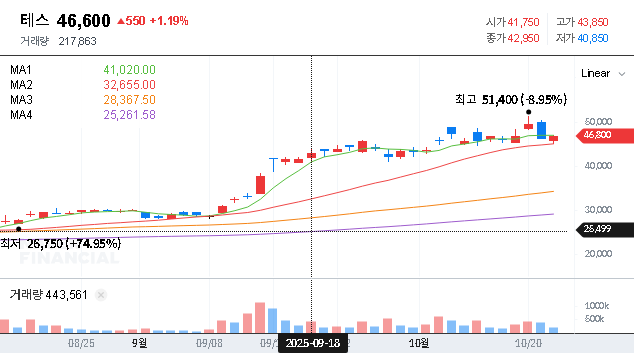
TESCO.,LTD. (테스) has announced a significant corporate finance move: a major treasury stock disposal designed to fund the issuance of TESCO.,LTD. exchangeable bonds. This strategic decision has sent ripples through the investment community, raising critical questions about the potential stock price impact and the looming stock dilution risk. For shareholders and potential investors, understanding the mechanics and implications of this action is paramount.
This comprehensive analysis will deconstruct the official disclosure, explore the strategic rationale behind this move, and provide a balanced view of both the opportunities and the risks involved. We will delve into what this means for the company’s future and equip you with the knowledge to make an informed decision.
Deconstructing the Announcement: The Core Details
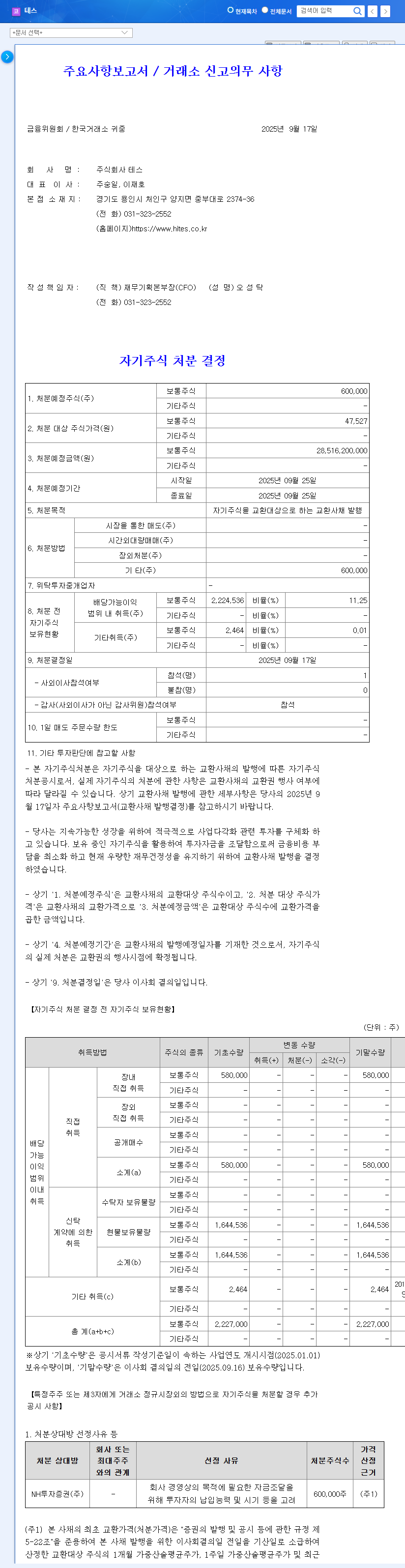
On October 22, 2025, TESCO.,LTD. filed a major disclosure regarding its decision on treasury stock disposal. This isn’t just procedural; it’s a clear signal of the company’s capital strategy. The key facts from the filing are:
- •Action: Decision on Treasury Stock Disposal.
- •Shares Involved: 300,000 common shares.
- •Approximate Value: 15.7 billion KRW.
- •Primary Purpose: To serve as the underlying asset for issuing new exchangeable bonds (EBs).
In essence, TESCO.,LTD. is not selling its treasury shares directly on the open market. Instead, it’s packaging them as a feature of a new debt instrument. This sophisticated approach to corporate finance allows the company to raise capital while offering bondholders a potential equity upside.
The Strategic Rationale: Why Use Exchangeable Bonds?
A company’s choice of funding mechanism speaks volumes about its financial health and strategic goals. Opting for a treasury stock disposal linked to EBs is a calculated move. The primary driver is capital acquisition—funds that can be injected into operations, research and development, strategic acquisitions, or debt restructuring. But why this specific method?
Advantages for TESCO.,LTD.
- •Lower Interest Costs: The equity conversion option (the “exchangeable” part) is a sweetener for investors. This typically allows the company to offer a lower interest rate (coupon) on the bonds compared to traditional debt, reducing interest expenses.
- •Monetizing an Asset: Treasury stock is an idle asset on the balance sheet. This transaction effectively monetizes it without the immediate, and potentially disruptive, impact of a large-scale sale on the open market.
- •Delayed Dilution: Unlike a secondary stock offering, the potential share dilution only occurs if and when bondholders decide to exchange their bonds for stock. This is contingent on the stock price rising above the agreed-upon exchange price.
For investors, this creates a classic risk-reward scenario. The capital raised could fuel significant growth, boosting the stock’s value. Conversely, the specter of future share dilution could place a ceiling on the stock price, creating an overhang in the market.
Analyzing the Stock Price Impact: Bull vs. Bear Case
The market’s reaction will hinge on its interpretation of the company’s motives and the specific terms of the TESCO.,LTD. exchangeable bonds, which are not yet fully public. Here’s a breakdown of the potential outcomes.
The Bull Case: A Catalyst for Growth
If the market believes the 15.7 billion KRW will be used wisely, the reaction could be positive. Investors might see this as a proactive step to:
- •Fund New Projects: Securing capital for expansion, R&D, or entering new markets could create long-term shareholder value that far outweighs the future dilution.
- •Strengthen the Balance Sheet: Using funds to pay down higher-interest debt can improve financial stability and profitability, making the stock more attractive.
The Bear Case: The Shadow of Stock Dilution Risk
The most significant negative factor is the stock dilution risk. When bondholders exchange their debt for equity, the number of outstanding shares increases. This can negatively affect existing shareholders by:
- •Reducing Earnings Per Share (EPS): The company’s net income is spread across a larger number of shares, which can lower the EPS and, consequently, the stock’s valuation.
- •Creating a Price Overhang: The market knows these 300,000 shares could potentially enter the market, which can suppress the stock price as it approaches the exchange price.
- •Signaling Financial Weakness: Some investors may interpret this move as a sign that the company is unable to secure funding through more conventional means, raising concerns about its underlying health.
Investor Action Plan: What to Do Next
Hasty decisions are ill-advised. A cautious, research-driven approach is essential. Here are the key steps to take:
- •Analyze the Terms: Once the full details of the EBs are released (interest rate, maturity, and most importantly, the exchange price), analyze them carefully. A high exchange price is less dilutive and more favorable for current shareholders. You can find primary information in the Official Disclosure.
- •Re-evaluate Company Fundamentals: Dive back into the company’s financial statements. Does TESCO.,LTD. have a strong track record of deploying capital effectively? For more guidance, learn how to analyze corporate financial statements.
- •Monitor Market Reaction: Watch how institutional investors and analysts react. Their sentiment can often set the short-term tone for the stock price.
- •Understand the Instruments: If you are unfamiliar with these types of securities, research them further. An excellent resource is Investopedia’s guide to convertible securities.
Ultimately, the disposal of treasury stock for TESCO.,LTD. exchangeable bonds is a complex event with no guaranteed outcome. While it presents a clear path to new capital, the associated stock dilution risk must be a central part of any investor’s calculus. Careful due diligence is your best defense and tool for opportunity.