The recent announcement regarding the Danal convertible bond conversion has sent ripples through the investment community. For shareholders of Danal Co., Ltd. (064260), this corporate action presents a classic dilemma: the promise of a strengthened balance sheet versus the immediate threat of share dilution. This comprehensive analysis will dissect the event, examine its implications for Danal’s stock price, and provide a strategic roadmap for investors navigating this pivotal moment.
We’ll explore the company’s fundamentals, the specifics of the conversion, and what this move signals about management’s long-term vision. Is this a defensive move to shore up finances, or a proactive step to fund future growth? Let’s find out.
Deconstructing the Announcement: Key Details
On October 31, 2025, Danal, a leader in the mobile payment space, officially disclosed the exercise of its convertible bond (CB) conversion rights. You can view the Official Disclosure via the DART report. Here are the critical figures investors need to know:
- •New Shares Issued: 1,147,957 common shares.
- •Impact on Total Shares: An increase of approximately 1.56%.
- •Conversion Price: KRW 3,136 per share.
- •Expected Listing Date: November 14, 2025.
Essentially, bondholders are trading their debt instruments for equity in the company. To understand the full picture, it’s helpful to review why companies use these financial tools. For more general information, you can learn about the mechanics of convertible bonds on high-authority financial sites like Investopedia.
The core tension for investors is clear: The company gets much-needed capital without taking on new debt, but existing shareholders will own a slightly smaller piece of the pie. The key is whether that new capital can generate more value than the dilution it causes.
The Double-Edged Sword: Impact on Investors
This Danal convertible bond conversion creates both tailwinds and headwinds for the company and its stock price. A balanced perspective is crucial.
The Positive Case: Capital Enhancement and Confidence
The infusion of capital is the most significant benefit. Based on its 2025 semi-annual report, Danal has seen rising liabilities and a widening net loss. This conversion directly addresses these concerns:
- •Improved Financial Structure: The new equity strengthens the balance sheet, reducing the debt-to-equity ratio and potentially lowering financing costs in the future.
- •Fuel for Growth: This capital can be deployed into promising new ventures like AI and virtual assets, or used to shore up unprofitable segments.
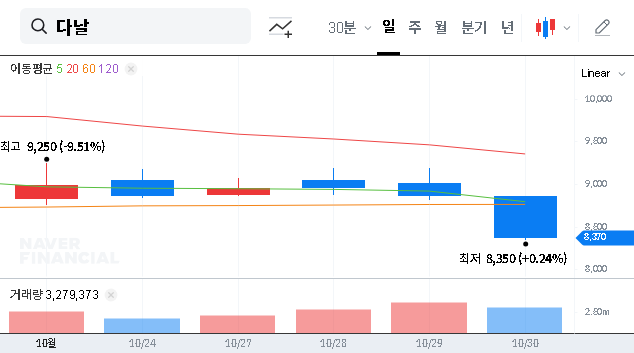
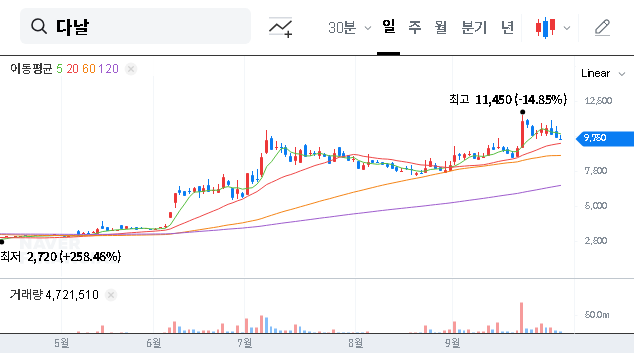
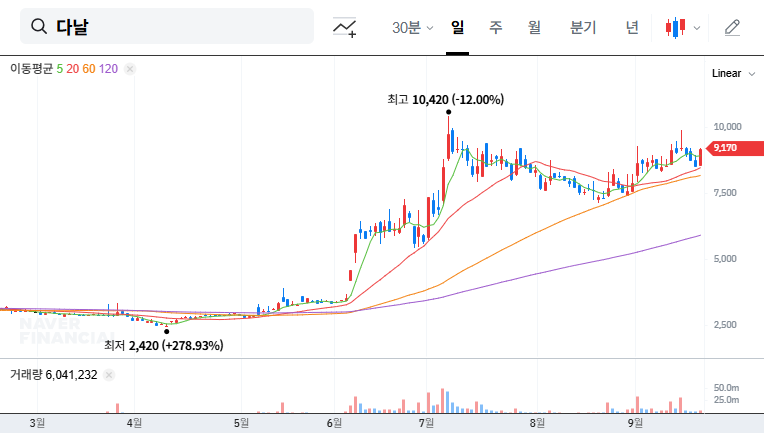
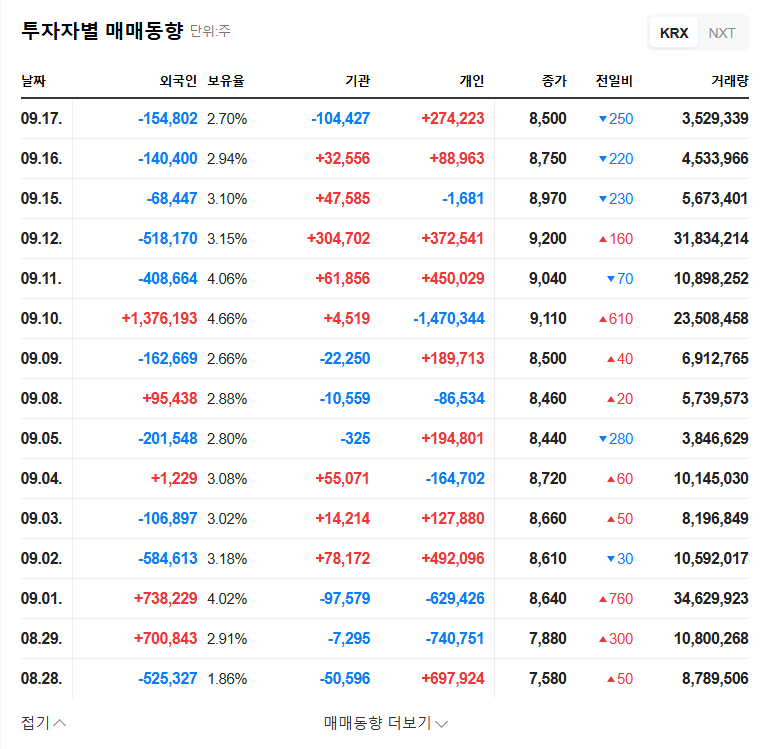
- •Favorable Pricing: With a current stock price of KRW 8,060, the conversion price of KRW 3,136 is highly attractive to bondholders, but it also means the market currently values the company far higher than the conversion price, suggesting the dilution’s impact might be absorbed without significant panic.
The Negative Case: Share Dilution and Performance Pressure
On the other hand, the immediate mathematical effect of issuing new shares cannot be ignored.
- •Ownership Dilution: Each existing share now represents a slightly smaller percentage of the company. This also impacts metrics like Earnings Per Share (EPS), as profits are spread across more shares.
- •Short-Term Price Pressure: An influx of over a million new shares on or around the listing date (November 14) could create temporary selling pressure, leading to price volatility.
- •Increased Urgency: This move puts a spotlight on management’s performance. The market will expect a clear and swift strategy for how this new capital will be used to generate returns and improve profitability. Failure to do so will amplify the negative effects of the Danal share dilution.
Strategic Outlook: What Investors Should Monitor
Beyond the initial market reaction, the long-term impact on Danal’s stock price will hinge on execution. Here’s what discerning investors should be watching:
- 1. Path to Profitability: The most critical factor. Look for clear communication and, more importantly, tangible results in improving the bottom line. Are they cutting losses in underperforming divisions? Are new ventures showing signs of monetization?
- 2. Capital Allocation Plan: How exactly will the proceeds be used? A detailed plan for debt reduction, strategic investments, or R&D will provide confidence. Vague promises will be met with skepticism. To learn more, read our guide on evaluating a company’s financial health.
- 3. Shareholder Value Initiatives: How does the company plan to offset the dilution? This could include share buyback programs in the future, increased dividends once profitability is restored, or a clear growth strategy that promises a much larger pie for everyone.
In conclusion, the Danal convertible bond conversion is not an inherently ‘good’ or ‘bad’ event. It is a strategic trade-off. For now, it buys the company financial flexibility and time. The ultimate verdict on this move, however, will be written in the company’s future earnings reports and its ability to turn this capital into sustainable growth.