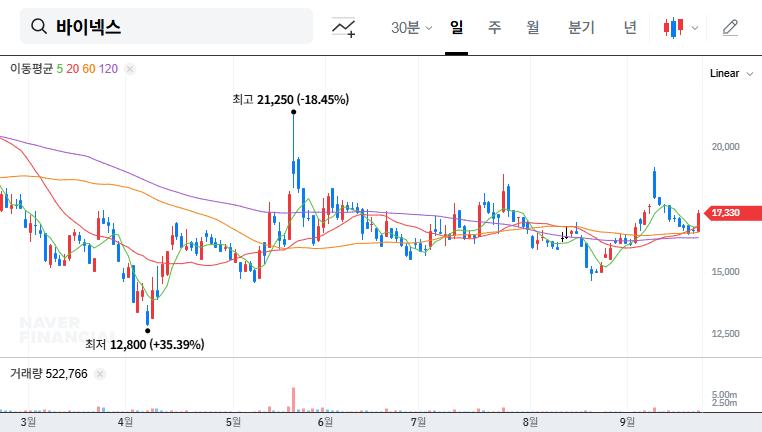
The recent announcement of a Binex treasury stock disposal has captured the market’s attention. Binex Co., Ltd. (KRX: 053030) has decided to dispose of 836,512 common shares, valued at approximately KRW 15.5 billion, to raise capital via private exchangeable bonds. This strategic financial maneuver is aimed squarely at fueling the company’s high-potential Contract Development and Manufacturing Organization (CDMO) business. For investors, this raises a critical question: is this a launchpad for significant growth or a prelude to stock dilution? This comprehensive Binex investment analysis will dissect the implications for the company’s value and stock price.
Understanding the Transaction: What’s Happening?
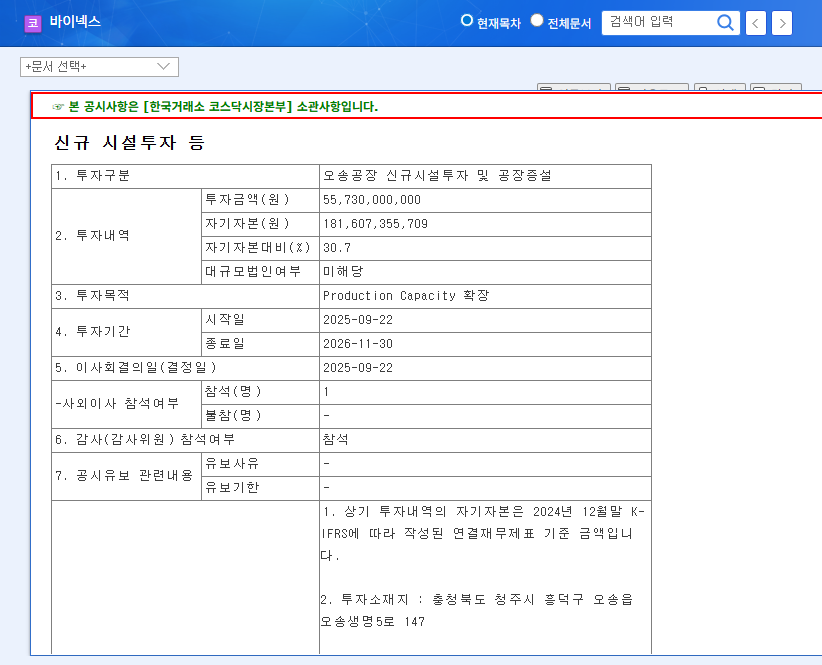
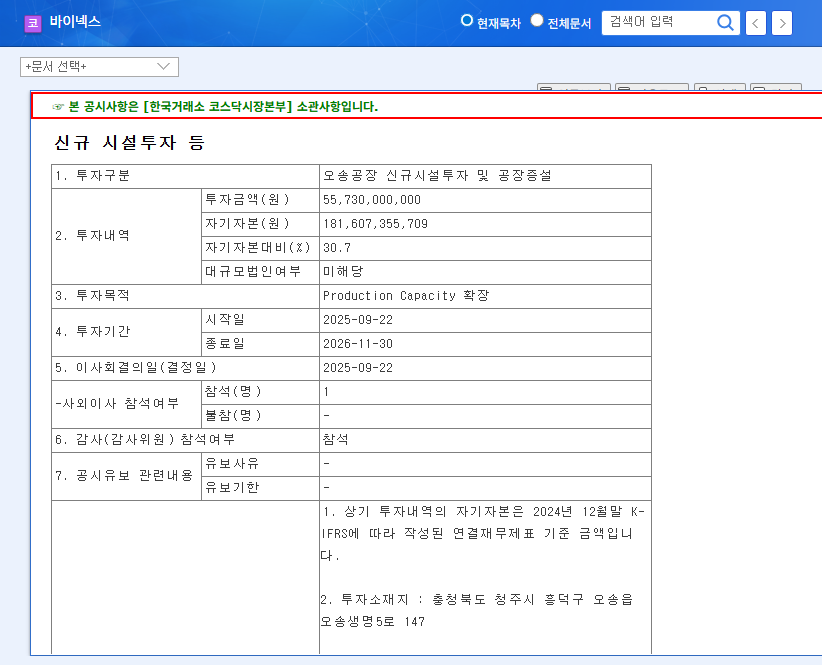
On October 28, 2025, Binex officially disclosed its plan to dispose of a significant portion of its treasury stock. The transaction, as detailed in the official filing (Source: Official DART Disclosure), is not a direct sale on the open market. Instead, these shares will back the issuance of private exchangeable bonds (EBs).
What are Treasury Shares and Exchangeable Bonds?
Treasury shares are shares that the company has repurchased from the open market. By disposing of them, a company can raise capital without issuing entirely new shares. Exchangeable bonds are debt instruments that give the bondholder the right to exchange their bonds for shares of the issuing company’s stock at a predetermined price. This method allows Binex to raise funds now while potentially minimizing immediate market impact.
Decoding Binex’s Strategy: Powering the CDMO Engine
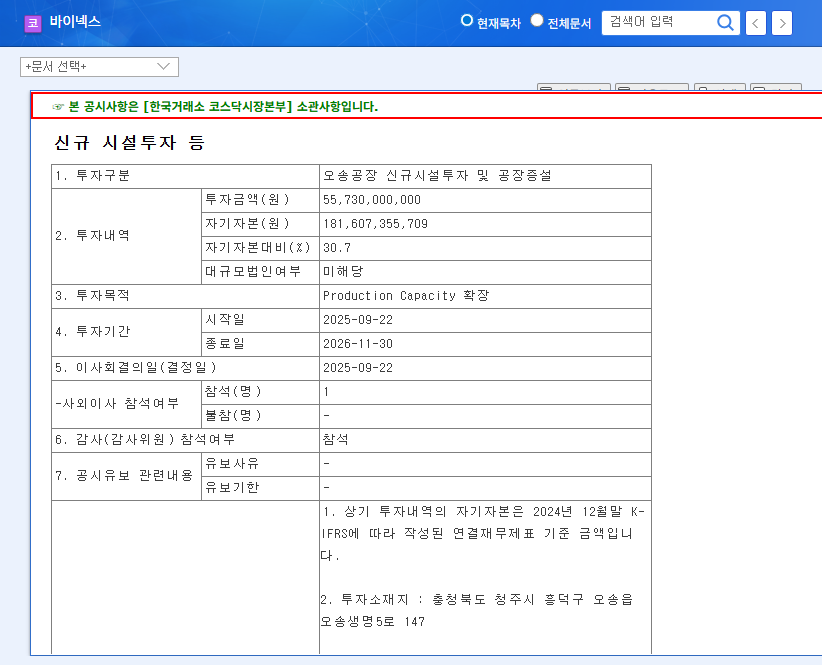
The KRW 15.5 billion raised is earmarked for what is arguably Binex’s most crucial growth driver: the biopharmaceutical CDMO division. This segment is at the heart of the company’s future prospects.
The Competitive Edge of the Binex CDMO Business
As Korea’s first CDMO company, Binex has a deep well of experience. Its key strengths lie in its ‘One-stop CDMO Services’ and a strong track record of successful global GMP (Good Manufacturing Practice) audits. The recent FDA cGMP certification is a monumental achievement, opening doors to the lucrative North American market and positioning Binex to secure larger, higher-margin contracts. The global biopharmaceutical CDMO market is on a steep growth trajectory, a trend Binex is poised to capitalize on. This capital injection is intended to expand capacity and enhance technological capabilities to meet this growing demand, as highlighted by industry analysis from sources like Grand View Research.
The core of this decision is a trade-off: Binex is leveraging its equity to secure capital for aggressive expansion in the booming CDMO sector. The success of this strategy will be the ultimate determinant of future shareholder value.
Impact on Binex Stock: A Tale of Two Timelines
The market’s reaction to the Binex treasury stock disposal will likely be split between short-term concerns and long-term optimism.
Short-Term Headwinds: The Shadow of Dilution
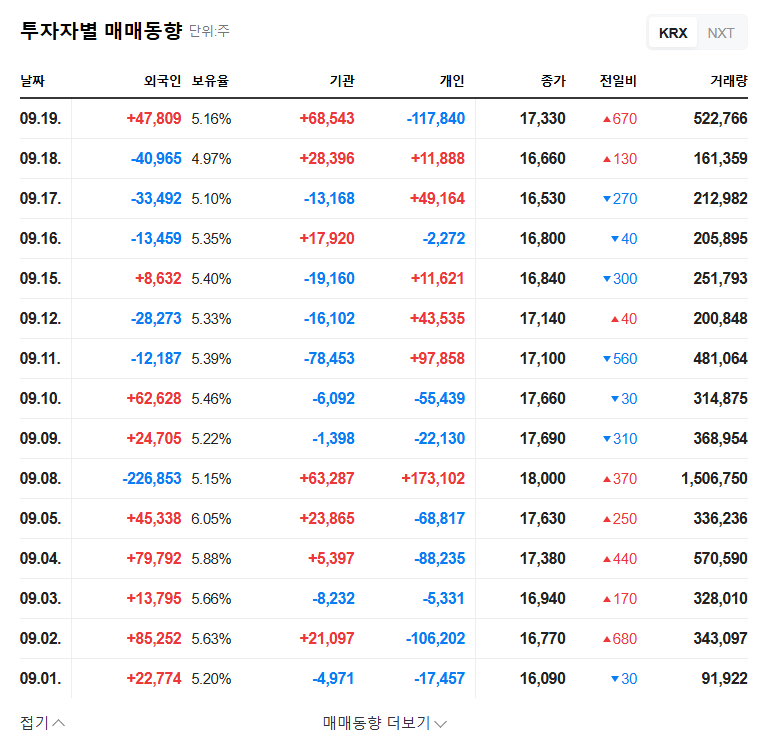
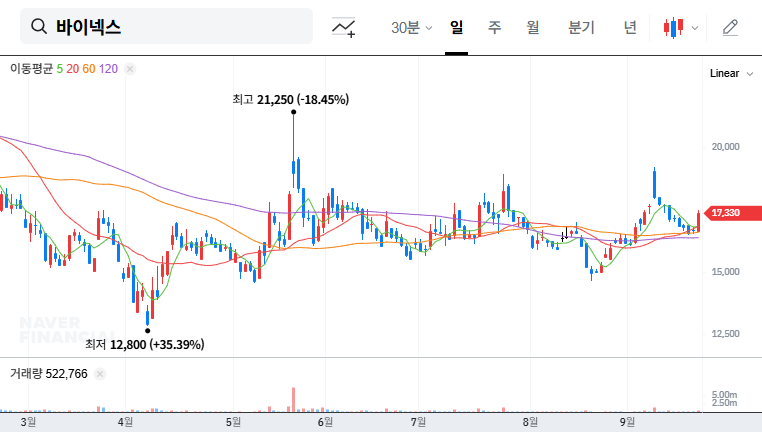
The primary short-term risk is potential stock dilution. When the exchangeable bonds are eventually converted into common stock, the total number of outstanding shares will increase. This can put downward pressure on the stock price as each share represents a smaller piece of the company. Furthermore, if the disposal price of the treasury shares is set at a discount to the current market price, it could trigger a negative sentiment among existing shareholders.
Long-Term Tailwinds: The Promise of Growth
The long-term outlook is far more positive. If Binex effectively deploys the new capital to expand its CDMO capacity, secure major contracts, and improve profitability, the resulting growth in corporate value could far outweigh the initial dilution. A successful expansion validates management’s strategy, boosts investor confidence, and can lead to significant stock price appreciation. The company’s recent return to profitability in H1 2025 demonstrates an underlying operational strength that this funding aims to amplify.
Investor’s Guide: Key Checkpoints for Your Analysis
Before making an investment decision regarding Binex stock, it is crucial to conduct thorough due diligence. Here are the essential factors to monitor:
- •EB Issuance Terms: Scrutinize the details of the exchangeable bonds—specifically the interest rate, maturity date, and exchange price. A favorable exchange price (high) is less dilutive for current shareholders.
- •Clarity of Fund Utilization: Watch for specific company announcements on how the KRW 15.5 billion will be spent. Vague plans are a red flag; detailed plans for new facilities or technology acquisition are a positive sign.
- •CDMO Contract Pipeline: The ultimate proof will be in the results. Monitor press releases and quarterly reports for news of new client contracts, especially from international pharmaceutical companies.
- •Financial Health Metrics: Keep an eye on the debt-to-equity ratio. While the current level of 53.91% is manageable, you want to see that this new capital leads to stronger operating profits that can comfortably service any debt. You can learn more about how to analyze biotech company financials on our blog.
Conclusion: A Calculated Risk for Future Growth
Binex’s decision to dispose of its treasury stock is a bold, forward-looking move. It signals management’s confidence in the Binex CDMO business as the company’s primary value creator. While investors must be wary of short-term volatility and dilution risk, the long-term potential is compelling. The success of this strategic financing will hinge entirely on execution. Careful and continuous monitoring of the key checkpoints outlined above will be essential for any investor navigating this pivotal moment in Binex’s corporate journey.