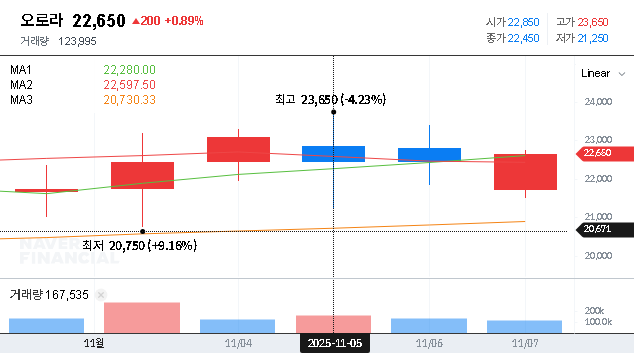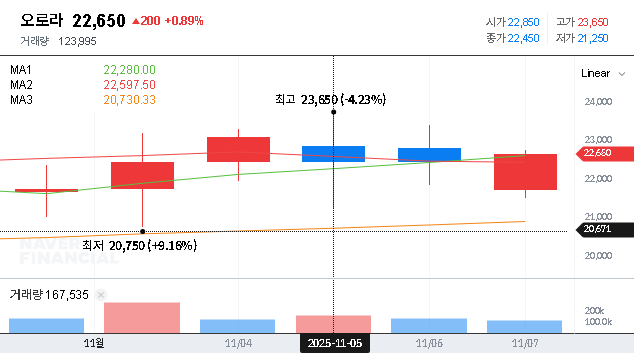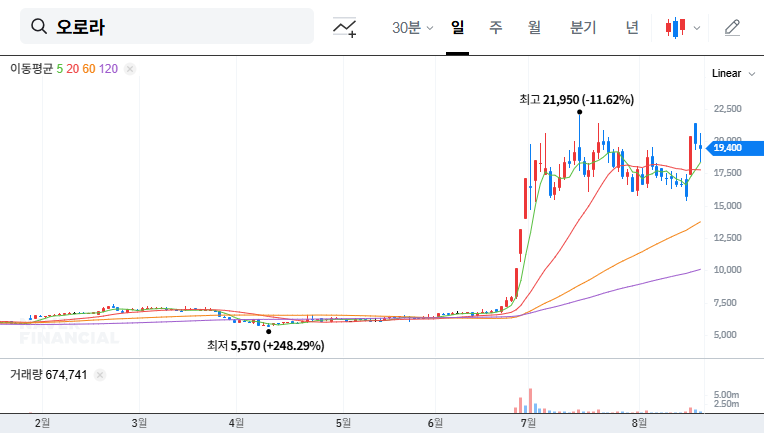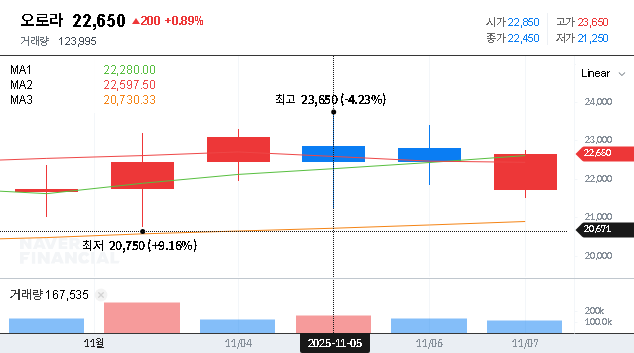
In a significant strategic financial maneuver, AURORA WORLD Corporation (039830) has announced a major decision regarding its capital structure. The company plans an AURORA WORLD treasury share disposal of 655,105 shares, valued at approximately KRW 17 billion. These shares are not being sold on the open market; instead, they will serve as the underlying asset for a new issuance of exchangeable bonds (EBs). This move, detailed in their Official Disclosure, has sent ripples through the investment community, prompting a crucial question: is this a masterstroke for future growth or a potential pitfall for existing shareholders?
This comprehensive analysis will dissect the layers of this decision, exploring the mechanics of AURORA WORLD’s exchangeable bonds, the company’s underlying financial health, the potential for both upside gains and shareholder dilution, and what investors must monitor moving forward.
Understanding Exchangeable Bonds (EBs)
Before diving into the specifics of AURORA WORLD’s situation, it’s essential to understand what exchangeable bonds are. Unlike convertible bonds, which convert into new shares of the issuing company, EBs are hybrid debt securities that can be exchanged for shares of a different entity. In this unique case, however, AURORA WORLD is using its own treasury shares—shares the company had previously repurchased from the market. This means bondholders can exchange their bonds for existing shares of AURORA WORLD at a predetermined price and time. This is a nuanced corporate finance strategy that allows a company to raise capital without immediately increasing the total number of shares outstanding.
Analyzing the Rationale: Why This Move, and Why Now?
AURORA WORLD’s decision is not arbitrary; it’s rooted in its current financial standing and strategic ambitions. A detailed 039830 financial analysis reveals several key drivers.
1. Pressing Need for Capital Amid High Debt
The company’s balance sheet tells a clear story. At the end of 2024, its consolidated debt-to-equity ratio was a concerning 269.3%. This high leverage indicates a significant reliance on debt to fund its operations, particularly its extensive overseas production and sales subsidiaries, which are fundamental to the character toy business model.
2. Navigating Mixed Profitability Signals
While operating profit saw a healthy increase of 8.9% in 2024 to KRW 30.97 billion, the bottom line was hit hard. Net profit fell by 31.3% to KRW 4.16 billion. The primary culprit was a sharp rise in financial costs, which ballooned to KRW 25.09 billion. This disparity underscores the urgent need to optimize the company’s capital structure and reduce the burden of interest payments.
3. Fueling Global Expansion and Hedging Risk
AURORA WORLD is actively pursuing growth, as seen with its acquisition of US premium infant brand Mary Meyer. With over 70% of its revenue generated overseas, especially in North America, the company is highly exposed to global economic shifts. As noted by leading financial analysts at authoritative sources like Bloomberg, fluctuating US interest rates and currency exchange rates (KRW/USD) can dramatically impact earnings. Securing flexible, long-term funding through EBs provides a strategic buffer and capital to invest through these cycles.
This AURORA WORLD treasury share disposal places the company at a strategic crossroads: leveraging debt for ambitious growth versus managing the immediate risk of diluting existing shareholder value.
Potential Impacts for Investors: A Balanced View
This corporate action presents a duality of outcomes for investors, with compelling arguments on both sides.
The Bull Case (Positive Outlook)
- •Strengthened Financials: The capital infusion can be used to pay down high-interest debt, immediately improving the balance sheet and reducing financial costs, which could boost net profit.
- •Growth Investment: Funds can be channeled into strategic acquisitions, R&D, or market expansion, creating long-term value that far outweighs the potential dilution.
- •Delayed Dilution: Unlike a direct share offering, the dilution only occurs if and when bondholders exchange their bonds, giving the company time to grow its value before the shares enter the market.
The Bear Case (Negative Risks)
- •Inevitable Shareholder Dilution: The primary risk is the eventual conversion of these bonds into stock. This increases the total number of shares, potentially reducing the earnings per share (EPS) and diluting the ownership stake of existing shareholders.
- •Increased Interest Burden: While potentially lower than bank loans, EBs are still debt and come with interest payments that will be a recurring expense on the income statement.
- •Negative Market Sentiment: In a high-interest-rate environment, the market may interpret any new debt issuance, even a strategic one, as a sign of financial strain, leading to short-term negative pressure on the stock price.
An Investor’s Checklist: Key Factors to Watch
For those invested in or considering an investment in AURORA WORLD, prudent decision-making requires diligent monitoring of the following:
- •EB Issuance Terms: Scrutinize the fine print. The interest rate, maturity date, and, most importantly, the conversion price will determine the financial burden and the threshold at which shareholder dilution becomes likely.
- •Use of Proceeds: Demand clarity from the company on exactly how the KRW 17 billion will be allocated. Vague plans are a red flag; specific, high-ROI projects are a green light.
- •Macroeconomic Indicators: Keep a close watch on currency exchange rates and global interest rate trends, as these directly influence AURORA WORLD’s profitability and debt servicing costs.
- •Management Commentary: Pay attention to future earnings calls and press releases for management’s narrative and performance metrics related to this new capital.
Ultimately, the AURORA WORLD treasury share disposal is a pivotal move. It’s a calculated risk designed to fortify the company’s financial foundation and fuel its next phase of growth. For investors, success hinges on the company’s ability to execute its strategy and generate returns that significantly eclipse the cost of this new capital and its dilutive effects. Continuous monitoring and a deep understanding of the underlying factors are essential. For more foundational knowledge, consider reading our guide on evaluating corporate debt strategies.