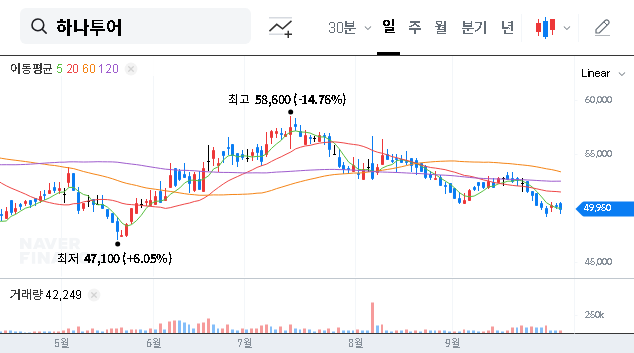
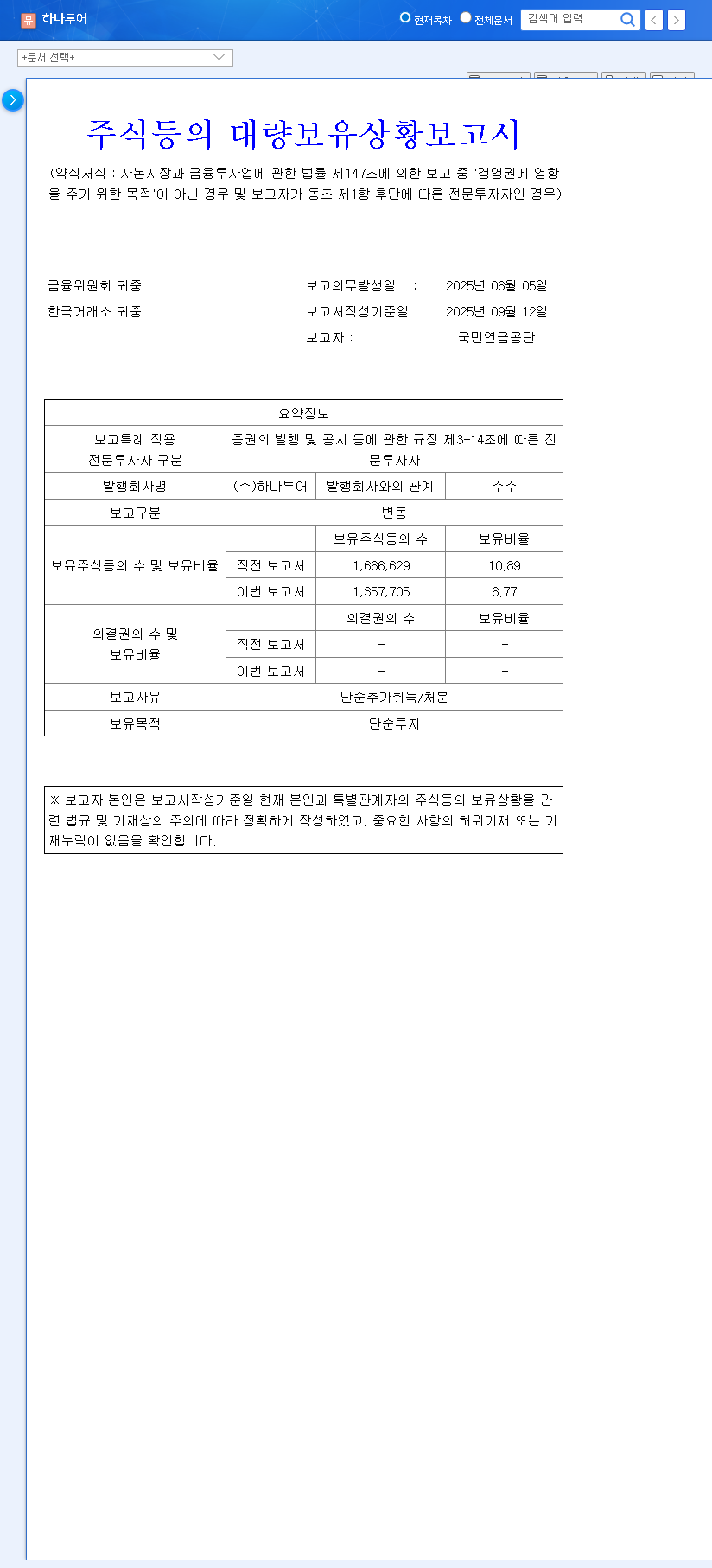
The latest HANATOUR earnings report for Q3 2025 has sent ripples of concern through the investment community. Despite a backdrop of recovering global travel, HANATOUR SERVICE INC. (039130) delivered provisional results that fell short of market expectations, particularly a significant miss in net profit. This unexpected outcome suggests increased short-term downward pressure on the HANATOUR stock price and raises critical questions about the company’s profitability and future trajectory.
This comprehensive (039130) analysis will dissect the Q3 performance, explore the underlying factors behind the earnings miss, evaluate the potential impact on stock prices, and provide a strategic action plan for investors navigating this uncertainty. Let’s delve into what these numbers mean for Hanatour’s position in the competitive travel landscape.
Deconstructing the Q3 2025 Provisional Results
On November 5, 2025, Hanatour announced its provisional results, revealing a disconnect between operational performance and market consensus. The official figures, which can be verified in the Official Disclosure on DART, show a clear miss in key financial metrics.
- •Revenue: KRW 123.3 billion (6% below the estimate of KRW 130.7 billion)
- •Operating Profit: KRW 8.3 billion (1% below the estimate of KRW 8.4 billion)
- •Net Profit: KRW 7.7 billion (a significant 21% miss versus the estimate of KRW 9.8 billion)
The most alarming figure is the net profit, which dramatically undershot expectations. While operating profit was nearly in line, it still represents a year-over-year decrease from Q3 2024’s KRW 12 billion. This signals that even as travel demand returns, Hanatour is struggling to convert top-line activity into bottom-line profit, a key concern for investors analyzing travel industry stocks.
Why Did the HANATOUR Earnings Miss Expectations?
The disappointing Q3 2025 earnings were not the result of a single issue, but rather a confluence of external pressures and internal challenges.
Macroeconomic Headwinds and Industry Pressures
While stable interest and exchange rates provided some relief, the travel sector remains highly sensitive to global volatility. According to recent industry reports from Skift, rising operational costs are a major concern. For Hanatour, volatile oil prices directly impact airfare costs, while higher freight indices burden logistics. These external cost pressures have evidently squeezed profit margins despite the industry’s post-pandemic recovery tailwinds.
Fundamental Strengths and Weaknesses
A deeper look at Hanatour’s fundamentals reveals a mixed picture:
- •Positives: The company is well-positioned to benefit from long-term tourism recovery. Strategic initiatives, including cost-efficiency programs, shareholder-friendly actions like treasury stock cancellation, and investments in new IT and location-based services, show a forward-looking approach.
- •Risks: Persistent revenue decline, a high debt-to-equity ratio, and intensifying competition from both traditional and digital-native travel agencies are significant concerns. Furthermore, the company remains exposed to macroeconomic shocks and potential litigation risks.
Stock Price Outlook and Investor Sentiment
The immediate reaction to the earnings miss is likely to be negative for the HANATOUR stock. Selling pressure is anticipated as the market digests the 21% net profit shortfall, which could erode investor confidence and reinforce a more conservative outlook on future performance.
In the mid-to-long term, the market will shift its focus from this single quarter to a broader reassessment of Hanatour’s fundamental recovery narrative. The key question will be whether this is a temporary setback or a sign of deeper structural issues.
The success of new ventures and the company’s ability to defend its market share will be critical catalysts for a potential rebound. As a bellwether for the Korean travel market, Hanatour’s performance could also dampen sentiment across the wider sector. Investors can read our analysis of the broader travel industry outlook for 2026 to understand these trends better.
Investor Action Plan: Maintain ‘Neutral’ and Monitor Closely
Given the conflicting signals—a recovering industry versus weakening profitability—a ‘Neutral’ investment stance is prudent. However, passive waiting is not enough. Active monitoring of several key indicators is essential to identify the next inflection point:
- •Q4 Earnings & Guidance: Scrutinize the next report for signs of a profitability turnaround.
- •Margin Improvement: Look for concrete evidence that cost-control strategies are working.
- •New Business Traction: Track the revenue contribution and growth of new IT and location-based service ventures.
- •Competitive Positioning: Monitor market share data against competitors like Mode Tour and emerging online travel agencies.
Frequently Asked Questions (FAQ)
Q1: How did HANATOUR’s Q3 2025 earnings perform against expectations?
A1: Hanatour’s Q3 2025 earnings fell short of market expectations. Revenue was 6% below estimates, while net profit missed by a significant 21%.
Q2: What is the expected short-term impact on the HANATOUR stock price?
A2: A negative short-term impact is anticipated, with downward pressure on the stock price due to the substantial net profit miss and weakened investor confidence.
Q3: What are the main factors behind Hanatour’s underperformance?
A3: Key factors include macroeconomic pressures like high oil prices squeezing margins, intensifying market competition, a high debt-to-equity ratio, and a general failure to translate recovering travel demand into strong net profit.