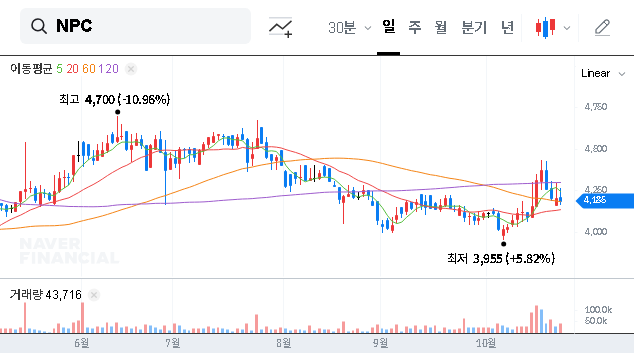
The recent announcement of the NPC NSC merger has sent ripples through the market. National Plastic Company Limited (NPC), a major player in the industry, has declared its intent to absorb its subsidiary, NSC, in a strategic move set for early 2026. For investors, this corporate action presents a critical question: is this a catalyst for growth and enhanced shareholder value, or a harbinger of short-term volatility and risk? This comprehensive corporate absorption analysis will dissect the merger’s background, evaluate NPC’s current financial health, and provide a clear NPC investment strategy for navigating the path ahead.
By understanding the nuances of this merger, investors can move beyond speculation and make data-driven decisions regarding their position in National Plastic Company Limited stock.
Deconstructing the NPC NSC Merger
On October 29, 2025, NPC formally announced its decision to merge with and absorb its subsidiary, NSC. According to the Official Disclosure, NPC will be the surviving entity, and NSC will be dissolved upon the merger’s effective date of January 2, 2026. The stated purpose is to streamline operations, enhance management efficiency, and create powerful synergies that strengthen NPC’s market position. This move is designed to simplify decision-making and eliminate redundant administrative functions, ultimately aiming for a more agile and competitive organization.
Financial Health & Market Context
NPC’s Challenging Fundamentals
The decision for this corporate absorption analysis comes at a challenging time for NPC. A look at the company’s recent performance reveals key pressures:
- •Declining Profitability: In the first half of 2025, consolidated revenue fell by 10.8% year-over-year, with operating profit dropping 11.8%. These figures reflect domestic economic headwinds and reduced cargo volumes, impacting the core business.
- •Strategic Investments: NPC is investing heavily in long-term growth through eco-friendly initiatives like recycled plastics. While crucial for future competitiveness, these ventures increase short-term costs and can weigh on immediate profitability.
- •Financial Standing: Although total debt has risen, the company’s capital soundness is stable. However, an increase in borrowings warrants careful monitoring by investors. For more context on evaluating corporate debt, resources from authoritative sites like Bloomberg can be highly valuable.
Impact Analysis: Opportunities vs. Risks
Any merger presents a double-edged sword. For investors considering their NPC investment strategy, weighing the potential upside against the inherent risks is paramount.
Potential Positive Impacts (The Upside)
- •Streamlined Operations: The primary goal is enhanced efficiency. A unified structure allows for faster decision-making, consolidated supply chains, and a single, focused marketing strategy.
- •Business Synergy: Integrating NSC’s synthetic resin business with NPC’s core operations could unlock new efficiencies and cross-selling opportunities, bolstering overall market competitiveness.
- •Optimized Resources: Merging allows for better allocation of capital, R&D funding, and human resources, directing them towards the most profitable ventures.
Potential Negative Impacts & Risks (The Downside)
- •Integration Challenges: Post-merger integration (PMI) is complex and costly. Combining corporate cultures, IT systems, and operational processes can lead to unforeseen disruptions and expenses.
- •Limited Financial Uplift: NSC’s financial contribution is modest (revenue of KRW 6.2 billion, net income KRW 0). Therefore, the merger is unlikely to provide an immediate, significant boost to NPC’s bottom line.
- •Stock Price Volatility: The National Plastic Company Limited stock will likely experience heightened volatility around key merger dates, such as shareholder meetings and appraisal rights exercises.
An Actionable NPC Investment Strategy
The NPC NSC merger is fundamentally a long-term strategic play. While immediate financial gains are improbable, the potential for a leaner, more efficient company is the key attraction. Investors should adopt a nuanced approach. To learn more about company valuation techniques during such events, you might find our guide on how to analyze M&A deals helpful.
Short-Term (3-6 Months)
The short-term outlook is dominated by uncertainty. A conservative or ‘wait-and-see’ approach is advisable. Monitor stock price movements closely and watch for market sentiment regarding the merger terms. Any significant negative reaction could present short-term downside risk.
Mid- to Long-Term (1-3 Years)
The long-term success hinges on execution. Key performance indicators to watch include improved profit margins, successful integration of business units, and tangible returns from the eco-friendly investments. If NPC can demonstrate that the merger is creating real synergistic value, a positive re-rating of the stock could occur. A positive investment decision is only prudent once concrete evidence of successful integration and business strengthening emerges.

Leave a Reply