Tag: 000400

  • (000400) Lotte Non-Life Insurance: In-Depth Analysis of Regulatory Scrutiny & K-ICS Ratio Risk

    (000400) Lotte Non-Life Insurance: In-Depth Analysis of Regulatory Scrutiny & K-ICS Ratio Risk

    A critical challenge has emerged for Lotte Non-Life Insurance Co., Ltd., placing the company under intense market and regulatory scrutiny. The insurer has taken the significant step of filing an injunction and a lawsuit against a ‘management improvement recommendation’ issued by financial authorities. This is not merely a legal procedural matter; it is a pivotal event that could redefine the financial trajectory, market credibility, and strategic direction of Lotte Non-Life Insurance. This comprehensive analysis will dissect the situation, exploring the underlying financial pressures, the potential fallout from this legal confrontation, and the essential factors investors must monitor closely.

    The Core Conflict: Regulatory Action and a Bold Legal Response

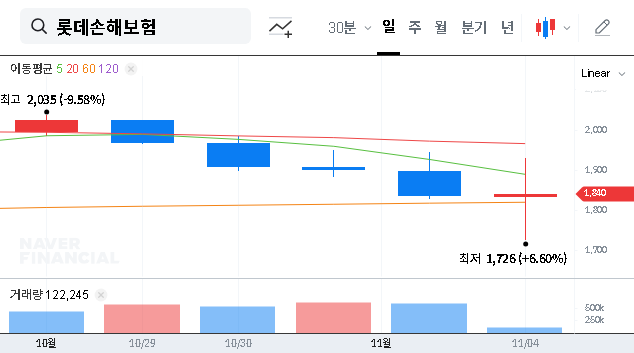
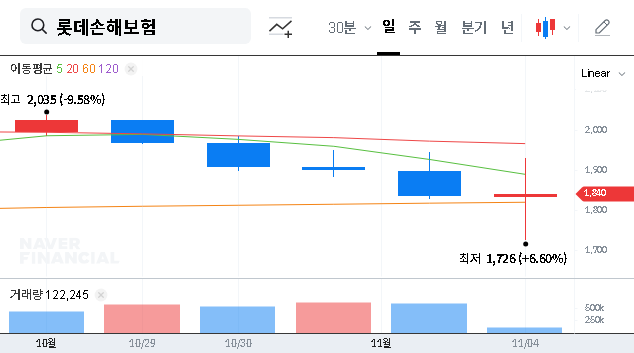
    On November 11, 2025, Lotte Non-Life Insurance escalated its dispute with regulators by challenging the ‘management improvement recommendation’ in court. This recommendation is a formal action taken by financial authorities when an insurer’s financial health, particularly its capital adequacy, falls below required thresholds. The company’s legal filing, as documented in the Official Disclosure (DART), signals a direct challenge to the regulator’s assessment and an attempt to prevent potential operational restrictions. This proactive, albeit confrontational, stance has created significant uncertainty and raised the stakes for the company’s management and its investors.

    A Deeper Look at Lotte Non-Life Insurance’s Financials

    The company’s fundamentals present a conflicting picture of operational success overshadowed by capital adequacy concerns. Understanding both sides is crucial for a complete analysis.

    Warning Signs: The Declining K-ICS Ratio

    The primary catalyst for the regulatory action is the company’s deteriorating solvency ratio under the Korean Insurance Capital Standard (K-ICS). This metric is a key indicator of an insurer’s ability to withstand financial shocks and meet its obligations to policyholders.

    The sharp decline in the K-ICS ratio to 129.46% is a major red flag. Regulators typically expect a ratio of at least 150%, making the need for significant capital replenishment an urgent priority for Lotte Non-Life Insurance.

    • K-ICS Ratio Plunge: The interim report for H1 2025 confirmed a ratio of 129.46%, a steep fall from 154.59% the previous year and 213.20% two years prior.
    • Credit Outlook Downgrade: Reflecting these concerns, the company’s insurance payment capacity rating outlook was revised from ‘Stable’ to ‘Negative’, even while maintaining its ‘A’ grade.

    For a deeper understanding of these metrics, investors can review our guide on Understanding the K-ICS Standard for Insurers.

    Positive Signals: Profitability and Growth

    Despite the capital concerns, the company’s core business operations show resilience and growth.

    • Turnaround to Profit: Lotte Non-Life Insurance reported a net profit of KRW 47.5 billion, a marked improvement from the KRW 24.2 billion profit in the same period last year, thanks to better investment income and premium growth.
    • Sustained Premium Growth: Gross written premiums grew a healthy 5% to KRW 1.4216 trillion, driven primarily by its strategic focus on the long-term insurance market.

    Market Environment and Strategic Challenges

    Lotte Non-Life Insurance does not operate in a vacuum. It faces intense competition in the South Korean market, with over 30 players vying for market share. Furthermore, macroeconomic volatility, including shifting interest rates and currency fluctuations, presents both opportunities and risks for its investment portfolio. In this environment, the company’s push towards digital transformation with platforms like ALICE and Wonder is a critical initiative to enhance efficiency and competitiveness. The current legal dispute, however, could divert crucial management attention and resources away from these strategic goals. Global economic trends, as reported by sources like Bloomberg, continue to add layers of complexity to the operating environment for all insurers.

    Investor Outlook: Key Recommendations

    The legal action introduces significant risk. While a successful lawsuit could be a major victory, a loss could result in stricter sanctions and further damage to its reputation. The market will be closely watching how Lotte Non-Life Insurance navigates this period. The company’s future value hinges on its ability to execute a multi-pronged strategy:

    • Execute a Capital Plan: The most pressing issue is the K-ICS ratio. The company must urgently formulate and execute a clear plan to raise capital and restore its solvency ratio to a stable level above 150%.
    • Communicate Transparently: To mitigate market uncertainty, proactive and transparent communication with investors regarding the lawsuit and its capital strategy is non-negotiable.
    • Strengthen Core Business: The company must not lose sight of its operational strengths. Continuing to grow its profitable long-term insurance portfolio and advancing its digital innovation are key to long-term value creation.

    In conclusion, while the operational performance of Lotte Non-Life Insurance shows promise, it is currently overshadowed by a critical solvency issue and a high-risk legal battle with its regulator. The company’s ability to resolve its capital deficiency and manage the outcome of the lawsuit will be the ultimate determinant of its future success and stock performance.
    (000400) Lotte Non-Life Insurance: In-Depth Analysis of Regulatory Scrutiny & K-ICS Ratio Risk 관련 이미지
  • (000400) Lotte Non-Life Insurance Q3 2025 Earnings: A Deep Dive into Profit Growth & Solvency Risks

    (000400) Lotte Non-Life Insurance Q3 2025 Earnings: A Deep Dive into Profit Growth & Solvency Risks

    For investors tracking the financial sector, the latest preliminary report from Lotte Non-Life Insurance presents a fascinating and complex picture. The company’s Q3 2025 earnings reveal a significant surge in profitability, a welcome sign after previous volatility. However, this profit growth is set against a backdrop of declining revenue and concerns over its capital adequacy. This comprehensive analysis will dissect these results, explore the underlying drivers, and evaluate the critical risks, providing a clear outlook for potential and current investors.

    Lotte Non-Life Insurance Q3 2025 Earnings at a Glance

    Lotte Non-Life Insurance has released its preliminary operating results for the third quarter of 2025, showing a remarkable turnaround in profitability. Here are the headline figures:

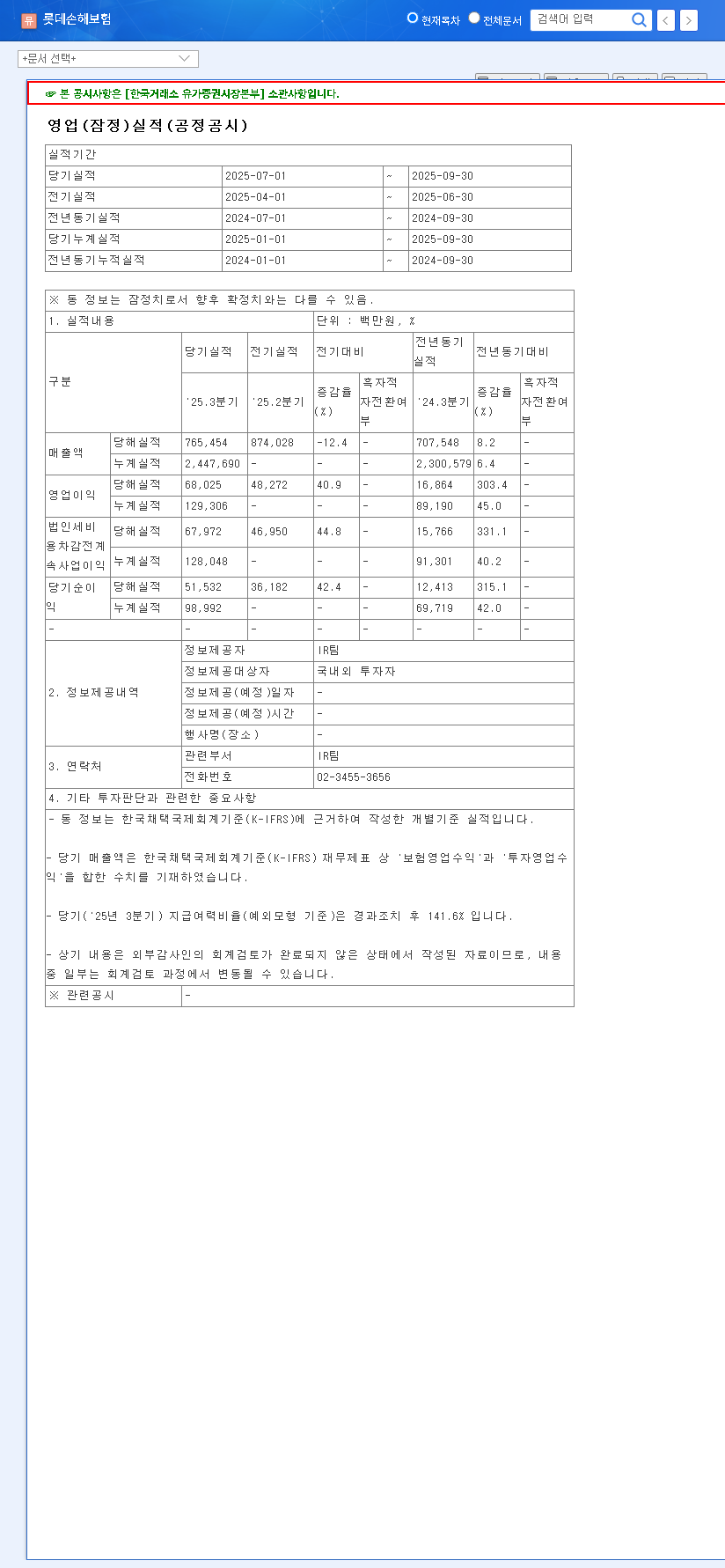
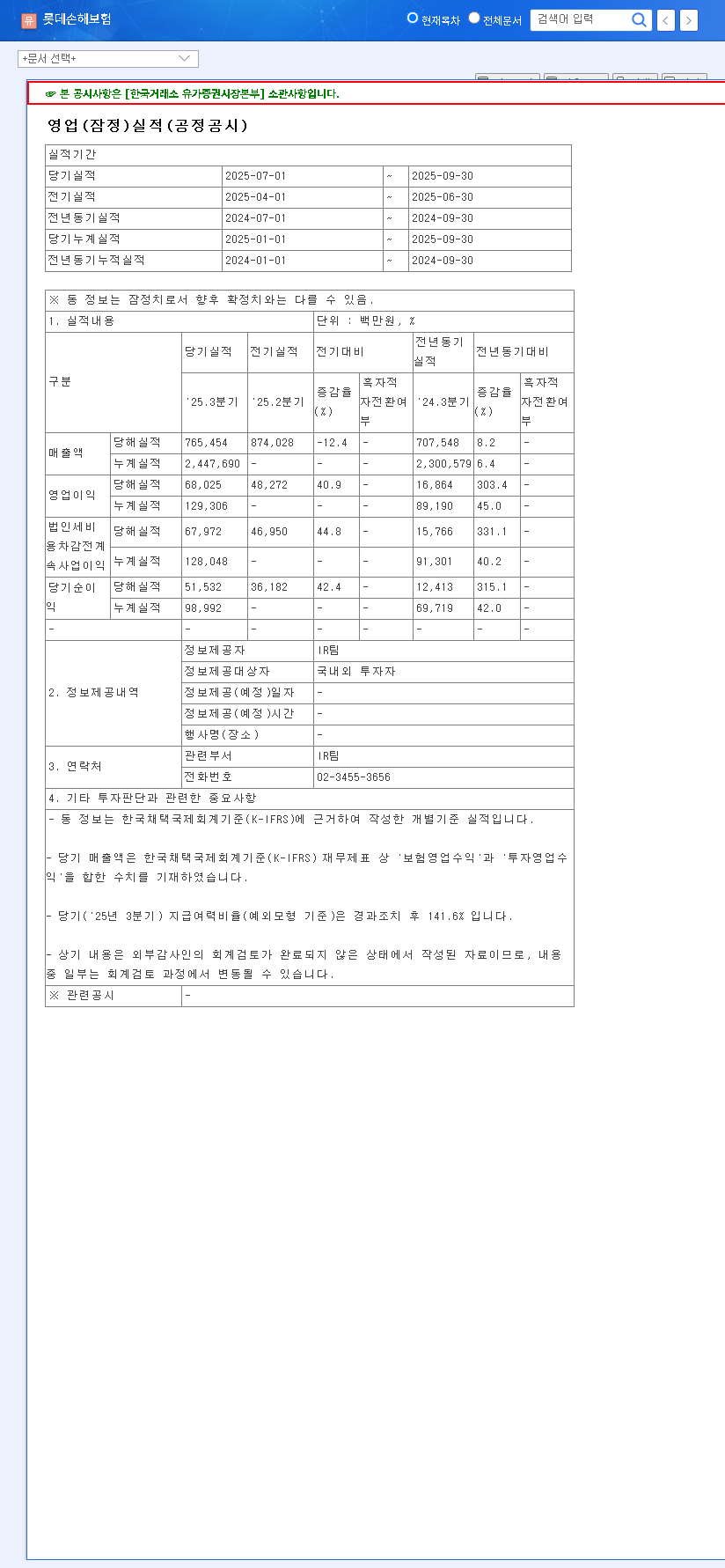
    • Revenue: KRW 765.5 billion (a decrease from Q2)
    • Operating Profit: KRW 68 billion (a 40.8% increase quarter-over-quarter)
    • Net Profit: KRW 51.5 billion (a 42.3% increase quarter-over-quarter)

    These figures, derived from the company’s official filing, paint a clear picture of enhanced operational efficiency. For verification, you can view the Official Disclosure (DART). The primary takeaway is the impressive profit jump despite lower top-line revenue, signaling a potential strategic shift towards higher-margin business lines or improved asset management.

    Analyzing the Drivers of Profitability

    Core Operational Improvements

    The sharp increase in operating and net profit suggests that the value-driven strategies implemented by Lotte Non-Life Insurance are beginning to bear fruit. This could stem from several factors, including more disciplined underwriting, a reduction in the loss ratio for key insurance products, or superior performance from its investment portfolio. The resolution of negative one-off factors from the second quarter likely also played a significant role in this recovery.

    Macroeconomic Tailwinds

    The broader economic environment has provided a mixed but potentially favorable landscape. A high-interest-rate environment can bolster investment returns for insurers, who hold vast portfolios of fixed-income securities. Furthermore, favorable exchange rate movements (rising KRW/USD and KRW/EUR) can create translation gains on foreign currency assets, boosting the bottom line. These external factors are crucial for understanding the sustainability of the current profit levels. For more on this, you can read about how interest rates impact insurance companies.

    While the Q3 profit surge is a strong positive signal, the declining K-ICS solvency ratio introduces a critical element of risk that investors must not overlook. It’s a classic case of balancing short-term performance with long-term financial stability.

    The Elephant in the Room: K-ICS Solvency Ratio

    A critical metric for any insurer is its solvency ratio, which measures its ability to meet long-term debt obligations. In Korea, this is measured by the K-ICS (Korean Insurance Capital Standard). The latest report reveals a concerning trend for Lotte Non-Life Insurance:

    • K-ICS Ratio (Exception Model): 129.46%
    • K-ICS Ratio (Standard Model): 103.70%

    While these figures are above the regulatory minimum, they represent a decline from previous periods. A falling K-ICS solvency ratio can be a red flag, indicating potential future pressure to raise capital, which could dilute existing shareholders, or a reduced capacity for aggressive investment and growth. This is a significant risk factor that counterbalances the positive earnings news.

    Investor Playbook & Future Outlook

    The Q3 2025 results for Lotte Non-Life Insurance are encouraging, but it is premature to declare a complete fundamental recovery. Cautious optimism is the most prudent approach. Investors should closely monitor the following key areas in upcoming quarters:

    • Profit Sustainability: Is the Q3 performance an anomaly, or can the company maintain this level of profitability? Look for consistent operating margins.
    • Revenue Trend Reversal: A continued decline in revenue, even with high profits, could signal a shrinking market share. Watch for a stabilization or return to top-line growth.
    • K-ICS Ratio Management: Any further deterioration in the solvency ratio would be a major concern. Look for management commentary and actions aimed at shoring up their capital base. You can review our archive of Lotte’s past performance reports for historical context.

    In conclusion, Lotte Non-Life Insurance has demonstrated a strong improvement in its core earnings power. However, the accompanying risks, particularly the declining solvency ratio, require careful and continuous monitoring. The path forward will depend on the company’s ability to manage these competing forces effectively.

    (000400) Lotte Non-Life Insurance Q3 2025 Earnings: A Deep Dive into Profit Growth & Solvency Risks 관련 이미지