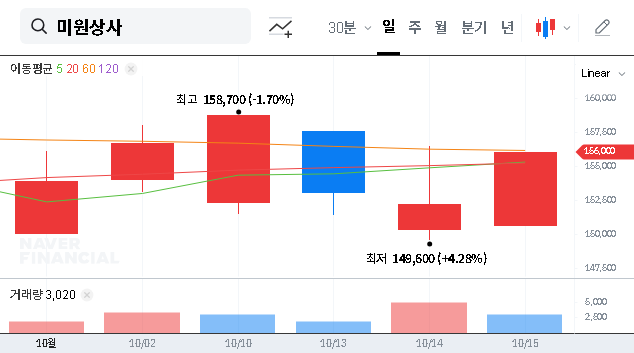
The recent announcement regarding the MIWON COMMERCIAL CO.,LTD dividend for the third quarter of 2025 has generated significant discussion among investors. This decision to distribute a cash dividend is a pivotal event that offers insights into the company’s financial stability and its commitment to shareholder returns. For current and prospective shareholders, understanding the nuances of this payout is crucial for developing a sound investor strategy. This comprehensive guide will dissect the announcement, analyze its implications, and provide actionable recommendations.
Official Q3 2025 Dividend Announcement
On October 15, 2025, MIWON COMMERCIAL CO.,LTD formally declared its intention to issue a cash dividend for the third quarter. The specifics of this decision, which directly impact shareholder portfolios, are as follows:
- •Dividend Amount: KRW 500 per common share.
- •Record Date: September 30, 2025. Investors must own shares before the ex-dividend date to be eligible.
- •Payment Date: October 28, 2025.
- •Source: The details have been confirmed via an Official Disclosure filed with the regulatory authorities.
Analyzing the MIWON COMMERCIAL CO.,LTD Dividend: Positive Signals
A company’s decision to issue or maintain a dividend is a powerful communication tool. For MIWON COMMERCIAL CO.,LTD, this Q3 2025 dividend sends several positive messages to the market.
Indicator of Strong Financial Health
Consistent dividend payments are often a hallmark of a financially sound company. It implies that the management is confident in its ability to generate stable and predictable cash flow, sufficient to cover operational expenses, invest in future growth, and still have enough left over to reward shareholders. This act signals operational stability and robust financial footing, which can be a comforting sign in volatile markets.
Commitment to Enhancing Shareholder Value
By distributing profits directly to shareholders, the company reinforces its commitment to providing a tangible return on investment. This focus on shareholder returns can foster long-term loyalty and trust among the investor base, potentially leading to greater stock price stability over time. It attracts a class of investors who prioritize income and reliability.
A consistent dividend policy is more than just a payout; it’s a statement of management’s confidence in the company’s long-term earnings power and financial discipline.
Navigating Potential Risks and Key Considerations
While the MIWON cash dividend is largely positive, a prudent investor strategy requires examining the potential downsides and associated risks.
- •The Ex-Dividend Effect: It is a market standard for a stock’s price to drop by an amount close to the dividend per share on the ex-dividend date. Investors should not be alarmed by this predictable dip but should factor it into their calculations, especially for short-term trades.
- •Opportunity Cost: Every won paid out as a dividend is a won not reinvested into the company for research, development, acquisitions, or debt reduction. Investors must weigh the immediate cash return against the potential for higher future growth that could be fueled by reinvested capital.
- •Market Expectations: If the dividend amount fell short of what analysts or the market anticipated, it could lead to disappointment and a potential sell-off. For a comprehensive view, investors should consult reports from major financial outlets like Reuters or other institutional analysts.
Investor Strategy: How to Approach MIWON’s Stock
Your approach should align with your personal investment goals. A long-term value investor might view the MIWON COMMERCIAL CO.,LTD dividend as a welcome bonus on top of a solid underlying business, while an income-focused investor will analyze its yield and sustainability. Before making any decision, it is vital to conduct a thorough fundamental analysis. You can start by reviewing our in-depth analysis of MIWON’s Q2 performance to understand the company’s recent trajectory.
For the Long-Term Investor
Focus on the company’s core financials, competitive position, and long-term growth prospects. The dividend provides a floor for returns and demonstrates financial discipline, which are positive attributes for a long-term hold.
For the Income-Oriented Investor
Calculate the dividend yield (annual dividend / stock price) and assess its attractiveness relative to other income-generating assets. Scrutinize the company’s payout ratio and cash flow history to gauge the dividend’s sustainability for the future.
In conclusion, while the Q3 2025 dividend is a strong positive signal, investors must adopt a balanced view. A comprehensive investor strategy involves appreciating the immediate returns while continuously monitoring the company’s fundamental health and growth initiatives to ensure long-term value creation.