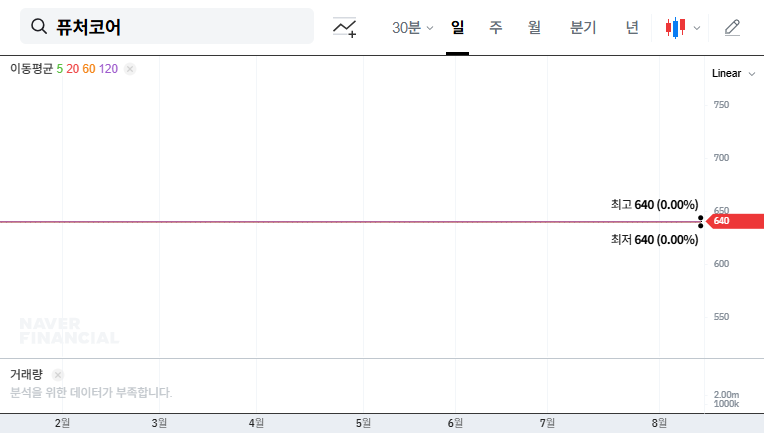
The recent news surrounding the FutureCore Co.,Ltd. delisting has sent shockwaves through the investor community. Following a critical court ruling, the company’s removal from the KOSDAQ market is now all but certain. This situation demands immediate attention from shareholders who must now navigate the complexities of liquidation trading and asset protection. This comprehensive guide provides a detailed analysis of the events leading to this point, explores the severe implications for investors, and outlines a clear, actionable strategy to manage this crisis.
With the court upholding the delisting decision, the path forward for FutureCore (151910) is liquidation trading, signaling the final phase before its official removal from the exchange. For investors, this is a critical moment for risk management.
The Final Verdict: Why the Delisting is Confirmed
On November 13, 2025, the Seoul High Court delivered a decisive blow by dismissing the injunction application filed by FutureCore Co.,Ltd. This legal action was the company’s last hope to suspend the delisting process initiated by the exchange. The court’s ruling effectively reactivates the liquidation trading period, confirming that the FutureCore Co.,Ltd. delisting process will proceed as planned. The official legal filing confirming this decision can be reviewed in the Official Disclosure (DART).
Unpacking the Reasons Behind the Financial Collapse
At first glance, FutureCore’s 2025 semi-annual report showed glimmers of hope. The company, which specializes in manufacturing optical filters and hall sensors, reported a 5.6% year-on-year sales increase to KRW 30.6 billion and even achieved an operating profit of KRW 2.5 billion. However, these positive figures masked deeper financial troubles.
- •Persistent Net Losses: Despite operational profits, the company continued to suffer from a pre-tax net loss, indicating that non-operational factors were draining its finances.
- •Crushing Debt Burden: Increasing financial costs tied to convertible bonds placed significant strain on the company’s balance sheet. This kind of debt can dilute shareholder value and signals financial instability. For more on this, see this guide on convertible bonds from Investopedia.
- •Lack of Viable New Business: While new business ventures were officially added to its corporate charter, their actual performance was negligible, failing to generate the revenue needed to offset losses.
These factors combined raised serious doubts about the company’s status as a ‘going concern,’ a fundamental accounting principle that assumes a company will remain in business for the foreseeable future. The failure to meet listing eligibility criteria ultimately sealed its fate.
Severe Consequences for Shareholders and the Company
The confirmation of the FutureCore Co.,Ltd. delisting triggers a cascade of negative effects that investors must understand immediately.
- •Devastating Stock Price Impact: Delisting is one of the most severe negative signals in the market. The stock price will face immense downward pressure during the liquidation trading period as investors rush to exit.
- •Evaporation of Liquidity: As the company heads for delisting, institutional buyers and most retail investors will disappear. This creates an illiquid market where it becomes extremely difficult to sell shares at any reasonable price.
- •Irreparable Damage to Reputation: The company’s credibility is destroyed. This will hinder any future attempts to raise capital, form business partnerships, or attract qualified employees.
- •Total Loss for Stakeholders: Shareholders face the high probability of losing their entire investment. Creditors also face uncertainty, as their recovery depends on their position in the asset distribution hierarchy during a potential corporate liquidation.
Urgent Investor Action Plan for the FutureCore Delisting
Given that the worst-case scenario has materialized, a defensive and proactive strategy is paramount. Investing in FutureCore at this stage is exceptionally risky. The focus must shift from profit-seeking to capital preservation.
Step 1: Halt All New Investments Immediately
Under no circumstances should you purchase additional shares of FutureCore. Averaging down in a delisting scenario is a flawed strategy that will likely lead to greater losses.
Step 2: Strongly Consider Selling All Holdings
The liquidation trading period is the last opportunity to sell shares on the public exchange. While the price will be low, recovering a small portion of your investment is superior to a near-total loss, which becomes highly likely after the stock moves to the illiquid over-the-counter (OTC) market.
Step 3: Prioritize Risk Management and Asset Protection
Accept the reality of the situation. The primary goal is now to protect your remaining capital. This event serves as a harsh lesson in the importance of diversification and due diligence. For more strategies, review our guide to risk management for your portfolio.
Step 4: Monitor, But Do Not Act on Speculation
Keep an eye on any final company disclosures during the liquidation period for situational awareness. However, avoid making investment decisions based on rumors or speculative trading, which can be rampant in these situations.
In conclusion, the FutureCore Co.,Ltd. delisting is a catastrophic event for investors. Proactive measures to withdraw from the stock and safeguard assets are not just recommended—they are urgently required.
Leave a Reply