In a significant strategic move, DY Corporation has announced its full acquisition of the DY Corporation Indian subsidiary, DY AUTO INDIA Pvt., with a substantial investment of 7.2 billion KRW. This decision signals a decisive pivot towards capturing the immense growth potential of the Indian automotive market. For investors and market analysts, this raises a critical question: is this a masterstroke in the company’s global expansion strategy or a high-stakes gamble in a notoriously complex market? This deep-dive analysis will dissect the investment, evaluate the potential impacts, and offer a clear perspective for stakeholders.
The Landmark Deal: What 100% Ownership Means
On November 10, 2025, DY Corporation’s board ratified the complete acquisition of its subsidiary, DY AUTO INDIA Pvt. This wasn’t merely a capital injection; it was a move to consolidate control and fully integrate the Indian operations into the parent company’s ecosystem. A 100% stake provides DY Corporation with absolute authority over strategic direction, operational management, and financial reporting. This move allows for seamless synergy, faster decision-making, and the ability to directly reinvest profits for accelerated growth within India. The specifics of this DY Corporation investment were confirmed in an Official Disclosure, underscoring the company’s formal commitment to this venture.
Strategic Rationale: Why India, and Why Now?
This acquisition is not an isolated event but a calculated response to global economic trends and internal business performance. With some core segments like Industrial Machinery and Hydraulic Equipment facing headwinds from a construction market slowdown, DY is proactively seeking new, high-growth revenue streams.
Tapping a High-Growth Engine
The Indian automotive market is one of the fastest-growing in the world. With a burgeoning middle class and a government push towards electric vehicles (EVs), the region represents a fertile ground for automotive parts suppliers. By taking full control of the DY Corporation Indian subsidiary, the company positions itself to directly capitalize on this explosive growth, particularly in the competitive eco-friendly vehicle sector. This aligns with their need to secure a foothold in future mobility trends, a key challenge previously identified for its DY Auto segment.
A Foundation of Financial Prudence
Such a bold investment is only possible due to DY Corporation’s remarkably sound financial health. With a consolidated debt-to-equity ratio of just 8.15%, the company boasts a stable and robust balance sheet. This financial strength provides the necessary foundation to absorb the 7.2 billion KRW investment—which represents just 5.14% of its equity—without undue strain, allowing it to pursue its global expansion strategy from a position of power.
This move is a classic high-risk, high-reward play. While success in India could redefine DY Corporation’s future, any missteps could prove costly, making diligent execution paramount for long-term value creation.
Weighing the Opportunities and Risks
For investors, understanding both the potential upside and the inherent risks is crucial. This is not just a financial transaction but a strategic pivot with long-term implications.
- •The Upside: Full ownership of DY AUTO INDIA could lead to significantly enhanced market presence, long-term revenue growth, and improved profitability. As the Indian entity’s performance improves, it will directly boost DY Corporation’s consolidated earnings and equity method gains. This is a key part of their strategy for diversifying revenue streams globally.
- •The Risks: The Indian market, while promising, is not without its challenges. According to analysis from sources like Reuters, foreign companies often face regulatory hurdles, political instability, and intense local competition. Furthermore, currency fluctuations between the KRW and INR could impact investment returns, and underperformance by the Indian subsidiary would be a direct drag on the parent company’s financials.
Investor Takeaway & Stock Price Outlook
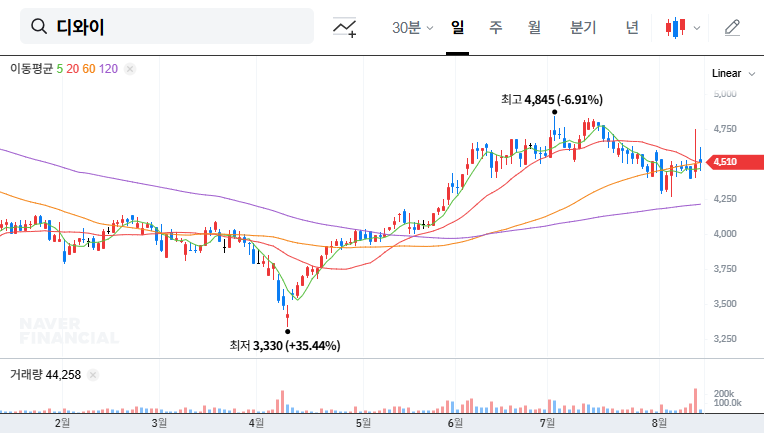
In the short term, this news is likely to be viewed positively by the market, signaling proactive management and a clear vision for future growth. This could provide a modest boost to investor sentiment and the stock price. However, the long-term impact on corporate value and stock performance will depend entirely on execution.
Investors should move beyond the initial announcement and focus on tangible results. Key performance indicators to monitor include quarterly revenue growth from DY AUTO INDIA, market share gains in the region, and profitability margins. A patient, long-term perspective is essential, as the full benefits of this strategic investment will likely take several years to materialize.
Frequently Asked Questions (FAQ)
Q1: Why did DY Corporation acquire a 100% stake in its Indian subsidiary?
A1: The acquisition is a strategic move to secure future growth by fully capitalizing on the high-potential Indian automotive market. It allows for complete control over operations, enabling DY to aggressively pursue market share and respond to the rapid shift towards electric and eco-friendly vehicles in the region.
Q2: How does this 7.2 billion KRW investment affect DY’s financial health?
A2: The investment represents 5.14% of the company’s equity. Given DY’s extremely stable financial structure, evidenced by an 8.15% debt-to-equity ratio, the investment does not pose a significant short-term financial burden. It is a calculated use of its strong balance sheet to fund future growth.
Q3: What is the likely impact on DY Corporation’s stock price?
A3: Short-term, the market may react positively to the proactive growth strategy. Long-term, the stock price will be directly influenced by the success of the Indian subsidiary. Strong performance, revenue growth, and profitability in India will contribute positively to corporate value, while any struggles could weigh on the stock.
Q4: What are the primary risks associated with this investment in India?
A4: The main risks include navigating India’s complex regulatory environment, potential political and economic volatility, and intense competition from both local and global players. Additionally, fluctuations in the KRW/INR exchange rate could impact the financial returns of the investment.
Leave a Reply