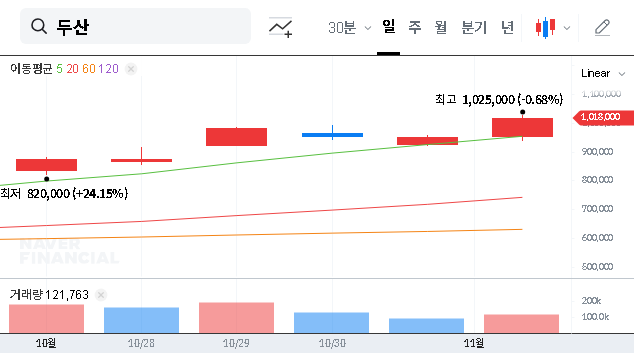
In a move catching the attention of the market, DOOSAN CO.,LTD has announced a significant stock buyback program. This decision raises a critical question for current and potential investors: What does this strategic maneuver mean for the company’s stock price, its long-term value, and your investment portfolio? The announcement of the DOOSAN stock buyback is more than just a headline; it’s a signal about the company’s confidence in its own financial health and a commitment to enhancing shareholder value. This comprehensive analysis will dissect the details, explore the underlying financial implications, and provide a clear roadmap for investors navigating this development.
The Details: Understanding the ₩20.1B DOOSAN Stock Buyback
DOOSAN CO.,LTD officially disclosed its plan to cancel a substantial number of its own shares. This isn’t a new purchase from the open market, but rather the retirement of treasury stock the company already holds. This is a crucial distinction, as it directly reduces the total number of shares in existence. The official disclosure can be viewed directly on the DART system, Korea’s corporate filing database. (Official Disclosure).
Key Figures of the Buyback:
• Shares to be Cancelled: 330,000 common shares
• Estimated Value: Approximately ₩20.1 billion KRW
• Effective Date: November 17, 2025
• Proportion of Market Cap: ~0.13%
Decoding the Impact on Shareholder Value
A treasury stock cancellation is a classic corporate finance tool designed to directly benefit shareholders. By removing shares from circulation, the company effectively makes each remaining share more valuable. It’s a clear signal from management that they believe the stock is undervalued and that reinvesting in their own equity is a prudent use of capital.
The Financial Mechanics of a Buyback
- •Increased Earnings Per Share (EPS): With fewer shares outstanding, the company’s total earnings are divided by a smaller number, automatically increasing the EPS. A higher EPS is often a catalyst for a higher stock price. To learn more about this crucial metric, you can read this guide on calculating Earnings Per Share from a leading financial resource.
- •Boosted Investor Confidence: This action demonstrates management’s belief in the company’s future prospects. It can be interpreted as a bullish signal, reassuring investors and potentially attracting new ones.
- •Improved Book Value Per Share (BPS): Similar to EPS, the company’s book value is spread across fewer shares, increasing the BPS and enhancing the perceived underlying value of each share.
A Look at DOOSAN’s Financial Health
While the buyback is a positive signal, it must be viewed within the context of the company’s broader financial landscape. The decision to execute this ₩20.1 billion buyback suggests confidence, but a prudent investor must look at the balance sheet.
One of the most encouraging signs is DOOSAN’s improving debt-to-equity ratio. This key metric, which measures a company’s financial leverage, has seen a steady decline from 153.53% in 2022 to a more stable 102.93% in 2024. This trend indicates that the company is effectively managing its debt and strengthening its financial foundation. Therefore, this stock buyback is unlikely to place undue stress on its financial structure. However, it’s also noted that the company’s current ratio has decreased, signaling a need for diligent management of short-term liquidity.
The Bigger Picture: Performance and Macroeconomic Headwinds
No investment decision should be made in a vacuum. The DOOSAN stock buyback is one piece of a much larger puzzle. The company has faced performance challenges recently, with both revenue and operating profit seeing a decline since 2022. This downturn is attributed to a mix of high interest rates, geopolitical instability, and a slowdown in key downstream industries.
Key External Factors to Monitor
- •Exchange Rates: A stronger Euro (KRW/EUR) is beneficial for Doosan’s European operations like Doosan Bobcat, potentially leading to favorable foreign exchange gains. Conversely, the KRW/USD rate impacts export competitiveness.
- •Interest Rates: Stable benchmark rates in the U.S. and South Korea help stabilize corporate funding costs. However, investors must keep an eye on long-term rate trends.
- •Commodity Prices: The price of crude oil (WTI) directly affects the profitability of energy-related subsidiaries like Doosan Enerbility, while rising gold prices reflect global uncertainty.
Investor Action Plan and Recommendations
The DOOSAN stock buyback is a welcome development for shareholders, but it doesn’t replace the need for fundamental business improvement. For a comprehensive DOOSAN investment analysis, investors should focus on the following strategic points:
- •Prioritize Fundamental Growth: Look beyond the buyback and scrutinize the company’s strategies for reviving profitability. Pay close attention to progress in high-potential areas like the AI semiconductor business and Doosan Enerbility’s carbon-free energy projects. For more on this, see our article on Doosan’s pivot to next-gen technologies.
- •Monitor Macroeconomic Variables: Continuously assess how global economic shifts in currencies, interest rates, and commodity prices impact Doosan’s performance and adjust your outlook accordingly.
- •Demand Transparency: Encourage and look for proactive communication from DOOSAN CO.,LTD regarding its long-term business roadmap. Clear, consistent updates on strategic initiatives are key to building lasting investor trust.
In conclusion, while the treasury stock cancellation is a shareholder-friendly move, the long-term success of an investment in DOOSAN will hinge on its ability to strengthen its core competitiveness and successfully execute its plans for future growth.
Leave a Reply