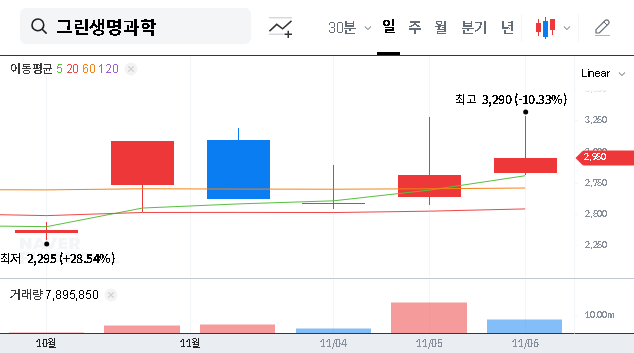
Investors in GREEN LIFESCIENCE CO., LTD. (114450) are closely examining a recent pivotal announcement: a significant GREEN LIFESCIENCE treasury stock disposal. This decision, aimed at securing 1.3 billion KRW in operating funds, presents a complex scenario. While it may offer a short-term financial lifeline, it simultaneously raises critical questions about underlying profitability, financial stability, and the potential for share dilution. This comprehensive analysis will dissect the decision, explore the company’s current financial health, and provide a strategic roadmap for investors navigating this uncertain period.
Understanding the nuances of such a corporate action is crucial. We will delve into the potential market impact, weigh the pros and cons, and outline key metrics to monitor, ensuring you have the insights needed to make well-informed investment decisions regarding your position in GREEN LIFESCIENCE CO., LTD.
The Details of the Treasury Stock Disposal
On November 6, 2025, GREEN LIFESCIENCE CO., LTD. formally announced its board’s decision to dispose of 450,000 of its common shares held in treasury. This block of shares represents approximately 2.25% of the total issued shares and is expected to raise 1.3 billion KRW. The official stated purpose, as per their disclosure, is to secure essential operating funds and fortify the company’s overall financial structure. The transaction is being managed by Kyobo Securities. You can view the complete filing here: Official Disclosure (DART).
This move is widely interpreted by market analysts as a measure to secure short-term liquidity, signaling that the company is facing immediate financial pressures that require swift capital injection.
Analyzing the ‘Why’: GREEN LIFESCIENCE’s Financial Crossroads
To fully grasp the implications of the GREEN LIFESCIENCE treasury stock disposal, we must examine the company’s recent performance. As a fine chemical company specializing in pharmaceuticals, agrochemicals, and electronic materials, its financial health has shown conflicting signals.
1. The Paradox of Growth and Profitability
The H1 2025 financial report presented a mixed picture. On one hand, revenue saw impressive growth, increasing by 23.2% year-over-year. This was driven by new business lines and an expansion of its Contract Manufacturing Organization (CMO) services. However, this top-line growth did not translate to bottom-line success. The core issue is a sharp decline in profitability:
- •Shift to Operating Loss: The company reported an operating loss of 1.122 billion KRW for H1 2025, a stark reversal from previous profitability.
- •Compounding Factors: This deficit was not due to a single issue but a convergence of rising raw material costs, increased investment in R&D, and significant inventory valuation losses.
2. Escalating Financial Health Concerns
The balance sheet reveals further warning signs. As of H1 2025, inventory assets had ballooned to 6.01 billion KRW, which subsequently led to a valuation loss of 0.605 billion KRW. This suggests issues with product demand or inventory management. Concurrently, a rise in short-term borrowings and an increasing debt-to-equity ratio are flashing red lights about the company’s financial stability, making this capital raise a necessity rather than an option.
Impact Analysis: The Double-Edged Sword of Treasury Stock Sales
Selling treasury stock is a tool with both positive and negative consequences that investors must carefully weigh. For a deeper understanding of this financial maneuver, you can read more from high-authority sources like Investopedia’s guide on treasury stock.
Potential Positives: A Short-Term Reprieve
- •Immediate Liquidity: The 1.3 billion KRW provides immediate cash to cover operational expenses and improve the company’s financial structure.
- •Inventory Burden Relief: The new capital could help manage and potentially reduce the burdensome inventory levels, mitigating further valuation losses.
Inevitable Negatives: Dilution and Market Sentiment
- •Share Dilution: Re-introducing 450,000 shares into the market increases the total number of shares outstanding. This dilutes the ownership percentage of existing shareholders and can put downward pressure on Earnings Per Share (EPS) and the stock price.
- •Negative Market Signal: Fundraising during a period of poor performance can be perceived as a sign of distress, potentially spooking investors and worsening market sentiment.
- •Band-Aid Solution: If this capital is used merely to stay afloat without addressing the root causes of unprofitability, it will fail to create long-term corporate value.
Strategic Action Plan for Investors
Given the circumstances, a prudent and cautious investment strategy is paramount. While the GREEN LIFESCIENCE treasury stock disposal provides temporary relief, the path to a fundamental recovery is fraught with challenges. For more tips on evaluating company stability, you can review our guide to analyzing financial health.
- •Monitor Capital Allocation: Watch closely how the 1.3 billion KRW is utilized. Is it being used to pay down debt, streamline operations, or simply cover losses? Look for tangible improvements in the financial structure.
- •Demand Profitability Improvement: The key to long-term value is a return to operating profit. Scrutinize future quarterly reports for signs that the company has a credible plan to control costs and improve margins.
- •Track Macroeconomic Headwinds: Keep an eye on external factors like KRW/USD exchange rates, interest rate movements, and raw material prices, as these will continue to impact profitability.
- •Re-evaluate Valuation: Factor the effect of share dilution into your valuation models. The company’s market capitalization might stay the same initially, but your individual share represents a smaller piece of the pie.
In conclusion, GREEN LIFESCIENCE CO., LTD. is at a critical juncture. This treasury stock disposal is a necessary but not sufficient step toward recovery. A sustained turnaround in stock price and corporate value hinges entirely on the management’s ability to restore profitability and enhance fundamental business competitiveness. Investors are advised to exercise caution, conduct thorough due diligence, and continuously monitor the company’s performance against these key recovery indicators.

Leave a Reply