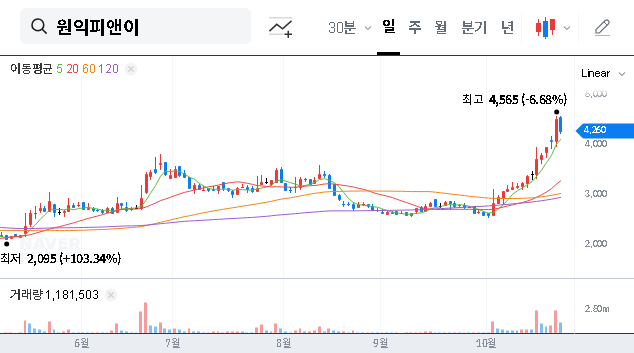
In the highly competitive secondary battery industry, WONIK PNE CO., LTD. (원익피앤이) has made a decisive strategic move. The company recently announced board approval for a small-scale merger with PNE Systems, a development that signals a significant consolidation in the battery manufacturing equipment sector. This move has investors and industry analysts closely watching, eager to understand how it will shape WONIK PNE’s growth trajectory and solidify its market leadership.
This comprehensive analysis offers a professional deep dive into the WONIK PNE merger, examining the company’s fundamentals, the dynamic market environment, and the critical implications for future investment strategies. We will unpack the details of this transaction and explore the opportunities it presents for this key industry player.
The Landmark Merger: WONIK PNE Absorbs PNE Systems
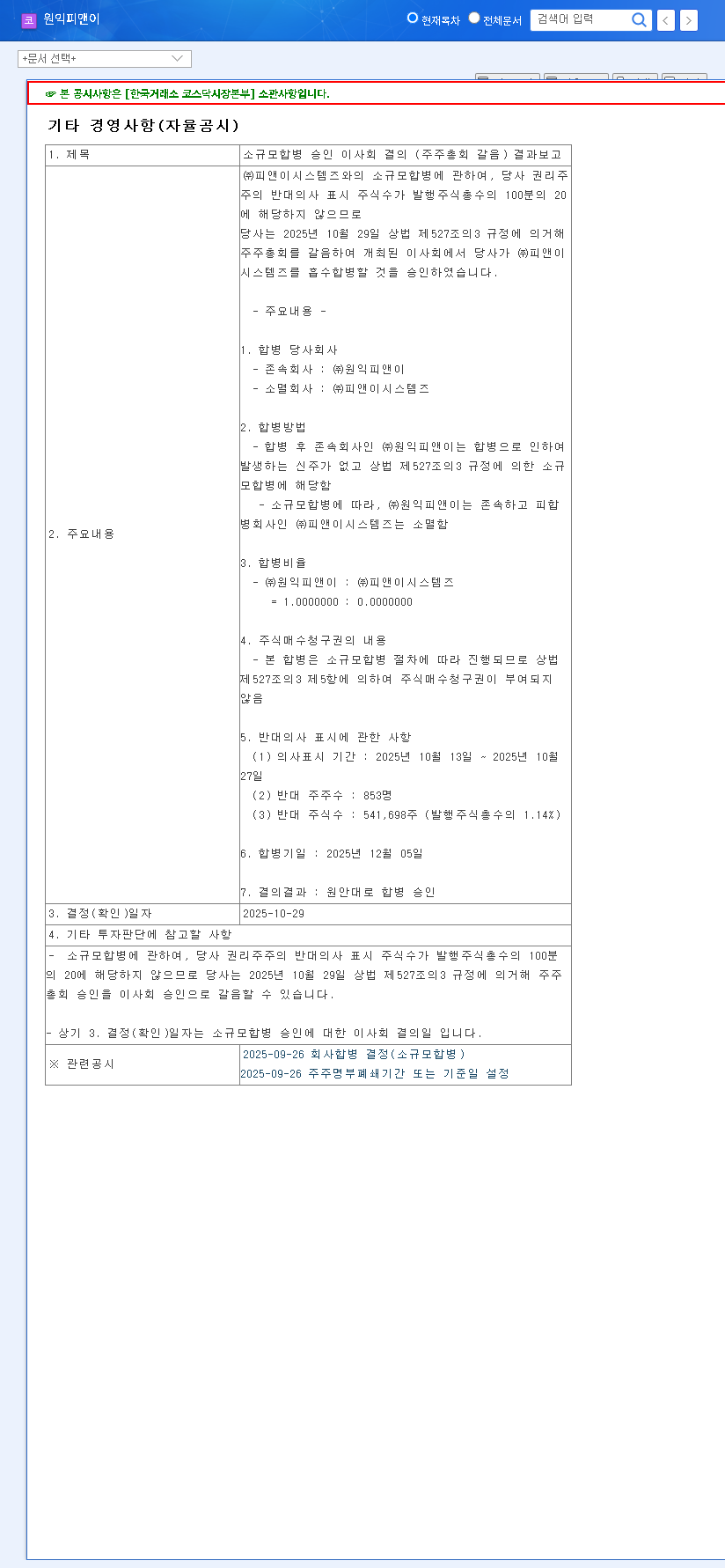
On October 29, 2025, WONIK PNE formally announced the approval of a small-scale merger with PNE Systems, a move designed to streamline operations and enhance corporate value. According to the Official Disclosure filed with DART, the merger will be an absorption, with WONIK PNE as the surviving entity. Critically, this was executed without issuing new shares, a detail often viewed favorably by existing shareholders as it avoids dilution. The merger is scheduled to be finalized by December 05, 2025.
Why This Matters: A Look at WONIK PNE’s Business Fundamentals
To grasp the full impact of the PNE Systems merger, it’s essential to understand WONIK PNE’s dominant position in the secondary battery equipment market. The company is not just a supplier; it’s an integral part of the global battery production value chain.
Core Business and Global Reach
The company’s primary revenue driver is its advanced automation equipment for the battery manufacturing process, which constitutes nearly 90% of its sales. This includes critical machinery for formation (activating the battery for the first time) and cycler systems (for testing and grading). With aggressive expansion into key overseas markets like Europe and North America, WONIK PNE is positioning itself to serve the burgeoning global demand for electric vehicles (EVs) and energy storage systems (ESS).
Improving Financial Health
Despite a year-over-year revenue decrease in the first half of 2025, WONIK PNE demonstrated remarkable financial resilience. The company achieved a significant turnaround, posting an operating profit of KRW 7.3 billion compared to a loss of KRW 48.7 billion in the previous year. Furthermore, its net debt-to-equity ratio improved, and operating cash flow turned positive, indicating a strengthening financial foundation ahead of the merger.
The global secondary battery equipment market is on a blistering growth path, projected to expand at a CAGR of over 30% through 2035, driven by the relentless electrification of transport and energy grids.
Strategic Impact and Future Outlook
The merger is more than a simple consolidation; it’s a strategic realignment aimed at generating significant long-term value. The primary goal is to create powerful synergies by simplifying the business structure, reducing operational redundancies, and increasing overall efficiency. This leaner, more integrated organization will be better equipped to innovate and respond to market demands. The move is expected to enhance shareholder value and solidify WONIK PNE‘s reputation as a stable and forward-looking investment.
Looking ahead, the company’s growth is underpinned by powerful macro trends. The EV market continues its exponential growth, a trend well-documented by authorities like the International Energy Agency (IEA). This, combined with the expansion of new business ventures like technology testing and analysis services, provides WONIK PNE with a diversified and robust platform for sustained growth.
Actionable Investment Analysis for WONIK PNE
For investors, the merger presents a compelling story, but a balanced view is crucial. It’s important to weigh the significant potential against the inherent risks in this dynamic sector. For more background, you can explore our deep dive into the global EV battery market.
Key Monitoring Points for Investors
Moving forward, the market will be closely watching several key performance indicators to gauge the success of the post-merger integration. Investors should monitor:
- •Synergy Realization: Tangible evidence of cost savings and operational efficiencies resulting from the merger.
- •Overseas Order Book: Growth in new orders, particularly from major battery manufacturers in Europe and North America.
- •New Business Performance: Market share and revenue growth from the technology testing and analysis services division.
- •Macroeconomic Factors: The impact of exchange rate fluctuations and raw material costs on profitability.
Disclaimer: This report is for informational purposes only and is based on publicly available information. Investment decisions should be made based on your own research and judgment.
Leave a Reply