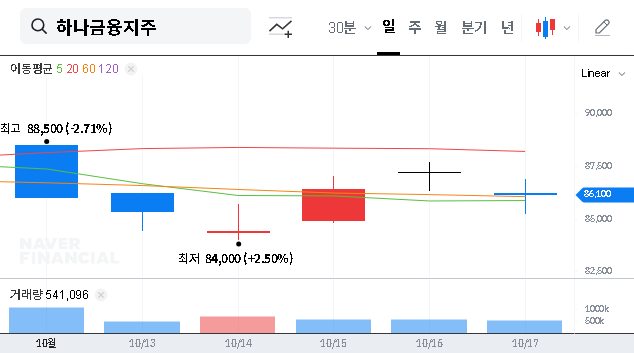
In a significant move for the financial market, Hana Financial Group Inc. has announced a major share cancellation, signaling a robust commitment to enhancing shareholder value. This decision has captured the attention of investors and analysts alike, prompting questions about its long-term impact on the company’s stock and financial health. This comprehensive analysis will explore the specifics of the Hana Financial Group share cancellation, its strategic rationale, and what it means for investors navigating the current economic landscape.
The Landmark Announcement: 150 Billion KRW in Shares Retired
On May 20, 2024, Hana Financial Group formally disclosed its plan to cancel 1,708,428 of its common shares, which corresponds to a value of approximately 150 billion KRW. The shares are slated to be acquired via open market purchases, a common method for executing such buyback and cancellation programs. The specific timeline for the acquisition remains to be finalized. You can view the Official Disclosure on the DART system for complete regulatory details. This action is a direct and powerful form of shareholder return, designed to increase the intrinsic value of the remaining shares in circulation.
By reducing the total number of outstanding shares, a company effectively gives each remaining shareholder a larger piece of the ownership pie. This directly boosts key performance metrics and signals management’s confidence in the company’s future earnings power.
Strategic Rationale: More Than Just a Stock Boost
While a share price increase is a welcome outcome, the decision by Hana Financial Group is rooted in deeper strategic objectives aimed at strengthening the company’s fundamental profile. This move is a clear example of prioritizing strong corporate governance and is expected to deliver several key benefits.
Driving Capital Efficiency and Profitability
The primary mechanical benefit of a share cancellation is the immediate improvement in capital efficiency metrics. With fewer shares outstanding, the company’s net income is divided by a smaller number, which directly increases Earnings Per Share (EPS). Furthermore, as total equity on the balance sheet can decrease, it can lead to a higher Return on Equity (ROE). These are two of the most scrutinized metrics by which investors judge a company’s profitability and management effectiveness.
Enhancing Long-Term Shareholder Value
The law of supply and demand applies directly to stocks. By reducing the supply of shares, the value of each remaining share tends to increase, assuming demand stays constant or grows. This is a direct return of value to shareholders and a clear statement that the management believes the company’s stock is undervalued in the open market. This can lead to a positive re-rating of the stock by the investment community.
Market Impact and Stock Analysis
The announcement of the Hana Financial Group share cancellation is widely seen as a positive catalyst. However, the true impact on the stock price will be a function of short-term market sentiment and long-term fundamental performance. While an initial positive reaction is common, its sustainability depends on the broader market context. According to market analysis from leading financial news outlets, bank stocks are heavily influenced by macroeconomic trends, particularly interest rate policies.
Investors should therefore focus on whether the improved EPS and ROE figures translate into sustained operational excellence. The real test will be observing the company’s performance in the quarters following the cancellation. A deeper look at other key metrics for analyzing bank stocks will provide a more complete picture.
A Strategic Checklist for Investors
For those holding or considering an investment in Hana Financial Group, this development warrants careful consideration. Here is a strategic checklist to guide your decision-making process:
- •Acknowledge the Positives: Understand that this is a fundamentally positive action. It reflects a healthy balance sheet, strong cash flow, and a management team focused on delivering shareholder value.
- •Monitor Macro-Environment: Keep a close watch on key economic indicators, especially the Bank of Korea’s interest rate decisions and the overall health of the global economy, as these heavily influence the banking sector’s profitability.
- •Track Fundamental Performance: Look beyond the headline numbers. In upcoming quarterly reports, verify if the improved EPS and ROE are complemented by growth in core banking operations, such as net interest margin and loan growth.
- •Assess the Competitive Landscape: Compare Hana Financial Group’s shareholder return policies with those of its domestic competitors. A proactive approach to corporate governance can be a significant competitive advantage in attracting institutional investment.
In conclusion, Hana Financial Group’s share cancellation is a confident and shareholder-friendly move. It provides a solid foundation for potential stock price appreciation and reinforces the company’s investment appeal. However, for this potential to be fully realized, it must be supported by continued strong operational performance and a stable macroeconomic environment.
Frequently Asked Questions
What does the Hana Financial Group share cancellation entail?
Hana Financial Group has committed to buying back and canceling 1,708,428 of its own common shares from the open market, valued at about 150 billion KRW. This reduces the total number of shares available, thereby increasing the ownership stake of remaining shareholders.
How does a share cancellation impact stock prices?
It typically has a positive effect. By improving key metrics like EPS and ROE and reducing the supply of shares, it can make the stock more attractive to investors. This can lead to short-term price momentum and supports long-term valuation if the company’s performance remains strong.
Is this a good long-term signal for the company?
Yes, it is generally considered a very positive long-term signal. It demonstrates that management is confident in the company’s future prospects and is committed to efficient capital management and delivering value directly to its shareholders, which is a hallmark of good corporate governance.

Leave a Reply