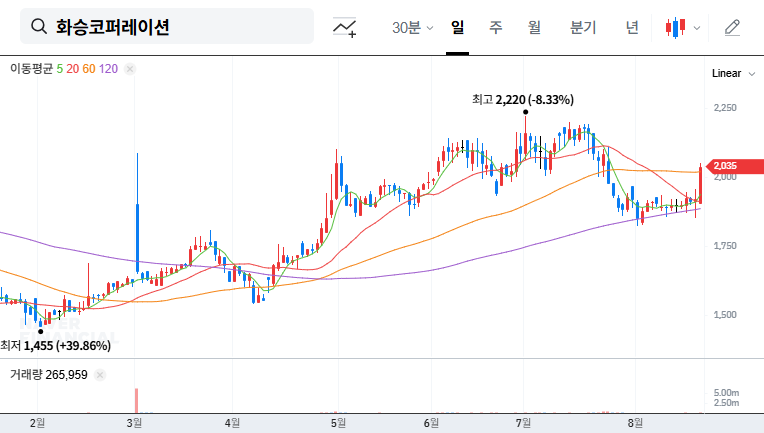
The recent Hwaseung Corporation asset divestment has sent ripples through the market, signaling a pivotal moment for the company (KRX: 013520). With the announcement of a ₩21 billion sale of assets from its Chinese subsidiary, investors are keenly analyzing what this strategic pivot means. This move is far more than a simple transaction; it’s a deliberate strategy to streamline operations, bolster financial health, and double down on high-growth core business areas. This in-depth analysis will dissect the divestment, evaluate its potential impact, and provide a clear investment outlook for Hwaseung Corporation.
The ₩21 Billion Deal: A Closer Look
On October 28, 2025, Hwaseung Corporation formally announced its decision to offload equity stakes and investment securities held by Hwaseung Special Rubber (Taicang) Co., Ltd. The move aims to realign the company’s focus and unlock significant capital. As detailed in the Official Disclosure (Source: DART), the key components of the deal are as follows:
- •Divesting Entity: Hwaseung Special Rubber (Taicang) Co., Ltd., a Chinese subsidiary focused on rubber product manufacturing.
- •Transaction Value: A substantial ₩21 billion, representing approximately 5.80% of the company’s equity capital.
- •Primary Purpose: Strategic business restructuring to concentrate resources and management attention on core, high-potential business segments.
- •Scheduled Completion: December 31, 2025.
Financial Health & Market Context
This restructuring doesn’t happen in a vacuum. Hwaseung’s H1 2025 performance showed robust sales of ₩894.7 billion, up 7.46% year-over-year, driven by its Auto Parts and Material businesses. However, net profit saw a decline due to non-recurring factors. This backdrop makes the asset sale a prudent strategic choice to navigate both internal financial metrics and external market pressures, such as the persistent global economic slowdown and interest rate volatility.
The company’s debt-to-equity ratio, while slightly improved, stands at 126.4%. This figure, while not uncommon in manufacturing, suggests that a cash infusion to pay down debt would be a welcome development for strengthening the balance sheet. For more on this metric, see our guide on understanding key financial ratios for investors.
This Hwaseung Corporation asset divestment is a clear signal of ‘addition by subtraction’—shedding non-core assets to sharpen focus, improve financial stability, and accelerate growth in the divisions that matter most.
Impact Analysis: Opportunities and Risks
This strategic move carries both significant upside potential and calculated risks that investors must consider.
The Bull Case: Positive Impacts
- •Enhanced Liquidity & Financial Flexibility: The influx of ₩21 billion in cash provides a powerful tool. This capital can be used to pay down debt, thereby reducing the debt-to-equity ratio and lowering interest expenses, or be reinvested into high-return projects.
- •Sharpened Focus on Core Businesses: By offloading a peripheral asset, Hwaseung can concentrate its resources on the thriving Auto Parts and advanced Material Business segments. This focus is key to building a competitive advantage and driving long-term profitability.
- •Improved Corporate Efficiency: A leaner corporate structure often leads to more agile decision-making and better allocation of capital, creating a more efficient and resilient organization.
The Bear Case: Potential Risks
- •Execution Risk: The ultimate success of this divestment hinges on how effectively the proceeds are used. A poor reinvestment strategy could nullify the benefits of the sale.
- •Loss of Potential Upside: It’s crucial to assess if the divested Chinese subsidiary had untapped growth potential. While deemed ‘non-core’ now, its future value has been forfeited.
- •Macroeconomic Headwinds: Currency fluctuations during the repatriation of funds and the ongoing high-interest-rate environment remain external risks that could impact the net financial benefit.
Investment Outlook & Final Verdict
The Hwaseung Corporation asset divestment is a strategically sound move that prioritizes long-term stability and focused growth over short-term complexity. While we maintain a ‘Neutral’ rating pending the execution of the company’s reinvestment plan, the initiative is a significant positive step towards building a more robust and competitive enterprise.
Key Monitoring Points for Investors:
- •Capital Allocation Plan: Watch for official announcements on how the ₩21 billion will be deployed—debt reduction, R&D in core areas, or strategic acquisitions.
- •Core Business Performance: Closely track the revenue growth and profit margins of the Auto Parts and Material Business segments in subsequent quarterly reports.
- •Balance Sheet Improvement: Monitor the debt-to-equity ratio and interest coverage ratio to confirm tangible improvements in financial health.
In conclusion, Hwaseung’s strategic divestment is a proactive measure to fortify its foundation. For investors, the coming months will be critical for observing whether this bold restructuring translates into sustained value creation.
Leave a Reply