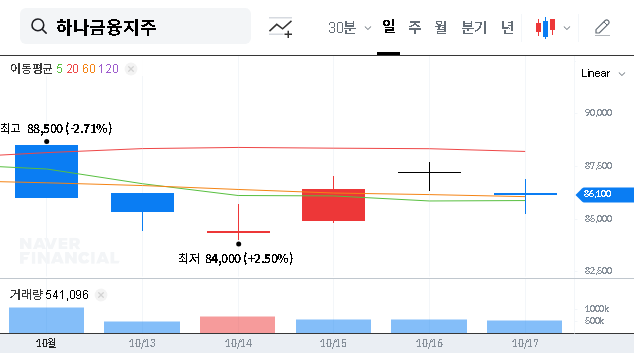
In a significant move to bolster investor confidence, Hana Financial Group Inc. has announced a decisive plan to acquire and cancel ₩150 billion in treasury shares. This isn’t merely a line item on a balance sheet; it’s a powerful statement about the company’s commitment to shareholder value enhancement. For investors watching the Hana Financial Group stock, understanding the mechanics and implications of this treasury share cancellation is crucial for making informed decisions.
This in-depth analysis will break down the announcement, explore the strategic rationale, evaluate the potential market impact, and provide a clear action plan for current and prospective investors.
The Announcement: A ₩150 Billion Commitment
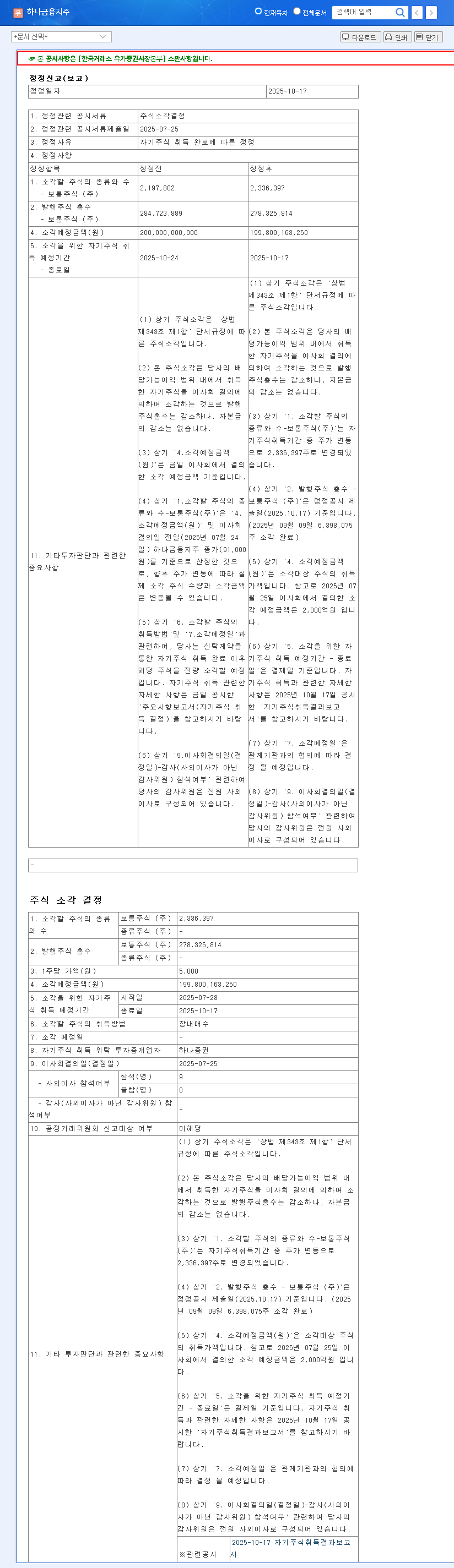
Hana Financial Group has officially declared its intention to acquire 1,708,428 of its common shares, valued at approximately ₩150 billion. The acquisition will be conducted via open market purchases, with Hana Securities facilitating the process, and is slated for completion by October 28, 2025. Following the acquisition, these shares will be permanently canceled. The full details of this corporate action are available in the group’s Official Disclosure (Source: DART).
A treasury share cancellation, or stock buyback and retirement, is one of the most direct ways a company can return value to its shareholders. It reduces the total number of shares outstanding, making each remaining share more valuable.
Why a Treasury Share Cancellation is a Powerful Move
The core objective behind managing Hana Financial Group treasury shares this way is to maximize shareholder value. This strategy achieves its goal through several key mechanisms:
- •Boosted Per-Share Metrics: With fewer shares in circulation, key financial metrics like Earnings Per Share (EPS) and Book Value Per Share (BPS) automatically increase. This mathematical improvement makes the stock appear more attractive on a fundamental basis.
- •Positive Market Signaling: A significant stock buyback sends a strong message. It implies that the company’s management believes its own stock is undervalued and represents a good investment, boosting overall market sentiment and trust.
- •Improved Capital Efficiency: By deploying excess cash to repurchase shares instead of letting it sit on the balance sheet, the company demonstrates efficient capital allocation, which can lead to a higher Return on Equity (ROE).
- •Confidence in Future Performance: This move aligns with Hana Financial Group’s positive financial outlook, showing a trend of growing revenue and net profit. The buyback reinforces the belief that future earnings will be robust enough to support both business growth and shareholder returns.
Market Impact and Macroeconomic Context
Expected Impact on Fundamentals
Historically, the market reacts favorably to shareholder return policies from major financial institutions. Hana Financial Group’s stock has already been on an upward trajectory, and this shareholder-friendly policy is expected to add further momentum. While the action doesn’t change the company’s core operations, it reframes its financial structure in a way that directly benefits existing shareholders, which is a powerful catalyst for positive price action.
Indirect Macroeconomic Influences
No company operates in a vacuum. While the decision is internal, its success can be influenced by broader economic conditions. Investors should remain aware of:
- •Interest Rate Environment: Central bank decisions on interest rates directly impact a bank’s Net Interest Margin (NIM), a key profitability driver.
- •Currency Fluctuations: As a global financial player, shifts in KRW/USD and KRW/EUR exchange rates can affect earnings from international operations and derivative transactions.
- •Global Economic Health: Broader concerns of an economic slowdown, as tracked by institutions like The World Bank, could create market volatility that affects all financial stocks.
Investor Action Plan & Strategic Takeaways
Given the positive outlook, here’s how investors might approach this development. It is essential to align these strategies with your personal risk tolerance and as part of a plan for diversifying your investment portfolio.
Short-Term Strategy
The announcement is likely to generate positive short-term momentum. Traders may watch for increased volume and price stability following the news, potentially presenting short-term buying opportunities. However, be mindful of initial volatility as the market digests the information.
Mid-to-Long-Term Strategy
For long-term investors, this decision reinforces the company’s solid fundamentals and shareholder-centric management. The key is to monitor the execution of the stock buyback and the company’s ongoing financial performance. Continued improvement in earnings and a stable macroeconomic environment could make Hana Financial Group an attractive holding for sustained growth and value.
Key Risks to Monitor
Despite the positive news, due diligence is paramount. Keep an eye on potential risks such as unexpected macroeconomic downturns or any deviation from the announced share acquisition plan. Verifying the completion of the buyback through future company reports is a critical final step.
Leave a Reply