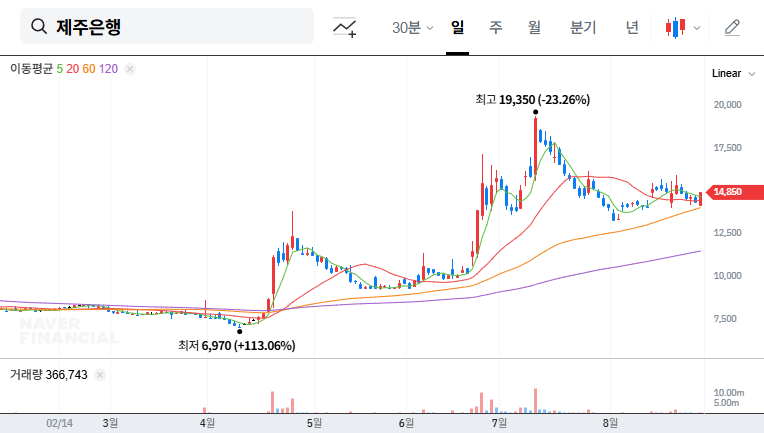
Jeju Bank’s Q3 2025 earnings report paints a complex but cautiously optimistic picture for investors. Despite a marginal dip in revenue, the regional bank demonstrated impressive resilience by boosting both operating and net profits. This performance signals that strategic initiatives, including a significant capital increase and an accelerated push towards digital banking, are beginning to bear fruit. This in-depth Jeju Bank investment analysis will dissect the latest Jeju Bank financial results, explore the core drivers of its success, evaluate the lingering risks, and provide a clear outlook for potential investors monitoring the bank’s trajectory into 2026.
Deep Dive: Jeju Bank Q3 2025 Earnings Breakdown
The headline figures from the Jeju Bank Q3 2025 earnings release confirm a positive trend in core profitability. The preliminary results, based on the company’s official filing, are as follows:
- •Revenue: KRW 95.1 billion (a slight decrease year-over-year).
- •Operating Profit: KRW 4.9 billion (a notable increase year-over-year).
- •Net Profit: KRW 4.2 billion (a healthy increase year-over-year).
The key takeaway is the divergence between revenue and profit. This indicates successful cost management and improved operational efficiency, allowing the bank to generate more profit from its operations. For a detailed review of these figures, investors can consult the Official Disclosure (DART).
Despite macroeconomic headwinds, Jeju Bank’s ability to grow its bottom line showcases a disciplined approach to fundamentals and a successful execution of its strategic turnaround plan.
The Strategic Pillars Driving Profitability
This improved performance wasn’t accidental. It’s the direct result of several key strategic initiatives implemented over the past year.
Fortified Capital Base: The Impact of the Rights Offering
In April 2025, Jeju Bank completed a crucial capital increase via a rights offering. This move significantly strengthened its capital adequacy, particularly its BIS ratio (Bank for International Settlements ratio), a key measure of a bank’s financial strength. A higher BIS ratio provides a larger cushion to absorb unexpected losses, enhancing financial stability and investor confidence in a volatile market.
Digital Transformation and Cost Efficiency
Jeju Bank’s aggressive push into digital transformation is paying dividends. By expanding its non-face-to-face service channels and enhancing its mobile banking platform, the bank has not only expanded its customer base beyond its traditional geographic footprint but also lowered its cost-to-serve. This digital-first approach, combined with disciplined control over general and administrative expenses, has directly contributed to the expansion of its profit margins.
Navigating the Headwinds: Key Risks for Investors
While the Q3 results are encouraging, a complete Jeju Bank investment analysis must also consider the potential challenges ahead. Several external and internal factors could impact future performance.
- •Asset Quality Management: An economic slowdown could lead to a rise in non-performing loans (NPLs). Investors must monitor the bank’s NPL ratio and its loan loss reserve coverage to gauge its preparedness for potential credit defaults.
- •Macroeconomic Volatility: Persistent high-interest rates and currency fluctuations can compress the bank’s Net Interest Margin (NIM). A proactive risk management strategy is essential to mitigate the impact of these external pressures.
- •Competitive Landscape: As a regional bank, Jeju Bank faces intense competition from larger national players and agile fintech startups. Continuous innovation and diversification into non-interest income streams are critical for sustained growth.
Investment Outlook: What’s Next for Jeju Bank Stock?
The Jeju Bank Q3 2025 earnings demonstrate a company in a successful transition phase. The management’s focus on strengthening the balance sheet and embracing digital innovation has set a solid foundation. However, the path forward depends on its ability to navigate the macroeconomic environment and manage credit risk effectively. Investors should closely monitor the following indicators for a comprehensive view:
- •Quarterly trends in NPL ratios and delinquency rates.
- •Growth in non-interest income as a percentage of total revenue.
- •User adoption rates and engagement metrics for its digital banking platforms. Read our full Analysis of the Korean Banking Sector for more context.
In conclusion, while risks remain, Jeju Bank’s proactive measures have positioned it to potentially outperform its regional peers. If it can maintain this momentum, continued appreciation in corporate value is a distinct possibility.
Frequently Asked Questions (FAQ)
What are the key highlights of Jeju Bank’s Q3 2025 earnings?
The key highlight is improved profitability despite a slight revenue dip. Jeju Bank reported an operating profit of KRW 4.9 billion and a net profit of KRW 4.2 billion, both showing a year-over-year increase, on revenues of KRW 95.1 billion.
What factors contributed to Jeju Bank’s improved profitability?
Profitability was driven by a combination of factors: a stronger capital base from a rights offering in April 2025, successful cost-saving measures, and strategic investment in digital transformation, which expanded the customer base and improved operational efficiency.
What are the main risks for Jeju Bank investors?
The primary risks include potential deterioration in asset quality (rising NPLs) from an economic slowdown, pressure on interest margins from macroeconomic volatility, and intense competition from larger banks and fintech companies.
Leave a Reply