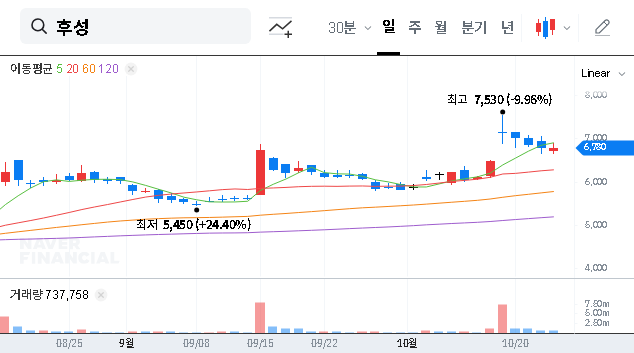
The recent announcement regarding the FOOSUNG Convertible Bonds issuance has sent ripples through the investment community. FOOSUNG CO.,LTD (093370) has confirmed its decision to issue ₩27 billion in Convertible Bonds (CBs), a strategic financial maneuver that presents both significant opportunities and potential risks for shareholders. While such instruments can fuel growth and innovation, they invariably bring the risk of share dilution to the forefront.
This comprehensive analysis will dissect the intricacies of FOOSUNG’s CB issuance. We will explore the core details, evaluate the strategic rationale behind the capital raise, and provide a balanced view of the implications for your portfolio. Is this a launchpad for future growth, or a precursor to diluted shareholder value? Let’s delve into a detailed investor analysis.
Core Details of the Issuance
FOOSUNG has opted for a private placement to raise ₩27 billion. The key terms, which every investor should understand, are outlined below. For official, firsthand information, investors should always consult the primary source.
This private placement has been filed and is publicly available.
Official Disclosure: View DART Report
- •Total Issuance Amount: ₩27 billion (approximately 3.54% of current market capitalization).
- •Issuance Method: Private Placement to specific investors (Heimdall J-Ho PEF, Fluor Material New Technology Association).
- •Conversion Price: ₩6,857. This is set about 12% higher than the current stock price, a signal of management confidence.
- •Interest Rates: 0% surface interest rate but a 5.7% maturity interest rate, creating a balloon payment risk at maturity if not converted.
- •Conversion Period: November 5, 2026, to October 5, 2030.
Strategic Rationale: Fueling Future Growth
While FOOSUNG has not specified the exact use of proceeds, the context provides strong clues. Issuing debt that can convert to equity is often a move made by companies poised for significant expansion. The involvement of the ‘Fluor Material New Technology Association’ is particularly telling, suggesting a strategic push into advanced materials, R&D for next-generation products, or expansion of manufacturing capabilities in this high-growth sector. This capital injection could be the catalyst FOOSUNG needs to solidify its competitive edge.
The Double-Edged Sword: Understanding Share Dilution Risk
The primary concern for existing shareholders with any convertible bond issuance is dilution. When these bonds are converted, new shares are created, increasing the total number of shares outstanding. This means each existing share now represents a smaller percentage of the company. In this case, if all ₩27 billion in bonds are converted at ₩6,857 per share, it would create approximately 3.9 million new shares. While the issuance size is modest relative to the market cap (3.54%), the potential for dilution is real and must be factored into any valuation model. For a deeper dive into company financials, you can read our full analysis of FOOSUNG’s latest earnings report.
Investor Analysis: Balancing Opportunity and Risk
A prudent investor must weigh the potential upside of growth against the downside of dilution. Here’s a balanced breakdown of the implications of the FOOSUNG Convertible Bonds.
Potential Positive Catalysts
- •Strategic Investment: The funds can accelerate R&D, leading to new products and revenue streams that significantly outweigh the dilution effect.
- •Vote of Confidence: A conversion price premium signals management’s belief in the company’s future stock performance. The participation of specialized investors adds a layer of third-party validation.
- •Financial Flexibility: A 0% surface interest rate means no immediate cash drain from interest payments, preserving capital for operational needs.
Potential Negative Factors
- •Shareholder Dilution: As discussed, the creation of new shares upon conversion will dilute the ownership stake of existing shareholders.
- •Future Overhang: The existence of convertible bonds can create a ‘stock overhang,’ where the market anticipates future dilution, potentially suppressing the stock price.
- •Maturity Risk: If the stock price does not rise above the conversion price, FOOSUNG will be obligated to repay the ₩27 billion principal plus the 5.7% maturity interest, creating a significant financial burden.
Strategic Checklist for FOOSUNG Investors
Given the complexities, investors should adopt a proactive and analytical approach. Here is a checklist to guide your response:
- •Monitor Fund Utilization: Watch for official announcements detailing how the ₩27 billion will be deployed. Tangible progress in R&D or expansion is a key bullish signal.
- •Track Company Fundamentals: Pay close attention to revenue growth, profit margins, and free cash flow in the coming quarters to see if the investment is generating returns.
- •Analyze Market Reaction: Observe trading volume and price action. A sustained positive market reaction may indicate that institutional investors view the move favorably.
- •Re-evaluate Your Thesis: Does this capital raise strengthen or weaken your original investment thesis for FOOSUNG? The answer will determine whether you should hold, add, or reduce your position.

Leave a Reply