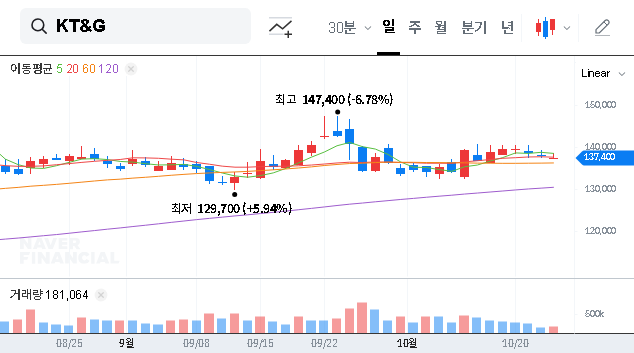
In a significant move for investors, KT&G Corporation’s stock cancellation announcement has sparked widespread discussion. The company has committed to a substantial ₩260 billion share buyback and subsequent cancellation, a strategic action designed to enhance shareholder value. But what does this mean for the stock’s trajectory in both the immediate and distant future? This comprehensive analysis explores the mechanics behind the decision, its potential impact on your portfolio, and the critical factors investors must consider to navigate this corporate event successfully.
We will break down the short-term market reactions, delve into the long-term implications for corporate health and shareholder returns, and provide a clear framework for evaluating this strategic financial maneuver.
The ₩260 Billion Announcement: Key Details
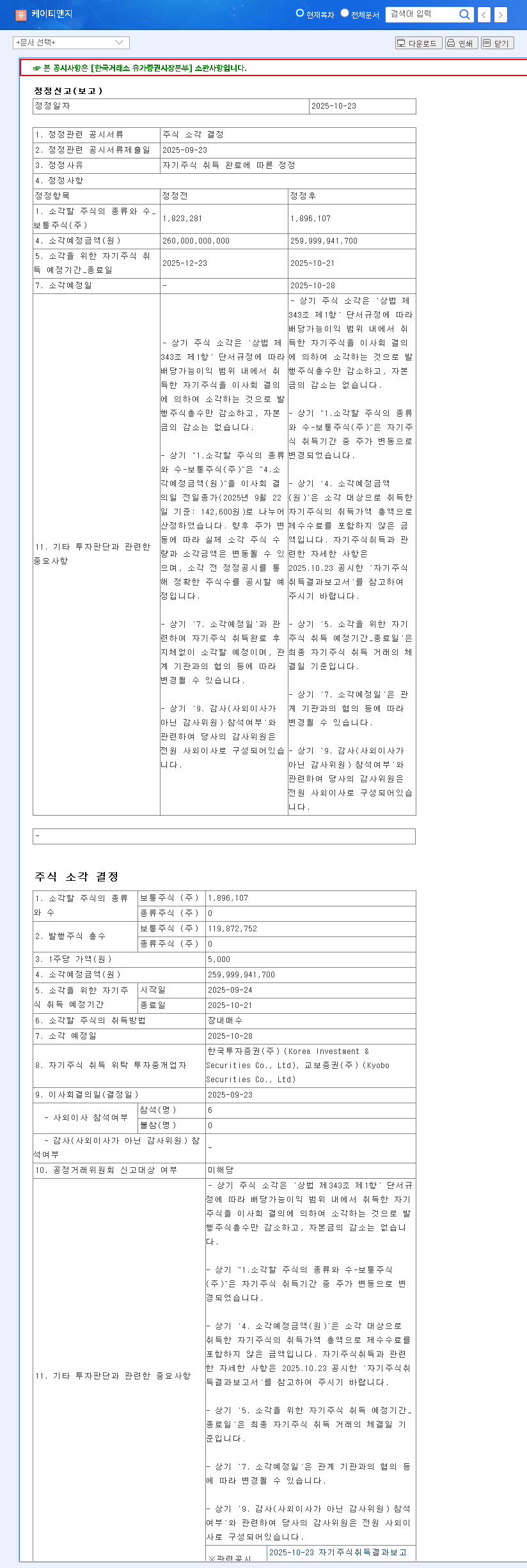
On October 23, 2025, KT&G Corporation formally disclosed its plan to execute a significant stock cancellation. According to the Official Disclosure filed with the Financial Supervisory Service, the move is a core component of its shareholder return policy. Here are the essential details of the plan:
- •Shares for Cancellation: 1,896,107 common shares of KT&G Corporation.
- •Total Value: Approximately ₩260 billion.
- •Market Cap Proportion: This figure represents about 1.57% of the company’s total market capitalization at the time of the announcement.
- •Acquisition Method: The shares will be repurchased directly from the open market.
- •Scheduled Cancellation Date: The official cancellation is slated for October 28, 2025.
Why a Stock Cancellation Signals Confidence
A stock cancellation, often preceded by a share buyback, is a powerful tool in a company’s financial arsenal. Unlike dividends, which distribute profits directly to shareholders, a buyback reduces the total number of outstanding shares. This act of scarcity has a direct mathematical effect: with fewer shares available, the company’s Earnings Per Share (EPS) automatically increases, making the stock appear more valuable on a per-share basis.
Fundamentally, a significant stock cancellation is a signal from management that they believe the company’s shares are undervalued and that the best use of capital is to invest in themselves.
This action often boosts investor confidence, as it demonstrates a commitment to enhancing KT&G shareholder value. The choice to repurchase shares on the open market also creates buying pressure, which can provide a floor for the stock price and mitigate downward volatility during the acquisition period.
Analyzing the Impact of the KT&G Corporation Stock Cancellation
While the news is broadly positive, a nuanced analysis requires looking at both immediate market effects and the long-term strategic picture.
Short-Term Market Dynamics
In the short term, the primary impact is driven by supply and demand. The open market purchases create a new, significant source of demand for KT&G shares, which should support the stock price leading up to the cancellation date. However, the scale of the buyback—1.57% of market capitalization—is considered moderate. While beneficial, it may not be large enough on its own to trigger an explosive price rally, especially if overshadowed by negative macroeconomic news or industry-specific headwinds.
Long-Term Value and Strategic Implications
The long-term impact is where a deeper analysis is crucial. For this KT&G stock buyback to be truly value-accretive, it must be sustainable and align with the company’s broader strategy. Investors should see this not as a one-off event, but as a potential part of a consistent and disciplined shareholder return policy. A history of prudent capital allocation, including both buybacks and strategic investments for growth, builds long-term investor trust and loyalty. This act signals that management has a positive outlook on future cash flows and believes reinvesting in its own equity is a superior use of capital compared to other alternatives.
An Investor’s Due Diligence Checklist
Before making any investment decision based on this news, thorough due diligence is essential. Here are key areas to investigate:
- •Financial Health: Scrutinize KT&G’s balance sheet and cash flow statements. Does the company have ample free cash flow to cover the ₩260 billion purchase without taking on excessive debt or sacrificing critical R&D and capital expenditures? For a deeper understanding of these metrics, you can reference guides from authoritative sources like Investopedia on Share Buybacks.
- •Historical Context: Compare this cancellation to past shareholder return initiatives by KT&G. Is this part of a consistent pattern or a new development? Understanding the company’s history provides valuable context. You can review our analysis of KT&G’s dividend policy for more information.
- •Industry Benchmarks: How does KT&G’s shareholder return policy stack up against its direct competitors? A policy that leads the industry can attract a premium valuation over time.
- •Management’s Vision: Look for statements from company leadership about the rationale behind the buyback. Their commentary can reveal important clues about their confidence in future growth and long-term strategic priorities.
Conclusion: A Positive Signal Requiring Scrutiny
The KT&G Corporation stock cancellation is a clear positive signal for investors. It directly enhances per-share metrics, demonstrates management confidence, and provides short-term price support. However, its long-term success hinges on the company’s underlying financial strength and its ability to continue funding growth initiatives. While this move is a commendable step toward improving shareholder value, prudent investors should treat it as one important data point in a much larger analysis of the company’s overall health and future prospects.
Responsibility for investment decisions rests solely with the individual investor. We strongly recommend comprehensive research before taking any action.
Leave a Reply