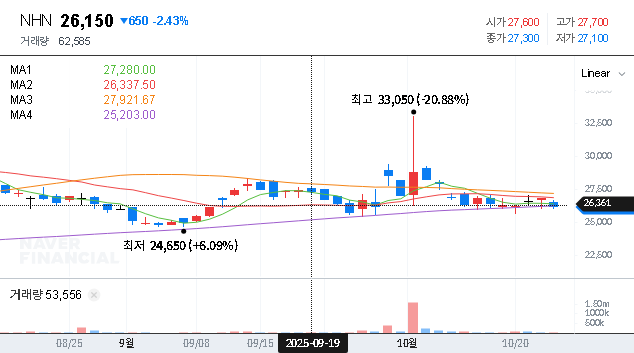
NHN Corporation (KRX: 181710), a prominent player in the IT sector, has made a significant move that has captured the market’s attention. The recent announcement of an NHN Corporation stock buyback program valued at ₩12.8 billion is a clear signal to investors. This strategic decision raises critical questions: Is this a sign of deep-seated confidence from management? And how will this impact NHN shareholder value in the long run? This comprehensive analysis will dissect the announcement, explore the underlying motivations, weigh the potential benefits against the risks, and provide a clear action plan for current and prospective investors.
The Details of NHN’s Share Repurchase Plan
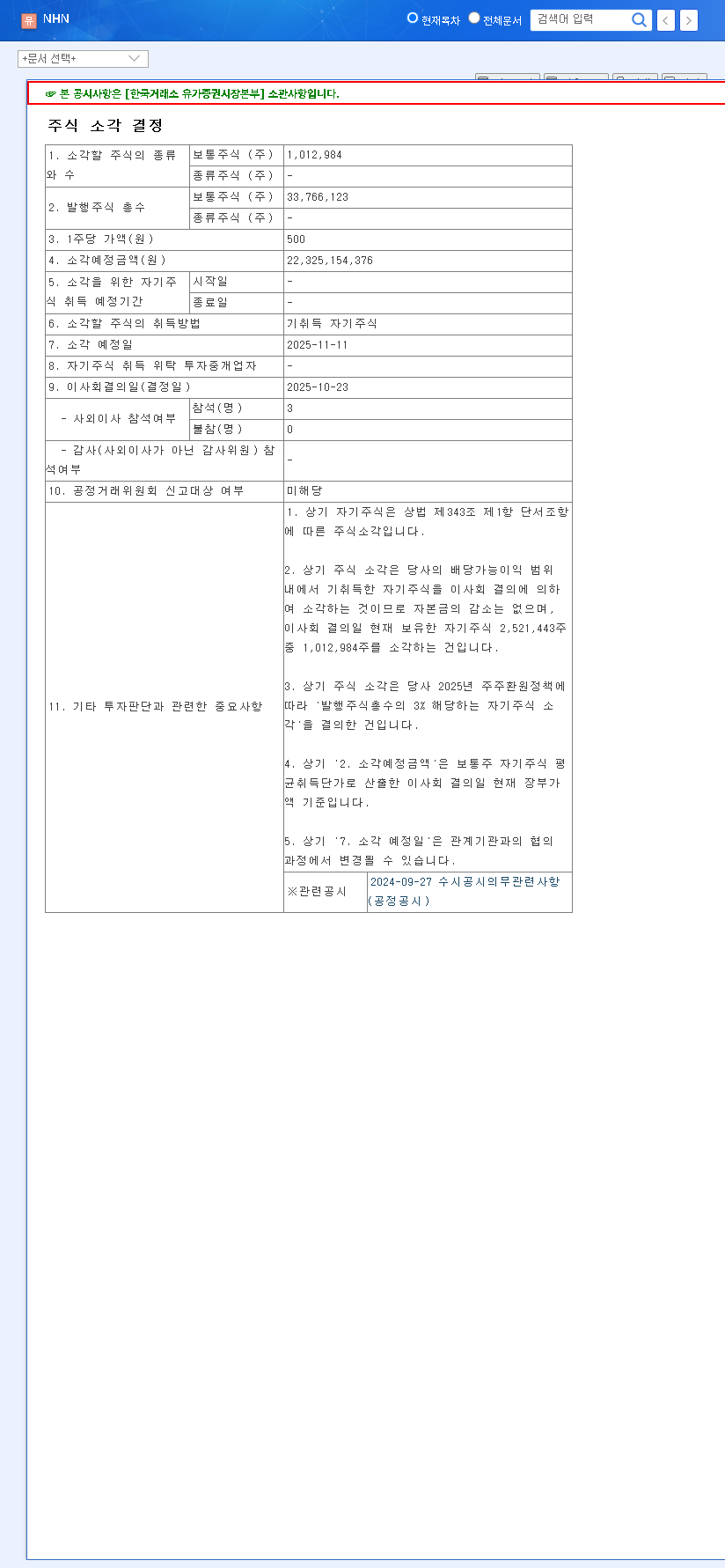
On October 23, 2025, NHN Corporation formally disclosed its intention to acquire 478,784 of its own common shares from the open market. This transaction, valued at approximately ₩12.8 billion, represents a notable 1.42% of the company’s total market capitalization. The buyback will be executed on the KOSPI exchange, with Samsung Securities managing the acquisition process. For verification, you can view the Official Disclosure on DART, South Korea’s electronic disclosure system.
A share buyback, or share repurchase, is a corporate action where a company buys back its own outstanding shares from the open market. This reduces the number of shares in circulation, which can have several positive financial effects.
Why a Stock Buyback? Unpacking the Strategy
NHN’s stated goals for this initiative are to stabilize its share price and enhance shareholder value. But what does this mean in practice? Generally, a company initiates a buyback when its management believes the market is undervaluing its stock. It’s a powerful signal of internal confidence in the company’s future prospects.
Boosting Key Financial Metrics
By reducing the total number of outstanding shares, a buyback automatically increases the company’s Earnings Per Share (EPS), a critical metric watched by analysts. A higher EPS can make the stock appear more attractive to investors, potentially driving up its price. This mechanical boost is often a primary driver behind a share buyback strategy.
Improving Supply and Demand Dynamics
The act of purchasing ₩12.8 billion worth of shares creates significant buying pressure in the market. This increased demand, coupled with a reduced supply of available shares, can lead to short-term price appreciation and improved liquidity, benefiting existing shareholders.
Potential Benefits vs. Underlying Risks
While the NHN Corporation stock buyback is framed positively, savvy investors must consider both sides of the coin.
The Upside: A Bullish Outlook
- •Investor Confidence: A buyback signals that management believes the stock is a good investment, which can boost market sentiment.
- •Enhanced Shareholder Returns: It’s a direct way to return capital to shareholders, rewarding them for their investment and reinforcing a shareholder-friendly corporate policy.
- •Price Support: The buyback program can create a ‘floor’ for the stock price, providing stability during volatile market periods.
The Downside: Potential Red Flags
- •Lack of Growth Opportunities: Critics might argue that a buyback indicates the company lacks better investment opportunities, such as R&D, strategic acquisitions, or expansion, which could generate higher long-term returns.
- •Artificial EPS Inflation: If the company’s core business is not growing, the EPS boost from a buyback can mask underlying performance issues. It is crucial to see revenue and profit growth alongside an improved EPS.
- •Market Timing Risk: If the market enters a significant downturn, the positive impact of the buyback could be completely negated by broader negative sentiment, making the capital expenditure less effective.
Investor Action Plan: What to Watch Next
A prudent investor should not make a decision based on this announcement alone. A cautious and observant approach is warranted. For those interested in how to analyze tech stocks, this event provides a perfect case study. Here’s what to monitor:
- •Track the Buyback’s Progress: Follow the disclosures to ensure the company is executing the purchases as planned. The speed and price points of the acquisition can offer clues about their strategy.
- •Scrutinize Financial Reports: Pay close attention to NHN’s upcoming quarterly earnings. Look for organic growth in key segments like cloud services, gaming, and payments. Is revenue growing? Are profit margins stable or improving?
- •Monitor Analyst Commentary: Keep an eye on reports from securities firms and financial analysts. Their target prices and ratings will reflect the expert consensus on the buyback’s impact.
- •Compare with Competitors: How does NHN’s capital allocation strategy compare to its peers? Are competitors investing heavily in growth while NHN is buying back stock? This context is crucial for evaluating its relative attractiveness. You can learn more from our guide on competitive analysis for stocks.
In conclusion, the NHN Corporation stock buyback is a significant and largely positive development for shareholders. It demonstrates management’s commitment to delivering value. However, its long-term success will ultimately depend on the company’s ability to drive fundamental business growth. This is a key moment for NHN, and informed investors will be watching closely.
Leave a Reply