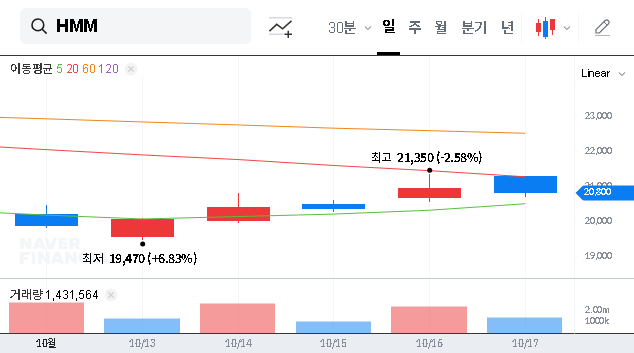
The global shipping giant HMM CO., LTD has sent ripples through the market with a landmark announcement: a massive HMM stock buyback program valued at over KRW 2.1 trillion. This strategic decision to repurchase and cancel a significant portion of its shares is a clear move to enhance shareholder value. But for current and potential investors, this raises critical questions. Beyond a potential short-term price bump, what are the fundamental implications for HMM’s financial health, and how should you position your portfolio in response? This comprehensive analysis provides the crucial insights you need.
We will dissect the mechanics of the stock tender offer, evaluate the profound benefits, uncover the potential risks, and provide a clear action plan for navigating this pivotal moment in HMM’s corporate journey.
Breaking Down the HMM Stock Buyback Announcement
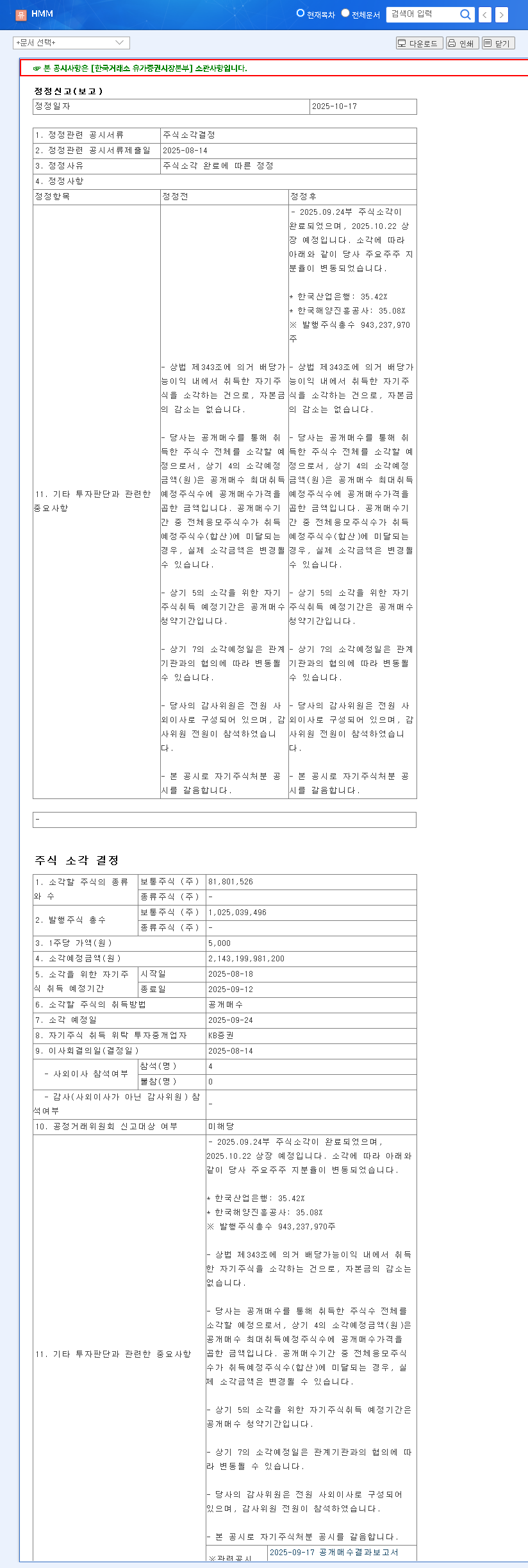
On May 15, 2024, HMM CO., LTD formally announced its intention to cancel 81,801,526 of its common shares. This move, scheduled for completion by October 17, 2025, represents nearly 10% of the company’s current market capitalization. The acquisition of these shares will be conducted via a public tender offer, a method that invites shareholders to sell their shares back to the company at a specified price. For complete transparency, investors can review the Official Disclosure on the DART system (Source).
A stock buyback of this magnitude is more than a financial transaction; it’s a powerful statement from management about their confidence in the company’s future value and a direct commitment to increasing shareholder returns.
The Strategic Upside: Why This Is a Positive Signal
This HMM stock buyback is a multi-faceted strategy aimed at optimizing the company’s financial structure and rewarding its investors. Here are the primary benefits:
- •Immediate Boost to Per-Share Metrics: By reducing the total number of shares outstanding, key financial metrics like Earnings Per Share (EPS) and Book Value Per Share (BPS) automatically increase. This makes the stock appear more valuable and attractive on a fundamental basis without diluting existing shareholders’ equity.
- •Support for Stock Price: The public tender offer creates a large, guaranteed buyer in the market (HMM itself). This can generate significant short-term buying pressure, supporting or even boosting the stock price. Furthermore, the signal of enhanced capital efficiency often improves overall investor sentiment.
- •Enhanced Shareholder Returns: While not a cash dividend, a buyback is a potent, tax-efficient form of returning capital to shareholders. It increases each remaining shareholder’s proportional ownership stake in the company, concentrating future earnings and dividends among fewer shares.
- •Optimized Capital Structure: Deploying excess cash for a buyback can improve a company’s return on equity (ROE) and signal that management is disciplined about its capital allocation, choosing to invest in its own stock when it believes it is undervalued.
Navigating the Risks: An Investor’s Due Diligence Checklist
Despite the clear positives, a prudent investment strategy demands a thorough examination of the potential risks and unanswered questions. The success of this shipping stock investment hinges on several factors.
The Critical Question of Funding
The source of the KRW 2.1 trillion is paramount. Will HMM fund this from its substantial cash reserves, or will it take on new debt? If it’s the latter, the increased leverage could introduce new financial risks and interest expenses, potentially offsetting some of the benefits. Investors must scrutinize upcoming financial reports for clarity on the funding mechanism.
Market Expectations vs. Reality
It’s crucial to gauge whether this move aligns with or falls short of market expectations. Did analysts and institutional investors anticipate a larger buyback, a special dividend, or a major strategic acquisition instead? Any significant disparity could lead to a muted or even negative market reaction. Keeping an eye on expert market analysis from sources like Bloomberg will be key.
External Headwinds and Industry Cycles
The global shipping industry is notoriously cyclical. A buyback’s effectiveness can be influenced by broader market trends, freight rates, and geopolitical events. A deep understanding of HMM’s core business value is essential, which is why we recommend reviewing our internal guide on how to evaluate shipping company fundamentals.
Frequently Asked Questions (FAQ)
What is the HMM CO.,LTD stock buyback decision?
HMM CO.,LTD plans to buy back and cancel 81.8 million common shares (9.98% of its market cap) by October 2025 using a public tender offer. This is a strategy to improve its capital structure and increase shareholder value.
How will this stock buyback affect HMM’s stock price?
The reduction in outstanding shares is expected to increase per-share value (EPS/BPS). The tender offer could also create short-term buying pressure, potentially having a positive impact. However, the long-term effect depends on funding details and broader market conditions.
What is the biggest risk for investors to consider?
The primary risk is the funding source for the KRW 2.1 trillion. If HMM takes on significant new debt, it could increase financial risk and interest burdens, which investors need to monitor closely in future financial disclosures.
In conclusion, HMM’s decision to execute a large-scale stock buyback is a significant and largely positive development for shareholders. It signals confidence and a commitment to capital discipline. However, this is not a signal for passive investment. Proactive investors must continue to perform their due diligence, monitor company disclosures, and stay informed on industry trends to truly capitalize on this strategic move.
Leave a Reply