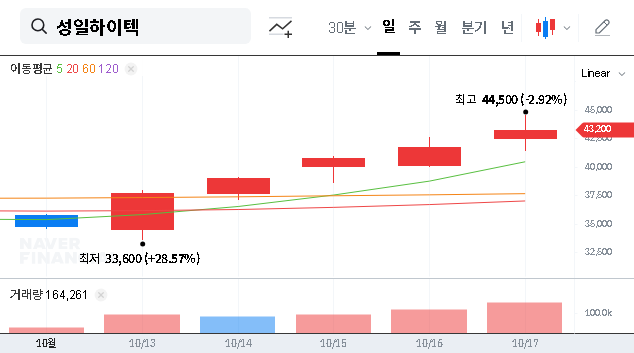
In a significant financial move, leading battery recycling company SungEel HiTech Co., Ltd. has announced a decision to issue 53 billion KRW worth of convertible bonds (CBs). This news immediately sparks a critical debate among investors: Is this a strategic masterstroke to fuel growth, or does it signal a coming burden of share dilution for existing shareholders? This analysis unpacks the details of the SungEel HiTech convertible bond issuance to provide a clear roadmap for your investment strategy.
We will explore the rationale behind this capital raise, weigh the potential benefits against the inherent risks, and outline key factors every investor should monitor moving forward. Understanding this financial instrument is key to assessing the future value of your SungEel HiTech stock.
This 53 billion KRW convertible bond represents a pivotal moment for SungEel HiTech, balancing on the fine line between aggressive expansion and protecting shareholder value. The outcome will depend entirely on the strategic execution of its growth plans.
Understanding the SungEel HiTech CB Issuance
First, let’s clarify what a convertible bond is. It’s a hybrid security that starts as a loan (bond) to the company but includes an option for the bondholder to convert it into a predetermined number of the company’s common shares at a later date. It offers investors the safety of a bond with the upside potential of an equity investment. For a more detailed explanation, you can refer to authoritative sources like Investopedia.
SungEel HiTech has opted for a private placement to raise 53 billion KRW, which is approximately 9.5% of its market capitalization. This method allows for faster capital acquisition from a select group of investors, often institutional or private equity funds.
Key Details of the Bond Issuance
The terms of the SungEel HiTech convertible bond are crucial for analysis. Here are the officially disclosed details:
- •Issuance Amount: 53 billion KRW
- •Conversion Price: 41,336 KRW (This is the price at which bonds can be converted into shares. The risk of share dilution increases if the stock price rises significantly above this level.)
- •Coupon Rate / Yield to Maturity: 1.0% / 4.0% (These rates represent the interest paid to bondholders and the total return if held to maturity, impacting the company’s financial expenses.)
- •Conversion Period: October 27, 2026 – September 27, 2030 (This long window gives bondholders flexibility but creates a prolonged period of potential stock overhang.)
For complete verification of these terms, investors can consult the Official Disclosure on the DART system (Source).
The Strategic Rationale: Fueling the Growth Engine
A capital raise of this magnitude isn’t arbitrary. SungEel HiTech operates in the highly competitive and capital-intensive battery recycling industry. The funds are likely earmarked for critical growth initiatives, which could include:
- •Facility Expansion: Building new hydro-metallurgical plants (‘Hydrocenters’) in key markets like North America or Europe to meet soaring demand from EV manufacturers.
- •Research & Development: Investing in next-generation recycling technologies to improve recovery rates of critical minerals like lithium, cobalt, and nickel, thereby boosting profit margins.
- •Working Capital: Securing a stable supply chain of used batteries (‘black mass’) requires significant upfront capital.
Pros vs. Cons: An Investor’s Viewpoint
The Upside: Enhanced Growth and Flexibility
The primary benefit is securing capital for long-term growth without immediate, large-scale share dilution that would come from a direct stock offering. If the company invests this capital wisely and generates returns that exceed the cost of debt, it can create substantial long-term value that far outweighs the future dilution. This financial flexibility allows SungEel HiTech to compete aggressively in the global battery recycling investment landscape.
The Downside: The Shadow of Dilution and Debt
The most significant risk is the share dilution that will occur if and when bondholders convert their debt to equity. If all bonds are converted, it would increase the total number of shares outstanding, reducing the ownership percentage and earnings per share for existing shareholders. Furthermore, until conversion, the bonds add to the company’s debt load, and the interest payments are a recurring financial obligation.
Investor Action Plan: What to Watch Now
Navigating the SungEel HiTech CB issuance requires active monitoring. Here’s what to focus on:
- •Capital Allocation: Watch for official announcements on how the 53 billion KRW is being deployed. The success of these investments is the key to offsetting dilution.
- •Stock Price vs. Conversion Price: Track the stock’s performance relative to the 41,336 KRW conversion price. A sustained price well above this level makes conversion more likely.
- •Quarterly Earnings: Scrutinize financial reports for revenue growth, margin improvement, and updates on expansion projects. Strong performance can absorb the impact of dilution.
In conclusion, the SungEel HiTech convertible bond is a calculated risk. It provides the necessary fuel for the company’s ambitious growth plans in a booming industry. For investors, the challenge is to determine whether the potential rewards of this expansion will ultimately create more value than the dilution it may cause. Careful and continuous monitoring will be essential.

Leave a Reply