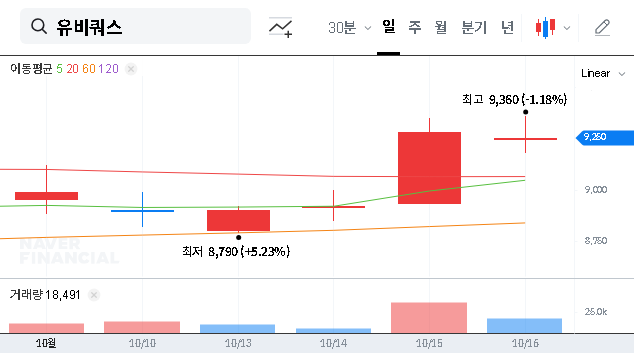
On October 16, 2025, telecommunications equipment specialist Ubiquoss Inc. made a significant announcement that caught the market’s attention: a ₩2 billion Ubiquoss stock cancellation. For investors, this news immediately raises critical questions. How will this corporate action impact the stock’s value? Is this a signal of underlying strength, and what does it mean for your investment strategy? This comprehensive analysis goes beyond the surface-level disclosure to provide a detailed breakdown of the financial, market, and strategic implications of this key decision.
Stock cancellations, especially of treasury shares, are often interpreted as a bullish sign. By reducing the number of shares in circulation, a company can increase key per-share metrics, signaling confidence in its future earnings. We will dissect this event, explore the potential risks, and provide an actionable guide for savvy investors looking to navigate this development.
The Ubiquoss Stock Cancellation: Key Details
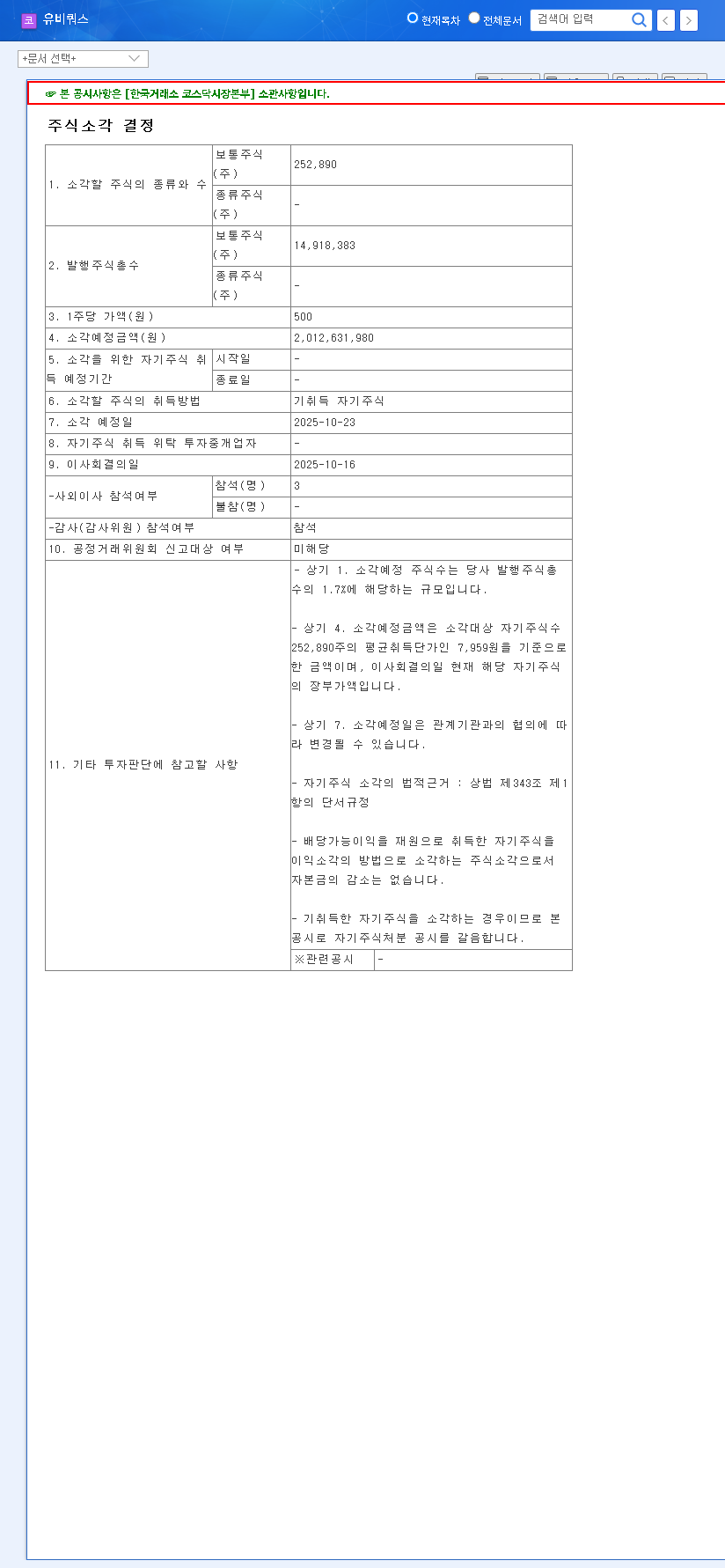
Ubiquoss Inc. formalized its commitment to enhancing shareholder value through this decision. The move involves retiring shares the company had previously repurchased from the open market, known as treasury stock. Here are the essential facts based on the public filing, which you can view in the Official Disclosure (DART).
- •Company: Ubiquoss Inc.
- •Event: Cancellation of Treasury Shares
- •Amount: ₩2 billion
- •Shares Cancelled: 252,890 common shares
- •Ratio to Market Cap: ~1.45% (of ₩138B at announcement)
- •Scheduled Cancellation Date: October 23, 2025
Analyzing the Ripple Effects for Investors
A stock cancellation is more than an accounting entry; it has tangible effects on a company’s financial structure, market perception, and strategic positioning. Let’s break down the three primary areas of impact.
1. The Financial Impact: Enhancing Per-Share Metrics
Financially, cancelling treasury stock reduces the company’s total capital on the balance sheet. Since these shares were already purchased, there is no new cash outflow, preserving the company’s liquidity. The most significant effect is on per-share value metrics. With fewer shares outstanding, key indicators like Earnings Per Share (EPS) and Book Value Per Share (BPS) automatically increase, assuming profits and assets remain constant. This is a direct mechanism for increasing shareholder value.
2. The Stock Price Impact: Investor Sentiment and Supply Dynamics
The market generally reacts positively to stock cancellations in the short term. The reduction in share supply, coupled with the implicit message of management’s confidence, can create buying pressure. A 1.45% reduction in market cap is a meaningful amount that can act as a catalyst. However, long-term price appreciation is not guaranteed. It will ultimately depend on Ubiquoss’s fundamental performance, future growth, and broader market trends. For more on the mechanics, you can read about Treasury Stock on Investopedia.
While the initial market reaction may be positive, sustainable growth relies on the company’s core business performance, not just financial engineering. This event should be viewed as one piece of a much larger puzzle.
3. The Strategic Significance: A Message of Confidence
Strategically, the Ubiquoss stock cancellation is a powerful signal. It tells the market that management believes its shares are undervalued and that the best use of capital is to invest in itself. This act of returning value to shareholders can foster loyalty and attract long-term investors. It also helps manage the circulating supply, potentially reducing volatility and creating a more stable foundation for the stock price.
Risks and Limitations: The Need for Deeper Research
While the news is positive, making an investment decision based solely on this event is risky. This analysis is based on the public disclosure, which lacks crucial context. To build a robust investment thesis, further due diligence is essential.
- •Information Gaps: Key data like brokerage reports, consensus market expectations, and detailed financial forecasts are needed for a full picture.
- •Company Fundamentals: This event doesn’t change the underlying business. You must still analyze Ubiquoss’s profitability, competitive position, and growth strategy. Our guide on How to Analyze Company Financials can help.
- •Market Factors: External forces like macroeconomic trends, interest rates, and industry shifts can easily overshadow the impact of a stock cancellation.
The Investor’s Action Plan: Conclusion & Recommendations
The Ubiquoss stock cancellation is a clear positive for shareholder value. However, it should be treated as a starting point for analysis, not the conclusion. Here are our recommendations:
- •Dig Deeper: Seek out analyst reports, company presentations, and industry comparisons to understand Ubiquoss’s intrinsic value.
- •Monitor the Market: Watch the stock’s price and volume around the October 23 cancellation date to gauge institutional and retail reaction.
- •Think Long-Term: Combine the positive signal from this event with your assessment of the company’s long-term growth potential before making any investment decisions.
Frequently Asked Questions (FAQ)
Q1: What does a stock cancellation mean for shareholders?
It’s a shareholder-friendly action. By reducing the total number of shares, it increases each remaining share’s proportional claim on the company’s earnings and assets, potentially boosting its value.
Q2: Will the Ubiquoss stock cancellation guarantee a price increase?
No. While it often leads to a short-term positive reaction, there is no guarantee. The long-term price will be driven by the company’s operational performance and overall market conditions.
Q3: Does this event impact Ubiquoss’s cash reserves?
No. The cancellation applies to treasury stock, which was already purchased. Therefore, this specific action does not involve any new cash spending and has no impact on the company’s immediate cash flow.
Leave a Reply