
A significant event has unfolded for investors tracking KYUNG-IN SYNTHETIC CORPORATION (KOSPI: 012610), drawing sharp focus on its corporate governance and future direction. A recent filing by major shareholder Kim Heung-joon declared a clear intent for KYUNG-IN SYNTHETIC CORPORATION management influence, a move that signals a shift from passive ownership to active engagement. This development is far more than a procedural update; it raises critical questions about the company’s strategy, stock valuation, and the potential for shareholder-driven change. This comprehensive analysis will dissect the filing, evaluate the company’s underlying fundamentals, and provide a clear roadmap for investors navigating this pivotal moment.
The Catalyst: Dissecting the Shareholder Filing
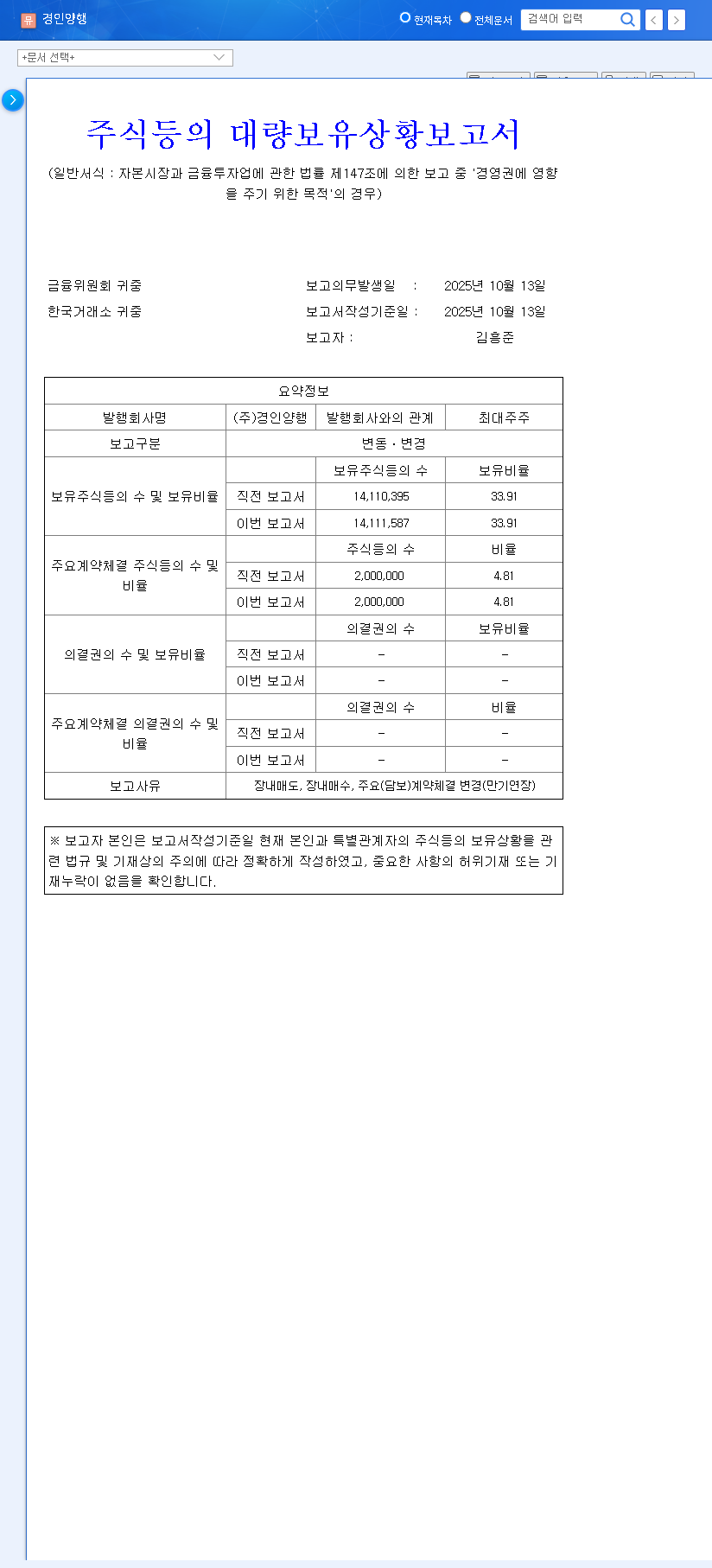
On October 13, 2025, the market received a ‘Report on Large Shareholding Status’ regarding KYUNG-IN SYNTHETIC CORPORATION. The reporter, Kim Heung-joon, maintained his substantial 33.91% stake but critically changed the stated purpose of his holding to ‘management influence.’ While the share percentage didn’t change, the stated reasons for the filing—including on-market stock sales and purchases, alongside changes in collateral contract terms—paint a complex picture of financial maneuvering. This declaration moves beyond simple investment and suggests a strategic preparation for a more hands-on role in the company’s affairs. The complete details can be reviewed in the Official Disclosure (DART).
The shift from a passive holding to an explicit declaration of ‘management influence’ is the single most important takeaway from this filing. It implies that the largest shareholder may now actively seek to shape corporate strategy, board composition, and capital allocation.
Evaluating the Company’s Core Fundamentals
To understand the potential impact of this move, we must first assess the current state of KYUNG-IN SYNTHETIC CORPORATION’s business operations and financial health.
The Resilient Dye Division
Despite facing headwinds from a global economic slowdown, the company’s foundational dye business is showing signs of a robust recovery. Increased demand from key markets in Southwest Asia and Central & South America is a positive sign. Furthermore, strategic investments into eco-friendly technologies and prestigious certifications like GOTS and bluesign System Partner are crucial differentiators, enhancing competitiveness in discerning European and North American markets. However, a shrinking domestic market and fierce competition in Southeast Asia remain challenges that require careful management.
The High-Growth Chemical and Materials Division
The chemical business offers a more dynamic growth story. The company holds a dominant position in the high-quality saccharin market. More importantly, its BCMB production—a key material for photoresists used in semiconductors—is perfectly positioned to capitalize on the booming AI and high-performance computing markets. The new ADPOS business, which targets the growing NB latex market, represents a significant future growth engine that could substantially enhance corporate value in the coming years. This diversification is a key strength for the company’s long-term outlook.
Implications of the KYUNG-IN SYNTHETIC CORPORATION Management Influence
A shareholder’s intent to influence management can manifest in several ways, creating both opportunities and uncertainties. This move could be a precursor to several strategic actions aimed at unlocking shareholder value. Investors should watch for the following potential developments:
- •Push for Strategic Review: The shareholder may advocate for a full review of business units, potentially leading to the sale of underperforming assets or increased investment in high-growth areas like the chemical division.
- •Board Composition Changes: A push to appoint new, independent directors to the board to bring fresh perspectives or specific industry expertise.
- •Capital Allocation Policies: Demands for changes in how the company uses its cash, such as initiating or increasing dividends, launching more aggressive share buyback programs, or paying down debt.
- •Enhanced Corporate Governance: A campaign to improve transparency and accountability to better align management’s interests with those of all shareholders. For more on this topic, see our guide on evaluating corporate governance structures.
Investor Action Plan: Navigating the Path Forward
Given the solid fundamentals and the new variable of active shareholder involvement, KYUNG-IN SYNTHETIC CORPORATION stock presents a complex but potentially rewarding investment thesis. In the short term, investors should brace for heightened volatility as the market digests this news. From a medium to long-term perspective, the focus should be on whether this ‘management influence’ translates into tangible improvements in shareholder value.
It is crucial to monitor macroeconomic trends, such as global interest rates and their effect on industrial demand, which are frequently covered by authoritative sources like Reuters Business. Continuously track subsequent filings and public statements from Mr. Kim Heung-joon to gauge the specific direction of his influence. The convergence of a recovering core business, a high-growth chemical division, and an activated major shareholder makes KYUNG-IN SYNTHETIC CORPORATION a compelling story to watch closely.
Disclaimer: This article is for informational purposes only and does not constitute investment advice. All investment decisions should be made with the consultation of a qualified financial professional.
Leave a Reply